- CONTACT US NOW:
- +256 784 928 080
- info@abundadiscoveriesuganda.com

A Wildebeest River Crossing in the Serengeti
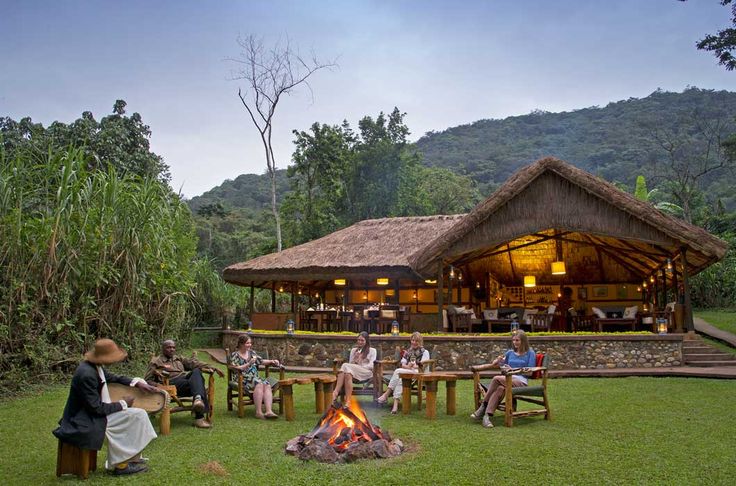
Camping Safaris in Uganda
August 13, 2025
Climbing Mountain Kilimanjaro
August 13, 2025
The Wildebeest River Crossing in the Serengeti is one of the most dramatic wildlife spectacles in the world. It is part of the Great Migration, a continuous movement of over 1.5 million wildebeest accompanied by hundreds of thousands of zebras and gazelles across the Serengeti–Mara ecosystem in search of fresh grazing grounds. This incredible journey, which takes place annually, is not only a display of nature’s raw beauty but also a dramatic struggle for survival, especially during the perilous river crossings.
This guide covers when and where to witness the river crossing, the risks involved, how to plan a safari, and essential photography tips — all while answering the most commonly searched questions related to this unforgettable event.
What month is the wildebeest river crossing in the Serengeti?
The wildebeest river crossing typically takes place between July and October, when the herds move from the central Serengeti in Tanzania towards the lush pastures of the Masai Mara in Kenya. The timing is dictated by rainfall patterns, so exact dates vary from year to year. In most cases:
- July–August – The first herds reach the Mara River in the northern Serengeti.
- August–September – Peak crossing activity as multiple herds attempt the crossing at different points.
- October – Late crossings as the herds gradually move deeper into Kenya.
While July and August often offer the highest chances of witnessing the crossing, it’s important to note that the migration is a natural event, and precise predictions are never guaranteed.
Where is the best place to see the wildebeest river crossing?
The best place to see the wildebeest river crossing in the Serengeti is along the Mara River in the Kogatende and Lamai areas of the park’s northern region. These zones have multiple crossing points where herds gather before plunging into the water.
Popular viewing points include:
- Kogatende Crossing Points – Easily accessible and offer good visibility of herds lining up on riverbanks.
- Lamai Wedge – Located between the Mara River and the Kenya border, offering a quieter and less crowded vantage point.
Some safaris also combine Serengeti crossings with Masai Mara crossings for a fuller migration experience.
How long does the wildebeest river crossing last?
The river crossing season lasts roughly two to three months (July to October). However, individual crossings are often sudden and short-lived, sometimes lasting only a few minutes. Large herds may take longer — from 30 minutes to over an hour — as the animals hesitate, regroup, and make repeated attempts before committing to the crossing.
How dangerous is the wildebeest river crossing?
The wildebeest river crossing is one of the most dangerous stages of the Great Migration. Risks include:
- Crocodile Attacks – Nile crocodiles wait in the Mara River, preying on crossing animals.
- Strong Currents – Swift river flows can sweep away weaker animals.
- Stampedes – Panicked herds can trample individuals.
These dangers contribute to the high mortality rate during the migration but are also a natural part of the ecosystem’s balance.
Can you predict the exact date of the river crossing?
No, the exact date of the river crossing cannot be predicted. The timing depends on complex factors, including rainfall patterns in the Serengeti and Masai Mara, grass availability, and herd movement speeds. Safari operators track the herds closely and can provide updates, but the event remains spontaneous. Travelers who stay for several days in the northern Serengeti increase their chances of witnessing a crossing.
How many wildebeest die during the river crossing?
It is estimated that over 6,000 wildebeest die each year during the Mara River crossings, with deaths caused by drowning, predation, exhaustion, or injury. While this seems high, these losses play an important role in the ecosystem, providing food for predators and scavengers and enriching the river environment with nutrients.
What predators hunt during the river crossing?
Predators active during the river crossing include:
- Nile crocodiles – Lying in wait within the river.
- Lions – Often hunting near crossing points and along the banks.
- Leopards – Ambushing smaller animals in the surrounding woodlands.
- Hyenas and jackals – Targeting injured or exhausted wildebeest after the crossing.
The abundance of prey during this period supports a temporary increase in predator activity.
What is the difference between the Serengeti and Masai Mara river crossings?
The Serengeti and Masai Mara are part of the same ecosystem, but there are differences:
- Serengeti crossings happen earlier (July–September) in the northern sector of Tanzania.
- Masai Mara crossings typically occur later (August–October) when herds are deeper into Kenya.
The Serengeti crossings tend to be less crowded with tourists compared to the Masai Mara, offering a more secluded viewing experience.
Is it better to see the river crossing in Tanzania or Kenya?
Both Tanzania and Kenya offer excellent viewing opportunities. Tanzania’s northern Serengeti provides quieter viewing and multiple crossing points, while Kenya’s Masai Mara offers closer proximity to Nairobi and a chance to combine the crossing with other Kenyan wildlife experiences. Your choice depends on travel preferences, budget, and the month you visit.
How do you get to the Mara River in the Serengeti?
Travelers can reach the Mara River in the Serengeti by:
- Domestic flights – From Arusha or other airstrips to Kogatende or Lamai airstrips.
- By road – Driving from central Serengeti lodges to the northern sector, which can take 6–8 hours.
Due to the remote location, many travelers choose fly-in safaris to maximize time at the crossing points.
What is the cost of a safari to see the wildebeest river crossing?
The cost depends on safari style and duration:
- Budget camping safari: USD 250–400 per person per day.
- Mid-range lodge safari: USD 400–600 per person per day.
- Luxury lodge safari: USD 700–1,500+ per person per day.
Prices usually include park fees, game drives, accommodation, and meals. Fly-in safaris cost more but save travel time.
Can you see the river crossing on a day trip?
It is not practical to see the river crossing on a day trip from major cities, as the Mara River in the Serengeti is remote. However, travelers already staying in the northern Serengeti can do a day game drive to witness a crossing if herd movements align.
What other animals migrate with the wildebeest?
The migration also includes:
- Zebras – Around 200,000 individuals, which graze differently from wildebeest.
- Thomson’s and Grant’s gazelles – Approximately 500,000 combined.
These species move together for mutual protection against predators.
Why do wildebeest risk crossing the river?
The river crossing is a necessary part of the migration as the herds follow rainfall patterns in search of fresh grass. The Mara River stands between them and the fertile grazing lands of the Masai Mara during the dry season. Instinct drives them to cross, despite the dangers.
What is the best camera for photographing the wildebeest river crossing?
A DSLR or mirrorless camera with a fast burst rate and a telephoto lens (200–400mm) is ideal for photographing the crossing. A good zoom allows you to capture close-up action without disturbing the animals. A monopod or beanbag can help stabilize shots in safari vehicles.
Always follow ethical photography practices — never interfere with wildlife or force animals to move for a better shot.
Conclusion
The wildebeest river crossing in the Serengeti is an unparalleled wildlife event that combines breathtaking beauty with raw survival drama. While exact dates are unpredictable, planning your visit between July and October and staying in the northern Serengeti increases your chances of witnessing this spectacular moment. Whether you choose Tanzania or Kenya, seeing the crossing is an experience that stays etched in memory forever.


