- CONTACT US NOW:
- +256 784 928 080
- info@abundadiscoveriesuganda.com

Age Limit for Chimpanzee Trekking Safaris.
Can I Buy a Gorilla Permit by Myself?
July 9, 2025
Why Hire a 4×4 Vehicle for a Ugandan Safari?
July 9, 2025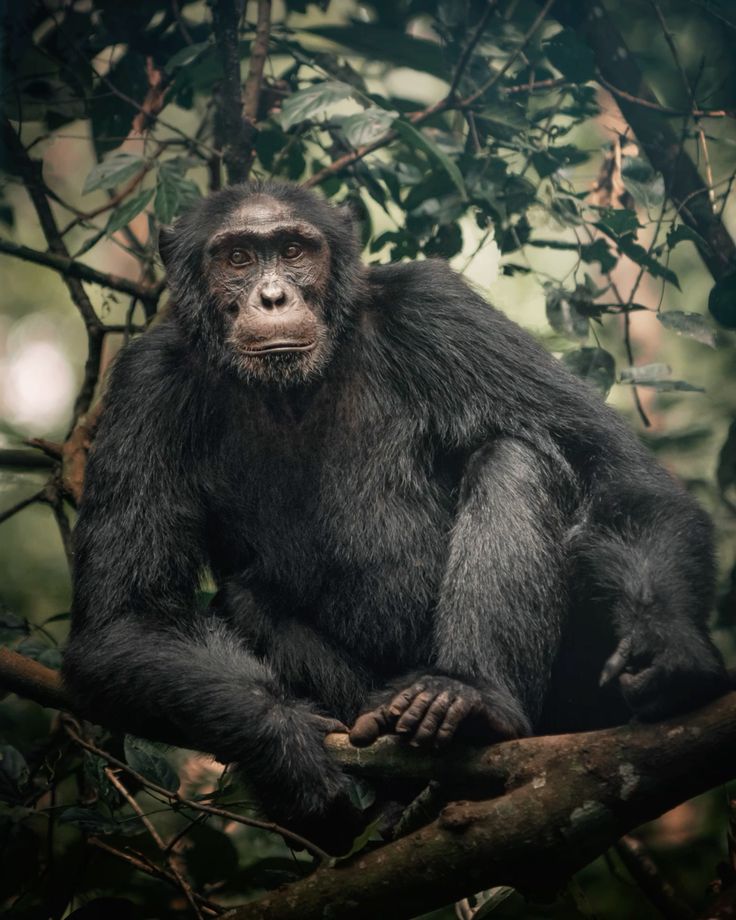
Chimpanzee trekking is one of East Africa’s most immersive wildlife experiences. Whether you’re heading to Uganda’s Kibale Forest, Kyambura Gorge, Kalinzu Forest, Budongo Forest, or Rwanda’s Nyungwe National Park, it’s essential to understand the age restrictions before planning your trip. In this guide, we answer the most common questions related to age limits for chimpanzee trekking safaris, and explain why these regulations exist. Age Limit for Chimpanzee Trekking Safaris
What is the minimum age for chimpanzee trekking in Uganda?
The minimum age for chimpanzee trekking in Uganda is 12 years. This rule is enforced by the Uganda Wildlife Authority (UWA) and applies to all chimpanzee trekking destinations in the country, including: Age Limit for Chimpanzee Trekking Safaris
- Kibale Forest National Park
- Kyambura Gorge (Queen Elizabeth National Park)
- Budongo Forest (Murchison Falls National Park)
- Kalinzu Forest Reserve
These age restrictions help to ensure the safety of both visitors and the chimpanzees. Children younger than 12 may find the terrain and trekking duration too strenuous and unpredictable behavior may disrupt the primates.
Why is there an age limit for chimpanzee trekking?
Chimpanzees are intelligent and sensitive animals that can be easily stressed by loud noises, sudden movements, or unpredictable behavior. The age limit is based on the assumption that children below a certain age may have difficulty remaining quiet or composed during close wildlife encounters.
Additionally, chimpanzee trekking can involve:
- Long walks through dense forests
- Uneven and sometimes slippery terrain
- Varying weather conditions
- Close interactions with wild animals
For safety and conservation reasons, wildlife authorities aim to minimize any risk to both the visitors and the primates. Children under 12 may also lack the physical fitness and maturity required for a responsible trekking experience.
Is the age limit for chimpanzee trekking strictly enforced in Uganda?
Yes, the age limit is strictly enforced. Visitors are required to present valid identification (such as a passport) at the time of booking and again at the park offices before the trek. If a child is below the age of 12, they will not be allowed to participate—even if a permit has been purchased.
Tour operators and guides emphasize the importance of adhering to this rule. This ensures compliance with conservation policies and avoids disappointment at the park entrance.
What is the age limit for chimpanzee trekking in Rwanda?
In Rwanda, the minimum age for chimpanzee trekking in Nyungwe National Park is also 12 years. Like Uganda, Rwanda follows strict conservation guidelines that restrict access to young children for their own safety and the well-being of the chimpanzees.
Nyungwe Forest is a montane rainforest characterized by steep slopes, thick vegetation, and high altitudes. Trekking here demands stamina, attentiveness, and discipline, which can be challenging for children under 12.
Can exceptions be made for children under 12?
Generally, no exceptions are allowed. Conservation authorities prioritize the safety of the animals and the group, and the rules are non-negotiable. Even if a child appears physically fit or mature for their age, the policy still stands.
In rare cases, a private chimpanzee experience might be considered for slightly younger children who are close to the age limit (such as 11), but only with written approval and under specific conditions. This is not a guaranteed option and should never be relied on during trip planning.
Are there chimpanzee-related activities for younger children?
Yes. If you’re traveling with children under 12, there are alternative activities that can still be fun and educational:
- Forest walks with naturalists that explore birds, insects, and plant life (non-primate-focused)
- Cultural village visits near Kibale and Nyungwe
- Butterfly and nature trails in Kalinzu or Bigodi Wetland Sanctuary
- Boat safaris or game drives in Queen Elizabeth or Murchison Falls National Park
These activities are suitable for children and offer rich experiences without the intensity of a primate trek.
How does chimpanzee habituation differ in terms of age limits?
Chimpanzee habituation experiences, which allow visitors to spend longer periods observing chimpanzees as they adapt to human presence, are also restricted to individuals 12 years and older. In Uganda, habituation is mostly available in Kibale Forest, and participants join researchers and trackers for extended observation sessions that may last 4–6 hours. Age Limit for Chimpanzee Trekking Safaris
Because of the length and physical demands of habituation, the age restriction is even more strictly observed.
What should families consider when planning a chimpanzee safari?
If your family includes younger children, it’s best to:
- Split activities – One parent or guardian can do the chimp trek while the other joins the child in an alternate activity nearby.
- Work with a family-friendly tour operator – They can arrange custom itineraries that blend adult activities with engaging experiences for younger kids.
- Plan for group flexibility – Not everyone has to trek together; tour companies can tailor experiences to different age groups.
- Ensure accommodations are family-friendly – Some lodges near chimpanzee trekking parks offer babysitting services or child-friendly excursions.
Can teens over 12 enjoy chimpanzee trekking?
Absolutely. Teenagers over the age of 12 who are physically fit and curious about wildlife often find chimpanzee trekking to be one of the most thrilling parts of their trip. They learn not only about chimpanzee behavior but also about conservation efforts and forest ecology. It’s an enriching experience that appeals to both young and mature minds. Age Limit for Chimpanzee Trekking Safaris
Which park is best for chimpanzee trekking with teens?
Kibale Forest National Park in Uganda is ideal for families with teenagers. It has the highest chimpanzee population density in East Africa and offers well-established trekking paths, informative guides, and nearby attractions like the Bigodi Wetland Sanctuary.
Other good options include:
- Nyungwe National Park (Rwanda) – Offers canopy walks and forest hikes
- Kalinzu Forest Reserve (Uganda) – Budget-friendly and accessible
- Budongo Forest (Uganda) – Close to Murchison Falls for a combined wildlife and primate experience
Understanding Age Limits Is Key to Responsible Travel
Chimpanzee trekking is a privilege that comes with the responsibility of respecting rules designed to protect the primates, their habitats, and the people who visit. The age limit of 12 years is a universal policy in Uganda and Rwanda and helps ensure a meaningful, safe, and conservation-conscious experience.
If you’re traveling with younger children, don’t worry East Africa still offers plenty of wildlife, cultural, and adventure experiences they can enjoy. And when your kids grow older, chimpanzee trekking can become a thrilling family milestone worth the wait. Age Limit for Chimpanzee Trekking Safaris
Planning ahead, choosing the right destination, and respecting park rules will allow you to fully immerse in one of the most powerful primate experiences on the continent.