- CONTACT US NOW:
- +256 784 928 080
- info@abundadiscoveriesuganda.com

Birdwatching Hotspots in Uganda
What to consider on a gorilla trekking
August 14, 2025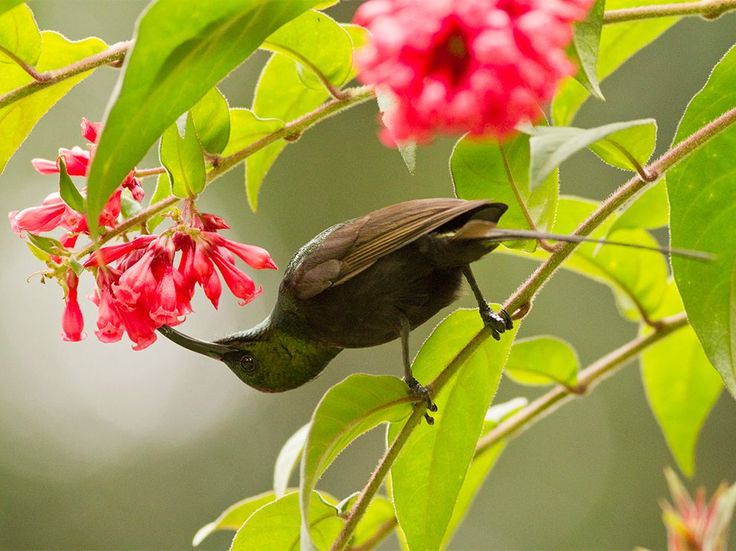
Birdwatching Hotspots in Rwanda
August 15, 2025
Uganda is one of the richest birding destinations in Africa, home to over 1,070 recorded bird species, which account for approximately half of Africa’s bird species and roughly 11% of the world’s total. This incredible diversity is possible thanks to Uganda’s varied habitats—ranging from tropical rainforests and high-altitude mountains to vast savannas and extensive wetland systems. Whether you are an experienced birder or a beginner with a keen interest in nature, Uganda offers some of the most rewarding birdwatching experiences on the planet. Birdwatching Hotspots in Uganda
Where is the best place to see the Shoebill Stork in Uganda?
The Shoebill Stork is one of the most sought-after birds in Uganda, famous for its prehistoric appearance and massive shoe-shaped bill. While sightings can happen in various wetlands, Mabamba Swamp (Mabamba Bay) is the most reliable location. Situated on the northern shores of Lake Victoria, Mabamba is about an hour’s drive from Entebbe, followed by a canoe excursion through channels lined with papyrus reeds. Here, birders can spot Shoebills fishing quietly, often standing motionless for long periods. Other notable species in Mabamba include the Papyrus Gonolek, Malachite Kingfisher, African Jacana, and Blue Swallow. The wetland is a Ramsar site, emphasizing its global conservation importance. Birdwatching Hotspots in Uganda
Which national park in Uganda has the most bird species?
Queen Elizabeth National Park holds the record for the highest bird species count in Uganda, with over 600 recorded species. The park’s diverse habitats—open savanna, dense forest, wetlands, and lakeshores—allow a wide range of birdlife to thrive. The Kazinga Channel boat cruise is a must-do for spotting water birds such as African Skimmer, African Open-billed Stork, and Great White Pelican. The Maramagambo Forest within the park offers sightings of forest species like the Forest Flycatcher and White-naped Pigeon. Birding here is excellent year-round, though migratory species boost numbers between November and April.
What is the best time for birdwatching in Uganda?
Uganda offers birdwatching opportunities year-round due to its equatorial climate, but the optimal months are December to February and June to August. These periods have less rainfall, making forest trails easier to navigate and offering better visibility. Migratory species from Europe and Asia arrive between October and April, adding diversity to sightings. However, certain species, such as the Shoebill, are best seen during the dry season when water levels drop and prey becomes concentrated.
Which wetlands in Uganda are Ramsar-listed for bird conservation?
Uganda has several Ramsar-listed wetlands critical for birdlife conservation:
- Mabamba Bay Wetland – Home to the Shoebill and numerous papyrus specialists.
- Lake Opeta Wetland System – Habitat of Fox’s Weaver, Uganda’s only endemic bird species.
- Lake Nakuwa Wetland System – Supports large numbers of waterfowl and acts as a breeding ground for many migratory birds.
- Nabajjuzi Wetland – Known for the Grey Crowned Crane, Uganda’s national bird.
These wetlands are not only birding hotspots but also play a vital role in flood control, water purification, and supporting local livelihoods.
Where can you find Albertine Rift endemic birds in Uganda?
Albertine Rift endemic species are found primarily in southwestern Uganda’s montane forests. Bwindi Impenetrable National Park is the leading site, with over 23 Albertine Rift endemics such as the African Green Broadbill, Grauer’s Rush Warbler, and Rwenzori Batis. Mgahinga Gorilla National Park and the Rwenzori Mountains National Park also host high-altitude specialists like Rwenzori Turaco and Blue-headed Sunbird. These birds are restricted to the Albertine Rift, making Uganda one of the few places in the world to see them.
Which parks combine birdwatching with other wildlife activities?
Several parks allow visitors to blend birdwatching with other unique experiences:
- Bwindi Impenetrable National Park – Birding and gorilla trekking in the same location.
- Murchison Falls National Park – Birding on the Nile combined with game drives to see elephants, lions, and giraffes.
- Lake Mburo National Park – Birding alongside boat rides, horseback safaris, and cycling tours.
- Kibale National Park – Birding and chimpanzee tracking in one trip.
This combination approach makes Uganda particularly appealing to travelers looking for a diverse wildlife experience.
What makes Murchison Falls National Park a top birdwatching destination?
Murchison Falls National Park, the largest in Uganda, boasts over 450 bird species. The Victoria Nile cuts through the park, creating prime habitats for water birds. The Nile Delta is especially productive, with regular sightings of the Shoebill, Goliath Heron, and Pel’s Fishing Owl. Woodland and savanna areas host species like the Red-throated Bee-eater and Northern Carmine Bee-eater. The dramatic Murchison Falls themselves create a unique microhabitat that supports specialized bird life.
Why is Bwindi Impenetrable National Park important for birdwatchers?
Bwindi is one of Africa’s most biodiverse forests, with over 350 recorded bird species. Many of these are forest specialists, including 23 Albertine Rift endemics. The park’s Buhoma and Ruhija sections are top birding areas, offering sightings of the Black-billed Turaco, Bar-tailed Trogon, and Dusky Crimsonwing. Bwindi is also a UNESCO World Heritage Site, recognized for both its avian diversity and its population of endangered mountain gorillas. Birdwatching Hotspots in Uganda
What birds can you see in Kibale National Park and Bigodi Wetlands?
Kibale National Park is a prime destination for forest birding, with over 375 species. The Green-breasted Pitta, considered one of Africa’s most desirable sightings, is a major draw. Other species include the Black Bee-eater, Yellow-spotted Barbet, and Nahan’s Partridge. Nearby Bigodi Wetlands Sanctuary extends the range of habitats and is excellent for seeing papyrus and swamp specialists like the White-winged Warbler and Papyrus Canary.
Why is Semuliki National Park special for birdwatchers?
Semuliki National Park is a unique lowland tropical forest, part of the Congo Basin ecosystem, and contains bird species rarely seen elsewhere in East Africa. With over 440 species, highlights include the Congo Serpent Eagle, Nkulengu Rail, and Long-tailed Hawk. The park’s Sempaya Hot Springs area offers excellent access to canopy-dwelling species.
What makes Lake Mburo National Park a good birding location?
Lake Mburo is one of Uganda’s smallest parks but packs a big punch for birdwatching. With over 315 species, it is the only place in Uganda to reliably see the Red-faced Barbet. The lake and its surrounding wetlands host African Finfoot, White-winged Warbler, and various herons. The park’s mosaic of acacia woodland and open grassland attracts raptors such as the Bateleur and Martial Eagle.
Where can you see Uganda’s only endemic bird species?
The Fox’s Weaver is Uganda’s only endemic bird species, found in Lake Opeta and the surrounding wetland systems. This small, golden-yellow weaver prefers seasonal floodplains and swampy grasslands. The area is also rich in other wetland species, making it an important birding destination for serious birders.
Which birding sites are easiest to access from Kampala or Entebbe?
- Mabamba Swamp – 1–1.5 hours from Entebbe, ideal for half-day or full-day trips.
- Mabira Forest – About an hour east of Kampala, known for forest species like the Purple-throated Cuckooshrike.
- Entebbe Botanical Gardens – Excellent for beginners, with a mix of lake shore and woodland species.
These sites allow quick access without requiring multi-day trips, making them perfect for travelers on a tight schedule.
Final Thoughts
Uganda’s birdwatching scene is unmatched in Africa for species diversity, habitat variety, and accessibility. From tracking the prehistoric Shoebill in Mabamba to exploring the misty highlands of Bwindi for Albertine Rift endemics, every birding excursion offers new and exciting discoveries. By combining birdwatching with other wildlife and cultural experiences, Uganda provides a uniquely rich and rewarding adventure for nature enthusiasts.Birdwatching Hotspots in Uganda