- CONTACT US NOW:
- +256 784 928 080
- info@abundadiscoveriesuganda.com

Camping safaris in Uganda

Gorilla Families in Rushaga
September 12, 2025
Camping Safaris in Rwanda
September 12, 2025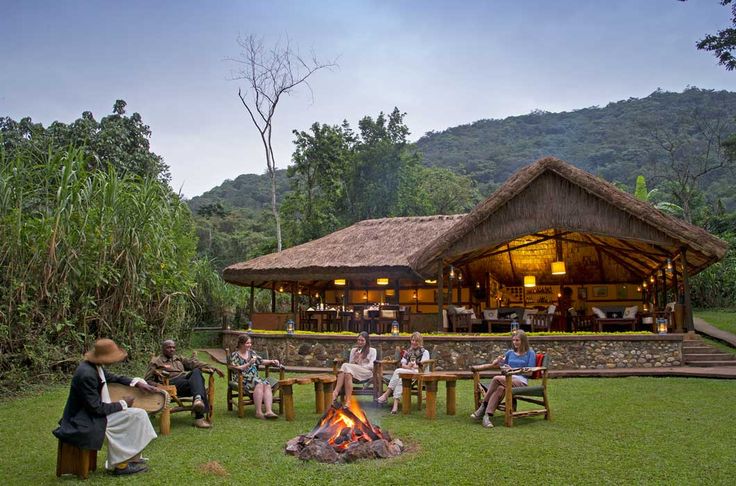
Camping safaris in Uganda provide travelers with a unique opportunity to explore the country’s incredible landscapes, diverse wildlife, and rich cultural heritage. Unlike lodge-based safaris, camping brings visitors closer to nature by allowing them to spend nights in tents within or near national parks. This form of safari is increasingly popular among both budget travelers and adventure enthusiasts because it combines affordability, adventure, and the raw experience of being in the wilderness.
What are camping safaris in Uganda?
Camping safaris in Uganda are adventure tours where visitors stay in tents instead of lodges or hotels while exploring the country’s national parks and reserves. Campers use designated campsites that range from basic bush camps with pit latrines to organized campgrounds with running water, cooking areas, and security.
These safaris allow travelers to immerse themselves fully in Uganda’s natural environment, often waking up to the sounds of wildlife such as birds, hippos, or hyenas. Camping safaris are flexible, with both self-drive options and guided tours available.
Why choose a camping safari in Uganda?
Many travelers choose camping safaris in Uganda because they provide an affordable and adventurous alternative to lodge-based safaris. They allow visitors to reduce accommodation costs while maximizing time in national parks.
Camping also offers a closer connection to nature. Sleeping under canvas gives travelers a raw and authentic safari feel. For photographers and wildlife enthusiasts, camping safaris provide opportunities to experience wildlife both day and night, making the trip more rewarding.
Where can you go for camping safaris in Uganda?
Uganda has several camping destinations spread across its protected areas, lakeshores, and forests. Some of the most popular include:
- Bwindi Impenetrable National Park – for gorilla trekking and forest camping.
- Murchison Falls National Park – for wildlife safaris and Nile River views.
- Queen Elizabeth National Park – for game drives and crater lake scenery.
- Kidepo Valley National Park – for remote and wild camping experiences.
- Lake Mburo National Park – for short camping trips near Kampala.
These destinations combine wildlife viewing with scenic beauty, making them ideal for campers.
Which national parks in Uganda offer camping safaris?
Most of Uganda’s 10 national parks offer camping facilities. The most common camping parks include:
- Murchison Falls National Park
- Queen Elizabeth National Park
- Kidepo Valley National Park
- Lake Mburo National Park
- Bwindi Impenetrable National Park
Each park has designated campsites, some managed by Uganda Wildlife Authority (UWA) and others run by private operators. Campers must book campsites in advance, especially during peak tourism months.
What wildlife can you see on a camping safari in Uganda?
Uganda’s camping safaris provide opportunities to see a wide variety of wildlife. Depending on the park, campers may encounter:
- The Big Five – lions, elephants, leopards, buffalos, and rhinos.
- Mountain gorillas – in Bwindi Impenetrable National Park.
- Chimpanzees and primates – in Kibale Forest and Budongo Forest.
- Hippos, crocodiles, and aquatic species – along rivers and lakes.
- Over 1,000 bird species – making Uganda a prime birdwatching destination.
Wildlife sightings often extend to the campsite itself, where animals such as hyenas, bushbucks, and baboons may roam nearby.
What types of camping safaris are available in Uganda?
There are several types of camping safaris in Uganda to suit different preferences:
- Budget camping safaris – tents and basic camping gear with shared facilities.
- Luxury camping (glamping) – large furnished tents with beds, bathrooms, and extra amenities.
- Mobile camping safaris – tents set up at different locations as the safari progresses.
- Self-drive camping safaris – visitors drive themselves, carrying gear and supplies.
- Guided camping safaris – professional guides organize the safari, set up camp, and provide equipment.
This variety ensures camping safaris cater to both budget and luxury travelers.
What facilities are available at camping sites in Uganda?
Facilities at Ugandan campsites vary depending on location. Standard UWA campsites often include:
- Basic washrooms and showers.
- Fireplaces for cooking.
- Security provided by park rangers.
Private campsites or luxury glamping sites may offer:
- Furnished tents with bedding.
- Running water and flush toilets.
- Restaurants and bar services.
- Solar lighting and charging stations.
Travelers should confirm available facilities before booking to ensure they match their needs.
What is the cost of camping safaris in Uganda?
The cost of camping safaris in Uganda depends on the type of camping chosen.
- Budget camping: USD 50–100 per night including equipment rental.
- Mid-range camping: USD 100–200 per night with more comfort.
- Luxury camping: USD 300+ per night for fully serviced glamping.
In addition to accommodation, visitors must also budget for park entry fees (USD 45 for most parks per day), permits such as gorilla trekking (USD 800), and meals.
How safe are camping safaris in Uganda?
Camping safaris in Uganda are generally safe when organized properly. Campsites inside national parks are usually guarded by rangers. Travelers are advised to follow safety rules such as:
- Do not leave food exposed, as it may attract animals.
- Stay inside tents at night unless accompanied.
- Always follow the instructions of guides or rangers.
With proper precautions, camping safaris are secure and enjoyable.
Do you need permits for camping safaris in Uganda?
Permits are required depending on the activities combined with camping. For example:
- Gorilla trekking permits – USD 800.
- Chimpanzee trekking permits – USD 250.
- Park entry permits – USD 45 per person per day.
Camping itself may require a small campsite fee, usually paid to UWA or the private operator.
What is the best time for camping safaris in Uganda?
The best time for camping safaris is during the dry seasons:
- June to September
- December to February
These months have less rainfall, making roads accessible and campsites dry. The rainy seasons (March–May and October–November) can make camping difficult due to mud and slippery trails, but they offer lush landscapes and fewer crowds.
How do you prepare for a camping safari in Uganda?
Preparation is key for a successful camping safari. Visitors should:
- Book permits and campsites in advance.
- Arrange transport, either guided or self-drive.
- Hire or pack quality camping gear.
- Research park rules and weather conditions.
Travelers should also ensure they have the necessary vaccinations, travel insurance, and cash for park fees.
What should you pack for a camping safari in Uganda?
Essential items for camping safaris in Uganda include:
- A quality tent and sleeping bag.
- Mosquito repellent and insect protection.
- Sturdy hiking boots and comfortable clothing.
- Flashlights or headlamps.
- Cooking equipment if self-catering.
- Binoculars and cameras for wildlife viewing.
Packing light but efficiently ensures comfort and readiness for all conditions.
Can you combine camping safaris with other activities in Uganda?
Yes. Camping safaris can be combined with a wide range of activities, including:
- Gorilla trekking in Bwindi.
- Chimpanzee tracking in Kibale.
- Game drives and boat safaris in Murchison Falls or Queen Elizabeth.
- Birdwatching across Uganda’s parks.
- Cultural encounters with local communities.
This flexibility makes camping safaris ideal for diverse travel itineraries.
What rules and guidelines should campers follow in Uganda’s national parks?
To protect wildlife and ensure safety, campers must follow rules such as:
- Do not feed wild animals.
- Keep noise levels low.
- Do not litter in campsites.
- Respect park opening and closing hours.
- Follow instructions from guides and rangers.
These rules help maintain the natural environment and ensure sustainable tourism.
Are there guided camping safaris in Uganda?
Yes. Many tour operators in Uganda offer guided camping safaris. These safaris include transport, guides, camping equipment, and meals. Guided safaris are recommended for first-time campers because they provide safety, comfort, and expertise.
How do camping safaris in Uganda compare with lodge safaris?
Camping safaris are more affordable and adventurous compared to lodge safaris. They bring travelers closer to nature, while lodge safaris offer more comfort and luxury.
Campers trade convenience for immersion, whereas lodge guests enjoy amenities like hot showers, restaurants, and soft beds. Both options provide excellent wildlife experiences, but camping is ideal for adventurous travelers.
Can families and children take part in camping safaris in Uganda?
Families and children can take part in camping safaris, but safety and comfort should be considered. Parks with well-equipped campsites and security are better suited for family camping.
Some activities, such as gorilla trekking, have age restrictions (15 years and above), so families should plan accordingly.
Are there luxury camping safaris in Uganda?
Yes. Luxury camping, also known as glamping, is available in Uganda. These camps feature large furnished tents with beds, private bathrooms, fine dining, and personalized services. Glamping combines the adventure of camping with the comfort of luxury lodges.
What cultural experiences can you enjoy on a camping safari in Uganda?
Camping safaris often include cultural activities such as:
- Visiting Batwa pygmy communities near Bwindi.
- Experiencing Karamojong culture near Kidepo Valley.
- Learning traditional music, dance, and crafts from local villages.
These experiences add cultural depth to wildlife adventures.
Final Thoughts
Camping safaris in Uganda offer travelers a rare chance to experience the country’s national parks in an adventurous and affordable way. With options ranging from budget bush camping to luxury glamping, every type of traveler can find a suitable safari. By combining camping with activities like gorilla trekking, game drives, and cultural tours, Uganda becomes one of the most rewarding camping destinations in Africa.


