- CONTACT US NOW:
- +256 784 928 080
- info@abundadiscoveriesuganda.com

Camping Safaris in Uganda

Rwanda budget gorilla tours.
August 13, 2025
A Wildebeest River Crossing in the Serengeti
August 13, 2025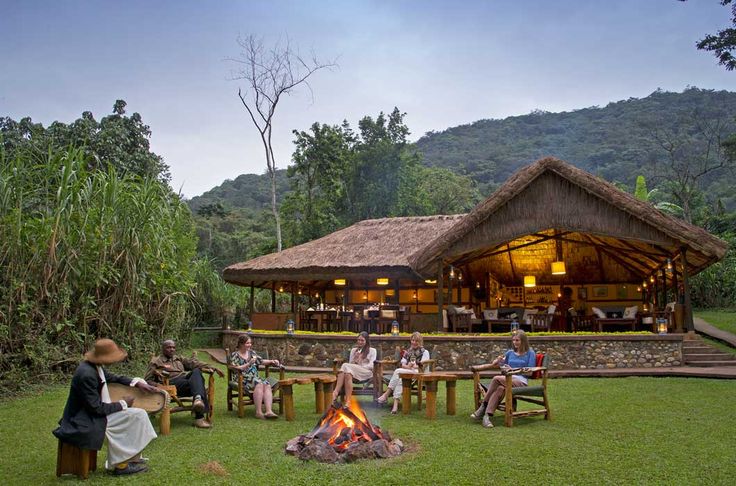
Uganda is a country blessed with incredible wildlife, lush landscapes, and welcoming people. One of the most immersive ways to experience its beauty is through camping safaris. Unlike traditional lodge-based safaris, camping safaris allow travelers to connect more closely with nature, enjoy budget-friendly adventures, and witness the African wilderness under a blanket of stars. This detailed guide covers everything from the best camping safari destinations in Uganda to costs, safety tips, equipment, and booking options. Camping Safaris in Uganda.
What are the best camping safari destinations in Uganda?
Uganda offers a variety of national parks and reserves where camping is permitted, each with unique wildlife and scenery.
- Murchison Falls National Park – Famous for the world’s most powerful waterfall and excellent game viewing, this park offers riverside campsites where you can hear hippos at night.
- Queen Elizabeth National Park – Known for tree-climbing lions and diverse birdlife, with several designated camping areas inside and outside the park.
- Lake Mburo National Park – Ideal for short camping safaris, offering zebra, impala, and guided walking safaris.
- Kidepo Valley National Park – Remote and wild, with breathtaking landscapes and large herds of buffalo.
- Bwindi Impenetrable National Park – While camping inside the gorilla trekking zones is restricted, there are budget campsites nearby that allow trekkers to stay close to the action.
Each destination has official campsites managed by Uganda Wildlife Authority (UWA) or private operators, offering basic facilities such as toilets, showers, and cooking areas.
How much does a camping safari cost in Uganda?
Camping safaris in Uganda can be surprisingly affordable compared to lodge-based trips. Costs depend on the park, equipment, and whether you choose a self-drive or guided safari.
- Camping fees: UWA-managed campsites charge around USD 5–15 per person per night for basic sites.
- Park entry fees: Foreign non-residents typically pay USD 40 per person per day in major parks.
- Equipment rental: Tents and gear rental can cost USD 5–20 per day, depending on quality.
- Transport costs: Self-drive rentals start at USD 70 per day for a basic 4×4, while guided tours may include transport in the package price.
Overall, a budget camping safari can start from USD 100 per person per day, including camping, park entry, meals, and transport.
Can you camp inside Uganda’s national parks?
Yes, camping inside national parks is allowed in designated areas managed by UWA. These campsites are usually located near ranger posts for security. Facilities range from very basic (pit latrines and no electricity) to semi-serviced sites with running water and showers. Some parks also allow “special camping” where travelers set up in remote areas with prior permission, often accompanied by armed rangers.
Camping inside the park gives travelers early access to game drives and the chance to hear nocturnal wildlife sounds, making the safari experience more authentic.
What equipment do you need for a camping safari in Uganda?
For a comfortable and safe camping safari, you need both camping gear and personal essentials:
- Camping Gear: Tent (preferably waterproof), sleeping bag, sleeping mat or inflatable mattress, cooking equipment, portable stove, utensils, headlamp or flashlight, water storage container.
- Clothing: Lightweight, breathable clothing for the day, warm clothes for cold nights, sturdy hiking boots, rain jacket, and hat.
- Other Essentials: First-aid kit, insect repellent, sunscreen, binoculars, reusable water bottle, and dry bags for electronics.
Travelers without their own equipment can rent from safari companies or specialized camping gear providers in Kampala or Entebbe.
Is it safe to go on a camping safari in Uganda?
Camping safaris in Uganda are safe when you follow park regulations and camp in designated areas. UWA rangers patrol the campsites, and most parks require visitors to be accompanied by a guide during game drives or walks.
Safety tips include:
- Do not wander from the campsite at night.
- Store food securely to avoid attracting wildlife.
- Always follow the instructions of your guide or ranger.
- Check weather conditions before setting up camp.
Insects such as mosquitoes are common, so use mosquito nets and insect repellent.
Can I rent camping gear in Uganda?
Yes, camping gear rental is available in Uganda, especially in Kampala, Entebbe, and near major national parks. Many safari operators offer fully equipped vehicles with rooftop tents, cooking sets, and refrigerators for self-drive camping safaris. Rental costs vary by quality and duration, but most packages include tents, bedding, and basic kitchen equipment.
What is the best time for camping safaris in Uganda?
The best time for camping safaris is during the dry seasons:
- December to February – Warm and dry with excellent wildlife viewing.
- June to September – Dry and cooler, ideal for longer safaris.
Camping during the wet seasons (March–May and October–November) is possible but can be challenging due to muddy roads and higher rainfall. However, wet season camping often comes with fewer crowds and lower rates.
Are guided camping safaris available in Uganda?
Yes, many tour companies offer guided camping safaris, which include a driver-guide, camping gear, meals, and park fees. Guided safaris are ideal for travelers unfamiliar with Ugandan roads or wildlife behavior. Guides also enhance the experience by sharing local knowledge about animals, plants, and culture.
Can you do self-drive camping safaris in Uganda?
Self-drive camping safaris are popular among independent travelers. You can rent a 4×4 vehicle equipped with camping gear and explore Uganda’s parks at your own pace. Self-driving offers flexibility in itinerary and budget, but it requires careful route planning, knowledge of park regulations, and readiness for off-road driving.
Which national parks allow camping in Uganda?
The main parks that allow camping include:
- Murchison Falls National Park
- Queen Elizabeth National Park
- Lake Mburo National Park
- Kidepo Valley National Park
- Mount Elgon National Park
- Bwindi Impenetrable National Park (nearby sites only)
Each park has designated campsites with varying facilities.
How do you book a camping safari in Uganda?
You can book directly with Uganda Wildlife Authority for official park campsites or through a tour operator for a full package that includes camping, transport, and guiding. For self-drive safaris, book both your vehicle and campsite in advance, especially during peak seasons.
What wildlife can you see on a camping safari in Uganda?
Uganda’s camping safaris offer the chance to see a wide variety of wildlife, including elephants, lions, leopards, giraffes, hippos, crocodiles, zebras, buffalo, and over 1,000 bird species. In certain parks, you can also see unique species like tree-climbing lions and shoebill storks.
Are there luxury tented camps in Uganda?
Yes, for travelers who want the camping experience with extra comfort, luxury tented camps are available in several parks. These offer large canvas tents with proper beds, private bathrooms, and full-service dining. Examples include Baker’s Lodge (Murchison Falls) and Ishasha Wilderness Camp (Queen Elizabeth National Park).
Can you combine gorilla trekking with camping in Uganda?
Yes, you can combine gorilla trekking in Bwindi Impenetrable National Park with camping at nearby budget sites. While camping inside gorilla trekking zones is restricted, many lodges and campsites around Buhoma, Ruhija, and Rushaga offer affordable camping options.
What are the rules for camping in Uganda’s national parks?
Rules include:
- Camp only in designated areas.
- Do not feed or disturb wildlife.
- Keep noise levels low to avoid scaring animals.
- Dispose of waste properly or pack it out.
- Follow fire safety regulations.
Breaking park rules can result in fines or removal from the park.
Conclusion
Camping safaris in Uganda are a fantastic way to experience the country’s wildlife, landscapes, and culture while keeping costs manageable. Whether you choose a self-drive adventure, a guided camping safari, or luxury tented accommodation, Uganda’s national parks offer unforgettable camping experiences for every traveler.


