- CONTACT US NOW:
- +256 784 928 080
- info@abundadiscoveriesuganda.com

East Africa Safari Cost 2027: Ultimate Guide to Affordable & Luxury Prices

Uganda Luxury Safari Packages: 9 Amazing Experiences for an Unforgettable Trip
September 7, 2026
Uganda and Rwanda Combined Safari: 9 Amazing Experiences You Should Not Miss
September 7, 2026
East Africa Safari Cost 2027: Ultimate Guide to Affordable & Luxury Prices
Planning a safari in East Africa is exciting, but one of the first questions most travelers ask is, how much will an East Africa safari cost in 2027? The answer depends on where you go, how long you stay, the type of accommodation you choose, your transportation arrangements and the activities included in your itinerary.
Uganda, Kenya, Tanzania and Rwanda all offer very different safari experiences. A traveler visiting the Serengeti during a busy wildlife season may have a very different budget from someone exploring Uganda’s national parks and forests. Likewise, a private luxury safari with exclusive camps and domestic flights can cost several times more than a shared road safari.
For 2027, a useful starting point is around $150–$300 per person per day for budget travel, $300–$700 for a comfortable mid-range safari, and $700–$1,500 or more for luxury travel. These are planning ranges rather than fixed quotations because safari prices change according to dates, availability, accommodation and itinerary.
A seven-day safari can therefore cost roughly $1,500–$5,000 per person for many budget and mid-range itineraries, while premium private journeys can move beyond $7,000 or even $10,000 per person.
Gorilla trekking requires a separate budget consideration because trekking permits represent a substantial part of the overall trip price. Rwanda currently lists its international gorilla permit at $1,500 per person, while Uganda’s current UWA tariff lists the foreign non-resident gorilla tracking permit at $800 per person.
This guide breaks down the East Africa safari cost for 2027 and explains what travelers should expect to pay in Uganda, Kenya, Tanzania and Rwanda.
East Africa Safari Prices at a Glance
The easiest way to start planning is to establish a realistic daily budget.
| Safari category | Approximate cost per person/day | Approximate 7-day budget |
|---|---|---|
| Budget safari | $150–$300 | $1,050–$2,100 |
| Mid-range safari | $300–$700 | $2,100–$4,900 |
| Luxury safari | $700–$1,500+ | $4,900–$10,500+ |
| Gorilla-focused safari | $600–$1,500+ | $2,000–$5,000+ |
| High-end private safari | $1,000–$2,500+ | $7,000–$17,500+ |
These figures are intended for 2027 travel planning. They are not guaranteed tour prices. The final quotation can change according to the number of travelers, season, park fees, accommodation category, vehicle type and activities.
For example, Kenya Wildlife Service currently describes safari packages as varying according to itinerary and luxury level, with published examples ranging from approximately $70 to $400 per person per night for certain safari arrangements.
What Does a 7-Day Safari Cost?

Tracking and Wildlife Safari
A week is long enough to experience several wildlife areas without making the itinerary excessively tiring.
A budget-conscious traveler may spend approximately $1,500–$2,200 per person for seven days when using practical accommodation, shared transportation and a carefully selected route.
For a more comfortable experience, approximately $2,500–$5,000 per person is a useful planning range. This level can provide better accommodation, private or small-group transportation, professional guiding and a more flexible itinerary.
Luxury travelers should consider at least $5,000 per person, with highly customized journeys potentially exceeding $10,000.
The biggest mistake is assuming that the number of days alone determines the price. Seven nights at basic lodges can cost considerably less than seven nights at exclusive safari camps.
Budget Safaris: What Do You Get?
Budget travel does not mean that you cannot enjoy excellent wildlife experiences.
A well-designed economical safari normally focuses on keeping unnecessary expenses under control. Travelers may use shared vehicles, modest lodges or camps and a route that minimizes long transfers.
Accommodation may be comfortable but will generally provide fewer luxury services. Meals are often included, while drinks, laundry and personal purchases remain the responsibility of the traveler.
Budget safaris work particularly well for younger travelers, backpackers, students, solo adventurers and visitors who would rather spend more time in national parks than on premium accommodation.
The most important consideration is choosing a reputable operator that does not compromise safety, vehicle quality or professional guiding simply to offer a low price.
Mid-Range Safaris: The Best Balance for Many Travelers
For couples, families and small groups, mid-range travel often provides the best balance between comfort and price.
Travelers can expect comfortable lodges, quality meals, professional driver-guides and well-maintained safari vehicles. Depending on the itinerary, private transportation may also be available.
This category is particularly suitable for first-time visitors who want an enjoyable safari without paying for the most exclusive camps.
A mid-range safari also provides room to customize the trip. Instead of upgrading every night, travelers can choose one or two special accommodation properties while using good-value lodges for the remainder of the itinerary.
Luxury Safaris: Why Prices Rise Quickly

Luxury safaris are not simply standard safaris with more expensive rooms.
The higher price can include private vehicles, specialist guides, exclusive camps, remote locations, premium meals, domestic flights, private transfers and highly personalized service.
Some luxury properties are located inside or very close to major wildlife areas, reducing the amount of time spent traveling between accommodation and game-viewing locations.
Private air transfers can also dramatically increase the final bill. Travelers who want helicopter transfers, charter aircraft, private photographic guides or exclusive-use camps should expect a substantially higher budget.
For honeymooners and travelers celebrating major occasions, however, the additional cost may be worthwhile because the experience becomes much more private and personalized.
Uganda Safari Prices for 2027
Uganda offers one of the most diverse safari experiences in East Africa. Visitors can combine savannah wildlife with chimpanzee tracking, mountain gorilla trekking, boat cruises, birdwatching and cultural experiences.
A general East Africa safari cost comparison shows Uganda can be attractive for travelers who want several types of experiences within one trip.
For planning purposes, consider approximately $150–$300 per person per day for budget travel, $300–$600 for mid-range travel, and $600–$1,500+ for luxury itineraries.
The actual cost depends heavily on whether gorilla trekking is included.
Uganda’s current UWA tariff lists the foreign non-resident gorilla tracking permit at $800 per person and the gorilla habituation experience at $1,500 per person. UWA also publishes its conservation tariffs and permit guidance for travelers and operators.
You can read more about Uganda’s conservation and community tourism through the Uganda Wildlife Authority.
Popular destinations include Bwindi Impenetrable National Park, Mgahinga Gorilla National Park, Queen Elizabeth National Park, Kibale National Park, Murchison Falls National Park, Kidepo Valley National Park and Lake Mburo National Park.
For travelers interested in gorillas and wildlife, Uganda is particularly appealing because the same itinerary can combine forest trekking with traditional game viewing.
Kenya Safari Prices for 2027
Kenya remains one of the strongest choices for travelers looking for classic African safari scenery.
The Maasai Mara is perhaps the country’s most famous wildlife destination, but travelers can also visit Amboseli, Tsavo, Lake Nakuru, Samburu and other wildlife areas.
A practical 2027 planning range is approximately $150–$300 per person per day for budget travel, $300–$700 for mid-range travel, and $700–$1,500+ for luxury travel.
Park and conservation fees can form a significant part of the total package. Kenya Wildlife Service currently publishes different fees according to park category and visitor type. For example, its current published tariff lists different non-resident charges for premium parks, wilderness parks and other protected areas.
Travelers booking package safaris should also confirm whether park entry charges have already been included. Kenya Wildlife Service states that on package tours, park entry fees are normally incorporated into the overall safari cost by the tour operator.
For official information, travelers can consult Kenya Wildlife Service before finalizing their itinerary.
Tanzania Safari Prices for 2027
Tanzania is ideal for travelers who want expansive landscapes and some of Africa’s most famous wildlife destinations.
The northern circuit remains particularly popular because it connects destinations such as Tarangire, Ngorongoro and Serengeti. Other regions provide opportunities for travelers looking for quieter and less conventional safari experiences.
For 2027 planning, a broad estimate would be $200–$350 per person per day for budget travel, $350–$800 for mid-range travel, and $800–$1,500+ for luxury travel.
Tanzania’s park fees, accommodation, transport and conservation charges all influence the final quotation. The Tanzania National Parks Authority publishes official tariff information covering its national parks and visitor categories.
The official Tanzania National Parks Authority is a useful source for checking park information and current tariff information before traveling.
A seven-day northern Tanzania itinerary can include Tarangire, Ngorongoro and Serengeti, although adding more destinations may increase transportation costs.
Rwanda Safari Prices for 2027
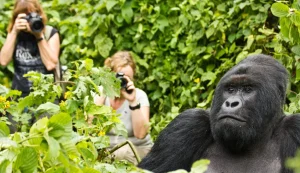
Luxury Gorilla Tour in Rwanda
Rwanda has developed a strong reputation for conservation, gorilla trekking and high-quality tourism experiences.
The country’s compact geography makes it possible to combine Kigali with Volcanoes National Park, Akagera National Park or Nyungwe National Park without the extremely long road transfers found on some larger safari circuits.
For general planning, travelers can consider approximately $250–$400 per person per day for budget-oriented travel, $400–$700 for mid-range travel, and $700–$1,500+ for luxury experiences.
The largest difference appears when gorilla trekking is added. Visit Rwanda currently states that the gorilla trekking permit for international visitors costs $1,500 per person per day, while special rates are available for certain Rwandan and East African Community categories.
Official information and booking guidance are available through Visit Rwanda.
Rwanda can therefore be particularly attractive to travelers who have a larger budget and want to combine gorilla trekking with high-quality accommodation and other experiences.
Uganda vs Kenya vs Tanzania vs Rwanda
Choosing between the four countries depends on what you want from your holiday.
| Country | Main attraction | General 2027 planning range |
|---|---|---|
| Uganda | Gorillas, chimpanzees and wildlife | $150–$1,500+ per day |
| Kenya | Maasai Mara and classic wildlife | $150–$1,500+ per day |
| Tanzania | Serengeti and Ngorongoro | $200–$1,500+ per day |
| Rwanda | Gorilla trekking and premium experiences | $250–$1,500+ per day |
These figures overlap because the cost of a safari is determined by the itinerary rather than the country alone.
A budget safari in one country may be cheaper than a luxury safari in another, even if the number of days is identical.
Gorilla Trekking and Its Effect on Safari Prices
Gorilla trekking deserves separate attention because the permit alone can represent a large percentage of a short safari’s total price.
In Uganda, the current foreign non-resident gorilla tracking permit is $800, according to the Uganda Wildlife Authority tariff. Rwanda currently lists the international gorilla permit at $1,500.
That means a three-day gorilla trip should not be compared directly with an ordinary three-day wildlife safari.
The total price also includes transportation to the trekking region, accommodation, meals, guiding, park-related services and potentially airport transfers.
For example, a traveler flying into Kigali and continuing to southwestern Uganda may have a different total budget from someone flying directly into Entebbe and traveling overland to Bwindi.
If you are specifically interested in Uganda gorilla trekking, consider reading our Uganda Safari 2026 guide for additional planning ideas.
What Is Included in a Safari Package?
Before comparing quotations, find out exactly what you are paying for.
A standard safari package may include accommodation, meals, transportation, driver-guide services, game drives and park entrance fees.
Some packages also include airport transfers, drinking water, boat cruises, cultural experiences and selected permits.
However, inclusions vary significantly between operators.
For example, one company might quote a lower price because international flights, park fees or airport transfers are excluded. Another operator may present a higher total because nearly everything has already been included.
Always ask for an itemized quotation.
What Is Usually Excluded?
International flights are commonly excluded from safari packages.
Other expenses that may not be included include visas, travel insurance, personal shopping, alcoholic beverages, laundry, tips and optional excursions.
Domestic flights can also be excluded unless the itinerary is specifically sold as a fly-in safari.
Travelers should therefore avoid comparing quotations based solely on the headline figure.
The cheapest quotation is not necessarily the cheapest complete trip.
Seven Factors That Influence Safari Prices
1. Number of Travelers
The number of people in your group can significantly affect the cost per person.
A private vehicle becomes more affordable when the vehicle cost is divided among several travelers.
2. Accommodation
Accommodation can represent one of the largest components of the total budget.
Basic camps and guesthouses are more economical, while luxury lodges and exclusive-use properties can substantially increase the price.
3. Length of the Trip
More nights normally mean a higher total cost, although longer journeys can sometimes provide better value because fixed transportation expenses are distributed over more days.
4. Travel Season
High-demand travel periods can result in higher accommodation rates and reduced availability.
Traveling during shoulder or lower-demand periods may offer better value.
5. Transportation
A private 4×4 safari vehicle provides flexibility and comfort but usually costs more than joining a shared departure.
Domestic flights are convenient for covering long distances but can increase the final package price.
6. Activities
Gorilla trekking, chimpanzee tracking, walking safaris, hot-air balloon experiences and specialist photography activities can add considerably to the budget.
7. Safari Route
An itinerary involving several distant parks requires more fuel, driving time and accommodation changes.
A focused route can therefore provide better value than attempting to see too many destinations within a short holiday.
How to Save Money on Your 2027 Safari
The best way to reduce your East Africa safari cost is not necessarily to choose the cheapest accommodation.
Instead, look for unnecessary expenses in the itinerary.
Reducing the number of destinations can save transportation costs. Choosing a comfortable mid-range lodge instead of an ultra-luxury property can also produce substantial savings.
Traveling with friends or family can make a private safari vehicle more affordable per person.
Another option is to travel outside the busiest periods when accommodation may be more competitive.
If you are interested in gorilla trekking, compare the overall cost of Uganda and Rwanda rather than comparing permit prices alone. Transportation, accommodation and the number of nights can change the final difference considerably.
Is Uganda Cheaper Than Kenya, Tanzania or Rwanda?
There is no universal answer because every itinerary is different.
However, Uganda can offer excellent value for travelers who want to combine primates with savannah wildlife. A single trip can include gorilla trekking, chimpanzee experiences, game drives and boat cruises.
Kenya is particularly attractive for travelers who want classic savannah wildlife and the Maasai Mara.
Tanzania is a strong choice for visitors focused on Serengeti landscapes, Ngorongoro and migration experiences.
Rwanda is especially attractive to travelers prioritizing gorilla trekking and a compact, premium tourism experience.
The best destination is therefore determined by your priorities rather than the lowest daily price.
Sample 2027 Safari Budgets
To make planning easier, here are some broad examples.
Five-Day Budget Safari
Approximately $800–$1,500 per person may be suitable for a straightforward itinerary with practical accommodation and shared or economical transportation.
Seven-Day Mid-Range Safari
A budget of approximately $2,200–$4,800 per person can provide a comfortable experience with quality accommodation and organized wildlife activities.
Ten-Day Premium Safari
Travelers looking for more privacy, upgraded accommodation and a more comprehensive route could consider $5,000–$9,000+ per person.
Gorilla Trekking Safari
A gorilla-focused itinerary can easily reach $2,000–$5,000+ per person, depending on the country, permit, accommodation and length of the trip.
Luxury Private Safari
Highly personalized journeys can exceed $10,000 per person, particularly when they include luxury camps, private vehicles, internal flights and exclusive experiences.
These examples are planning estimates rather than published package rates.
When Should You Book Your Safari?
Booking early is particularly useful if you have fixed travel dates or want a specific lodge.
Gorilla permits are especially important because trekking availability is limited. Popular accommodation properties in major wildlife destinations can also sell out during busy periods.
Planning early gives you more flexibility to compare different lodges and transportation arrangements.
It can also make it easier for your safari operator to create a route that matches your budget instead of simply working with whatever accommodation remains available.
How to Choose a Safari Company
Price should not be the only factor when choosing an operator.
Look at the company’s experience, reviews, vehicle standards, communication, accommodation choices and level of transparency.
Ask whether the quotation includes park fees, meals, accommodation, transportation and activities.
It is also useful to ask what happens if a flight is delayed, a lodge becomes unavailable or the itinerary needs to change.
A professional operator should be able to explain the quotation clearly rather than simply giving you one unexplained total.
Frequently Asked Questions About East Africa Safari Cost
How much does an East Africa safari cost in 2027?
A budget safari may start around $150–$300 per person per day, while a comfortable mid-range trip commonly falls around $300–$700 per person per day. Luxury journeys can exceed $1,500 per person per day.
How much does a seven-day East African safari cost?
A seven-day safari may cost approximately $1,500–$5,000 per person for budget to mid-range travel. Premium and luxury itineraries can cost considerably more.
Is gorilla trekking included in the safari price?
Not always. Some tour operators include the permit in the package, while others list it separately. Always check the quotation carefully.
Is Uganda good for an affordable safari?
Uganda can provide excellent value for travelers who want to combine wildlife and primate experiences. The final price depends on the accommodation, transport, permits and route selected.
Is Rwanda more expensive for gorilla trekking?
The current international gorilla permit price in Rwanda is $1,500 per person, compared with the current Uganda foreign non-resident permit price of $800. However, the overall trip cost depends on accommodation, transportation and other activities.
Are flights included in safari packages?
International flights are usually separate. Domestic flights may or may not be included depending on the itinerary.
What is the best safari country in East Africa?
There is no single best country for everyone. Kenya and Tanzania are excellent for classic savannah wildlife, Uganda is particularly strong for gorillas and chimpanzees alongside wildlife, while Rwanda is famous for premium gorilla experiences.
How can I make my safari cheaper?
Traveling with a small group, selecting mid-range accommodation, reducing unnecessary transfers and choosing a suitable travel season can help control costs.
Plan Your East Africa Safari for 2027
Understanding the East Africa safari cost before booking allows you to make better decisions about your itinerary.
Instead of starting with the most expensive or cheapest package you can find, begin by identifying the experiences that matter most. Decide whether your priority is gorilla trekking, the Great Migration, chimpanzees, Big Five wildlife, photography, cultural experiences or a combination of several activities.
Then choose your accommodation and transportation around those priorities.
For travelers interested in Uganda, Kenya, Tanzania and Rwanda, a well-planned itinerary can combine outstanding wildlife experiences with comfortable accommodation without unnecessarily increasing the budget.
If Uganda is part of your 2027 plans, Abunda Discoveries Uganda can help travelers create personalized safari itineraries based on their preferred destinations, travel dates, group size and accommodation level.
You can also explore Abunda Discoveries Uganda for additional Uganda travel information and safari planning options.
Final 2027 Safari Budget
As a quick reference, travelers can use these figures when preparing their initial budget:
Budget: $150–$300 per person per day.
Mid-range: $300–$700 per person per day.
Luxury: $700–$1,500+ per person per day.
Seven-day budget to mid-range safari: approximately $1,500–$5,000 per person.
Gorilla-focused safari: approximately $2,000–$5,000+ per person.
High-end private safari: $7,000–$10,000+ per person is possible.
Remember that these are planning ranges for 2027, not fixed quotations. Your final price will depend on your dates, group size, destination, accommodation, transport and activities.
The best safari is not necessarily the most expensive one. It is the trip that uses your budget intelligently and gives you more of the experiences you actually want.
For many travelers, a carefully designed mid-range safari provides the ideal combination of comfort, flexibility and memorable wildlife encounters.


