Exploring Rubanga Forest
Exploring Rubanga Forest, nestled near Lake Mburo National Park in Uganda, offers a tranquil and captivating escape into the heart of nature. Despite its smaller size compared to Uganda’s more famous forests, Rubanga is a hidden treasure with remarkable biodiversity, lush vegetation, and an abundance of bird species that make it a must-visit destination for nature enthusiasts and birdwatchers. This article explores everything you need to know about Rubanga Forest and why it deserves a place on your Ugandan travel itinerary.
Introduction
Rubanga Forest is a small but enchanting tropical forest located near Lake Mburo National Park in southwestern Uganda. Often overlooked in favor of larger reserves like Bwindi Impenetrable Forest or Kibale National Park, Rubanga offers an intimate and serene experience for those seeking to connect with nature. This forest is not just a retreat for travelers but also a critical habitat for a diverse range of wildlife, particularly birds. With its lush canopy and peaceful ambiance, Rubanga Forest provides an excellent setting for eco-tourism and relaxation.
Getting to Rubanga Forest
Rubanga Forest is easily accessible for visitors to Lake Mburo National Park, as it lies within its boundaries.
By Road:
- The forest is about a 4-hour drive from Kampala, Uganda’s capital, making it a convenient destination for a weekend getaway.
- Private vehicles and guided safari tours frequently include Rubanga Forest in their itineraries, especially for birdwatching enthusiasts.
Best Time to Visit:
The forest can be visited year-round, but the dry seasons from June to August and December to February are ideal for exploring, as trails are less muddy and easier to navigate.
Why Visit Rubanga Forest?
1. A Haven for Birdwatching Enthusiasts
Rubanga Forest is a paradise for bird lovers, with over 300 bird species recorded in the area.
- Unique Species:
The forest is home to several rare and endemic bird species, including the white-backed night heron, African finfoot, green pigeon, and Narina trogon.
- Birdwatching Tours:
Guided birdwatching walks are available, offering insights into the habits and habitats of various bird species. Knowledgeable guides make spotting elusive birds easier, enhancing the overall experience.
2. Flora and Fauna Diversity
Rubanga Forest’s dense canopy shelters a rich variety of plant and animal species, making it a hub of biodiversity.
- Vegetation:
The forest features tropical hardwoods, climbers, and epiphytes, creating a layered ecosystem.
- Wildlife:
While birds dominate, visitors might also spot bush babies, vervet monkeys, and other small mammals. Butterflies and reptiles add to the forest’s vibrant ecosystem.
3. Proximity to Lake Mburo National Park
Rubanga Forest’s location within Lake Mburo National Park makes it a convenient addition to any safari itinerary.
- Complementary Activities:
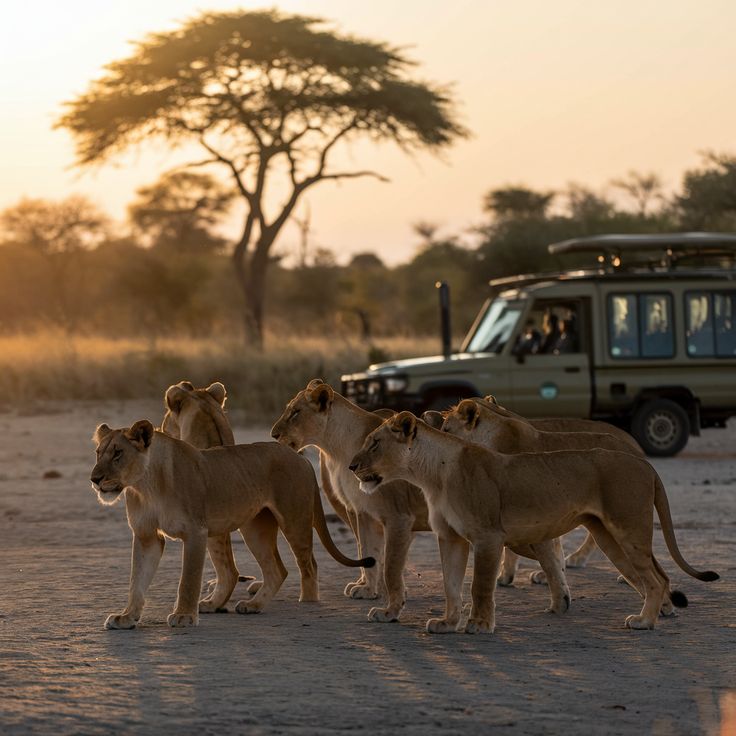
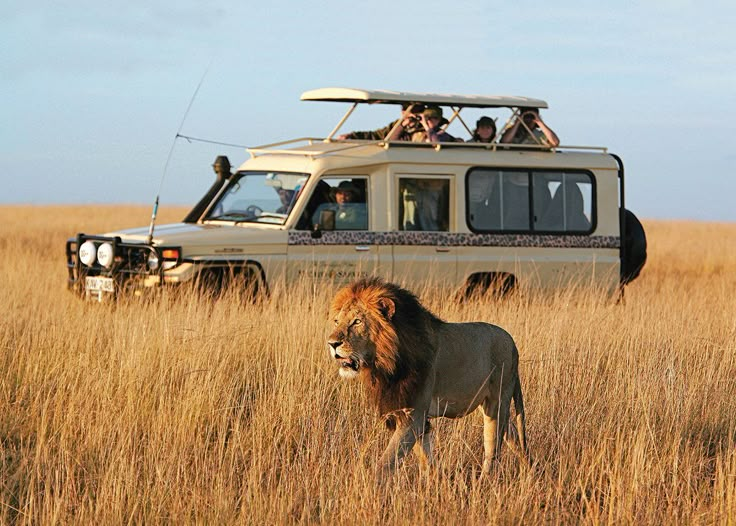
Visitors can combine a forest walk with game drives, boat cruises on Lake Mburo, or cultural tours with the local Ankole community.
- Easier Accessibility:
Unlike some of Uganda’s other forests, Rubanga is less challenging to explore, making it suitable for visitors of all ages and fitness levels.
Activities to Enjoy in Rubanga Forest
Exploring Rubanga Forest on foot is the best way to immerse yourself in its serene beauty.
- What to Expect:
Walks typically last 2–3 hours, during which guides point out unique flora, bird species, and animal tracks.
- Trails:
Trails are well-maintained, offering a comfortable hiking experience through the forest.
2. Birdwatching Tours
Rubanga Forest is especially famous for its birdwatching opportunities.
- Essential Gear:
Bring binoculars, a camera with a zoom lens, and a bird field guide to enhance your experience.
- Best Time for Birdwatching:
Early morning and late afternoon are ideal for spotting birds as they are most active during these times.
3. Photography and Nature Study
The forest’s lush greenery and diverse wildlife provide countless opportunities for photography and ecological study.
- What to Capture:
The interplay of sunlight through the forest canopy, close-ups of colorful birds, and macro shots of plants and insects are popular subjects for photographers.
Conservation Efforts in Rubanga Forest
Rubanga Forest plays a critical role in Uganda’s biodiversity conservation.
Collaborations with Lake Mburo National Park
The forest is part of the greater Lake Mburo ecosystem, and its conservation is essential for maintaining the region’s biodiversity. Efforts focus on preserving both the flora and fauna while promoting eco-tourism to generate income for local communities.
Community Involvement
Local communities play an active role in protecting the forest through sustainable tourism and conservation initiatives. Visitors are encouraged to support these efforts by hiring local guides and purchasing locally made crafts.
Planning Your Visit to Rubanga Forest
What to Pack:
- Clothing:
Lightweight, long-sleeved shirts and trousers to protect against insects. Comfortable hiking shoes are a must.
- Gear:
Binoculars, a camera, and a water bottle are essential for a day in the forest.
Accommodation Options Nearby:
Several lodges and campsites near Lake Mburo National Park provide comfortable accommodation for visitors.
- Luxury Options:
Mihingo Lodge offers stunning views and luxurious amenities.
- Mid-Range Choices:
Rwakobo Rock provides cozy cottages with easy access to the park.
- Budget-Friendly:
Eagles Nest Uganda is an excellent choice for travelers on a budget.
Why Rubanga Forest Stands Out
Despite being smaller than other forests in Uganda, Rubanga’s charm lies in its accessibility, tranquility, and rich biodiversity. Visitors can explore the forest at a leisurely pace, enjoying the sounds of chirping birds, rustling leaves, and the occasional animal call. Its proximity to other attractions within Lake Mburo National Park makes it an integral part of any nature-focused itinerary in Uganda.
Conclusion
Rubanga Forest may not be as famous as Bwindi or Kibale, but it is a hidden gem that offers a unique and intimate experience with nature. From its diverse birdlife to its serene walking trails, the forest provides a peaceful retreat for travelers seeking a connection with Uganda’s natural world. Whether you’re an avid birdwatcher, a photography enthusiast, or simply looking to escape the hustle of everyday life, Rubanga Forest promises an unforgettable experience.
As you plan your visit to Uganda, consider adding Rubanga Forest to your itinerary. Its pristine beauty, coupled with the warm hospitality of the surrounding communities, makes it a destination worth exploring.