- CONTACT US NOW:
- +256 784 928 080
- info@abundadiscoveriesuganda.com

FAQs About Rwanda Gorilla Trekking
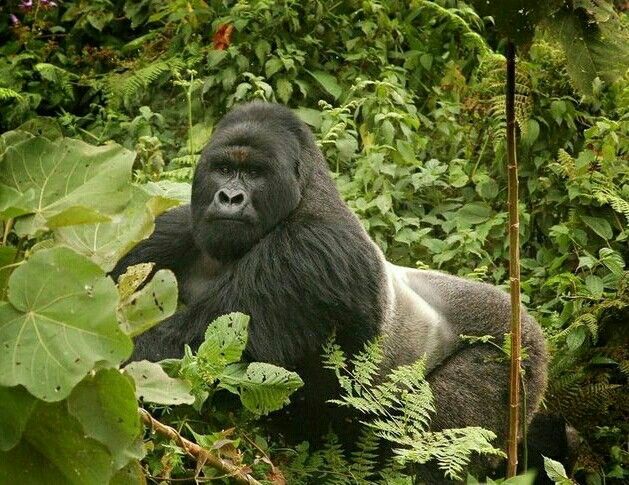
Best Sector to Trek Mountain Gorillas
September 23, 2025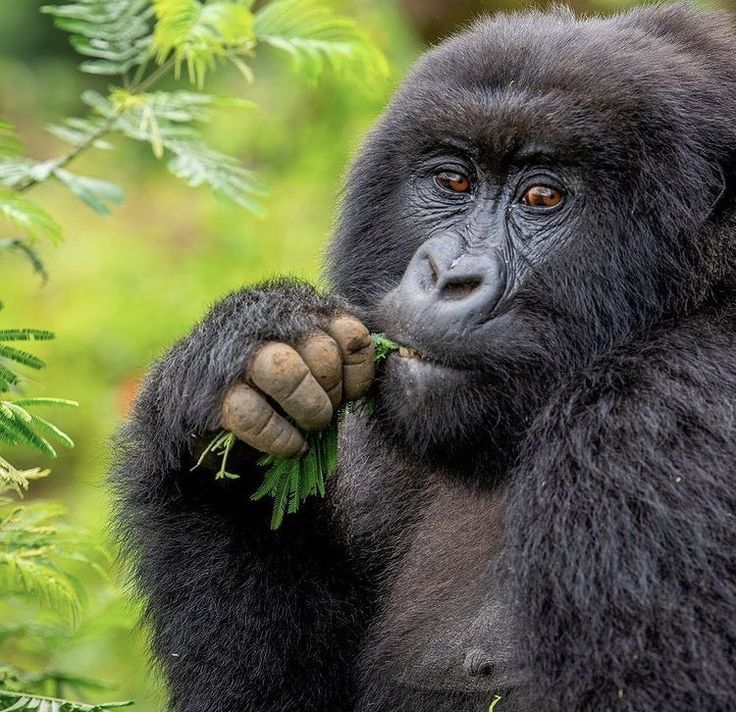
Who Is Eligible to Take Mountain Gorilla Trekking in Uganda?
September 23, 2025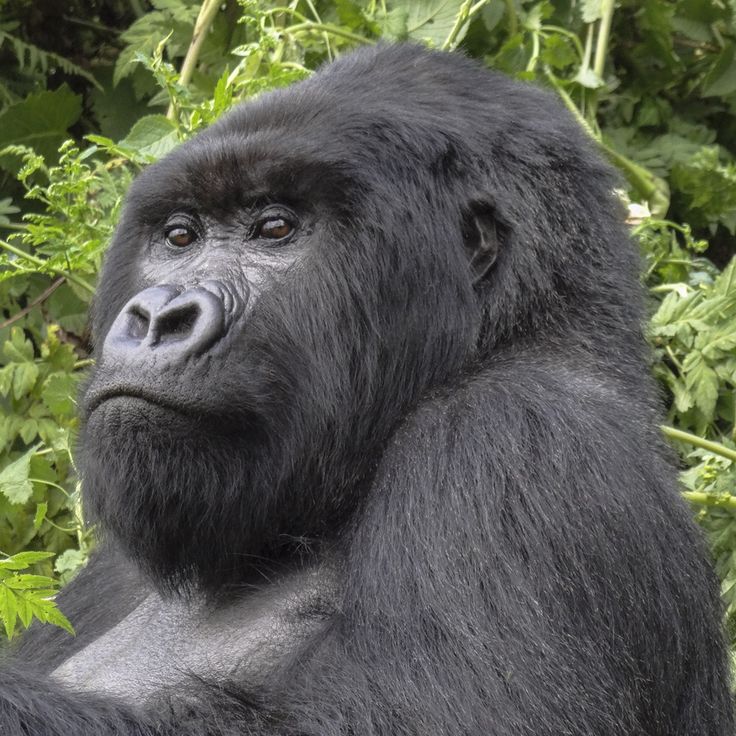
What is gorilla trekking in Rwanda?
Gorilla trekking in Rwanda is a guided hike through the tropical forests of Volcanoes National Park to see mountain gorillas in their natural habitat. Trekkers follow trained guides and trackers who locate gorilla families each morning. The experience allows visitors to spend up to one hour with the gorillas, observing their behavior, interactions, and family structure. FAQs About Rwanda Gorilla Trekking
Where does gorilla trekking take place in Rwanda?
All gorilla trekking in Rwanda takes place in Volcanoes National Park, located in the country’s northwest. The park is part of the larger Virunga Conservation Area, which spans Rwanda, Uganda, and the Democratic Republic of Congo. Volcanoes National Park is home to about one-third of the world’s remaining mountain gorillas, making it the main destination for gorilla trekking in Rwanda.
How many gorilla families are in Volcanoes National Park?
Volcanoes National Park hosts over 12 habituated gorilla families that are open for trekking. Each family is different in size, behavior, and territory. Some are large with more than 20 members, while others are smaller. Habituated families have been trained to tolerate human presence, allowing safe and respectful encounters with trekkers.
How much does a gorilla trekking permit in Rwanda cost?
A gorilla trekking permit in Rwanda costs $1,500 per person for foreign visitors. This fee helps fund conservation efforts and supports local communities living around the park. While the cost is higher than in Uganda and Congo, Rwanda positions itself as a premium gorilla trekking destination with excellent infrastructure and accessibility.
When is the best time to go gorilla trekking in Rwanda?
The best time to trek gorillas in Rwanda is during the dry seasons from June to September and December to February. Trails are less muddy and easier to hike during these months. However, gorilla trekking takes place all year round, and sightings are almost guaranteed regardless of the season.
How do you book a Rwanda gorilla trekking permit?
You can book a gorilla trekking permit through the Rwanda Development Board (RDB) or through licensed tour operators. Due to high demand, especially in peak seasons, it is advisable to book permits at least six months in advance. Tour operators often handle both permit reservations and safari arrangements, making the process convenient for travelers.
How many people are allowed to trek a gorilla family per day?
Only eight trekkers are allowed to visit each gorilla family per day. This limit reduces stress on the gorillas and minimizes human impact on their natural behavior. With over 12 families available, about 96 permits are issued daily for Volcanoes National Park.
How long does a gorilla trek in Rwanda take?
A gorilla trek in Rwanda can take between 2 and 6 hours, depending on the location of the gorilla family. Some groups are closer to the trailhead, while others require longer hikes through steep terrain. The trek also includes time spent listening to guides explain gorilla behavior, vegetation, and conservation practices.
What is the minimum age for gorilla trekking in Rwanda?
The minimum age for gorilla trekking in Rwanda is 15 years old. This rule ensures that participants are mature enough to follow guidelines and cope with the physical challenges of trekking.
How difficult is gorilla trekking in Rwanda?
Gorilla trekking in Rwanda ranges from moderate to challenging. The terrain in Volcanoes National Park is mountainous, with steep slopes, thick vegetation, and high altitudes. Trekkers need reasonable physical fitness and sturdy hiking gear. Porters are available to assist with carrying bags and providing extra support during difficult climbs.
What should you pack for gorilla trekking in Rwanda?
Essential items for gorilla trekking include hiking boots, waterproof clothing, long-sleeved shirts, gardening gloves, insect repellent, snacks, and drinking water. A walking stick, usually provided at the start of the trek, helps with balance on steep and muddy trails. Cameras should have protective covers to guard against forest humidity and rain.
What rules must trekkers follow during gorilla trekking?
Trekkers must follow strict rules to protect gorillas and ensure safety. Key rules include:
- Keep a 7-meter distance from gorillas.
- Do not eat, drink, or smoke near the gorillas.
- Avoid direct eye contact with dominant silverbacks.
- Speak in low voices.
- Do not use flash photography.
- Do not trek if you are sick, as gorillas are vulnerable to human diseases.
Can you see gorillas in Rwanda without trekking?
No. The only way to see mountain gorillas in Rwanda is through trekking in Volcanoes National Park. Unlike zoos, gorillas in Rwanda live freely in the wild, and trekking offers the only safe and regulated method to observe them.
What is the chance of seeing gorillas in Rwanda?
The chance of seeing gorillas in Rwanda is extremely high, estimated at over 95%. Trained trackers monitor gorilla movements daily and communicate with guides to lead trekkers to their exact location.
How close can you get to the gorillas?
Visitors are required to keep a 7-meter distance from gorillas. However, gorillas sometimes move closer out of curiosity. Guides ensure safety by controlling the situation and reminding trekkers to remain calm.
What is the difference between gorilla trekking in Rwanda, Uganda, and Congo?
- Rwanda: Offers the most accessible trekking, just two hours from Kigali to Volcanoes National Park. It is more expensive at $1,500 per permit.
- Uganda: Trekking costs $800 per permit in Bwindi Impenetrable National Park. Treks can be more challenging but offer diverse habitats.
- Congo: The cheapest option at around $400 per permit, but security concerns affect tourism.
Do you need to be fit for gorilla trekking in Rwanda?
Yes. Gorilla trekking requires moderate fitness. Trekkers may walk several hours in high-altitude terrain. Training with regular hikes or exercises before the trip is recommended. However, porters provide assistance for those who need extra help.
What health requirements are there for gorilla trekking?
Trekkers should be in good health and free from contagious diseases such as flu or colds. Vaccinations recommended for travel to Rwanda include yellow fever, hepatitis A and B, typhoid, and rabies. Malaria prevention measures are also advised.
Can you trek gorillas in Rwanda in one day from Kigali?
Yes. Gorilla trekking in Rwanda is possible as a one-day trip from Kigali. The drive from Kigali to Volcanoes National Park takes about two hours, making Rwanda the most convenient country for short gorilla trekking safaris.
Are children allowed to go gorilla trekking in Rwanda?
Children under 15 years are not allowed to trek gorillas in Rwanda. However, families traveling with younger children can arrange other activities around Musanze, such as cultural village visits, golden monkey trekking, or nature walks.
What accommodation options are near Volcanoes National Park?
Accommodation near Volcanoes National Park ranges from luxury lodges to budget guesthouses. Popular options include Bisate Lodge, Sabyinyo Silverback Lodge, Virunga Lodge, Five Volcanoes Boutique Hotel, and Kinigi Guesthouse. Staying close to the park headquarters makes it easier to start treks early in the morning. FAQs About Rwanda Gorilla Trekking
How do you get from Kigali to Volcanoes National Park?
Travelers can reach Volcanoes National Park by road from Kigali. The journey takes about two to three hours. Tour operators often provide private transfers, while public buses connect Kigali to Musanze town, located near the park. FAQs About Rwanda Gorilla Trekking
Can gorilla trekking be combined with other activities in Rwanda?
Yes. Gorilla trekking can be combined with golden monkey trekking, volcano hikes, cultural tours, and safaris in Akagera National Park. Many visitors also include trips to Nyungwe Forest National Park for chimpanzee trekking.
How safe is gorilla trekking in Rwanda?
Gorilla trekking in Rwanda is very safe. Park rangers, guides, and trackers accompany all groups, ensuring visitor safety and gorilla protection. Rwanda also maintains a stable and secure environment for tourists.
What conservation efforts support gorilla trekking in Rwanda?
Revenue from gorilla permits funds conservation projects, community development, and anti-poaching efforts. Local communities benefit through employment, infrastructure development, and tourism revenue sharing. These measures have helped mountain gorilla populations increase in recent years. FAQs About Rwanda Gorilla Trekking