- CONTACT US NOW:
- +256 784 928 080
- info@abundadiscoveriesuganda.com

First Gorilla Trekking Safari in Uganda: 7 Amazing Tips

How to Plan a Uganda Wildlife Safari:
September 12, 2026
7 Days Classic Kenya Safari: Complete Itinerary & Guide
September 15, 2026
How to Plan Your First Gorilla Trekking Safari in Uganda: 7 Amazing Tips
Knowing how to plan your first gorilla trekking safari in Uganda is essential for travelers preparing for their first encounter with mountain gorillas. This extraordinary adventure takes you deep into the ancient rainforests of southwestern Uganda, where you can observe a habituated gorilla family living in its natural environment. Unlike a conventional vehicle-based wildlife safari, gorilla trekking combines rainforest hiking, wildlife observation, conservation and an unforgettable encounter with one of Africa’s most remarkable animals.
For a first-time visitor, however, the experience begins long before you enter the forest. Choosing the right destination, selecting suitable travel dates, securing a gorilla trekking permit, booking accommodation, arranging transportation and preparing physically are all important parts of the planning process. You may also want to combine your gorilla experience with chimpanzee trekking, wildlife viewing, cultural encounters or other scenic destinations in Uganda.
This complete guide explains how to plan your first gorilla trekking safari in Uganda, from the early stages of choosing your destination to preparing for the actual trek. Whether you are traveling to Uganda for the first time, visiting from another African destination or adding gorilla trekking to a longer East African itinerary, these practical tips will help you organize your journey with greater confidence.
Why Choose Uganda for Your First Gorilla Trekking Safari?
Uganda is one of Africa’s premier destinations for mountain gorilla trekking and offers a remarkable combination of primate experiences, wildlife safaris, rainforest adventures and scenic landscapes. Mountain gorilla trekking takes place in Bwindi Impenetrable National Park and Mgahinga Gorilla National Park, both located in southwestern Uganda.
Bwindi is famous for its ancient rainforest, challenging terrain and several gorilla trekking sectors, while Mgahinga offers a spectacular volcanic setting within the wider Virunga conservation landscape. Both destinations provide travelers with the opportunity to encounter habituated mountain gorilla families in their natural environment.
Rwanda Uganda Gorilla Safaris: 7 Reasons for the Ultimate 2027 Adventure.
One of the greatest advantages of choosing Uganda is the ability to combine gorilla trekking with a wide range of other experiences. A longer itinerary can include chimpanzee trekking in Kibale National Park, wildlife viewing in Queen Elizabeth National Park, boat cruises, cultural experiences and scenic destinations such as Lake Bunyonyi.
This diversity means your first gorilla trekking safari does not have to be a standalone activity. It can become the centerpiece of a much broader Uganda adventure, allowing you to experience rainforests, mountains, lakes, savannah landscapes and some of East Africa’s most fascinating wildlife within one journey.
How to Plan Your First Gorilla Trekking Safari in Uganda
The easiest way to plan your first gorilla trekking safari is to organize the major elements in the correct order. Begin by deciding approximately when you want to travel and how many days you can dedicate to Uganda. From there, determine whether Bwindi or Mgahinga best suits your itinerary, check gorilla permit availability and secure your preferred trekking date.
Once the permit arrangements are confirmed, you can organize accommodation near the appropriate trekking sector, arrange transportation and decide which additional activities fit comfortably into your schedule. Finally, prepare for the physical demands of rainforest hiking and make sure you have the appropriate clothing and equipment.
Planning in this sequence helps prevent common mistakes, such as booking accommodation far from your trekking sector, leaving too little time between destinations or creating an itinerary with unrealistic driving times.
If you prefer a professionally organized itinerary, you can also explore Abunda Discoveries Uganda’s gorilla trekking safaris and customize a trip around your travel dates, budget, accommodation preferences and other interests.
1. Choose the Best Time for Your Gorilla Trekking Safari
Choosing the right time for your gorilla trekking safari in Uganda is one of the most important decisions you will make during the planning process. Gorilla trekking takes place throughout the year, but Uganda’s seasonal weather patterns can influence trail conditions, road travel and the overall character of your safari.
Uganda generally experiences relatively drier periods from June to September and December to February. These periods are often popular with travelers because forest trails may be easier to navigate and outdoor activities can be more comfortable. However, it is important to remember that Bwindi and Mgahinga are mountainous rainforest environments, where weather conditions can change quickly. Even during traditionally drier months, rain is possible.
The wetter seasons should not automatically discourage you from traveling. Rain is part of the rainforest environment and contributes to the lush vegetation that makes gorilla trekking so spectacular. Wet conditions can also create a more atmospheric forest experience, although trails may become muddier and more demanding.
Your travel dates should also be selected with your complete Uganda itinerary in mind. If you plan to combine gorilla trekking with chimpanzee trekking, wildlife game drives, boat cruises or other outdoor activities, consider the typical conditions across all the destinations you intend to visit rather than focusing exclusively on Bwindi or Mgahinga.
Most importantly, check gorilla trekking permit availability before finalizing your travel arrangements. Permits are limited, and popular dates can become unavailable well in advance. Planning early gives you a better chance of securing your preferred trekking date and allows accommodation, transportation and the rest of your safari to be organized around that confirmed date.
For international travelers, this early planning is particularly valuable because flights, visas, accommodation and internal transportation may also need to be coordinated. A well-planned itinerary reduces unnecessary travel and gives you more time to enjoy Uganda rather than spending your holiday dealing with last-minute arrangements.
Choose Between Bwindi and Mgahinga
The next major decision is where you want to trek.
Bwindi Impenetrable National Park
Bwindi Impenetrable National Park is Uganda’s best-known destination for mountain gorilla trekking and one of the most important gorilla conservation areas in Africa. The UNESCO-recognized forest is home to several established gorilla trekking sectors, including Buhoma, Ruhija, Rushaga and Nkuringo. Each sector provides access to habituated gorilla families and has its own selection of lodges, camps and access routes.
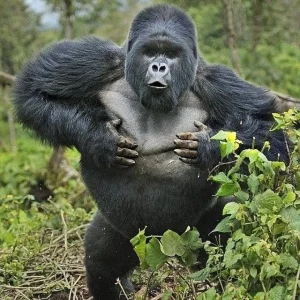
Gorilla Trekking in Bwindi Impenetrable Forest
For first-time travelers, understanding the different Bwindi trekking sectors is extremely important because the sector assigned for your gorilla trek can influence how the rest of your safari should be organized. Your accommodation should ideally be located close to your trekking starting point, while your transportation should be planned around the sector and the time you need to report for the morning briefing.
This is one of the most common planning details that inexperienced travelers overlook. Booking a beautiful lodge without first considering the location of your gorilla trekking sector can result in unnecessary driving on the morning of the trek. A well-planned itinerary instead places you close enough to the starting point to enjoy breakfast, complete registration and arrive for the briefing without rushing.
Bwindi is also an excellent choice for travelers who want to combine gorilla trekking with other Uganda safari experiences. Depending on your available time and preferred route, you can add a relaxing visit to Lake Bunyonyi, wildlife viewing in Queen Elizabeth National Park, or continue north toward Kibale National Park for chimpanzee trekking.
The forest itself is an important part of the experience. Bwindi’s dense vegetation, steep slopes, muddy trails and cool rainforest environment create an authentic wilderness adventure. The amount of hiking required can vary considerably because mountain gorillas move through the forest naturally, meaning the location of your assigned gorilla family on the day of your trek determines how far you may need to walk.
For travelers who want an immersive rainforest experience while also having the flexibility to explore other destinations in southwestern Uganda, Bwindi offers an excellent foundation for a longer safari itinerary.
Mgahinga Gorilla National Park
Mgahinga Gorilla National Park provides another exceptional opportunity for mountain gorilla trekking in Uganda. Located in southwestern Uganda, the park forms part of the wider Virunga conservation landscape and is characterized by dramatic volcanic mountains, dense forests and spectacular highland scenery.
Although Mgahinga is smaller than Bwindi, its compact size and distinctive volcanic environment give it a very different atmosphere. The park protects the Ugandan side of the Virunga Mountains and is associated with three major volcanic peaks: Mount Muhabura, Mount Gahinga and Mount Sabyinyo.
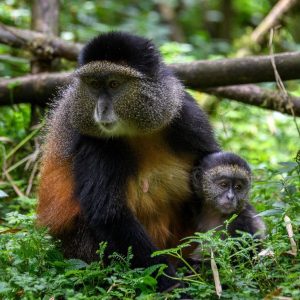
Mgahinga is also well known for its golden monkey trekking, giving visitors the opportunity to combine two remarkable primate experiences during the same Uganda safari. For travelers interested in both gorillas and golden monkeys, this can make Mgahinga particularly appealing.
The landscape is another major attraction. Instead of experiencing gorilla trekking only as a rainforest hike, visitors to Mgahinga can enjoy views of volcanic peaks and highland vegetation as part of their wider adventure. The combination of mountain scenery, forest and primate encounters creates a distinctive safari experience.
For travelers who appreciate dramatic landscapes and want to experience gorilla trekking in a different setting from Bwindi, Mgahinga can be an excellent choice. As with Bwindi, however, your decision should be based on your complete itinerary rather than the park alone.
Should You Choose Bwindi or Mgahinga for Gorilla Trekking?
There is no universal answer to whether Bwindi or Mgahinga is better for gorilla trekking. Both national parks provide opportunities to encounter endangered mountain gorillas in their natural environment, but the most suitable option depends on your travel dates, permit availability, accommodation preferences, transportation arrangements and the other destinations you plan to visit.
Bwindi may be ideal for travelers who want more trekking-sector and itinerary flexibility, particularly if they want to combine gorilla trekking with destinations such as Lake Bunyonyi, Queen Elizabeth National Park or Kibale National Park. Its different sectors also provide a range of accommodation and route options.
Mgahinga may be particularly attractive to travelers who want dramatic volcanic scenery or wish to combine gorilla trekking with golden monkey tracking. Its smaller size and distinctive landscape offer a different atmosphere while still providing an unforgettable mountain gorilla experience.
Whichever park you choose, avoid selecting your destination based solely on photographs or the name of the national park. Your gorilla trekking permit, trekking sector, accommodation and transportation should all be planned together. The location of your trek can have a significant impact on your driving time, accommodation choice and overall safari route.
For first-time visitors, working with an experienced Uganda safari operator can make this process considerably easier. Instead of simply booking a gorilla permit and arranging the rest afterward, you can build the entire journey around your trekking date, preferred accommodation and other destinations you want to experience.
Ultimately, the goal is not simply to decide between two national parks. It is to choose the gorilla trekking destination and safari route that best matches your travel plans, allowing you to enjoy the forest, the wildlife and the wider beauty of Uganda without unnecessary logistical challenges.
Book Your Gorilla Trekking Permit Early
Securing your gorilla trekking permit should be one of the first steps when planning your gorilla trekking safari in Uganda. A permit gives you access to a scheduled gorilla trekking experience managed by the Uganda Wildlife Authority (UWA) and is required before you can participate in the trek.
Gorilla trekking permits are linked to specific trekking dates and designated entry points. Because the number of visitors allowed to trek each gorilla family is limited, popular dates can become unavailable, particularly during peak travel periods. Booking your gorilla trekking permit well in advance gives you a better chance of securing your preferred trekking date and allows you to organize the rest of your safari around it.
For international travelers, working with a reputable and properly licensed Uganda tour operator can simplify the permit-booking process. A professional operator can help check permit availability, arrange the permit according to your selected date and trekking sector, and coordinate accommodation and transportation so that your entire itinerary works smoothly.
Avoid booking flights, hotels and other safari arrangements before confirming your gorilla trekking permit. Your confirmed permit date should be one of the foundations of your Uganda gorilla safari because it determines where you need to be and when you need to arrive for the trek.
Before making arrangements, travelers can also verify whether a tour company is properly licensed through the Uganda Tourism Board’s official licensed tour companies directory. Choosing a licensed and experienced operator provides additional confidence when arranging your gorilla trekking permit and wider safari itinerary.
Understand What the Gorilla Permit Does and Does Not Include
Understanding what your gorilla trekking permit covers is essential when planning your first gorilla trekking safari in Uganda. A permit gives you access to the scheduled gorilla trekking experience, but it should not be confused with a complete Uganda gorilla safari package.
Your gorilla trekking permit covers the authorized gorilla trekking activity, while other important parts of your journey are normally arranged separately or included as part of your chosen safari package. These may include accommodation, meals, transportation, a professional driver-guide, airport transfers, park activities and other experiences you choose to add to your itinerary.
This distinction is particularly important when comparing Uganda gorilla safari prices. Two tour operators may quote different prices for seemingly similar trips because their packages may use different accommodation standards, vehicle types, meal arrangements, transportation distances or additional activities. A lower price does not necessarily mean a better deal if important services have been left out.
Before making your payment, request a clear and detailed breakdown of your safari package. Confirm exactly what is included, what is excluded, the cost of the gorilla permit, and how the permit booking will be handled. You should also confirm your trekking date and location so that your accommodation and transportation can be arranged correctly.
Taking the time to understand your gorilla trekking permit and the other components of your safari can help you compare quotations accurately, avoid unexpected expenses and enjoy a smoother Uganda gorilla trekking experience.
Choose Your Gorilla Trekking Sector Carefully
Choosing the right gorilla trekking sector in Uganda is an important part of planning your first gorilla trekking safari. If you are trekking in Bwindi Impenetrable National Park, you should identify your designated trekking sector before booking your accommodation because the park is divided into different areas with their own gorilla families and trekking starting points.
The main Bwindi gorilla trekking sectors are Buhoma, Ruhija, Rushaga and Nkuringo. These areas are located in different parts of the park, and traveling between them can take considerable time because of the mountainous terrain and winding roads. Staying close to your designated trekking point is therefore highly recommended. It can make your morning more convenient, reduce unnecessary driving and help you arrive at the park headquarters on time for briefing and registration.
Your trekking sector should also be considered when arranging transportation and accommodation. Once your gorilla permit has been confirmed, your safari itinerary should be organized around the specific sector and trekking date. This is particularly important for first-time visitors who may not be familiar with the distances between different parts of Bwindi.
Working with an experienced Uganda safari operator can make this process much easier. Instead of booking your gorilla trekking permit, accommodation and transportation separately, a professional operator can coordinate these services into one well-organized itinerary. This reduces the risk of choosing accommodation that is too far from your trekking location and helps ensure that your travel arrangements match your permit date.
Abunda Discoveries Uganda offers flexible Uganda gorilla trekking packages designed around different travel dates, budgets and safari interests. Whether you are planning a short gorilla trekking adventure or combining gorilla trekking with chimpanzee trekking and a wider Uganda wildlife safari, your itinerary can be organized around your confirmed trekking sector and permit date.
.Decide How Many Days You Need for Your Gorilla Trekking Safari
The ideal length of your gorilla trekking safari in Uganda depends on your interests, budget, available vacation time and how much of the country you want to experience. Your first gorilla trekking safari does not necessarily need to last a full week, but allowing enough time can make the journey more comfortable and give you the opportunity to explore destinations beyond the gorilla experience.
A 3-day Uganda gorilla safari can be a good option for travelers with limited time who want to focus mainly on gorilla trekking. A 4- or 5-day itinerary provides more flexibility and can include additional experiences such as a visit to Lake Bunyonyi or wildlife activities in Queen Elizabeth National Park, depending on your route and travel plans.
Travelers with more time can extend their itinerary by adding Kibale National Park, particularly for chimpanzee trekking. Combining gorilla trekking with chimpanzee trekking allows you to experience two of Uganda’s most famous primate encounters while exploring different rainforest environments.
For travelers with a week or more, a longer Uganda wildlife safari can provide a much broader experience. You could combine gorilla trekking with chimpanzee trekking, savannah game drives, boat cruises, scenic landscapes and cultural experiences across several destinations.
When deciding how many days to spend in Uganda, remember that road travel between destinations can be lengthy. A well-planned itinerary should balance the number of activities with sufficient time for transportation, relaxation and unexpected travel delays. Rather than trying to visit too many destinations, choose an itinerary that matches your interests and gives you enough time to enjoy each experience.
For a first-time traveler, the best gorilla trekking safari in Uganda is not necessarily the longest one. It is the itinerary that provides enough time for the trek while allowing you to travel comfortably and experience the destinations that matter most to you.
Combine Gorilla Trekking with Chimpanzee Trekking
If you are traveling to Uganda for gorilla trekking, adding chimpanzee trekking to your itinerary can make your safari even more rewarding. Uganda is one of Africa’s outstanding destinations for primate experiences, and combining these two activities gives you the opportunity to encounter both mountain gorillas and chimpanzees in their natural forest environments.
Kibale National Park is one of Uganda’s leading destinations for chimpanzee trekking and is widely recognized for its rich primate diversity. Combining Kibale with Bwindi Impenetrable National Park or Mgahinga Gorilla National Park allows you to experience two very different rainforest environments while adding greater variety to your Uganda safari.
The two experiences are also quite different. Chimpanzees are highly active and often move rapidly through the forest, including through the canopy, making their behavior exciting to observe. Gorilla trekking, on the other hand, involves following a habituated gorilla family through the forest and observing their social interactions, feeding habits and daily behavior.
For wildlife and primate enthusiasts, a gorilla and chimpanzee trekking safari in Uganda offers an excellent opportunity to experience the country’s remarkable primate diversity in one journey. It can also be combined with traditional game drives, boat cruises and other wildlife experiences to create a more comprehensive Uganda safari.
When planning your itinerary, consider the distance between Kibale and Bwindi or Mgahinga, as road journeys in Uganda can take several hours. Allowing sufficient travel time between destinations will make your safari more comfortable and prevent the itinerary from becoming unnecessarily rushed.
Decide Whether to Travel from Entebbe or Kigali
When learning how to plan your first gorilla trekking safari in Uganda, one of the first decisions to make is where to begin your journey. International travelers can reach southwestern Uganda through Entebbe, Uganda, or Kigali, Rwanda, depending on their flight schedules, overall itinerary and travel preferences.
Entebbe International Airport is Uganda’s main international gateway and is a convenient starting point for travelers planning a Uganda-only safari. From Entebbe, you can travel southwest toward Bwindi Impenetrable National Park or Mgahinga Gorilla National Park, where gorilla trekking takes place. Although the road journey can be long, it allows you to combine your gorilla trekking experience with other Ugandan destinations, including Lake Mburo, Queen Elizabeth National Park, Kibale National Park or other attractions depending on your itinerary.
Alternatively, you can fly into Kigali, Rwanda, and continue by road into southwestern Uganda. This option can be particularly convenient for travelers who want to combine Rwanda and Uganda in one East African safari. The route can also work well when international flights to Kigali offer a more convenient schedule or fare than flights to Entebbe.
If you choose to travel from Kigali into Uganda, remember that this involves crossing an international border. Before booking your trip, check the current entry, visa and border requirements that apply to your nationality and travel documents. Your tour operator can also help you plan the border crossing and coordinate transportation on both sides of the journey.
For travelers who want to combine the two countries, Abunda Discoveries Uganda offers Rwanda-Uganda gorilla trekking itineraries that can be tailored around your preferred travel dates, trekking location and overall safari interests. This can be an excellent way to experience gorilla trekking while exploring highlights of both Rwanda and Uganda.
Choose Accommodation Near Your Trekking Point
Choosing the right accommodation is another important step when learning how to plan your first gorilla trekking safari in Uganda. Ideally, your lodge or hotel should be selected after your gorilla trekking sector and permit date have been confirmed. This ensures that you stay in a convenient location and avoid unnecessary travel on the morning of your trek.
Bwindi Impenetrable National Park and Mgahinga Gorilla National Park offer a wide range of accommodation options, from affordable budget lodges and comfortable mid-range properties to luxury safari lodges. Your choice will depend on your budget, preferred level of comfort, location and the type of Uganda gorilla safari experience you want.
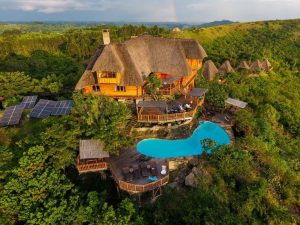
However, location can be just as important as luxury. A beautiful lodge located far from your designated trekking headquarters may require a long drive early in the morning, adding unnecessary travel to an already demanding day. For first-time gorilla trekkers, staying close to the assigned trekking sector can make the morning more relaxed and give you more time to prepare for the adventure.
Once your gorilla permit and trekking sector are confirmed, your safari operator can recommend accommodation that is conveniently located for your trek. This is particularly useful because the different trekking sectors of Bwindi are spread across a mountainous area, and road travel between sectors can take considerable time.
If you are traveling as a couple, family or private group, discuss your accommodation preferences with your Uganda safari operator before your itinerary is finalized. Whether you prefer a budget-friendly lodge, a comfortable mid-range property or a luxury safari experience, booking the right accommodation near your trekking point can contribute significantly to a smooth and enjoyable gorilla trekking safari in Uganda.
Prepare Physically for Gorilla Trekking
Preparing physically is an important part of learning how to plan your first gorilla trekking safari in Uganda. Unlike a conventional vehicle-based wildlife safari, gorilla trekking is a rainforest hiking experience that requires you to walk through natural forest terrain in search of a habituated gorilla family.
The difficulty of the trek can vary considerably from one day to another. Bwindi Impenetrable National Park and Mgahinga Gorilla National Park have mountainous terrain, and trails can include steep slopes, uneven ground, slippery sections and muddy conditions, particularly after rainfall. The amount of walking required also depends on where the gorilla family is located on the day of your trek.
You do not need to be an elite athlete or an experienced mountaineer to enjoy gorilla trekking in Uganda. However, building your fitness before your safari can make the experience more comfortable and enjoyable. Regular walking, hiking, stair climbing and moderate cardiovascular exercise can help improve your endurance and prepare your legs for longer periods of activity.
If you are not accustomed to hiking, start preparing several weeks before your trip and gradually increase the distance and intensity of your walks. Practicing on hills or uneven terrain can also be useful because rainforest trails are different from ordinary roads or gym environments.
It is also important to prepare for changing weather conditions. Rain can make forest trails slippery, so appropriate hiking shoes, long clothing and rain protection can significantly improve your comfort during the trek.
If you have concerns about your fitness or mobility, discuss your expectations with your safari operator before finalizing your itinerary. An experienced operator can explain the typical trekking conditions, help you choose an appropriate trekking option and make practical arrangements that support a more comfortable Uganda gorilla trekking safari.
Pack the Right Gear
Packing the right gear is one of the most important ways to prepare for your first gorilla trekking experience. Unlike a conventional wildlife safari where much of your time may be spent inside a vehicle, gorilla trekking involves walking through dense rainforest, navigating steep and uneven trails, and sometimes dealing with muddy or wet conditions. Having the appropriate clothing and equipment can therefore make a significant difference to your comfort, safety, and overall enjoyment throughout the day.
Start with a pair of sturdy hiking boots that provide excellent traction and comfortable ankle support. Waterproof or water-resistant boots are particularly useful because rainforest trails can become muddy and slippery, especially after rainfall. Wear long trousers and long-sleeved clothing to protect your legs and arms from vegetation, insects, and minor scratches as you move through the forest. A lightweight waterproof jacket or poncho should also be included in your daypack because weather conditions can change quickly in rainforest environments.
Your daypack should be lightweight but large enough to carry the essentials you may need during the trek. Make sure you have enough drinking water to stay hydrated, as the length and difficulty of a gorilla trek can vary considerably. You may also want to carry some personal snacks, tissues, sunscreen, insect repellent, personal medication, and other small necessities. A camera or smartphone can help you capture memorable moments, but photography should always be conducted responsibly and according to the instructions provided by your guides and park authorities. Avoid using flash photography or making sudden movements when you are near the gorillas.
Other useful items include a reusable water bottle, extra camera batteries, a power bank, sunscreen, insect repellent, personal medication, lightweight gloves, and a small amount of cash for emergencies or local services. Lightweight gardening or trekking gloves can be especially useful when you need to hold vegetation or move through dense undergrowth. If you wear glasses, consider bringing a secure case or strap, while travelers with valuable electronic equipment should protect it from rain and moisture using waterproof bags or dry sacks.
Avoid carrying unnecessary luggage into the forest. A compact, comfortable, and well-organized daypack is much better than a large or heavy backpack, particularly when you may be hiking for several hours. Keeping your luggage light allows you to move more easily through challenging terrain and leaves you with more energy to appreciate the forest and the gorilla encounter itself.
Know What Happens on the Day of the Trek
Your gorilla trekking day normally begins early in the morning, so it is important to have a good night’s rest and prepare your equipment before going to bed. Depending on your accommodation and the gorilla trekking sector you have been assigned, your tour operator or guide will advise you on the appropriate time to leave for the park headquarters or designated starting point. Having breakfast before departure and carrying sufficient drinking water will help you start the trek with the energy required for a potentially demanding day in the forest.
At the park headquarters or designated entry point, you will normally complete the necessary registration and permit verification before receiving a detailed briefing. During this briefing, visitors are introduced to the rules and procedures that help protect both trekkers and the gorillas. You will receive important information about how to behave around the animals, how to maintain an appropriate distance, photography etiquette, and why following the instructions of your guides and rangers is essential throughout the experience.
After the briefing, trekkers are organized into groups and begin the journey into the forest with experienced guides and park rangers. The search for the assigned gorilla family may involve walking along established trails, through thick vegetation, across steep slopes, and over muddy or uneven ground. The exact experience can be different for every group because gorillas are wild animals that move freely through their natural habitat. Your guides and trackers use their knowledge of the forest and the gorillas’ movements to locate the assigned family.
The length and difficulty of the trek can vary considerably. On some days, the gorilla family may be relatively close to the starting point, resulting in a shorter and less demanding walk. On other days, the gorillas may have moved deeper into the forest, requiring several hours of hiking through challenging terrain before they are located. This uncertainty is part of what makes gorilla trekking such a unique wildlife experience. Travelers should therefore prepare mentally and physically for a range of conditions rather than expecting the trek to follow a fixed route or duration.
Once the gorillas are located, the atmosphere changes from hiking to quiet observation. You may have the opportunity to watch the animals feeding, resting, playing, grooming one another, or interacting within their family group. Your guides and rangers will explain what you are seeing and provide instructions on where to stand, how to move, and how to behave around the gorillas. Listening carefully to these instructions is extremely important because responsible visitor behavior helps minimize stress and disturbance to the animals.
The gorilla encounter is about much more than taking photographs. Sitting or standing quietly in the rainforest while observing a gorilla family in its natural environment can be an incredibly powerful and memorable experience. Take time to appreciate the sounds of the forest, the behavior of the animals, and the expertise of the guides and trackers who make the encounter possible. Responsible gorilla tourism also plays an important role in supporting conservation and protecting the forests that provide a home for these remarkable primates.
When the permitted viewing period comes to an end, your group will leave the gorillas and begin the journey back through the forest. Depending on the route and conditions, the return journey may be just as challenging as the trek in. This is why comfortable footwear, adequate water, appropriate clothing, and a lightweight backpack are so important. By preparing properly and following the guidance of your trekking team, you can enjoy a rewarding gorilla trekking experience while helping protect Uganda’s gorillas and their fragile rainforest habitat.
Follow Responsible Gorilla Trekking Practices
Responsible tourism is an essential part of every gorilla trekking experience in Uganda. Mountain gorillas are wild and highly protected animals, and the forests where they live are sensitive ecosystems that require careful management. Every visitor has a responsibility to minimize their impact on the gorillas, their habitat, and the other wildlife found within the forest. Responsible trekking not only protects the animals but also helps ensure that future travelers can continue to experience these remarkable encounters.
Always follow the instructions of your guides, trackers, rangers, and park authorities throughout the trek. These professionals understand gorilla behavior and the forest environment and are responsible for helping visitors maintain safe and respectful interactions with the gorilla family. Never attempt to touch, feed, chase, or approach a gorilla, even if an animal moves closer to you. Gorillas are wild animals, and maintaining an appropriate distance and remaining calm are important parts of responsible wildlife viewing.
Keeping noise levels low is equally important. Avoid shouting, playing loud music, making sudden movements, or attempting to attract the attention of the gorillas. When you encounter the gorilla family, remain calm and allow the animals to behave naturally. Your guides will advise you where to stand, how to move, and when it is appropriate to take photographs. Following these instructions helps reduce disturbance and allows you to observe the gorillas in a more natural setting.
Visitors should also help protect the forest itself. Never leave rubbish behind, including food wrappers, plastic bottles, tissues, or other waste. Avoid damaging plants, breaking branches, or moving vegetation unnecessarily. Everything you bring into the forest should leave with you unless it is specifically permitted to be disposed of at an appropriate location. Small individual actions may seem insignificant, but responsible behavior from every visitor contributes to the long-term protection of the ecosystem.
Health and hygiene are also important when visiting mountain gorillas. If you are feeling unwell, particularly if you have symptoms of an infectious illness, inform your tour operator, guide, or park authorities before the trek. Mountain gorillas can be vulnerable to human diseases, so visitors should take reasonable precautions to avoid exposing them to illness. Your trekking team can advise you on the appropriate procedures and whether you should participate in the trek.
The regulations surrounding gorilla trekking are designed to protect visitors, gorillas, guides, rangers, and the wider conservation environment. These rules should not be viewed as restrictions that take away from the experience. Instead, they are an important part of responsible tourism and help create a sustainable relationship between visitors, local communities, conservation authorities, and the gorillas.
When planning your first gorilla trekking safari in Uganda, responsible behavior should therefore be treated as an essential part of the experience rather than an optional extra. A successful trek is not simply measured by how close you get to the gorillas or how many photographs you take. It is also measured by whether you leave the forest without disturbing the animals or damaging the environment that makes the experience possible.
Plan Your Transportation Carefully
Transportation can have a major effect on the overall quality and comfort of your Uganda safari. Gorilla trekking destinations such as Bwindi Impenetrable National Park and Mgahinga Gorilla National Park are located far from Uganda’s main international gateway at Entebbe, meaning that transportation and journey times should be considered carefully when creating your itinerary. A poorly planned route can result in long, tiring drives and leave you arriving at your trekking destination without enough time to rest and prepare.
If you are beginning your safari in Entebbe or Kampala, allow sufficient time for the journey toward southwestern Uganda. Depending on your route, road conditions, stops, weather, and the destinations included in your itinerary, the drive can take many hours. Rather than treating the transfer as simply a journey from one point to another, consider incorporating interesting stops, scenic viewpoints, cultural experiences, or overnight stays along the way. This can make the journey more enjoyable while reducing the amount of time spent driving in a single day.
A private 4×4 safari vehicle is often a practical choice for travelers who want flexibility during a Uganda safari. A suitable safari vehicle provides greater comfort on longer journeys and can be useful when traveling on rough or unpaved roads leading toward national parks and remote accommodation. Having a dedicated driver-guide also allows your itinerary to be adjusted when necessary and gives you someone who can provide information about Uganda’s landscapes, wildlife, communities, and attractions along the route.
Your driver-guide can play an important role in making the journey more than simply a transfer between destinations. Along the way, you may pass through rural communities, agricultural areas, forests, towns, and changing landscapes that provide a broader understanding of Uganda beyond its famous national parks. A knowledgeable guide can also help you manage travel times, planned stops, road conditions, and changes to the itinerary when necessary.
When designing your safari, avoid creating an itinerary that requires you to move between distant destinations every day. Although it may be tempting to include as many attractions as possible, constantly packing, checking out, driving long distances, and checking into new accommodation can make your trip exhausting. A slower and more realistic itinerary often provides a much better experience because it gives you enough time to appreciate each destination rather than simply passing through it.
This is particularly important immediately before your gorilla trek. Ideally, your itinerary should allow you to arrive near the gorilla trekking sector at least the day before your scheduled trek. This provides a valuable buffer in case of traffic, road delays, weather conditions, or unexpected changes during the journey. It also gives you time to check into your accommodation, organize your trekking equipment, speak with your guide, and get a good night’s rest before the early start.
If your itinerary combines gorilla trekking with other major attractions such as Kibale National Park, Queen Elizabeth National Park, Lake Bunyonyi, or Murchison Falls National Park, the order of destinations should be carefully considered. A professional tour operator can design the route according to your available time, trekking sector, accommodation preferences, and other safari interests, helping you avoid unnecessary backtracking and excessive driving.
Ultimately, transportation should be considered an important part of your safari planning rather than an afterthought. A well-designed route gives you more time to rest, explore, photograph the landscape, interact with local communities, and enjoy Uganda’s diverse attractions. By allowing realistic travel times and arriving near the gorilla trekking area before your scheduled experience, you can begin your trek feeling prepared, rested, and ready to enjoy one of Africa’s most extraordinary wildlife encounters.
Create a Realistic Gorilla Safari Budget
Creating a realistic budget is one of the most important steps when planning your first gorilla trekking safari in Uganda. The total cost of your trip will depend on several factors, including the price of the gorilla trekking permit, the number of days you spend in Uganda, your choice of accommodation, transportation, meals, activities, and the level of private service you prefer. While the gorilla permit is one of the most significant individual expenses, it represents only part of the total cost of organizing a complete safari.
Your accommodation choice can have a major influence on the final price. Travelers seeking a luxury gorilla trekking experience may choose high-end lodges offering premium rooms, private services, exceptional views, and additional amenities. Travelers working with a moderate budget can instead select comfortable mid-range lodges or guesthouses located conveniently near their trekking sector. Budget-conscious travelers may also find simpler accommodation options that allow them to dedicate more of their available funds to the actual trekking and wildlife experiences.
Transportation is another important part of your budget. A private safari vehicle and professional driver-guide can provide greater flexibility, particularly if your itinerary includes several national parks or destinations. Longer routes naturally increase transportation costs, while a carefully designed itinerary can reduce unnecessary driving and backtracking. Your quotation may also include fuel, airport transfers, meals, park activities, accommodation, guide services, and other logistical arrangements, so it is important to understand exactly what is included before making a decision.
When requesting quotations from Uganda safari companies, provide as much information as possible about your planned trip. Include your travel dates, number of travelers, preferred accommodation level, approximate trip duration, gorilla trekking sector, and additional activities you would like to experience. If you are interested in chimpanzee trekking, wildlife safaris, cultural experiences, boat cruises, or other activities, mention them from the beginning so the operator can create an accurate itinerary and quotation.
Do not compare safari companies based solely on the headline price. A quotation that appears cheaper may exclude important services that another operator has already included. When comparing proposals, look carefully at the gorilla permit, accommodation category, transportation, meals, park fees, activities, guide services, airport transfers, and any additional charges. A detailed quotation makes it much easier to understand what you are actually paying for and allows you to compare different safari packages fairly.
It is also worth keeping a small contingency amount in your budget for personal expenses, optional activities, tips, souvenirs, drinks, travel insurance, and unexpected changes during your trip. Planning with some financial flexibility can make your safari more comfortable and prevent minor additional expenses from becoming a major concern.
Choose a Reliable Uganda Safari Operator
Choosing a trustworthy Uganda safari operator is one of the most important decisions you will make when planning your first gorilla trekking experience. Your tour operator may be responsible for coordinating several important elements of the trip, including your gorilla trekking permit, accommodation, transportation, meals, activities, park entry arrangements, and professional guiding services. A reliable company can therefore make the entire planning process significantly easier.
When evaluating a safari operator, look for clear communication, transparent pricing, realistic itineraries, responsive customer service, and verifiable business information. A professional company should be able to explain exactly what is included in your package and answer questions about accommodation, transportation, permits, activities, cancellation terms, and payment procedures. You should also know who will be responsible for coordinating your gorilla permit and what arrangements are in place for your transportation and accommodation.
It is advisable to check whether the company has an established online presence and verifiable information about its operations. Look for a professional website, genuine customer reviews, clear contact information, and evidence that the company actively operates safari experiences in Uganda. Travelers should also be cautious of companies that provide vague quotations, pressure customers into making immediate payments, or offer prices that appear unrealistically low compared with other established operators.
The Uganda Tourism Board and other relevant tourism authorities provide resources that can help travelers research tourism businesses and understand Uganda’s regulated tourism sector. Before making a booking, take time to verify the company’s credentials and ask questions if any part of the quotation or itinerary is unclear.
Customer reviews can also provide useful insight into the quality of a safari company. Rather than focusing only on the overall rating, read individual reviews to understand what previous travelers say about the company’s communication, guides, accommodation, transportation, organization, and ability to handle unexpected situations. Recent and detailed reviews are particularly useful because they can give you a better understanding of the operator’s current level of service.
Most importantly, do not make your decision based entirely on the cheapest quotation. Gorilla trekking is a significant investment, and the quality of the planning, accommodation, vehicle, driver-guide, permit coordination, and overall customer support can have a major effect on your experience. A slightly higher quotation may provide considerably better value if it includes reliable services, better accommodation, a well-planned route, and professional support throughout your safari.
Why Choose Abunda Discoveries Uganda?
Abunda Discoveries Uganda specializes in tailor-made Uganda and East African safari experiences, providing travelers with opportunities to explore some of the region’s most remarkable destinations. Its safari services include gorilla trekking, chimpanzee tracking, wildlife safaris, cultural experiences, and customized multi-day itineraries designed around different travel interests and budgets.
For a first-time visitor to Uganda, working with one experienced safari operator can simplify the planning process considerably. Instead of arranging your gorilla permit, accommodation, transportation, activities, and transfers separately, you can have the major components of your journey coordinated through one itinerary. This can make it easier to manage travel times, accommodation locations, park activities, and the practical requirements of your gorilla trekking experience.
Abunda Discoveries Uganda can also help travelers create itineraries that combine gorilla trekking with other Ugandan highlights. Depending on your available time and interests, your safari can be designed around experiences such as chimpanzee trekking in Kibale National Park, wildlife viewing, Lake Bunyonyi, cultural encounters, and other national park experiences. A tailor-made approach allows the itinerary to be adjusted according to your preferred pace, accommodation level, budget, and travel dates.
For travelers planning their first gorilla trekking safari, the goal should not simply be to find the lowest available price. The ideal safari is one that combines responsible gorilla tourism, reliable logistics, comfortable accommodation, professional guiding, realistic travel times, and memorable experiences. Taking the time to choose the right operator and build a well-balanced itinerary can make your journey to Uganda considerably more enjoyable.
You can explore Abunda Discoveries Uganda’s safari options to start comparing itinerary ideas and discover the different experiences available. You can also browse the company’s gorilla trekking safari packages for inspiration when planning your Uganda adventure.
A Sample 3-Day First Gorilla Trekking Safari
A three-day gorilla trekking safari can work well for travelers with limited time who want to experience Uganda’s mountain gorillas without committing to a longer holiday. However, because southwestern Uganda is a considerable distance from Entebbe and Kampala, the itinerary should be planned carefully and should allow enough time for road travel, rest and the actual trekking experience. The exact route will depend on your chosen trekking sector, arrival point, accommodation and onward travel plans.
Day 1: Travel to Southwestern Uganda
Begin your journey from Entebbe, Kampala or another agreed starting point and travel toward southwestern Uganda. Depending on your starting location, road conditions and the gorilla trekking sector assigned to you, the journey can take several hours. Your safari guide can plan suitable stops along the way so that the transfer is comfortable rather than simply being a long drive.
If you are traveling directly toward Bwindi or Mgahinga, aim to arrive near your confirmed trekking sector in time to check into your accommodation, organize your trekking equipment and rest before the following day’s trek. Staying close to your designated starting point is particularly important because gorilla trekking normally begins early in the morning.
Accommodation: Lodge or hotel near your confirmed gorilla trekking sector.
Meals: Lunch and dinner, depending on your arrival time and selected package.
Day 2: Gorilla Trekking in Bwindi
Wake up early and enjoy breakfast before proceeding to the designated trekking point for registration, permit verification and the pre-trekking briefing. Your guides and park rangers will explain the rules for interacting with the gorillas and provide information about what to expect during the trek.
You will then enter the forest and begin searching for your assigned gorilla family. The length and difficulty of the trek cannot be guaranteed in advance because the gorillas move naturally through their habitat. Some groups may reach the gorillas after a relatively short walk, while others may spend several hours hiking through steep, muddy or densely vegetated terrain.
Once the gorillas are located, follow the instructions of your guides and rangers carefully. The encounter provides an opportunity to observe the animals feeding, resting, playing, grooming and interacting with other members of their family. Take photographs responsibly, maintain the required distance and avoid actions that could disturb the animals.
After the viewing experience, begin the journey back through the forest and return to your lodge for a well-earned rest. Depending on the duration and difficulty of the trek, the afternoon can be used for relaxation or a quiet activity around the lodge.
Accommodation: Lodge or hotel near your trekking sector.
Meals: Breakfast, lunch and dinner, depending on the selected package.
Day 3: Departure or Continue Your Safari
After breakfast, begin your journey toward your next destination or return toward Entebbe or Kampala, depending on your onward travel arrangements. Because road journeys in Uganda can be long, your departure schedule should allow sufficient time for the transfer rather than creating a rushed itinerary.
Travelers with additional time can extend the safari instead of returning immediately. Lake Bunyonyi is an excellent option for relaxation after the trek, while travelers interested in wildlife can continue toward Queen Elizabeth National Park. Those with more time and an interest in primates can consider extending their journey toward Kibale National Park for chimpanzee trekking.
Adding another destination can transform a short gorilla experience into a more comprehensive Uganda safari, allowing you to experience different landscapes, wildlife habitats and cultural environments.
Meals: Breakfast and additional meals depending on your onward itinerary.
Common Mistakes to Avoid When Planning Your First Gorilla Safari
One of the biggest mistakes is waiting too long before checking gorilla permit availability. Once your travel dates are reasonably fixed, begin the permit process so that you have a better chance of securing your preferred trekking date.
Another common mistake is booking accommodation before confirming the trekking sector. Bwindi is divided into different trekking sectors, and accommodation in one area may not be convenient for a trek starting in another. Confirm your trekking location first and then choose accommodation that makes the morning transfer as easy as possible.
It is also important not to overload your itinerary. Uganda is a large country, and road travel between destinations can take several hours. Trying to combine too many distant attractions into a short trip can leave you spending more time in a vehicle than enjoying the destinations themselves. A slower and realistic itinerary usually produces a more enjoyable safari.
Another mistake is failing to prepare physically. Gorilla trekking can involve steep, muddy and uneven terrain, and the distance can vary considerably depending on where the gorilla family is located. Regular walking, hiking and other forms of endurance exercise before your trip can help you feel more comfortable during the trek.
Finally, do not compare safari companies on price alone. Look carefully at what is included in each quotation, including the gorilla permit, accommodation, transportation, meals, driver-guide services, park activities and other logistical arrangements. The operator’s communication, credibility, experience and ability to coordinate the different parts of your safari are equally important.
Final Thoughts on Planning Your First Gorilla Trekking Safari in Uganda
Knowing how to plan your first gorilla trekking safari in Uganda allows you to approach this once-in-a-lifetime experience with greater confidence. While the gorilla encounter itself is the highlight, the quality of your overall experience depends heavily on the decisions you make before reaching the forest.
Start by deciding when you want to travel and then check gorilla permit availability. Once you know your preferred trekking date, choose between Bwindi and Mgahinga and confirm the appropriate trekking sector. Your accommodation and transportation should then be organized around that confirmed location rather than selected independently.
From there, build the rest of your itinerary around realistic travel times. If you have only a few days, concentrate on gorilla trekking and avoid unnecessary long-distance transfers. If you have more time, consider combining the experience with chimpanzee trekking in Kibale, wildlife viewing in Queen Elizabeth National Park, or relaxation around Lake Bunyonyi.
Your budget should also be based on the complete safari rather than the gorilla permit alone. Accommodation, transportation, meals, guiding, park activities and additional destinations can all contribute to the final cost. Requesting a detailed quotation from a reputable safari operator makes it easier to understand what you are paying for and compare different options fairly.
Most importantly, choose a reliable operator and approach the trek with respect for the animals and their habitat. Follow the instructions of your guides and rangers, avoid disturbing the gorillas, keep the forest clean and remember that you are entering a protected natural environment.
With thoughtful preparation, your first gorilla trekking safari can become much more than a holiday. It can be an extraordinary journey into Uganda’s rainforest, an opportunity to encounter mountain gorillas in their natural environment, and a chance to contribute to the conservation and protection of one of Africa’s most remarkable wildlife species.
For travelers looking for a professionally organized experience, Abunda Discoveries Uganda can help coordinate gorilla trekking and wider Uganda safari itineraries around your travel dates, interests and preferred level of accommodation. A carefully planned safari allows you to spend less time worrying about logistics and more time enjoying the forests, wildlife, landscapes and communities that make Uganda such a memorable destination.
Your first gorilla trekking safari begins long before you enter the forest. Plan carefully, travel responsibly, and give yourself enough time to enjoy the journey.
Frequently Asked Questions About Planning a First Gorilla Trekking Safari
How far in advance should I plan my first gorilla trekking safari in Uganda?
It is advisable to begin planning your gorilla trekking safari as early as possible, particularly if you have fixed international travel dates or intend to visit during a busy travel period. Gorilla trekking permits are limited, and your preferred trekking date may not always be available at short notice. Early planning also gives you more choice when selecting accommodation, transportation and the overall route of your safari.
Once you know approximately when you want to travel, contact a reputable Uganda safari operator to check permit availability and begin building your itinerary. This allows the permit, accommodation and transportation arrangements to be coordinated rather than booked separately.
Where can I go gorilla trekking in Uganda?
Mountain gorilla trekking in Uganda takes place in Bwindi Impenetrable National Park and Mgahinga Gorilla National Park, both located in southwestern Uganda.
Bwindi is divided into several trekking sectors, including Buhoma, Ruhija, Rushaga and Nkuringo. Each sector has its own accommodation options and access routes, so your confirmed trekking location should be considered when choosing where to stay.
Mgahinga offers another exceptional gorilla trekking experience within a spectacular volcanic landscape. The best choice between Bwindi and Mgahinga depends on your preferred travel dates, permit availability, accommodation, transportation route and wider safari plans.
How difficult is gorilla trekking in Uganda?
The difficulty of gorilla trekking varies from one day to another because the gorillas move naturally through the forest. Some groups may be located relatively close to the starting point, while others may require several hours of hiking through steep, muddy or densely vegetated terrain.
You do not need to be an experienced mountaineer to participate, but a reasonable level of fitness is recommended. Preparing with regular walking, hiking, stair climbing or other endurance activities can make the trek more comfortable. Travelers with mobility concerns should discuss their circumstances with their safari operator before booking so that suitable arrangements and expectations can be established.
What should I wear for gorilla trekking?
Wear comfortable, practical clothing suitable for rainforest conditions. Sturdy hiking boots with good traction are particularly important because trails can become muddy and slippery. Long trousers and a long-sleeved shirt can help protect your skin from vegetation and insects.
You should also carry a waterproof jacket or rain poncho because rainforest weather can change quickly. Other useful items include lightweight gloves, insect repellent, sunscreen, a reusable water bottle and a small waterproof bag for protecting electronic equipment.
The priority should always be comfort and practicality rather than fashion. You may encounter mud, rain, steep slopes and dense vegetation during the trek.
Can I combine gorilla trekking with a Uganda safari?
Yes. Gorilla trekking can be combined with many of Uganda’s other attractions, making it possible to create a much broader safari experience.
Travelers can combine gorilla trekking with chimpanzee trekking in Kibale National Park, wildlife game drives, boat cruises, cultural experiences and scenic destinations such as Lake Bunyonyi. Longer itineraries can also include destinations such as Queen Elizabeth National Park or Murchison Falls National Park.
Combining several experiences is an excellent way to experience Uganda’s different landscapes and ecosystems rather than limiting your trip to one destination.
Is Uganda good for a first safari?
Yes. Uganda is an excellent destination for first-time safari travelers because it offers a diverse combination of wildlife, primates, forests, lakes, rivers, mountains and cultural experiences.
A first-time visitor can experience mountain gorillas in Bwindi or Mgahinga, chimpanzees in Kibale, traditional savannah wildlife in several national parks and scenic experiences around destinations such as Lake Bunyonyi. This variety allows travelers to build an itinerary around their personal interests rather than following a single type of safari.
Uganda is particularly attractive for travelers who want a safari that combines wildlife encounters with adventure, nature and cultural experiences.
Can I plan a gorilla safari from Kigali?
Yes. Travelers can arrange a gorilla trekking itinerary beginning in Kigali, Rwanda, and continue overland into southwestern Uganda. This can be a convenient option for travelers who want to combine Rwanda and Uganda or whose international flight schedule makes Kigali a practical arrival point.
The exact route and travel time will depend on the Ugandan trekking sector you choose. Travelers crossing the Rwanda-Uganda border should also confirm the current visa, immigration and entry requirements before their journey.
A reputable tour operator can help coordinate the cross-border itinerary and ensure that transportation and accommodation are arranged around your confirmed trekking date.
How much does a Uganda gorilla trekking safari cost?
There is no single price that applies to every Uganda gorilla trekking safari because the total cost depends on several factors. These can include the gorilla trekking permit, accommodation category, number of travelers, number of safari days, transportation, meals, driver-guide services and additional activities.
A short budget or mid-range safari will naturally have a different cost from a longer luxury itinerary with premium accommodation and private services.
For this reason, requesting a personalized quotation is generally more useful than relying on one standard advertised price. Provide your travel dates, group size, preferred accommodation level and activities you would like to include so that the operator can prepare a detailed itinerary and transparent quotation.