- CONTACT US NOW:
- +256 784 928 080
- info@abundadiscoveriesuganda.com

Forest Elephants in Bwindi

Where to stay when visiting Uganda?
October 30, 2024
Practical tips for planning a gorilla safari
October 30, 2024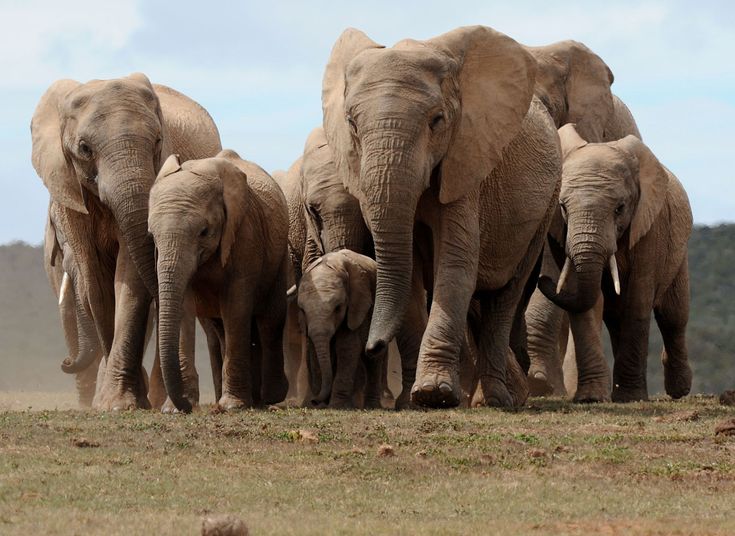
Forest Elephants in Bwindi Impenetrable National Park: Uganda’s Hidden Giants
Forest elephants in Bwindi Impenetrable National Park are among the park’s most elusive and fascinating wildlife species. While Bwindi is internationally famous for its endangered mountain gorillas, this ancient rainforest also supports a remarkable diversity of mammals, birds, plants, and other wildlife.
Seeing an elephant in Bwindi is rare. The park’s dense vegetation, rugged terrain, and the secretive nature of elephants make direct sightings uncommon. However, their presence contributes to the extraordinary ecological richness that makes Bwindi Impenetrable National Park one of Uganda’s most important protected areas.
In this guide, discover the characteristics of forest-dwelling elephants, their ecological importance, conservation challenges, and what visitors should know when exploring Bwindi.
1. What Are Forest Elephants?
African forest elephants are traditionally associated with the dense tropical forests of Central and West Africa. They are classified as a distinct species, Loxodonta cyclotis, and differ from the larger African savanna elephant, Loxodonta africana.
Forest elephants generally have several characteristics that help them adapt to life in dense woodland.
Smaller and More Compact Bodies
Forest elephants are generally smaller than African savanna elephants. Their more compact size helps them move through thick vegetation and narrow forest pathways.
Straighter Tusks
Their tusks tend to point more downward and are generally straighter than those of savanna elephants. These tusks can assist with feeding and moving through dense vegetation.
Rounded Ears
Forest elephants typically have more rounded ears than their savanna relatives. However, identifying an elephant in a dense rainforest can be difficult, especially when only tracks or other signs are visible.
In southwestern Uganda, elephants associated with Bwindi’s forest ecosystem are extremely elusive, making them a rare wildlife sighting for visitors.
2. The Ecological Role of Elephants in Bwindi
Elephants are often described as ecosystem engineers because their movements and feeding habits can influence the structure and regeneration of forests.
Seed Dispersal
Elephants consume a wide variety of plant material, including fruits. As they move through the forest, they can transport and disperse seeds over considerable distances.
This process supports plant regeneration and helps maintain the diversity of forest vegetation.
Creating Natural Pathways
As large animals move through dense vegetation, they can open pathways and disturb vegetation. These changes may create opportunities for other species and contribute to the natural dynamics of the forest.
Supporting Forest Regeneration
Elephant dung returns nutrients and organic material to the environment. Seeds contained in dung may also germinate, helping some plant species spread to new areas.
These ecological processes demonstrate why large mammals remain important to healthy and functioning forest ecosystems.
3. Why Are Elephants So Difficult to See in Bwindi?
Visitors should not expect elephant sightings to be a regular part of a Bwindi safari. Even experienced guides may encounter only indirect evidence of their presence.
Several factors make sightings particularly difficult.
Dense Rainforest Vegetation
Bwindi is known for its thick vegetation and dense forest cover. Visibility is often limited, even when wildlife is nearby.
Rugged Terrain
The park’s steep hills, valleys, and thick undergrowth provide wildlife with many areas where they can move without being easily seen.
Secretive Behavior
Forest-dwelling elephants generally avoid human activity. Their ability to move quietly through dense vegetation makes them particularly difficult to locate.
Signs Are More Common Than Sightings
Visitors are more likely to encounter evidence such as:
- Elephant footprints.
- Dung.
- Broken branches.
- Feeding signs.
- Paths or trails used by large mammals.
A knowledgeable park guide can help visitors identify these signs and understand what they reveal about wildlife activity in the forest.
4. Forest Elephants and Wildlife Viewing in Bwindi
Bwindi is best known as one of the world’s most important destinations for gorilla trekking. Most visitors come to the park to spend time with a habituated mountain gorilla family.
However, the forest offers much more than gorillas.
Bwindi is home to a remarkable variety of wildlife and supports numerous mammals, primates, birds, butterflies, and plant species. Visitors may encounter animals such as monkeys, forest birds and other wildlife while participating in guided activities.
An elephant sighting should therefore be considered an exceptional wildlife bonus rather than a guaranteed safari experience.
5. Conservation Challenges Facing Forest Elephants
Across Africa, forest elephants face serious conservation pressures. Their populations have historically been affected by poaching, habitat loss, and conflict between wildlife and nearby human communities.
Poaching and Ivory Trade
The illegal ivory trade has been one of the most significant threats to African elephants. Although conservation laws and anti-poaching efforts provide important protection, illegal wildlife trade remains a serious challenge in parts of Africa.
Habitat Loss and Fragmentation
Growing human populations and changing land use can reduce and fragment natural habitats. Protected areas such as Bwindi play an essential role in preserving important forest ecosystems.
Human-Wildlife Conflict
Communities living close to protected areas may experience challenges when wildlife moves outside park boundaries. Conservation programs increasingly focus on improving coexistence between local communities and wildlife.
6. Protection of Bwindi Impenetrable National Park
Bwindi Impenetrable National Park is one of Uganda’s most important conservation areas and is recognized as a UNESCO World Heritage Site.
The park protects a unique montane rainforest ecosystem and provides an important refuge for many species.
The Uganda Wildlife Authority manages Uganda’s national parks and works with conservation partners and surrounding communities to protect wildlife and promote sustainable tourism.
Conservation in Bwindi is particularly important because the park protects not only mountain gorillas but also an exceptional variety of plants and animals that depend on the forest ecosystem.
Responsible tourism also contributes to conservation by supporting protected-area management, creating employment opportunities, and generating income for local communities.
7. How to Increase Your Chances of Seeing Elephant Signs in Bwindi
Although direct sightings are uncommon, wildlife enthusiasts can still learn about elephants during their visit.
Join Guided Nature Walks
A guided nature walk provides an opportunity to explore Bwindi beyond gorilla trekking. Experienced guides can identify tracks, feeding signs, animal calls, and other evidence of wildlife activity.
Start Activities Early
Early morning activities can offer excellent opportunities for observing wildlife when the forest is cooler and relatively quiet.
Pay Attention to Your Guide
Professional guides understand the forest and can recognize subtle signs that visitors may easily miss. Even when an elephant is not visible, learning to identify its tracks or feeding activity can be an exciting part of the experience.
Keep Realistic Expectations
Elephants are not a guaranteed attraction in Bwindi. Visitors should plan their safari around the park’s main experiences, particularly gorilla trekking, while appreciating any additional wildlife encounter as a special bonus.
8. Why Elephants Matter to Bwindi’s Biodiversity
The presence of large mammals adds to the ecological importance of Bwindi Impenetrable National Park.
Elephants and other large herbivores can influence vegetation, contribute to seed dispersal, and help shape natural ecosystems. Their conservation is therefore connected to the protection of the wider forest environment.
Protecting Bwindi means protecting an entire ecosystem rather than focusing on a single species.
This approach benefits:
- Mountain gorillas.
- Other primates and mammals.
- Forest birds.
- Reptiles and amphibians.
- Insects and butterflies.
- Native trees and plant species.
- Local communities that benefit from sustainable tourism.
9. Combine Gorilla Trekking with Other Bwindi Wildlife Experiences
A visit to Bwindi can include much more than gorilla trekking. Depending on the sector you visit and the activities available, you may also enjoy guided forest walks, birdwatching, cultural encounters, and scenic experiences around the park.
For travelers who want to explore Uganda’s remarkable wildlife, combining Bwindi with destinations such as Queen Elizabeth National Park, Kibale National Park, Lake Mburo National Park, or Murchison Falls National Park can create a more diverse safari experience.
At Abunda Discoveries Uganda, we can help you plan a tailor-made Uganda safari that combines gorilla trekking with wildlife viewing, cultural experiences, scenic landscapes, and other adventures.
Frequently Asked Questions About Forest Elephants in Bwindi
Are there elephants in Bwindi Impenetrable National Park?
Bwindi has a diverse range of wildlife, including elephants associated with its forest ecosystem. However, they are extremely difficult to see because of the park’s dense vegetation and their elusive behavior.
Can I see elephants while gorilla trekking in Bwindi?
It is possible to encounter signs of elephants or other wildlife during a trek, but elephant sightings are not guaranteed. Gorilla trekking remains the main wildlife activity in Bwindi.
What is the best time to visit Bwindi for wildlife?
Bwindi can be visited throughout the year. The drier periods are often preferred for trekking because forest trails may be easier to navigate, although wildlife experiences can vary throughout the year.
Are forest elephants the same as African savanna elephants?
No. African forest elephants, Loxodonta cyclotis, are recognized as a distinct species from African savanna elephants, Loxodonta africana. Forest elephants generally have a smaller body size, straighter tusks, and adaptations suited to dense forest environments.
Is elephant viewing guaranteed in Bwindi?
No. Elephants are among the most difficult animals to see in Bwindi. Visitors should consider any direct encounter a rare and special wildlife experience.
Conclusion: The Hidden Giants of Bwindi
Forest elephants in Bwindi Impenetrable National Park may be difficult to see, but their presence is an important reminder that Bwindi is far more than a gorilla trekking destination.
Behind the dense vegetation lies a complex and remarkable ecosystem filled with wildlife, ancient trees, birds, primates, and other species. Elephants and other large mammals contribute to the ecological processes that help maintain healthy forests.
When you visit Bwindi, look beyond the famous mountain gorillas. Listen to the sounds of the forest, watch for animal tracks, and allow your guide to introduce you to the hidden wildlife that makes this UNESCO World Heritage Site one of Africa’s most extraordinary natural destinations.
Plan Your Bwindi Wildlife Safari with Abunda Discoveries Uganda
Ready to explore Bwindi Impenetrable National Park?
Abunda Discoveries Uganda offers customized gorilla trekking and Uganda wildlife safaris designed around your interests, travel schedule, and budget. Whether you want to trek mountain gorillas, explore Uganda’s national parks, enjoy birdwatching, or experience the country’s spectacular landscapes, we can help you create a memorable African adventure.
Contact Abunda Discoveries Uganda today to start planning your Bwindi gorilla trekking and wildlife safari.