- CONTACT US NOW:
- +256 784 928 080
- info@abundadiscoveriesuganda.com

Gorilla Families in Rushaga
Activities to Do in Entebbe Town
September 12, 2025
Camping safaris in Uganda
September 12, 2025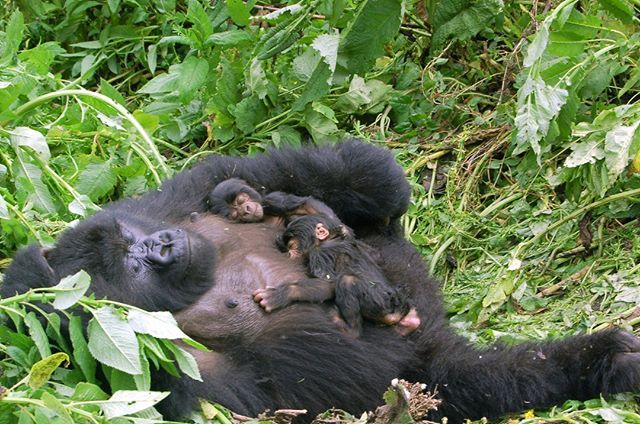
Rushaga sector, located in the southern part of Bwindi Impenetrable National Park in Uganda, is one of the most visited places for gorilla trekking. It is famous because it has the highest number of habituated mountain gorilla families in Bwindi. This makes it a top choice for travelers who want higher chances of seeing gorillas. The sector also offers the rare Gorilla Habituation Experience, where visitors spend more time with gorillas than in normal trekking. Gorilla Families in Rushaga
What makes Rushaga a popular gorilla trekking sector in Bwindi Impenetrable National Park?
Rushaga is popular because it has the largest number of gorilla families in Bwindi. More than five families are fully habituated and open for trekking. This gives tourists a better chance of securing permits, even during the busy months.
It is also the only sector that offers the Gorilla Habituation Experience, which allows more hours with gorillas. Rushaga’s location makes it easy to reach from nearby towns like Kisoro and even from Rwanda, making it very convenient.
How many gorilla families are in Rushaga sector?
Rushaga has over eight gorilla families, which is more than any other sector of Bwindi. Some families are fully habituated and ready for visitors, while others are still under the habituation process.
This high number of families spreads out the visitors, so no single group is overwhelmed. It also gives trekkers a variety of gorilla groups to visit.
What are the names of the gorilla families found in Rushaga?
Some of the well-known gorilla families in Rushaga include:
- Nshongi family
- Mishaya family
- Bweza family
- Kahungye family
- Busingye family
- Bikingi family
- Rwigi family
- Mucunguzi family
Each family has its own story, leadership, and size.
Can tourists trek all gorilla families in Rushaga?
Not all families are open to trekking. Tourists can only trek the habituated families that are used to human presence. Each day, groups of eight visitors are allowed to visit each family.
Families still undergoing the habituation process are reserved for the Gorilla Habituation Experience, not for standard trekking.
What is special about the Nshongi gorilla family in Rushaga?
The Nshongi family is famous for once being the largest habituated group in Bwindi. When it was first opened in 2009, it had over 30 members. Although it later split, it still remains one of the most important families.
Today, Nshongi has fewer members but is still popular because of its well-established trekking trails and fascinating social structure.
Why is the Mishaya gorilla family significant?
The Mishaya family split from Nshongi in 2010 under silverback Mishaya. He was known for his strong leadership and frequent battles with other groups. Through these encounters, he attracted new members to his family.
The Mishaya family shows visitors how dominant silverbacks lead and protect their families.
What is unique about the Bweza gorilla family in Rushaga?
The Bweza family also split from Nshongi. It is known for its calm nature and relatively stable leadership.
This family has a moderate number of members, which makes encounters easier for tourists. It is often recommended for first-time trekkers.
Can you trek the Kahungye gorilla family in Rushaga?
Yes. The Kahungye family is open for trekking. It was once very large, with over 27 members, but later split, leading to the creation of the Rwigi family.
Trekkers find this group exciting because of its dynamic interactions among silverbacks and females.
What is known about the Busingye gorilla family in Rushaga?
The Busingye family formed when silverback Busingye split from Kahungye in 2012. Although his name means “peace,” he is a dominant leader who often shows strength and authority.
This family is fascinating to observe because of the bold personality of its leader.
Are there newly habituated gorilla groups in Rushaga sector?
Yes. New families like Rwigi and Mucunguzi have recently been habituated. These groups increase the number of trekking options and spread visitor numbers.
They also allow tourists to observe younger gorillas adapting to human presence.
What is gorilla habituation experience in Rushaga?
The Gorilla Habituation Experience is only available in Rushaga and Nkuringo. Unlike normal trekking, where visitors spend one hour with gorillas, habituation allows four hours.
Tourists join researchers and trackers in the forest, watching gorillas as they get used to human presence. This experience is more detailed and educational.
How difficult is gorilla trekking in Rushaga sector?
The trek can be moderate to challenging, depending on the location of the gorilla family that day. The trails pass through steep slopes and thick forest.
Good physical fitness helps, but porters and walking sticks are available to assist. The encounter with gorillas makes the effort worthwhile.
What is the best time to see gorilla families in Rushaga?
The best time to trek in Rushaga is during the dry seasons of June to September and December to February. Trails are less muddy and easier to hike.
However, trekking happens year-round. In the rainy season, there are fewer visitors and lodges may offer discounts.
How many people can visit each gorilla family per day in Rushaga?
Only eight tourists can visit a gorilla family per day. This limit protects gorillas from too much human interaction and ensures each visitor enjoys an intimate experience.
What permits are required to trek gorilla families in Rushaga?
You need a gorilla trekking permit issued by the Uganda Wildlife Authority. This permit gives you access to one trek and one hour with the gorillas.
For the habituation experience, you need a special habituation permit, which allows four hours.
How much does a gorilla trekking permit cost in Rushaga?
The cost of a trekking permit is:
- Foreign non-residents: USD 800 per person
- Foreign residents: USD 800 per person
- East African citizens: UGX 250,000
For habituation, the permit costs USD 1,500 per person.
How do you get to Rushaga sector for gorilla trekking?
You can reach Rushaga by both road and air. By road, the journey from Kampala or Entebbe takes 8–10 hours through Mbarara and Kabale. From Kigali in Rwanda, it takes about 4–5 hours, making it a faster option.
By air, domestic flights from Entebbe or Kajjansi land at Kisoro airstrip, which is near Rushaga.
What accommodation options are available near Rushaga gorilla families?
Accommodation in Rushaga ranges from luxury to budget.
- Luxury: Clouds Mountain Gorilla Lodge, Gorilla Safari Lodge
- Mid-range: Ichumbi Gorilla Lodge, Rushaga Gorilla Camp
- Budget: Nshongi Camp, community guesthouses
Most lodges are close to the trekking start points, offering comfort and great views of the forest.
Can you combine gorilla trekking in Rushaga with other activities?
Yes. In Rushaga, visitors can also enjoy bird watching, forest walks, and cultural tours. Lake Mutanda, with its scenic views and canoeing, is nearby.
You can also combine gorilla trekking with a safari in Queen Elizabeth National Park, which is a few hours away.
What rules and regulations guide trekking gorilla families in Rushaga?
Trekking gorillas follows strict rules to protect both gorillas and visitors:
- Keep a distance of at least 7 meters from gorillas.
- Do not trek if you are sick.
- Only one hour is allowed with the gorillas.
- Do not use flash photography.
- Always follow the guide’s instructions.
These rules ensure the safety of the endangered gorillas and a sustainable tourism experience.
Final Thoughts
Rushaga sector offers the largest number of gorilla families in Bwindi and the unique habituation experience. With families like Nshongi, Mishaya, Bweza, Kahungye, and Busingye, visitors can choose from many trekking options. Its accessibility, wide range of lodges, and extra activities make it one of the best places for gorilla tourism in Uganda.