- CONTACT US NOW:
- +256 784 928 080
- info@abundadiscoveriesuganda.com

How seasons affect gorilla trekking?.
10 Unique Cultural Experiences in Rwanda and Uganda.
August 18, 2025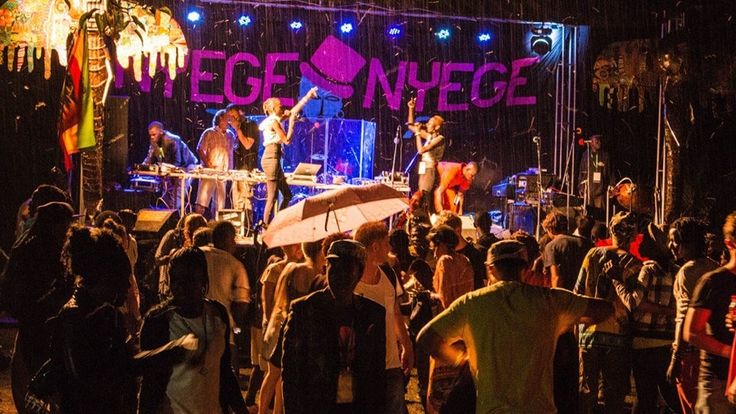
Nyege Nyege Festival Uganda
August 18, 2025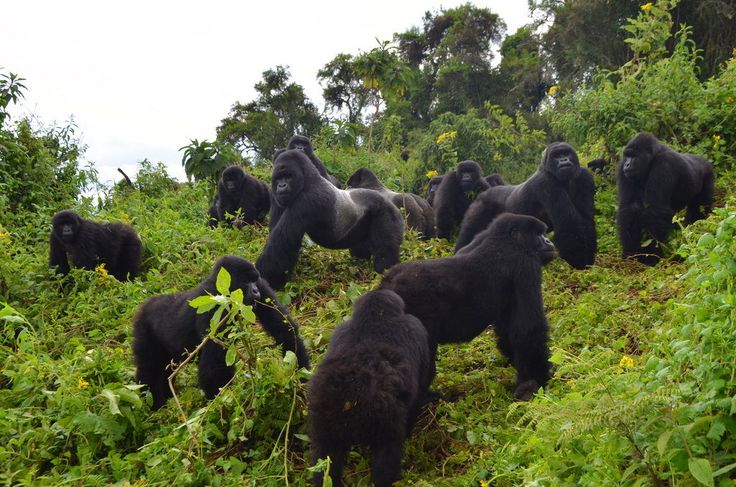
How seasons affect gorilla trekking?.
Gorilla trekking is an adventurous experience involving hiking through forests to observe habituated mountain gorillas in their natural habitat. .it typically begins with a briefing at park headquarters, followed by a small group led by an experienced guide. Once the gorillas are located, trekkers spend a memorable hour observing their behavior and interactions. How seasons affect gorilla trekking?.
The trek
In Uganda ar particularly in Bwindi Impenetrable National Park involves hiking through dense rainforestoften muddy slopes. He duration can vary from 2 to 7 hours, depending on the gorillas’ location. How seasons affect gorilla trekking?.
Group dynamics
Treks are often conducted in small groups of up to eight persons, escorted by expert park guides and trackers.
Encountering the gorillas
It contributes to the conservation of mountain gorillas and their habitat. The money generated from permits and tourism helps fund conservation efforts and provides benefits to local communities.
What to expect
One requires a moderate level of physical fitness as they can involve hiking uphill and on uneven terrain. It is advisable to prepare with appropriate hiking gear, including sturdy shoes, rain gear, and layered clothing.
Habituation versus trekking
A regular gorilla expedition includes visiting habituated gorilla families, which are accustomed to human presence. Gorilla habituation, on the other hand, allows for a longer four-hour encounter with semi-habituated gorillas, offering a deeper insight into their behavior.
What is gorilla trekking?
An adventurous wildlife activity that involves hiking through dense forests to observe mountain gorillas in their natural habitat.. It’s a popular activity for tourists in countries like Uganda, Rwanda, and the democratic republic of Congo, where mountain gorillas live. The experience typically involves a trek of a few hours, with a guided group to find a habituated gorilla family and spend limited time observing them.
Hiking
It involves hiking through challenging terrain, often up and down muddy slopes in dense forests.
Guided groups
Treks are led by experienced park rangers and trackers with a minimum of 8 tourists per group.
One hour with gorillas
Once a gorilla is found, visitors are typically allowed one hour to observe it from a safe distance.
Conservation efforts
Gorilla trekking contributes to conservation efforts by generating revenue for local communities and funding gorilla protection programs.
Permits
It requires purchasing a permit, which can be expensive but is crucial for conservation.
Physical fitness
While gorilla trekking is not a race, it can be physically hard; therefore, a moderate degree of fitness is recommended.
Respect for gorillas
Visitors are expected to keep a safe distance from the gorillas, not disturb them, and obey the guides’ directions.
What to expect on a gorilla trek?
It involves hiking through dense rainforest terrain, potentially for several hours, to reach a habituated gorilla family. Expect the challenging conditions like steep slopes, muddy paths, and dense vegetation. Once with gorillas, you will have magical hours observing from a safe distance, following ranger guidelines.
Physical demands
Can be physically demanding due to varied terrain and potential for long hikes
Terrain
Trails can be steep, muddy, and uneven, especially in the rainy season
Weather
Be prepared for possible rain and varying temperatures in the rainforest
Duration
It can take anywhere from 2 to 8 hours, depending on the gorilla family’s location.
Gorilla encounter
You will spend one hour with gorillas, observing them from a distance
Guides and rangers
Rangers and trackers will guide you, provide information, and ensure safety.
Essential gear
Sturdy hiking boots, rain gear, long pants and shirts, insect repellent, and a camera are recommended. Ed.
Respect for gorillas
Maintain a safe distance, avoid flash photography, and follow all guides provided by rangers.
How difficult is gorilla trekking in Uganda?
In Uganda, gorilla trekking is physically demanding but achievable for most healthy individuals. The difficulty varies based on factors like fitness level, the specific sector within the park, weather conditions, a nd the terrain. While it’s an active adventure with proper preparation and a moderate level of fitness, most people can enjoy this incredible experience.
Gorilla location
The distance the gorillas have moved from their last known location will determine the length and duration of the trek, which can range from a couple of hours to a full day.
Reason why people wear masks when gorilla trekking?
The masks protect gorillas from respiratory disease that humans can pass to them when close, one reason for the now ten metre distance rule and wearing of masks while in the presence of great apes.
Rules for gorilla trekking
- Gorilla trekking rules are in place to protect both the gorillas and visitors, and the key rules include maintaining a safe distance of at least 7 metres or 23 feet from the gorillas, keeping voices low, not touching the gorillas, and avoiding flash photography.
- Visitors can also be aware of the one-hour time limit for observing gorillas and avoid eating, drinking, or smoking near them.
- Age limit. Typically, visitors must be at least 15 years old.
- Orientation: Visitors usually receive a briefing on the rules and regulations before the trek.
- Handwashing. It is mandatory to wash your hands before heading out to the gorillas.
- Appropriate clothing. Westurdy hiking boots, long sleeves, and long trousers to protect against scratches and insects
- Distance. Maintain a minimum distance of 7 metres (23 feet )from the gorillas at all times.
- Noise levels. Keep voices low and avoid loud noises or shouting, as this can disturb the gorillas.
- Photography. Flash photography is not permitted
- No touching… do not attempt to touch or feed the gorilla.
- No eating, drinking, or smoking in.
- If a gorilla charges, do not run. Follow the guide’s instructions and rules.
- Report illnesses. If you experience any symptoms of illness after the trek,o r report to the park authorities.