- CONTACT US NOW:
- +256 784 928 080
- info@abundadiscoveriesuganda.com

How to Plan a Uganda Wildlife Safari:

Private Uganda Safari Tours: 7 Amazing Adventures in Uganda
September 10, 2026
First Gorilla Trekking Safari in Uganda: 7 Amazing Tips
September 12, 2026
How to Plan a Uganda Wildlife Safari: Complete Travel Guide
Planning a Uganda wildlife safari is an exciting opportunity to discover one of Africa’s most diverse and rewarding safari destinations. Known as the Pearl of Africa, Uganda combines spectacular landscapes, abundant wildlife, lush forests, savannah plains, lakes, rivers and rich cultural experiences in a relatively compact destination. A well-planned Uganda wildlife safari can take you from the dramatic Murchison Falls to the wildlife-rich plains of Queen Elizabeth National Park, the remote wilderness of Kidepo Valley and the forests of Kibale National Park.
Unlike a safari that focuses on only one destination, Uganda allows travelers to combine traditional game drives with boat cruises, chimpanzee trekking, nature walks, mountain adventures and, for those interested, gorilla trekking. This diversity makes Uganda particularly attractive to travelers looking for a more complete African safari experience.
However, planning the right itinerary requires more than simply choosing a national park. You need to consider the best time to travel, the parks you want to visit, the number of days available, accommodation standards, transportation, safari activities and your overall budget.
This guide explains how to plan a Uganda wildlife safari from the beginning, helping you create an itinerary that matches your interests, travel style and budget.
Why Choose Uganda for a Wildlife Safari?
Uganda offers a combination of wildlife, landscapes and experiences that is difficult to find in a single African destination. The country is home to several national parks and protected areas where visitors can see elephants, lions, leopards, buffaloes, giraffes, hippos, crocodiles, antelopes and numerous bird species.
One of Uganda’s greatest advantages is the opportunity to combine different safari environments in one trip. You can explore open savannah during a game drive, cruise along the Nile or Kazinga Channel, walk through tropical forests in search of chimpanzees and finish your journey among the spectacular mountains and lakes of southwestern Uganda.
Uganda is also famous for its population of endangered mountain gorillas, making it possible to combine a wildlife safari with gorilla trekking for travelers who have sufficient time.
For international visitors, this variety means that a Uganda safari can be designed around wildlife viewing, photography, birdwatching, primates, landscapes, adventure or a combination of several interests.
Decide What You Want to See on Your Uganda Safari
The first step in planning your Uganda wildlife safari is deciding what animals and experiences are most important to you.
If your main objective is traditional African wildlife, you may want to prioritize destinations such as Murchison Falls National Park, Queen Elizabeth National Park, Kidepo Valley National Park and Lake Mburo National Park.
Murchison Falls is particularly attractive for travelers interested in large mammals and the spectacular Nile River. Queen Elizabeth National Park provides opportunities to explore savannah landscapes and the famous Kazinga Channel, while Kidepo Valley offers a more remote wilderness experience in northeastern Uganda.
Travelers interested in primates should consider adding Kibale National Park, which is renowned for chimpanzee trekking and its forest ecosystem. Those interested in gorillas can extend their safari into Bwindi Impenetrable National Park or Mgahinga Gorilla National Park.
Birdwatchers also have excellent opportunities because Uganda supports a remarkable variety of habitats, from wetlands and forests to lakes and savannah.
Knowing what you want to experience helps determine which parks should be included in your itinerary.
Choose the Best National Parks for Your Uganda Wildlife Safari
Uganda has several national parks, but you do not need to visit all of them during one trip. The best approach is to select destinations that complement one another and fit realistically within your available travel time.
Murchison Falls National Park
Murchison Falls National Park is one of the most popular destinations for a Uganda wildlife safari. The park is known for its savannah landscapes, wildlife and the powerful Murchison Falls, where the Nile is forced through a narrow gorge.

Murchison Falls Should Be on Your Bucket List
Game drives can provide opportunities to see elephants, giraffes, buffaloes, lions, antelopes and other wildlife. A boat cruise along the Victoria Nile toward the base of the falls is another major highlight.
For travelers visiting Uganda for the first time, Murchison Falls can be an excellent addition to a classic wildlife itinerary.
Queen Elizabeth National Park
Queen Elizabeth National Park is another important destination for wildlife safaris in Uganda. Its diverse habitats support elephants, buffaloes, hippos, antelopes, lions and numerous bird species.
One of the park’s major attractions is the Kazinga Channel, which connects Lake Edward and Lake George. A boat cruise provides a different perspective from a game drive and can bring visitors close to hippos, crocodiles, elephants and waterbirds along the shoreline.
The Ishasha sector in the southern part of the park is also known for its tree-climbing lions.
Kibale National Park
Kibale National Park is particularly important for travelers interested in primates. The forest is famous for chimpanzee trekking and supports several other primate species.
A Uganda safari that combines Kibale with Queen Elizabeth or Bwindi can provide an excellent balance between wildlife and forest experiences.
KIBALE NATIONAL PARK
Kidepo Valley National Park
For travelers looking for a remote and less-developed safari environment, Kidepo Valley National Park offers a very different experience.
Located in northeastern Uganda, Kidepo features expansive plains, rugged mountains and a strong sense of wilderness. The park is especially appealing to photographers and experienced safari travelers who want to explore a less-visited part of the country.
Because of its distance from many other major destinations, Kidepo is best suited to longer Uganda safari itineraries.
Lake Mburo National Park
Lake Mburo National Park is one of the more accessible safari destinations from Kampala and Entebbe. Its landscapes include rolling hills, savannah, wetlands and lakes.
The park is home to zebras, impalas, buffaloes, giraffes and other wildlife. Boat trips and walking experiences can add variety to a safari.
Lake Mburo can also work well as an introduction to Uganda’s wildlife or as a final stop before returning to Entebbe.
Decide How Many Days You Need
The length of your Uganda wildlife safari will determine how many destinations you can comfortably visit.
A 3-day safari is suitable for travelers with limited time and can focus on a nearby destination such as Lake Mburo or another carefully selected park.
A 4- to 5-day safari allows you to explore one or two major destinations at a more comfortable pace. For example, you could combine Kibale and Queen Elizabeth for chimpanzee trekking and wildlife viewing.
A 7-day Uganda safari provides significantly more flexibility. You can combine several wildlife destinations while allowing enough time for game drives, boat cruises and travel between parks.
An 8- to 10-day safari is ideal for travelers who want a more comprehensive experience. Depending on your interests, the itinerary could include Murchison Falls, Kibale, Queen Elizabeth and additional destinations.
Travelers with two weeks or more can consider combining wildlife safaris with gorilla trekking, cultural experiences, hiking or a visit to Rwanda.
The key is not to make the itinerary unnecessarily crowded. Spending more time in fewer destinations can often produce a better safari experience than rushing through many parks.
Choose the Best Time for a Uganda Wildlife Safari
Uganda can be visited throughout much of the year, but weather conditions can influence road conditions, trekking experiences and wildlife viewing.
The drier periods are generally popular with safari travelers because wildlife may be easier to observe around water sources and some roads are easier to navigate.
The wetter periods can bring greener landscapes, fewer tourists and excellent opportunities for photography and birdwatching. Rain does not necessarily mean that a safari will be cancelled, although heavy rainfall can affect some roads and travel times.
Rather than choosing a date solely because it is considered the “best” season, consider your priorities. If your main goal is wildlife photography, birdwatching, gorilla trekking or avoiding busy travel periods, your ideal travel month may be different.
A professional Uganda tour operator can also help you select destinations according to the conditions expected during your travel period.
Plan Your Safari Transportation
Transportation is an important part of planning a Uganda wildlife safari because the distances between national parks can be considerable.
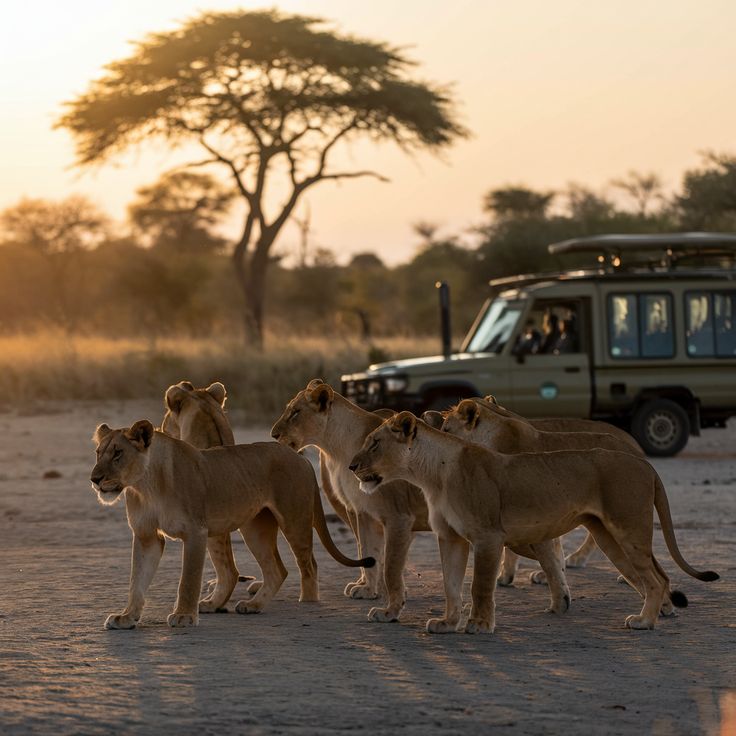
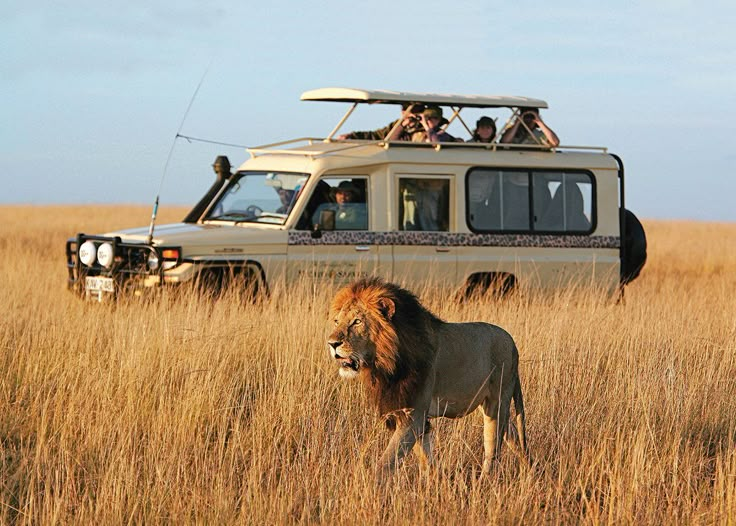
Most private safaris use a dedicated 4×4 safari vehicle with a professional driver-guide. A suitable safari vehicle provides comfort, better visibility and the flexibility to stop for wildlife sightings.
Your driver-guide can be particularly important because a good guide does more than drive. They help identify animals, understand animal behavior, locate wildlife and manage the daily safari schedule.
When comparing Uganda safari packages, ask whether transportation, fuel and a professional English-speaking driver-guide are included in the quoted price.
Travelers should also consider airport transfers when arriving at Entebbe International Airport. Organizing transfers as part of the safari can make the beginning and end of the trip much easier.
Choose Your Accommodation Carefully
Accommodation can have a significant impact on the overall cost and character of your Uganda safari.
Uganda offers a wide range of accommodation, including budget campsites, mid-range lodges, comfortable safari camps and luxury lodges.
Your choice should depend on your budget and the type of experience you want. Staying inside or close to a national park can reduce unnecessary driving and allow you to spend more time enjoying the destination.
Luxury travelers may prefer lodges with spacious rooms, private facilities, quality dining and scenic locations. Travelers on a moderate budget can choose comfortable lodges that provide essential facilities without the additional cost of luxury services.
When booking accommodation, check its location relative to the park entrance and the activities planned for the following morning.
Decide Which Safari Activities You Want
A Uganda wildlife safari does not have to consist entirely of game drives.
Game drives are the foundation of many itineraries, but Uganda offers several other activities that can make a safari more memorable.
Boat cruises are especially popular in Murchison Falls and Queen Elizabeth National Park. They provide opportunities to observe animals from the water and offer excellent photography conditions.
Chimpanzee trekking in Kibale adds a forest experience to a traditional savannah safari. Nature walks, birdwatching and cultural encounters can also be incorporated depending on your destination.
For travelers interested in combining wildlife with primates, adding gorilla trekking in Bwindi or Mgahinga can transform a standard safari into a much more comprehensive Uganda adventure.
Create a Realistic Uganda Safari Budget
The cost of a Uganda wildlife safari depends on several factors, including the number of days, accommodation category, transportation, number of travelers, activities and destinations.
A private safari will generally cost more per person than traveling as part of a larger group, although private travel provides greater flexibility.
Accommodation is another major factor. Budget, mid-range and luxury properties can produce significantly different total prices.
The number of activities also affects the cost. For example, a safari that includes chimpanzee trekking or gorilla trekking will have additional permit costs.
When requesting a quote, ask for a clear breakdown showing accommodation, transportation, park fees, meals, activities, guide services and any permits.
A low initial price is not always the best deal if important services have been excluded.
Understand What Is Included in Your Safari Package
Before confirming your Uganda safari, carefully review what the package includes.
A typical private Uganda safari package may include transportation in a 4×4 safari vehicle, fuel, professional driver-guide services, accommodation, meals according to the itinerary, national park entry fees and planned safari activities.
Depending on the package, airport transfers, boat cruises, chimpanzee permits and other activities may also be included.
International flights, travel insurance, visas, personal expenses, alcoholic beverages, laundry and optional activities are often treated separately.
Always ask your tour operator to provide a written itinerary and detailed quotation so you understand exactly what you are paying for.
Plan Your Arrival and Departure
Most international visitors begin their Uganda safari at Entebbe International Airport.
Your itinerary should take your arrival and departure times into account. If your international flight arrives late in the evening, it may be more comfortable to spend the first night near Entebbe before beginning the safari the following morning.
At the end of your trip, allow enough time to return to Entebbe before your international flight. Avoid scheduling a long transfer on the same day as an early international departure.
If you are entering Uganda from Rwanda, a safari can also be arranged from Kigali, depending on your itinerary and border-crossing requirements.
Consider Combining Wildlife with Gorilla Trekking
One of the greatest advantages of planning a Uganda safari is the ability to combine several experiences.
Travelers who have enough time can combine wildlife viewing in Queen Elizabeth National Park with chimpanzee trekking in Kibale and gorilla trekking in Bwindi.
This creates an itinerary covering savannah wildlife, tropical forest and some of Africa’s most remarkable primate experiences.
For example, a longer itinerary could begin with chimpanzee trekking in Kibale, continue to Queen Elizabeth for game drives and a Kazinga Channel boat cruise, and then proceed to Bwindi for gorilla trekking.
Lake Bunyonyi can also be included as a relaxing stop before or after gorilla trekking.
Choose a Reliable Uganda Tour Operator
Choosing the right tour operator is one of the most important decisions when planning a Uganda wildlife safari.
A reliable operator should provide a clear itinerary, transparent pricing, professional guides, appropriate safari vehicles and responsive communication.
Before booking, check whether the company provides detailed information about accommodation, park fees, activities and transportation.
It is also useful to review the company’s reputation, customer feedback and experience organizing safaris for international travelers.
For travelers who are unfamiliar with Uganda, working with a local operator can make planning easier because the company can coordinate accommodation, transportation, park activities and guides within one itinerary.
Why Plan Your Uganda Wildlife Safari with Abunda Discoveries Uganda?
At Abunda Discoveries Uganda, we help travelers design Uganda safaris around their individual interests, available time and budget.
Instead of offering a one-size-fits-all itinerary, we can help you combine Uganda’s major wildlife destinations with experiences such as chimpanzee trekking, gorilla trekking, boat cruises and cultural activities.
Whether you are planning a short wildlife safari or a longer journey through several national parks, the itinerary can be designed to provide a comfortable balance between travel time, wildlife viewing and relaxation.
Our goal is to make planning your Uganda safari straightforward, transparent and enjoyable from the initial enquiry through to the end of your journey.
Sample Uganda Wildlife Safari Itinerary
A well-balanced itinerary can combine several of Uganda’s major wildlife experiences without making the journey unnecessarily rushed.
For example, a 7-day Uganda wildlife safari could begin with arrival in Entebbe and travel toward Kibale National Park. The following day could focus on chimpanzee trekking before continuing toward Queen Elizabeth National Park.
The next day could include an early morning game drive followed by a Kazinga Channel boat cruise. The itinerary could then continue toward another wildlife destination depending on the traveler’s interests.
Another option is to concentrate the entire seven days on traditional wildlife viewing by combining Murchison Falls with another national park.
The ideal itinerary depends on your arrival point, travel dates, preferred accommodation level and the wildlife experiences you want most.
Uganda Wildlife Safari for Couples
Uganda can be an excellent destination for couples seeking a private African adventure.
Couples can choose comfortable lodges, private safari vehicles and flexible daily schedules. A safari can also be combined with romantic experiences around Lake Bunyonyi, the Nile or other scenic destinations.
For honeymoon travelers, adding gorilla trekking or chimpanzee trekking can make the journey particularly memorable.
Uganda Wildlife Safari for Families
Families can also enjoy Uganda’s wildlife destinations, although itineraries should be designed according to the ages of the children and the family’s interests.
Shorter game drives, comfortable accommodation and carefully planned travel days can make the experience more enjoyable.
Families should discuss age requirements and activity restrictions with their tour operator before booking activities such as chimpanzee or gorilla trekking.
What to Pack for a Uganda Wildlife Safari
Packing for a Uganda safari should focus on comfort, practicality and protection from the elements.
Lightweight clothing in neutral colors is useful for game drives. Comfortable walking shoes are important, particularly if you plan to take nature walks or forest excursions.
A hat, sunglasses, sunscreen, insect repellent, a reusable water bottle and a small daypack can also be useful.
Travelers should bring binoculars and a camera if wildlife photography is important to them. A light waterproof jacket is advisable because weather conditions can change.
If your itinerary includes gorilla or chimpanzee trekking, additional clothing and footwear suitable for forest environments should be considered.
Common Mistakes to Avoid When Planning a Uganda Safari
One common mistake is trying to visit too many destinations in a short period. Uganda is geographically diverse, and road travel can take several hours between destinations.
Another mistake is choosing a safari package based only on price. A very cheap package may exclude important services or use accommodation far from the park.
Travelers should also avoid leaving important bookings until the last minute, especially during popular travel periods.
It is equally important to confirm the exact accommodation, vehicle type, activities and inclusions before making a final payment.
Frequently Asked Questions About Planning a Uganda Wildlife Safari
How many days are enough for a Uganda wildlife safari?
A short safari can be completed in three to five days, but seven or more days allow travelers to explore multiple destinations at a more comfortable pace.
What is the best national park for a Uganda wildlife safari?
There is no single best park for every traveler. Murchison Falls is excellent for a classic wildlife experience, Queen Elizabeth offers diverse wildlife and the Kazinga Channel, Kibale is ideal for chimpanzee trekking, and Kidepo is particularly appealing to travelers seeking remote wilderness.
Can I combine gorilla trekking with a wildlife safari?
Yes. Gorilla trekking can be combined with wildlife destinations such as Queen Elizabeth, Murchison Falls or Lake Mburo, depending on the length of your itinerary.
Is Uganda good for a first African safari?
Yes. Uganda offers diverse wildlife experiences and can be suitable for both first-time safari travelers and experienced travelers looking for a less conventional African safari destination.
How much does a Uganda wildlife safari cost?
The cost varies according to the number of days, accommodation level, transportation, activities, number of travelers and destinations. A personalized quotation is the best way to determine the actual cost of your planned safari.
Do I need a private safari vehicle?
A private 4×4 safari vehicle is particularly useful for travelers who want flexibility and personalized game drives. It allows the itinerary to be adapted to your interests and schedule.
Final Thoughts: Plan Your Uganda Wildlife Safari with Confidence
Planning a Uganda wildlife safari is about creating the right balance between wildlife, travel time, accommodation, activities and relaxation. Uganda offers enough diversity to build everything from a short wildlife adventure to a multi-week journey combining savannah parks, tropical forests, mountains, lakes and primate experiences.
The most important step is to begin with your interests and available time. From there, choose destinations that complement each other, select appropriate accommodation, arrange reliable transportation and confirm exactly what is included in your safari package.
With careful planning and the support of an experienced local tour operator, your Uganda wildlife safari can become more than a game-viewing trip. It can be an immersive journey through the landscapes, wildlife and communities that make Uganda one of Africa’s most rewarding destinations.
Ready to plan your Uganda wildlife safari? Contact Abunda Discoveries Uganda to create a personalized safari itinerary based on your travel dates, interests and budget.