- CONTACT US NOW:
- +256 784 928 080
- info@abundadiscoveriesuganda.com

Is Uganda Worth Visiting in 2027? 9 Amazing Reasons to Go

Top Places to Visit in Uganda in 2027: 10 Amazing Destinations to Explore
September 4, 2026
Uganda Luxury Safari Packages: 9 Amazing Experiences for an Unforgettable Trip
September 7, 2026
Is Uganda Worth Visiting in 2027? 9 Amazing Reasons to Go
Is Uganda Worth Visiting in 2027? If you have been asking yourself this question while planning your next African adventure, my honest answer is yes. Uganda is one of those destinations that becomes more interesting the more you look beyond the obvious attractions. It is a country where a morning can begin with chimpanzees calling from a tropical forest and end beside a quiet lake surrounded by green hills.
Uganda is not simply about going on a game drive and ticking animals off a list. The country offers a mixture of experiences that feel wonderfully different from one another. You can trek through the ancient forests of Bwindi in search of mountain gorillas, follow chimpanzees through Kibale, watch elephants along the Kazinga Channel, stand beside the powerful Murchison Falls or hike among the dramatic peaks of the Rwenzori Mountains.
There is also something very personal about traveling through Uganda. The landscapes change as you move between regions, but the friendliness of local people, the small roadside communities and the slower moments between activities become part of the story. For a traveler who wants more than a standard African holiday, Uganda can offer a journey with real variety.
At Abunda Discoveries Uganda, we believe the best safari is not necessarily the longest or most expensive one. It is the journey that matches what you genuinely want to experience. That could mean gorillas, chimpanzees, wildlife, birds, mountains, culture or simply having time to appreciate the scenery without rushing from one attraction to another.
1. Uganda Offers an Extraordinary Gorilla Trekking Experience
One of the strongest reasons to visit Uganda is the opportunity to trek for mountain gorillas in southwestern Uganda. Bwindi Impenetrable National Park is particularly famous for its ancient rainforest, steep terrain and remarkable gorilla experiences.
Gorilla trekking is very different from visiting a conventional wildlife attraction. You do not know exactly where the gorillas will be when you begin your walk. Instead, you enter the forest with experienced trackers and guides and gradually search for signs of the family you are visiting.
The physical challenge is part of the experience. Bwindi’s terrain can be steep and muddy, especially after rainfall, but reaching a gorilla family after walking through dense vegetation can make the effort feel worthwhile. When you finally see a silverback resting nearby or a young gorilla moving through the vegetation, the experience can be surprisingly emotional.
For travelers planning a gorilla safari, preparation matters. Your clothing, footwear, fitness level, travel dates and permit arrangements can all influence the experience. Uganda Wildlife Authority manages the country’s protected areas and provides official information about wildlife activities and conservation.

Mountain gorilla in Bwindi Impenetrable National Park Uganda
2. Kibale Gives You a Remarkable Chimpanzee Experience
If gorillas are Uganda’s most famous primate attraction, chimpanzees are arguably the country’s most entertaining forest residents. Kibale National Park is one of the places that should immediately come to mind when planning a primate-focused Uganda holiday.
Walking through Kibale Forest feels completely different from driving across a savanna. The vegetation is thick, the canopy rises above you and the forest seems to be alive with sounds. You might hear birds calling, monkeys moving through the branches and chimpanzees communicating somewhere deeper in the forest.
Chimpanzee trekking is particularly interesting because the animals are highly social. Their behavior can make the encounter feel almost personal. One moment they may be feeding quietly, and the next they can become active and vocal as the group moves through the forest.
Kibale is also an excellent destination for travelers who enjoy photography, birdwatching and nature walks. Rather than treating chimpanzee trekking as a single activity, you can make the surrounding forest part of the entire experience.
For someone wondering Is Uganda Worth Visiting in 2027, Kibale is one of the clearest answers if primates and rainforest adventures are high on your travel list.

Chimpanzee trekking in Kibale National Park Uganda
3. Uganda Has Classic African Wildlife Without Feeling One-Dimensional
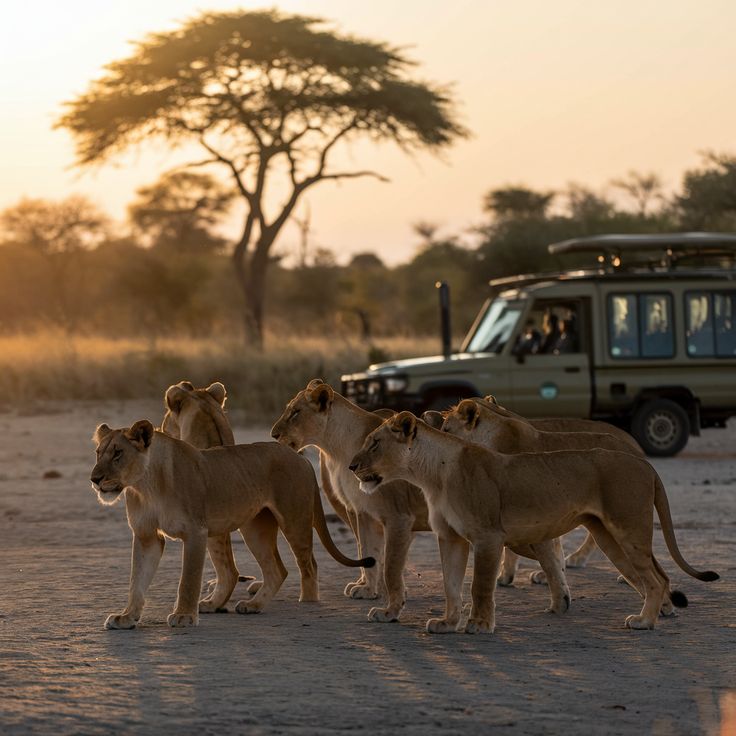
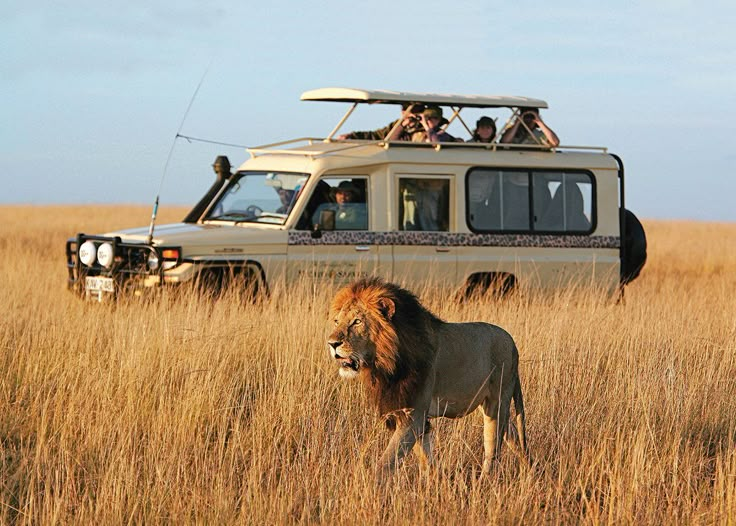
Uganda may be famous for primates, but its wildlife safaris are equally compelling. Queen Elizabeth National Park, Murchison Falls National Park, Kidepo Valley National Park and Lake Mburo National Park all offer different wildlife experiences.
Queen Elizabeth National Park is especially versatile. A game drive can introduce you to elephants, buffaloes, antelopes and predators, while a boat cruise along the Kazinga Channel brings you close to hippos, crocodiles and numerous water birds.
Murchison Falls offers another impressive combination. Here, the Nile moves through a narrow gorge before plunging over the falls, creating one of the country’s most dramatic natural scenes. The surrounding park adds classic savanna wildlife to the experience.
Kidepo Valley is different again. Its remote location, rugged mountains and broad valleys create a genuine wilderness atmosphere. For travelers who have already visited popular safari destinations elsewhere in Africa, Kidepo can provide a feeling of space and solitude that is increasingly difficult to find.
The beauty of a Uganda safari is therefore not simply the number of animals you might see. It is the variety of landscapes and experiences that come with moving through the country.
4. The Landscapes Are as Important as the Wildlife
One thing I would encourage first-time visitors to remember is that Uganda should not be viewed only through binoculars. Some of the country’s most memorable moments happen when you simply stop and look at the landscape around you.
The southwestern highlands are covered with green hills and valleys. Around Bwindi and Lake Bunyonyi, the scenery can feel almost completely different from the open savannas of northern Uganda. In the west, the Rwenzori Mountains create an extraordinary backdrop for travelers interested in hiking and mountain adventures.
Then there is the Nile. Around Murchison Falls and Jinja, the river becomes part of the travel experience itself. In Jinja, visitors can choose from a range of adventure activities, while in Murchison Falls the river becomes an important part of wildlife viewing.
These changes in scenery are one of the reasons Uganda works so well for longer holidays. You are not simply visiting one ecosystem repeatedly. The journey itself becomes part of the attraction.
5. Uganda Is Excellent for Travelers Who Want Adventure
Adventure does not have to mean doing something extreme every day. Sometimes it means walking through a forest, taking a canoe ride across a lake or hiking along a mountain trail.
Jinja is particularly well known for adventure experiences associated with the Nile. Travelers can enjoy activities such as white-water rafting and other outdoor pursuits, while those looking for a quieter experience can simply explore the river environment and surrounding communities.
The Rwenzori Mountains offer a completely different form of adventure. Hikers can take on mountain trails through landscapes that change with altitude, making the journey as much about scenery as physical achievement.
Even gorilla and chimpanzee trekking can be considered adventure travel. You are walking through natural environments rather than watching wildlife from a comfortable vehicle. That sense of uncertainty and discovery is exactly what many travelers are looking for when they say they want an adventure.
Uganda Tourism Board currently promotes both wildlife experiences and adventure activities as important parts of the country’s tourism offering.
6. Uganda Has Beautiful Lakes for Slower, More Relaxed Travel
After several days of trekking and game drives, having somewhere peaceful to slow down can completely change the feel of a safari. This is where Uganda’s lakes become especially valuable.
Lake Bunyonyi is one of the most popular places for this kind of experience. Surrounded by green hills and dotted with islands, the lake provides a calm contrast to the physical excitement of gorilla trekking.
You can take a boat ride, enjoy the scenery, spend time at your accommodation or simply appreciate the quiet surroundings. There is no need to make every hour an organized activity.
Lake Mburo also offers a different type of lakeside experience. The surrounding national park provides opportunities to combine wildlife viewing with a more relaxed stay. For travelers moving between Kampala or Entebbe and southwestern Uganda, Lake Mburo can also make a practical addition to a safari route.
This balance between adventure and relaxation is something I particularly like about planning Uganda trips. You can have a demanding day in the forest and then spend the following afternoon beside a lake with nowhere you urgently need to be.
7. Uganda Is a Strong Destination for Birdwatching
Uganda is also an excellent destination for birdwatchers, whether you are a serious birder or simply someone who enjoys seeing colorful species during a safari.
The country’s forests, wetlands, lakes, rivers and savannas create different habitats, so birding opportunities can be incorporated into many itineraries. Kibale, Bwindi, Queen Elizabeth, Murchison Falls and other protected areas can all add birdwatching opportunities to a broader Uganda journey.
One of the advantages of birdwatching in Uganda is that you do not necessarily need to dedicate an entire trip to birds. A game drive can become a birding experience, a boat cruise can reveal water species and a forest walk can introduce you to birds that you might never notice from a vehicle.
For travelers who enjoy photography, birding can also add another dimension to the safari. While one person may be focused on finding elephants or lions, another can be watching the trees and wetlands for smaller species.
This makes Uganda particularly attractive for couples, families or small groups with different interests.
8. Uganda Gives You a Chance to Experience Local Culture
Wildlife is only one part of Uganda. The people, food, music, traditions and communities surrounding the country’s tourism destinations are equally important to understanding the country.
Depending on your itinerary, you can add cultural experiences that allow you to meet local people, learn about traditional ways of life and understand how communities interact with the landscapes around them.
In the southwest, for example, community experiences can complement a gorilla trekking trip. In the north and northeast, cultural experiences can introduce visitors to traditions that are very different from those found in central or southwestern Uganda.
I think these experiences become particularly meaningful when they are approached respectfully. The goal should not be to treat communities as another attraction to photograph, but to create genuine opportunities to listen, learn and support local livelihoods.
A safari becomes much more memorable when you return home knowing not only what animals you saw, but also something about the people and places you encountered along the way.
9. Uganda Can Be Tailored to Different Travel Budgets and Interests
Another reason Is Uganda Worth Visiting in 2027 has a positive answer is that Uganda can be planned in many different ways.
A traveler with limited time might choose a shorter itinerary focused on one major experience. Someone with a larger budget and more time could combine gorilla trekking, chimpanzee tracking and several national parks.
Accommodation can also be selected according to the style of trip you want. Some travelers want luxury lodges with excellent views and additional services, while others prefer comfortable mid-range accommodation that allows them to put more of their budget toward activities.
The important thing is to build a realistic itinerary. Uganda is a large country, and trying to visit every major destination in a short holiday can leave you spending too much time in the vehicle.
At Abunda Discoveries Uganda, this is where itinerary planning becomes important. Instead of simply adding destinations to make a safari look impressive, the route should be designed around driving time, activity schedules, accommodation locations and the experiences that matter most to you.
Is Uganda Safe and Suitable for International Travelers?
Safety is naturally one of the questions people ask before visiting a new country. Travel conditions can change, so visitors should always check current official travel advice before departure and follow guidance from their government and local authorities.
Within a safari, using a reputable tour operator, following park regulations and listening to professional guides are important parts of responsible travel.
Wildlife should also be treated with respect. Animals are wild, and visitors should maintain appropriate distances and follow instructions during game drives, gorilla trekking, chimpanzee experiences and boat trips.
For current information about protected areas, regulations and wildlife activities, Uganda Wildlife Authority is an important official resource. Its information should be checked before your trip because park rules and tariffs can change.
When Is the Best Time to Visit Uganda in 2027?
There is no single month that is perfect for every traveler because Uganda offers so many different experiences.
Some travelers prioritize gorilla trekking and want to choose travel dates around permit availability and preferred trekking conditions. Others are more interested in wildlife, hiking or birdwatching.
The dry seasons are often popular with safari travelers, but Uganda’s landscapes remain attractive during wetter periods as well. Rain can make some forest trails more challenging, while the changing conditions can also create beautiful scenery and different photographic opportunities.
Rather than choosing your travel dates based only on a general “best month,” I recommend starting with the activities you want to experience. From there, your itinerary can be designed around those priorities.
Before booking, check the latest official information from Uganda Wildlife Authority and Uganda Tourism Board for current regulations, access information and tourism guidance.
The answer depends on what you want to see. A short trip can focus on one major experience, such as gorilla trekking, while a longer safari gives you the opportunity to combine several regions.
For example, travelers with around one week could create a journey combining gorilla trekking with Lake Bunyonyi and Queen Elizabeth National Park. With additional days, Kibale can be added for chimpanzee trekking.
Travelers with two weeks or more have much greater flexibility. They can consider combining several wildlife parks with primate experiences, cultural activities and perhaps a mountain or lakeside experience.
The most important thing is not to measure a safari only by the number of destinations. A relaxed itinerary with enough time to enjoy each place is usually much more rewarding than a rushed schedule that tries to cover everything.
How to Plan Your Uganda Trip for 2027
Start by deciding what you most want to experience. If gorillas are the priority, begin with Bwindi or Mgahinga. If chimpanzees are more important, consider Kibale. If wildlife is your main interest, Queen Elizabeth, Murchison Falls and Kidepo are strong possibilities.
Next, decide how many days you can realistically spend in Uganda. This will determine how much ground you should cover.
Your budget should then guide your accommodation and transport choices. Remember that a safari budget is not only about accommodation. Activities, permits, park fees, transport, meals and guide services can all contribute to the final cost.
Finally, leave room for the unexpected. Some of the best safari moments are not the ones written into the itinerary. It could be watching elephants cross the road, hearing chimpanzees calling through the forest or stopping at a beautiful viewpoint that was not originally part of the plan.
Why Book Your Uganda Safari With Abunda Discoveries Uganda?
Planning a Uganda safari from another country can sometimes feel complicated. You have to understand the distances, choose destinations, organize accommodation, consider permits and decide how to arrange transportation between regions.
A local safari company can help turn all of those individual decisions into one practical journey.
At Abunda Discoveries Uganda, we focus on creating safari experiences around the traveler. A couple celebrating an anniversary may want a completely different itinerary from a photographer, family or dedicated wildlife enthusiast.
We can help you combine destinations according to your interests, available time and preferred accommodation style. Whether your dream is to stand quietly in a Bwindi forest with mountain gorillas, watch chimpanzees in Kibale, cruise the Kazinga Channel or explore the remote wilderness of Kidepo, the itinerary should feel like your trip rather than a generic package.
Final Verdict: Is Uganda Worth Visiting in 2027?
So, Is Uganda Worth Visiting in 2027? Absolutely.
Uganda offers something that I think many travelers are searching for today: variety without losing the feeling of adventure. You can experience mountain gorillas, chimpanzees, elephants, lions, hippos, birds, forests, mountains, lakes, rivers and vibrant communities during the same countrywide journey.
It is also a destination where the road between attractions becomes part of the experience. Green hills appear around a bend, villages pass by the window, the landscape changes from forest to savanna and suddenly you realize that the journey itself has become one of the highlights.
For me, that is what makes Uganda special. It does not feel like a country that has been designed around one attraction. It feels like a complete travel experience.
If 2027 is the year you want to explore East Africa differently, Uganda deserves a place near the top of your list. Start with the experience that matters most to you, build a sensible route around it and give yourself enough time to appreciate the country.
And if you are ready to turn the idea into a real safari, Abunda Discoveries Uganda can help you plan a journey through the Pearl of Africa that fits your interests, schedule and travel style.