- CONTACT US NOW:
- +256 784 928 080
- info@abundadiscoveriesuganda.com

Kidepo Valley National Park.

Family Safari in Rwanda
May 28, 2025
1 Day Gorilla Trekking Safari in Mgahinga Gorilla National Park
May 29, 2025
Kidepo Valley National Park
Kidepo Valley National Park is one of Uganda’s most remote and spectacular safari destinations. Located in the semi-arid Karamoja region of northeastern Uganda, the park covers approximately 1,442 square kilometres and is characterized by vast savannah plains, rugged mountains, seasonal rivers and exceptional wildlife.
Kidepo’s conservation history began when the area was established as the Kidepo Valley Game Reserve in 1958. It was gazetted as a national park in 1962, shortly after Uganda gained independence. Today, Kidepo is managed by the Uganda Wildlife Authority and is especially attractive to travelers looking for wildlife viewing, birdwatching, dramatic landscapes and cultural experiences away from Uganda’s busier safari circuits.
What Are the Major Tourist Attractions in Kidepo Valley National Park?

The major attractions in Kidepo Valley National Park include the Narus Valley, Kidepo Valley, wildlife-rich savannah plains, Kanangorok Hot Springs, mountain scenery and excellent birdwatching. The Narus Valley is particularly important for wildlife viewing because its remaining water sources attract animals during dry periods.
Travelers can also explore the wider Mount Morungole area. The mountain rises to approximately 2,750 metres and is associated with the Ik community. Cultural and hiking experiences in this area should be arranged responsibly with experienced local guides and respect for the community.
Why Is Kidepo Valley National Park Famous?
Kidepo Valley National Park is famous for its remote wilderness, dramatic scenery, large mammals and outstanding birdlife. The Uganda Wildlife Authority currently reports over 77 mammal species and 476 bird species in the park.
Wildlife includes lions, elephants, buffaloes, giraffes, zebras, leopards and several species associated with Uganda’s drier northeastern landscapes. Kidepo is also particularly important for birdwatchers interested in ostriches, secretary birds, raptors and other dry-country species.
Where Is Kidepo Valley National Park Located?
Kidepo Valley National Park is located in northeastern Uganda in the Karamoja region, close to the borders with South Sudan and Kenya. Karenga is one of the important nearby settlements, while the park lies approximately 700 kilometres from Kampala by road, depending on the route used.
Because of its remote location, travelers can reach Kidepo by road or by scheduled or chartered domestic flight. A road safari also creates opportunities to combine Kidepo with other destinations in northern Uganda.
When Was Kidepo Valley National Park Established?
Kidepo Valley was initially established as a game reserve in 1958 and was gazetted as a national park in 1962. The protected area was subsequently expanded, helping protect important wildlife habitat within the wider Kidepo ecosystem.
How Big Is Kidepo Valley National Park?
Kidepo Valley National Park covers approximately 1,442 square kilometres. Its landscape includes the broad Narus and Kidepo valleys, savannah grasslands, woodland, rocky outcrops and surrounding mountain ranges.
The park’s altitude ranges from approximately 914 metres to 2,750 metres above sea level, creating striking changes in scenery across the protected area.
What Wildlife Can You See in Kidepo Valley National Park?
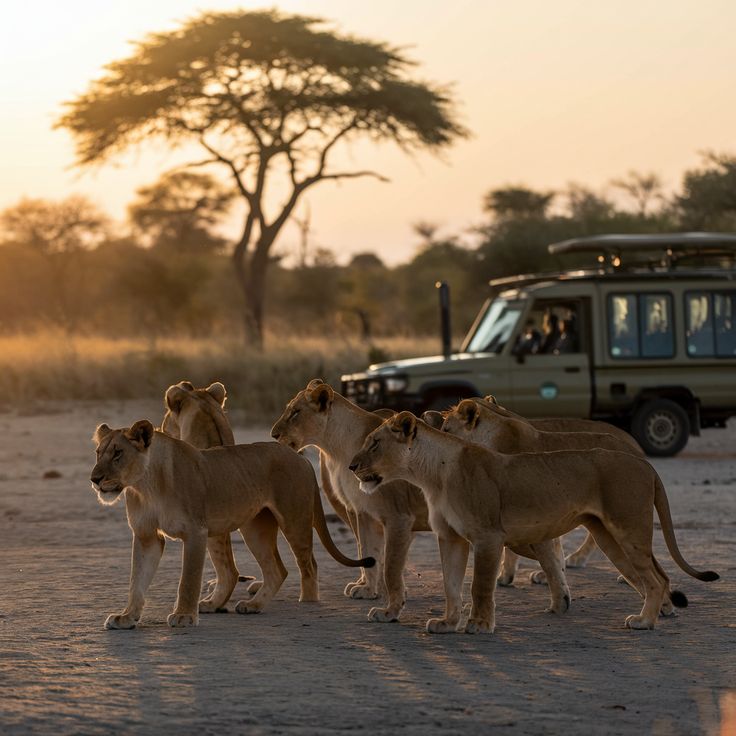
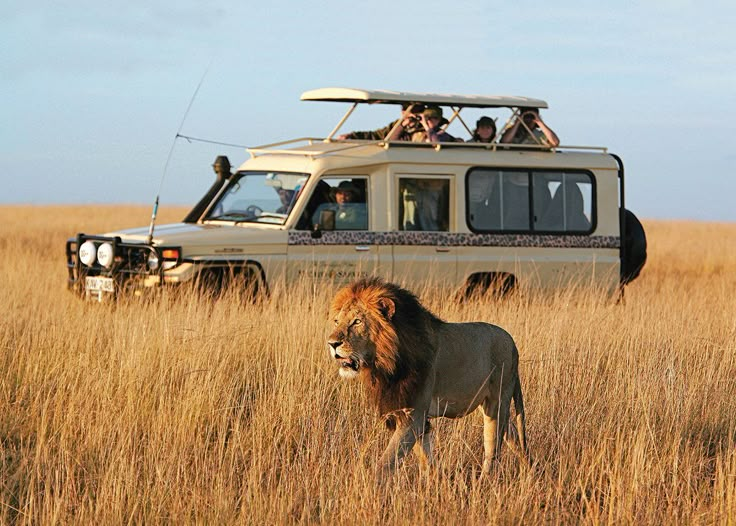
Kidepo offers some of Uganda’s most rewarding savannah wildlife viewing. Visitors may encounter lions, elephants, buffaloes, giraffes, zebras, leopards, hartebeests, spotted hyenas and numerous antelope species. Cheetahs are another particularly sought-after species associated with Kidepo’s open landscapes.
A major recent conservation development is the return of rhinos to Kidepo Valley National Park. In March 2026, the Uganda Wildlife Authority began reintroducing Southern White Rhinos to Kidepo, marking the return of rhinos to this landscape after more than four decades. Travelers should check current UWA information regarding where and how rhino viewing is managed.
Is Kidepo Valley National Park Good for Birdwatching?
Yes. Kidepo is one of Uganda’s outstanding birdwatching destinations. The Uganda Wildlife Authority reports approximately 476 bird species, including many birds associated with the dry landscapes of northeastern Uganda.
Notable birds include ostriches, secretary birds, Abyssinian rollers, kori bustards, Abyssinian ground hornbills and numerous birds of prey. Its combination of savannah, woodland and semi-arid habitats makes Kidepo particularly rewarding for travelers building a dedicated Uganda birding safari.
Is Kidepo Valley National Park Safe to Visit?

Kidepo Valley National Park.
Kidepo is an established national park managed by the Uganda Wildlife Authority. Travelers should nevertheless check current travel conditions before departure because road, weather and regional conditions can change.
Booking through an experienced Uganda safari operator can also simplify transportation, park arrangements, accommodation and game-drive planning, particularly because Kidepo is considerably more remote than many of Uganda’s other national parks.
Why Visit Kidepo Valley National Park?
Travelers visit Kidepo for its combination of wilderness, wildlife, birding, photography, landscapes and cultural experiences. Its remote setting is one of its greatest attractions because visitors can experience a very different safari environment from Uganda’s more frequently visited western national parks.
The Narus Valley provides particularly rewarding wildlife viewing, while the Kidepo Valley offers striking semi-arid scenery. Longer stays allow travelers to combine game drives, birdwatching, photography and responsibly arranged cultural experiences.
What Is the Best Time to Visit Kidepo Valley National Park?
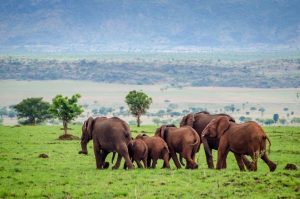
Kidepo can be visited throughout the year, but the drier months are particularly attractive for wildlife viewing. As seasonal water sources diminish, animals tend to concentrate around remaining water in areas such as the Narus Valley, improving wildlife-viewing opportunities.
Travel during greener periods can offer attractive landscapes and rewarding birding, although road and weather conditions should be considered when planning a road safari. The best month therefore depends on whether your priority is wildlife viewing, birdwatching, photography or scenery.
What Should You Pack for a Kidepo Safari?
Useful items for a Kidepo safari include lightweight neutral-colored clothing, comfortable closed shoes, a hat, sunscreen, insect repellent, binoculars, a camera, spare batteries or power bank, reusable water bottle and a light rain jacket.
Because Kidepo is remote, travelers should also discuss medication, drinking water, charging facilities, luggage restrictions for domestic flights and other practical requirements with their safari operator before departure.
What Are the Benefits of Visiting Kidepo Valley National Park?
Kidepo provides an opportunity to experience one of Uganda’s most distinctive wilderness areas. Visitors can enjoy excellent game viewing, exceptional bird diversity, wide-open landscapes, photography opportunities and a less crowded safari atmosphere.
Its location also allows travelers to experience a side of Uganda that is very different from the forest landscapes of Bwindi and Kibale or the waterways and savannahs of Murchison Falls and Queen Elizabeth National Parks.
Can You Combine Kidepo With Other Uganda Safari Destinations?
Yes. Kidepo can form part of a longer Uganda safari that includes destinations such as Murchison Falls National Park, Ziwa Rhino Sanctuary, Kibale National Park, Queen Elizabeth National Park and Bwindi Impenetrable National Park.
Travelers with enough time can therefore combine Kidepo’s remote savannah wilderness with chimpanzee tracking, gorilla trekking, boat safaris, birdwatching and other wildlife experiences elsewhere in Uganda.
Why Book a Kidepo Safari With Abunda Discoveries Uganda?
Abunda Discoveries Uganda can help travelers plan a Kidepo safari around their available days, accommodation preferences, budget and wider Uganda itinerary. Because Kidepo is remote, careful route planning is particularly important when deciding whether to travel by road, domestic flight or combine both options.
We can also customize longer Uganda safaris that combine Kidepo with Murchison Falls, primate destinations, wildlife parks and gorilla trekking in southwestern Uganda.
Plan Your Kidepo Valley National Park Safari
Want to experience Kidepo’s wildlife, birdlife and remote landscapes? Tell Abunda Discoveries Uganda your preferred travel dates, number of travelers and the number of days you have in Uganda, and we can help you design a suitable safari itinerary.