- CONTACT US NOW:
- +256 784 928 080
- info@abundadiscoveriesuganda.com

Lake Kivu Expedition 2026

Visit Kigali City 2026 A Complete Travel Guide
October 2, 2025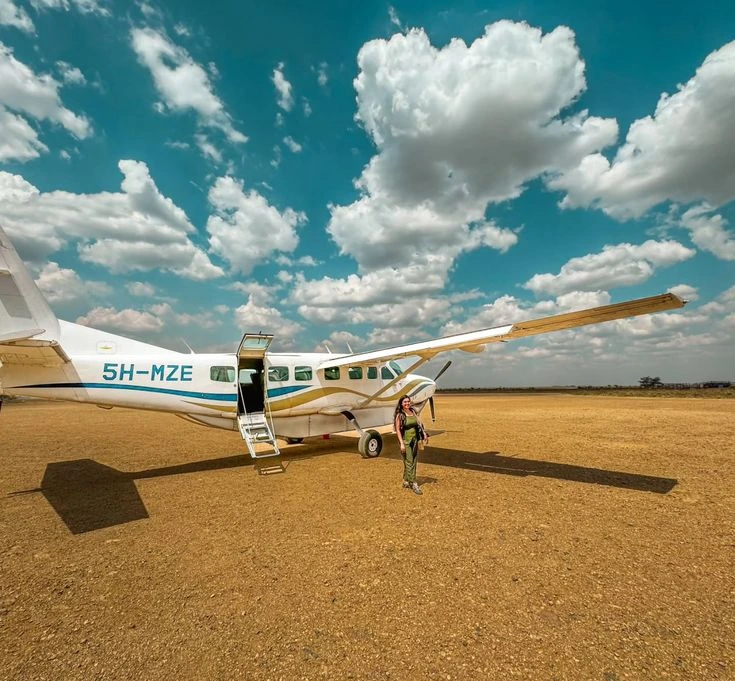
Rwanda Fly-in Safaris in 2026
October 3, 2025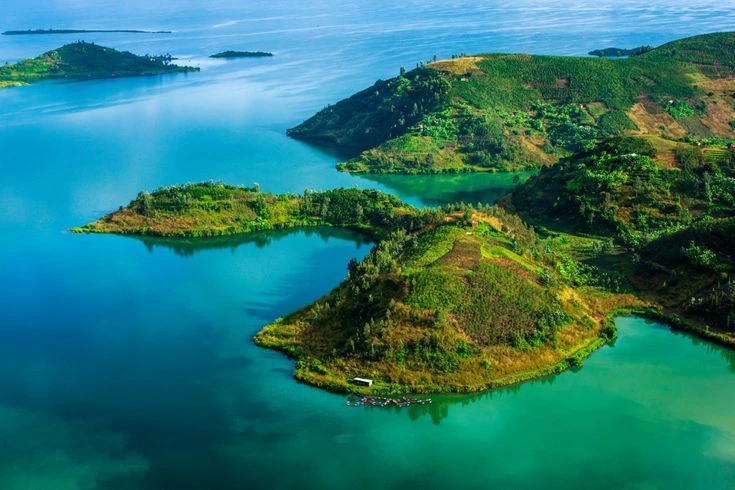
Where is Lake Kivu located and why is it famous?
Lake Kivu is located along the border of Rwanda and the Democratic Republic of Congo, nestled in the Albertine Rift Valley. It is one of Africa’s Great Lakes and is renowned for its breathtaking scenery, fresh waters, and surrounding green hills. The lake is also famous for being one of the few bodies of water that contain high levels of naturally occurring methane gas. Travelers recognize Lake Kivu as a prime destination for relaxation, cultural immersion, and adventure. Its unique location also makes it a gateway to Rwanda’s famous gorilla trekking experiences and nearby volcanoes. Lake Kivu Expedition 2026
What makes Lake Kivu a must-visit in 2026?
By 2026, Lake Kivu has established itself as one of the top destinations in Rwanda for both international and domestic travelers. The lake offers a rare combination of leisure and adventure. Visitors enjoy boat cruises, swimming, and kayaking, while also exploring cultural towns and scenic beaches. With growing eco-tourism projects, Lake Kivu has become a model for sustainable tourism in East Africa. The lake also acts as a perfect stopover for travelers heading to Volcanoes National Park for gorilla trekking or Nyungwe National Park for chimpanzee tracking.
What activities can you do on a Lake Kivu expedition?
A Lake Kivu expedition offers a wide range of activities for all types of travelers. Popular water-based activities include boat cruises, canoeing, kayaking, and fishing. Many visitors enjoy swimming in the calm waters, which are free from dangerous animals such as crocodiles and hippos. Onshore activities include biking along the Congo Nile Trail, hiking in the surrounding hills, and visiting local markets in lakeside towns. For those who prefer relaxation, Lake Kivu’s sandy beaches and lakeside resorts provide the perfect escape. Lake Kivu Expedition 2026
What wildlife and bird species can you see around Lake Kivu?
.Lake Kivu Expedition 2026. while Lake Kivu is not a traditional safari destination, it supports a rich ecosystem. Birdwatchers find the area especially rewarding, with species such as the pied kingfisher, malachite kingfisher, African fish eagle, and numerous waterbirds frequenting the shoreline. Small mammals and primates, including vervet monkeys, can be spotted in the surrounding forests. The lake itself is home to tilapia and other freshwater fish, which local communities catch and serve as traditional meals.
What towns and beaches should you explore on Lake Kivu?
Three main towns dominate the Rwandan side of Lake Kivu:
- Gisenyi (Rubavu): Known for its lively atmosphere, sandy beaches, and luxury resorts.
- Kibuye (Karongi): Famous for its tranquil setting, scenic islands, and boating opportunities.
- Cyangugu (Rusizi): A quiet town close to Nyungwe National Park, ideal for travelers combining primate trekking with lakeside relaxation.
Each town offers unique cultural experiences, local markets, and hospitality. Gisenyi is ideal for beach lovers, Kibuye attracts nature enthusiasts, and Cyangugu appeals to travelers seeking a peaceful retreat.
Can you take boat trips and cruises on Lake Kivu?
Yes, boat trips and cruises are among the highlights of a Lake Kivu expedition. Visitors can explore scenic islands such as Napoleon Island, which is home to a large colony of fruit bats. Cruises often include stops at fishing villages, where travelers can learn about traditional fishing methods. Sunset cruises provide stunning views of the surrounding hills and are a favorite for couples and photographers. Both private and group boat tours are available, offering flexibility for different preferences.
Is it safe to swim in Lake Kivu?
Swimming in Lake Kivu is safe and popular. The lake does not have crocodiles, hippos, or bilharzia, which are common risks in other African lakes. Its clean, fresh waters provide a refreshing escape, especially in the warm afternoons. Many beaches and resorts have designated swimming areas that are monitored for safety. Travelers are advised to swim in recommended spots, especially around Gisenyi and Kibuye, where facilities are available.
What cultural experiences are available around Lake Kivu?
Lake Kivu offers rich cultural experiences that connect visitors to Rwanda’s heritage. Tourists can explore local fishing villages, interact with communities, and witness traditional music and dance. Markets in lakeside towns provide opportunities to purchase handmade crafts, fabrics, and souvenirs. Some tours include visits to coffee and tea plantations, where travelers learn about Rwanda’s globally recognized coffee culture. Homestays and community-led tours further enhance cultural immersion.
What adventure activities are popular at Lake Kivu?
Adventure seekers find plenty to enjoy around Lake Kivu. The Congo Nile Trail is one of East Africa’s top hiking and biking routes, stretching over 200 kilometers along the lake’s shores. Kayaking and canoeing provide active exploration of the lake, while hiking trails in the nearby hills reward visitors with panoramic views. Camping is also available in some areas, allowing travelers to experience the lake’s tranquility overnight.
What is the best time to visit Lake Kivu in 2026?
The best time to visit Lake Kivu is during Rwanda’s dry seasons: December to February and June to September. These months provide clear skies, calm waters, and ideal conditions for outdoor activities. However, Lake Kivu’s mild climate makes it a year-round destination. Travelers visiting during the rainy seasons (March to May and October to November) can still enjoy the lake, though some trails may be slippery and certain outdoor activities may be limited.
Where can you stay during a Lake Kivu expedition?
Accommodation around Lake Kivu ranges from luxury resorts to budget-friendly guesthouses. In Gisenyi, high-end options include Lake Kivu Serena Hotel and luxury boutique lodges. Kibuye offers eco-lodges and mid-range hotels, while Cyangugu provides peaceful guesthouses near Nyungwe National Park. Many lakeside lodges and hotels offer direct access to the water, private beaches, and opportunities for water sports. Camping is also possible in designated areas along the Congo Nile Trail.
How do you get to Lake Kivu from Kigali?
Lake Kivu is easily accessible from Kigali, Rwanda’s capital. The drive from Kigali to Gisenyi takes about 3 to 4 hours, while the journey to Kibuye takes approximately 2.5 to 3 hours. Travelers can hire private cars, take public buses, or book organized tours that include transportation. The road network is well-maintained, offering scenic drives through Rwanda’s famous rolling hills. For added convenience, some visitors opt for domestic charter flights to nearby towns.
Can you combine a Lake Kivu expedition with gorilla trekking or safaris?
Yes, Lake Kivu is ideally located for combined itineraries. Many travelers visit Lake Kivu after gorilla trekking in Volcanoes National Park, which is only a short drive from Gisenyi. Others combine the lake with Nyungwe National Park, located near Cyangugu, for chimpanzee trekking and canopy walks. Lake Kivu also complements safaris in Akagera National Park, offering relaxation after a wildlife adventure. This flexibility makes the lake a key part of Rwanda’s diverse tourism circuit.
What makes Lake Kivu unique compared to other African lakes?
Lake Kivu stands out because of its unique natural and cultural characteristics. Unlike lakes such as Victoria or Tanganyika, Lake Kivu has no dangerous wildlife like crocodiles or hippos, making it safe for swimming. Its methane reserves are rare and have become a subject of global scientific interest. The lake’s combination of adventure opportunities, cultural richness, and tranquil scenery makes it one of Africa’s most versatile and traveler-friendly lakes.
How long should you spend on a Lake Kivu expedition?
A typical Lake Kivu expedition lasts 2 to 4 days, depending on the traveler’s interests. Two days allow enough time to enjoy boat rides, local markets, and relaxation. Longer stays enable visitors to explore multiple towns, hike the Congo Nile Trail, and combine the lake with nearby national parks. Travelers on extended itineraries often spend a week in Rwanda, including Lake Kivu as a highlight.
Is Lake Kivu safe for tourists in 2026?
Lake Kivu is safe for tourists in 2026. Rwanda’s overall safety and stability extend to the lake region, making it one of the most secure places in Africa to visit. The towns around the lake have developed tourist infrastructure, including hotels, restaurants, and guided tours. Travelers can confidently explore the area, provided they follow general safety guidelines such as using registered tour operators and swimming in designated areas.
What local food and drinks should you try at Lake Kivu?
Lake Kivu is known for its delicious local cuisine. Freshly caught tilapia and sambaza (small fish) are local specialties served in lakeside restaurants. Travelers should also try isombe (cassava leaves with groundnuts), ugali (maize meal), and Rwanda’s famous coffee. Local fruit juices, banana beer, and Rwandan tea also feature prominently in the region’s food culture. Dining by the lake adds to the culinary experience, with many resorts offering fresh meals accompanied by scenic views.
Are there guided tours for Lake Kivu expeditions?
Yes, guided tours are widely available and cater to different interests. Options include cultural tours, hiking and biking packages along the Congo Nile Trail, and luxury boat cruises. Tour operators in Kigali and lakeside towns provide professional guides who share insights into the lake’s history, ecology, and culture. Guided tours ensure a seamless experience, especially for travelers combining Lake Kivu with gorilla trekking or national park visits.
What role does Lake Kivu play in Rwanda’s tourism and economy?
Lake Kivu plays a vital role in Rwanda’s tourism and economy. It attracts both international tourists and domestic travelers, contributing significantly to Rwanda’s hospitality industry. Local communities benefit through fishing, craft sales, and cultural tourism. Additionally, methane extraction projects on Lake Kivu provide Rwanda with a unique energy resource. This dual role as a tourism hub and economic asset underscores the lake’s importance to Rwanda’s future development.
Why should Lake Kivu be part of your Rwanda 2026 travel itinerary?
Including Lake Kivu in a Rwanda 2026 travel itinerary ensures a balanced experience of adventure, culture, and relaxation. The lake complements Rwanda’s primate trekking and safari destinations, making it an essential stop for travelers seeking diversity. Its scenic beauty, safe waters, and cultural immersion opportunities make it unique among African destinations. For anyone planning a Rwanda trip in 2026, Lake Kivu stands out as a destination not to be missed.
Final Thoughts
A Lake Kivu Expedition in 2026 offers more than just a visit to a beautiful lake it provides an opportunity to experience Rwanda’s natural beauty, cultural richness, and hospitality. From boat cruises and beach relaxation to biking adventures and cultural encounters, Lake Kivu delivers a well-rounded travel experience. Whether included in a short itinerary or combined with Rwanda’s gorilla trekking and safaris, Lake Kivu remains one of East Africa’s most unforgettable destinations. Lake Kivu Expedition 2026