- CONTACT US NOW:
- +256 784 928 080
- info@abundadiscoveriesuganda.com

Private Flying Safaris in Kenya
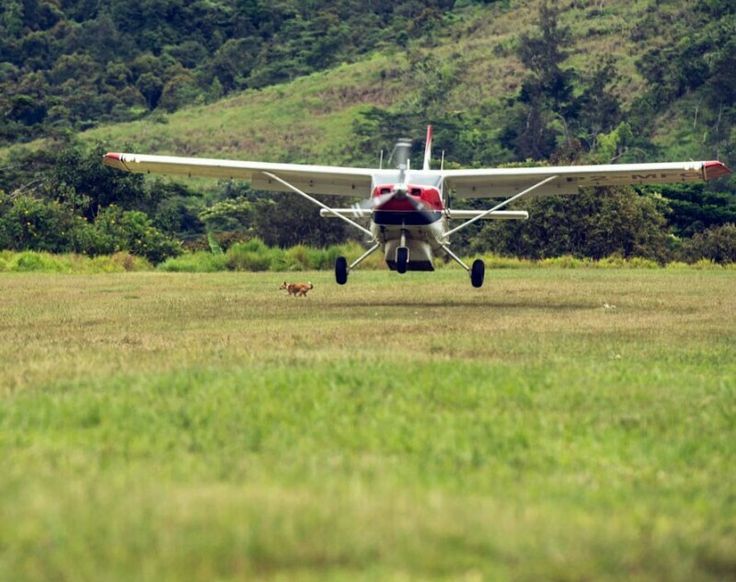
Private Flying Safaris in Rwanda
September 10, 2025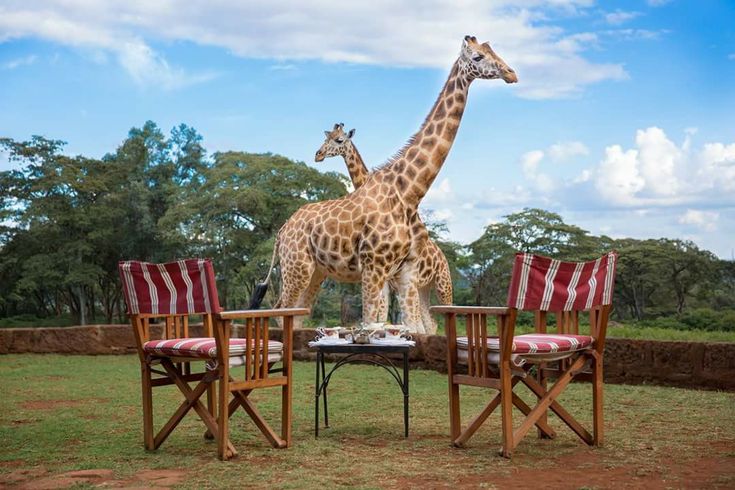
Giraffe Manor Nairobi
September 10, 2025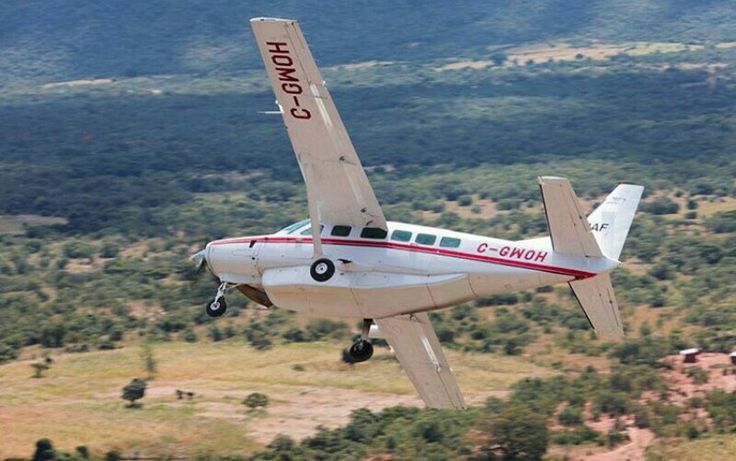
Kenya ranks among Africa’s top safari destinations, boasting vast savannahs, abundant wildlife, and iconic national parks. Private flying safaris have transformed how travelers explore the country, offering speed, comfort, and unmatched access to remote lodges. With aerial views of rolling plains, volcanic hills, and rivers teeming with wildlife, flying safaris let visitors maximize time in the wilderness while traveling in luxury. Private Flying Safaris in Kenya
What is a private flying safari in Kenya?
A private flying safari in Kenya uses chartered planes or helicopters to reach safari destinations instead of relying on road travel. Flights typically depart from Nairobi’s Wilson Airport or Jomo Kenyatta International Airport and deliver guests directly to airstrips near national parks or conservancies.
Travelers enjoy flexibility, exclusivity, and speed. Instead of spending 4–6 hours driving to the Masai Mara or Amboseli, guests can arrive in under an hour. Flying safaris often combine multiple destinations, allowing visitors to trek through savannahs, visit local communities, and relax in luxury lodges, all in one seamless itinerary.
Which national parks can you visit on a flying safari in Kenya?
Flying safaris give visitors access to Kenya’s most famous and remote parks. In the Masai Mara National Reserve, guests witness the Great Migration and spot high predator concentrations, landing directly at airstrips inside or near the reserve. Amboseli National Park features large elephant herds and stunning views of Mount Kilimanjaro, with flights from Nairobi taking roughly 40 minutes.
Samburu National Reserve in northern Kenya hosts rare species such as Grevy’s zebra, reticulated giraffe, and Somali ostrich. Flying reduces the 6-hour road journey to just one hour. Laikipia Conservancies offer exclusive wildlife encounters, rhino sanctuaries, and private lodges. Tsavo East and Tsavo West National Parks cover vast wilderness areas, ideal for off-the-beaten-path experiences. Mount Kenya National Park provides mountain scenery and adventure activities. Flying safaris allow travelers to combine multiple parks in a single itinerary without spending hours on the road.
How much does a private flying safari in Kenya cost?
The cost depends on the aircraft type, destinations, and accommodation level. Chartered flights typically cost USD 300–500 per person for one-way trips like Nairobi to Masai Mara. Helicopter transfers range from USD 600–1,200 per hour. Multi-day luxury packages, including flights, lodges, park entry fees, and activities, range from USD 5,000–15,000 per person.
Private flying safaris save time and energy, offering a premium experience for travelers seeking comfort and convenience.
What are the advantages of a flying safari compared to driving?
Flying safaris save time, as road journeys to major parks can take 5–6 hours, while flights take under an hour. Guests travel comfortably, avoiding long hours on dusty or bumpy roads. Aerial views provide breathtaking perspectives of Kenya’s savannahs, rivers, volcanoes, and snow-capped mountains. Flying safaris also offer exclusivity and privacy, enabling guests to customize itineraries and access remote lodges with ease.
What types of planes are used for private flying safaris in Kenya?
Operators typically use Cessna Caravans for small groups, seating 9–12 passengers. Helicopters suit travelers who want flexible landing points and scenic flights. Twin-engine aircraft carry larger groups at higher speeds, while private jets cater to international guests combining Kenya with other destinations. Licensed aviation companies operate all flights, maintaining strict safety and maintenance standards.
Is the Great Migration included in flying safari packages?
Yes, many flying safari packages align with the Great Migration, one of the world’s most spectacular wildlife events. From July to October, millions of wildebeest, zebras, and gazelles cross the Mara River between Tanzania’s Serengeti and Kenya’s Masai Mara. Flying safaris let guests arrive on time, stay near prime viewing spots, and witness river crossings. Packages often include daily game drives, river crossing observations, and scenic flights over migration areas.
What is the best time for a flying safari in Kenya?
The best time depends on the experience travelers seek. July to October offers peak viewing of the Great Migration. January to March provides dry conditions and excellent wildlife visibility. November to December and April to June bring lush green landscapes, fewer crowds, and lower rates, ideal for photography and bird watching. Dry months generally ensure smoother flights and better wildlife spotting.
How do you book a private flying safari in Kenya?
Booking requires working with specialized safari operators or luxury travel companies. Steps include selecting destinations, arranging charter flights, securing park fees, and reserving lodges. Early booking is essential, especially during the Great Migration, when flights and accommodations sell out quickly.
Are flying safaris safe in Kenya?
Yes, flying safaris operate under strict safety standards. Pilots have extensive bush-flying experience, and aircraft undergo regular inspections. Kenya’s tourism infrastructure is strong and well-established, ensuring guests travel safely between parks and lodges. Choosing reputable operators guarantees both comfort and security.
Can families take private flying safaris in Kenya?
Absolutely. Families benefit from private aircraft, shorter travel times, and lodges offering family-friendly suites, dining, and guides. Walking safaris may have age restrictions, but game drives and cultural visits suit all ages. Flying safaris allow families to experience multiple parks in comfort without long drives.
What wildlife can you see on a flying safari in Kenya?
Guests encounter the Big Five—lion, elephant, leopard, buffalo, and rhino—across Kenya’s parks. During the Great Migration, wildebeest, zebras, and gazelles traverse the Masai Mara. Samburu hosts rare species like Grevy’s zebra and Somali ostrich. Bird enthusiasts will find over 1,000 species, including flamingos and endemic forest birds. Visitors also enjoy scenic landscapes, from Mount Kenya’s snow-capped peaks to Tsavo’s rolling plains.
What is the difference between scheduled flights and private charter safaris in Kenya?
Scheduled flights operate on fixed routes and timetables, shared with other passengers, and offer a cost-effective option. Private charters are fully customized, providing privacy, flexible timing, and direct access to lodges or conservancies. Private charters remain the preferred choice for luxury travelers and families seeking exclusivity.
How long does a typical flying safari in Kenya last?
Flying safaris usually range from 5 to 10 days. Short trips of 3–4 days focus on one park, like the Masai Mara. Seven-day itineraries often include Masai Mara, Amboseli, and Laikipia. Ten-day safaris may cover Masai Mara, Samburu, Amboseli, and Tsavo, providing a complete wildlife and cultural experience.
Do flying safaris include luxury lodge stays in Kenya?
Yes, most packages include stays at Kenya’s top lodges and tented camps. Guests enjoy private suites or tents with panoramic views, fine dining, exclusive game drives, and spa facilities. Many lodges sit in private conservancies for more intimate wildlife experiences. Popular options include Angama Mara, Ol Donyo Lodge, Elsa’s Kopje, and Loisaba Tented Camp.
Final Thoughts
Private flying safaris in Kenya combine speed, comfort, and adventure, allowing travelers to explore multiple parks efficiently. Guests experience the Great Migration, Big Five wildlife, and breathtaking landscapes while avoiding long road journeys. Families, honeymooners, and luxury travelers alike benefit from exclusive flights and lodges. Flying safaris redefine how visitors experience Kenya’s wilderness, offering unmatched convenience and unforgettable memories.