- CONTACT US NOW:
- +256 706 276 621
- +256 784 928 080
- info@abundadiscoveriesuganda.com

Rushaga Accommodation: 7 Best Tips for a Great 2027 Stay

Gorilla Trekking from Kigali: 5 Best Cyanika vs Katuna Tips
October 25, 2026
3 Day Gorilla Safari Cost: 2027 Prices & 7 Smart Tips
October 27, 2026
Where to Stay Near Rushaga Gorilla Trekking Headquarters
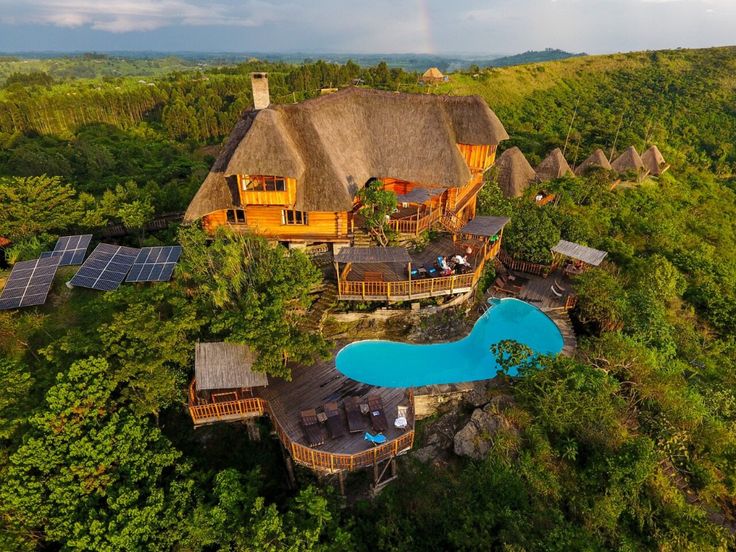
Rushaga accommodation should make your gorilla trekking morning simpler. Explore lodge shortlists, access questions, realistic transfer planning and the details that matter before you book.
Southern Bwindi · Lodge planning guide
Finding the right Rushaga accommodation is not just about choosing the nicest room. It is about staying in the correct part of Bwindi, reaching the correct briefing point on time and giving yourself the best possible start to a demanding forest experience. This guide explains how to make that decision without relying on unverified distances or outdated lodge rates.

Why Rushaga accommodation is a logistics decision, not just a room choice
Choosing Rushaga accommodation starts with a simple question: where do you need to be when the morning gorilla trekking briefing begins? Rushaga is one of four trekking sectors of Bwindi Impenetrable National Park. A beautiful room elsewhere in Bwindi can still be inconvenient if your permit is for Rushaga. The park is not a single entrance with a row of interchangeable hotels.
Think of your accommodation as the final link in a chain: permit sector, access road, lodge location, morning transport and park reporting point. If one link is wrong, the quality of the room will not solve the problem. A comfortable night close to the correct briefing area can reduce uncertainty before a physically demanding day.
Our practical approach is to choose the permit sector first, then shortlist lodges based on a verified route to that sector. Only after those checks should you compare views, dining, room style and price. This ordering is especially helpful for first-time visitors, travelers arriving from Kigali and anyone concerned about early starts.
Where is Rushaga gorilla trekking headquarters?
Rushaga lies in the southern part of Bwindi, in southwestern Uganda. The Rushaga trekking briefing point serves visitors whose permits are booked for that sector. It should not be confused with the briefing points at Nkuringo, Buhoma or Ruhija. Uganda Wildlife Authority identifies these as distinct gorilla trekking sectors.
The southern trailheads are reached via roads connecting with the Kabale–Kisoro corridor and the Kisoro area. These are hilly landscapes where the shortest line on a map is rarely the quickest road journey. Some approaches are unpaved, and rain can change the experience substantially.
Before confirming a lodge, ask for its exact map pin and the precise location of the Rushaga reporting point for your trekking date. Confirm whether the property means walking distance, vehicle distance or simply that it is in the broader southern Bwindi area. “Near Bwindi” is not a useful enough description for an early morning departure.
How close should you stay to Rushaga headquarters?
The best distance is the one that gives you a predictable morning. For many visitors, a lodge in the immediate Rushaga area is preferable to a distant base, even if the distant lodge looks more luxurious online. But proximity alone is not the full story: a lodge may sit on a steep track, or its rooms may be spread across a hillside.
Ask the lodge to describe the entire door-to-briefing journey: how guests get from their room to reception, where the safari vehicle parks, whether the road is accessible after rain, and whether the lodge routinely transfers trekkers to the reporting point. A few minutes of difficult walking before breakfast may matter more to a traveler with knee concerns than an extra stretch of comfortable vehicle travel.
For a sensible planning buffer, arrange your morning departure with your guide the evening before. Do not treat any online travel-time estimate as a guarantee. The correct departure time depends on the current reporting instructions, road condition, vehicle and exact lodge entrance.

Rushaga accommodation: lodges to shortlist
The properties below are research shortlists, not a verified ranking. Names, management, room inventory, prices, road access and operations can change. Abunda Discoveries Uganda should confirm each property directly before recommending or booking it for a specific 2027 departure.
Gorilla Safari Lodge
Consider this property when looking for a lodge-style stay in the Rushaga area. Rather than relying on promotional phrases such as “minutes from the park,” request the exact route to the morning briefing and a current description of room access. Ask whether the quoted rate includes meals, packed lunch and transport to the briefing point.
Rushaga Gorilla Lodge
This is a useful name to investigate for travelers who want to base themselves in Rushaga itself. Confirm its current operating details, room categories and transfer arrangements. For couples, ask about privacy between rooms; for families or friends, ask whether rooms can be allocated close together.
Rushaga Gorilla Camp
A camp-style property may appeal to visitors who value a simpler forest-edge atmosphere and a practical overnight base. Confirm the current facilities rather than assuming a particular standard from the word “camp.” Important questions include hot water, charging points, evening meals and how breakfast is handled before trekking.
Ichumbi Gorilla Lodge
Include Ichumbi on a comparison list, but assess it on the same criteria as every other lodge: verified location, route to the Rushaga briefing point, current accommodation standard and what is included in the rate. Travelers arriving after a long transfer should also ask about dinner service and late check-in arrangements.
Four Gorillas Lodge
This is another property worth checking for Rushaga-area accommodation. If comfort is a priority, compare room layouts, accessibility and dining arrangements, not just photographs. Ask whether the lodge can accommodate an early departure and whether your driver can reach the entrance reliably in wet conditions.
Editorial note: We deliberately avoid claiming which lodge is closest or quoting unverified nightly rates. A reliable recommendation should be based on current confirmations for your travel date, not a static list that may age badly.
A useful Rushaga lodge comparison checklist
Use this comparison method before paying a deposit. It produces a more dependable decision than ranking lodges by star labels alone.
| What to compare | Why it matters | Question to ask |
|---|---|---|
| Reporting-point route | Reduces morning uncertainty | Can you share the actual driving route and pickup plan? |
| Road access | Rain can slow an unpaved approach | Can our vehicle reach the lodge after heavy rain? |
| Room access | Hillside steps can tire guests | Are there many stairs between room and reception? |
| Early meals | Trekking can take several hours | Is early breakfast and a packed lunch available? |
| Inclusions | Prevents unexpected charges | Are meals, taxes and transfers included? |
| Booking terms | Travel plans sometimes change | What are the cancellation and amendment conditions? |
Our recommendation is to record answers in writing. A screenshot of a lodge’s map pin, a confirmed transfer plan and an itemized quotation are often more useful than an attractive but vague brochure.
Budget, midrange and luxury Rushaga accommodation
Budget stays suit travelers who prioritize a safe, clean room and reliable access to the briefing point over extensive facilities. Check the total price with meals and transfers, because a lower room rate can become less competitive once extras are added.
Midrange lodges often offer the most balanced choice for a private gorilla safari: comfortable sleeping arrangements, organized meals and enough support for an early start. Evaluate the property itself rather than assuming every midrange lodge offers the same services.
Higher-end stays can be worthwhile for travelers who want spacious rooms, a quiet setting and more personalized service. However, luxury does not automatically mean the shortest route to Rushaga headquarters. If the trek is the central reason for visiting, road access and morning reliability remain essential.
One helpful budgeting technique is to calculate the cost of the whole trekking night, not only the room: accommodation, dinner, breakfast, packed lunch, guide or driver time and any transfer charge. This makes very different lodge quotations easier to compare fairly.
Should you stay in Rushaga, Nkuringo or Kisoro?
Rushaga is the most straightforward base to investigate for a Rushaga permit because it keeps the focus on the correct trekking sector. The practical advantage is a potentially simpler morning, subject to the lodge’s exact location.
Nkuringo is another southern Bwindi sector with its own trekking briefing arrangements. A lodge marketed as “Nkuringo” should not automatically be treated as convenient for Rushaga. The two areas are distinct, and road connections can be slower than their map distance suggests.
Kisoro can be a useful transport hub, particularly for guests arriving by domestic flight or continuing to other southwest Uganda attractions. Staying there may give a wider range of services, but it adds a road transfer on trekking morning. Decide whether that trade-off is worth it for your group.
For guests who have mobility concerns, a late arrival or a tight onward itinerary, we would usually prioritize a verified Rushaga-area lodge over a more distant base. This is a planning preference, not a claim that every traveler must stay in Rushaga.
Getting to your Rushaga lodge from Kigali, Entebbe or Kisoro
From Kigali: A road-based itinerary can be attractive for travelers entering Uganda from Rwanda. Border formalities, immigration requirements, the chosen crossing and the condition of the final road all influence the schedule. Do not promise a fixed arrival time without checking the current route and border requirements.
From Entebbe or Kampala: The overland journey is long and should be planned as a travel day, with realistic breaks and an arrival before dark where possible. A comfortable lodge becomes far more valuable when guests have enough time to eat, repack and rest before trekking.
By domestic flight: Kisoro Airstrip is a relevant gateway for southern Bwindi. Flights depend on schedules, operating conditions and seat availability; a road transfer is still required from the airstrip to your lodge. Confirm baggage allowances and onward pickup before purchasing a ticket.
For every route, send your driver the lodge’s precise pin, contact number and expected check-in time. Ask the lodge whether the final access road requires a suitable high-clearance vehicle. Uganda Wildlife Authority’s Bwindi visitor material recommends a 4×4 for park access.
The night before trekking: a practical routine
One of the most overlooked benefits of the right Rushaga accommodation is the chance to prepare without rushing. Before dinner, confirm your permit details, passport or identification requirements, reporting instructions and vehicle pickup time with your guide. Put your trekking clothes, rain jacket, walking boots and daypack together.
Ask the kitchen when breakfast will be served and whether a packed lunch and sufficient drinking water can be arranged. Check the weather forecast, but pack for changing conditions regardless of the forecast. Bwindi is a rainforest, and a sunny evening does not guarantee a dry morning.
If you are traveling as a couple or family, agree on a simple plan for valuables, cameras and spare clothes. If anyone has mobility or health concerns, communicate these in advance to your safari planner and discuss suitable support with the trekking team. A lodge cannot guarantee an easy trek or determine which gorilla family you will visit.
Which Rushaga lodge setup works for your travel style?
Couples: Prioritize a peaceful room, privacy, a flexible dinner arrangement and enough time to relax after the trek. A romantic view is an advantage, but it should not outweigh a dependable morning transfer.
Travelers over 70 or with knee concerns: Ask about stairs, uneven paths, bathrooms, room proximity to reception and whether staff can help with luggage. Also ask about porter arrangements for the trek. These questions are more useful than relying on broad labels such as “senior-friendly.”
Photographers: Ask about charging points, secure storage, lighting and how early breakfast can be served. Plan for rain protection for equipment, but remember that photography must follow ranger instructions during the gorilla encounter.
Short-stay visitors from Kigali: Choose accommodation that fits a realistic border-to-lodge journey and leaves enough rest before trekking. Saving a small amount on a distant room may not be worthwhile if it creates a stressful morning.

Sample three-day safari using Rushaga accommodation
Day 1 — Arrival and settling in. Travel to southern Bwindi by your chosen route. Check in at a lodge whose access to the Rushaga briefing point has been confirmed. Meet your guide, review permit information and prepare clothing and equipment.
Day 2 — Gorilla trekking. Have an early breakfast and transfer to the official reporting point at the time instructed. Attend the Uganda Wildlife Authority briefing, then trek with the assigned ranger team. Trek length and terrain vary with gorilla movements. Return to the lodge to rest after the experience.
Day 3 — Departure or onward safari. Continue to Kisoro, Kigali or another Uganda destination according to your route. If adding Queen Elizabeth National Park or other areas, allow realistic transfer time rather than treating the drive as a quick hop.
For a shorter visit, explore Abunda Discoveries Uganda’s gorilla trekking safari planning options and request a sector-specific itinerary before committing to a package.
Frequently asked questions about Rushaga accommodation
What is the closest lodge to Rushaga gorilla trekking headquarters?
There is no reliable universal answer without checking current lodge entrances, road routes and the exact reporting point. Ask for verified route details for your travel date rather than relying on an unqualified “closest lodge” claim.
Can I walk from my lodge to the Rushaga briefing?
Possibly, depending on the specific property and route. Never assume walking is safe or practical just because the lodge looks close on a map. Ask the property and your guide whether a vehicle transfer is preferable.
Are there budget options near Rushaga?
There are different accommodation styles in the southern Bwindi area. Compare the full cost of the stay, including meals and briefing transfers, before deciding which option is genuinely economical.
Can I stay in Nkuringo and trek in Rushaga?
It may be logistically possible with the right vehicle and departure plan, but the sectors have separate briefing points. Confirm road access and journey time rather than assuming they are adjacent.
Is Kisoro a good place to sleep before a Rushaga trek?
Kisoro may suit travelers arriving by air or combining destinations. However, staying in town means allowing additional time to reach Rushaga on trekking morning.
What time does the Rushaga gorilla trekking briefing begin?
UWA visitor material describes early morning registration and briefing. Follow the specific reporting time on your current permit instructions and from your operator; do not rely on an old online schedule.
Do lodges provide packed lunches?
Many trekking-oriented properties can arrange them, but inclusions vary. Request written confirmation the day before and advise the kitchen about dietary requirements.
How early should I book Rushaga accommodation for 2027?
Start planning once your travel dates are reasonably firm, especially during popular travel periods. Coordinate lodge availability with the correct Rushaga permit dates before paying nonrefundable deposits.