- CONTACT US NOW:
- +256 784 928 080
- info@abundadiscoveriesuganda.com

Rwanda Eco Tourism and Conservation
Responsible Tourism in East Africa
April 24, 2025
Rwenzori Mountains Hiking Tours
April 24, 2025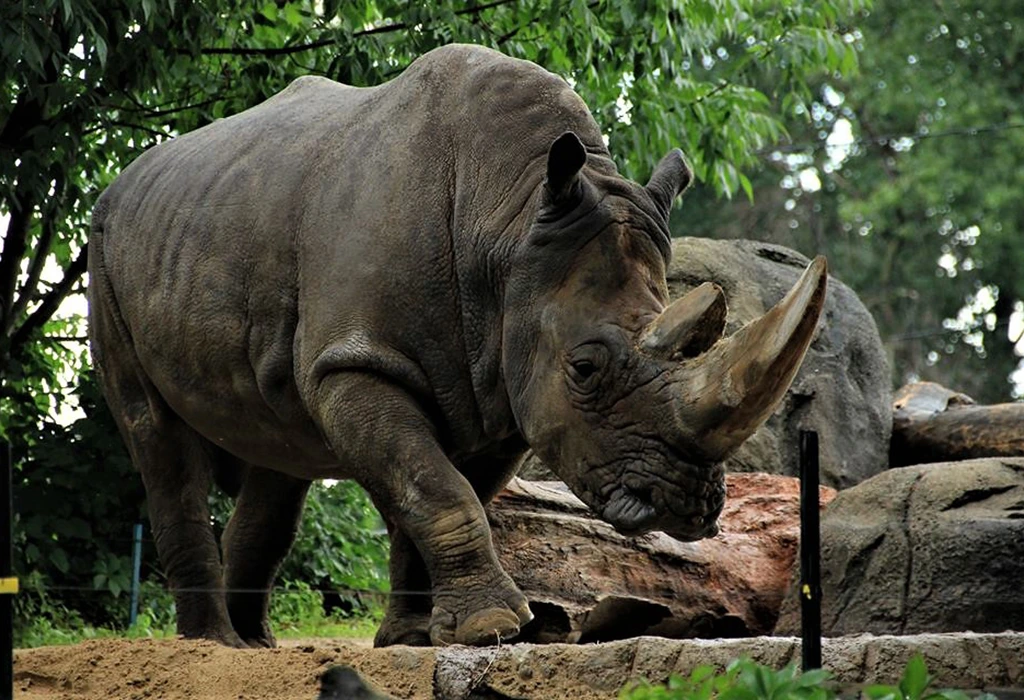
Rwanda Eco Tourism and Conservation
Why Is Rwanda a Global Leader in Eco-Tourism and Conservation?
Nestled in the heart of East Africa, Rwanda—famously known as the “Land of a Thousand Hills”—has become a shining example of how eco-tourism and conservation can go hand in hand. Its stunning landscapes, ranging from mist-covered mountains to lush rainforests, are not just scenic—they’re sacred. Rwanda has worked diligently to protect these ecosystems, making sustainable travel a cornerstone of its national identity. This commitment has earned the country a reputation as one of Africa’s most environmentally conscious destinations. Through forward-thinking policies and a strong conservation ethic, Rwanda has found a way to balance tourism with the urgent need to protect its natural heritage. For eco-conscious travelers, Rwanda offers a meaningful opportunity to experience wild beauty while supporting the people and policies that preserve it.
What Drives Rwanda’s Deep Commitment to Conservation?
Rwanda places sustainability at the heart of every tourist experience. From the moment travelers arrive, the country promotes a model of low-impact tourism that actively encourages responsible exploration. Whether it’s gorilla trekking, birdwatching, canopy walks, or guided hikes, each activity is carefully designed to educate and inspire—all while protecting the environment.
Moreover, eco-lodges and hotels across Rwanda reflect this same philosophy. Many operate on renewable energy, recycle waste, and source food directly from local farmers, thereby reducing both environmental pressure and economic strain. Notably, properties like Sabyinyo Silverback Lodge and One&Only Nyungwe House offer more than just luxury—they lead with purpose and sustainability.
In addition, Rwanda’s commitment extends far beyond its tourism services. The country maintains clean streets, enforces plastic bans, and invests heavily in public education about conservation. As a result, sustainability isn’t just a policy in Rwanda—it’s a deeply embedded part of the national identity.
How Does Eco-Tourism Empower Rwandan Communities?
Eco-tourism in Rwanda does more than protect nature—it empowers people. Around key wildlife zones like Volcanoes National Park, local communities are deeply involved in the tourism ecosystem. Residents work as guides, porters, and rangers, and many take part in anti-poaching and education programs. Their roles go beyond employment—they are stewards of the land. The government ensures that a significant portion of tourism revenue is channeled back into community development through improved healthcare, education, and infrastructure. This collaborative approach has created a sense of ownership and pride among locals, turning conservation into a shared mission. Rwanda’s eco-tourism isn’t just sustainable—it’s inclusive, proving that environmental protection and community development can flourish side by side.
Which National Parks Highlight Rwanda’s Conservation Achievements?
Rwanda’s national parks are living testaments to the success of its conservation strategy. Each park offers a unique ecosystem and experience, showcasing the country’s diverse natural heritage:
- Volcanoes National Park is the crown jewel of Rwanda’s tourism industry. Beyond the iconic mountain gorillas, the park shelters golden monkeys, buffaloes, and rich birdlife. Strict conservation protocols ensure minimal disruption to these animals and their habitats, making visits impactful yet responsible.
- Nyungwe Forest National Park offers a vastly different experience—a trek into one of Africa’s oldest rainforests. It’s a sanctuary for chimpanzees and countless other primates. Here, sustainable forest management and eco-tourism programs help preserve this rare ecosystem.
- Akagera National Park, once nearly devoid of wildlife, now thrives with elephants, lions, rhinos, and more. Thanks to rewilding programs and community engagement, Akagera has transformed into a premier safari destination while remaining firmly grounded in conservation.
- Gishwati-Mukura National Park, Rwanda’s newest protected area, is part of a visionary effort to connect fragmented forests and protect biodiversity corridors.
Together, these parks form the backbone of Rwanda’s conservation movement—and offer travelers unforgettable encounters with nature at its most raw and beautiful.
What Sustainable Tourism Practices Are in Place Across Rwanda?
Rwanda puts sustainability at the heart of every tourist experience. The country champions a model of low-impact tourism that actively encourages travelers to explore responsibly. Tourists engage in eco-friendly activities like gorilla trekking, birdwatching, canopy walks, and guided hikes—each designed to educate and inspire while preserving the environment. Lodges and hotels echo this commitment by running on renewable energy, recycling waste, and sourcing food from local farmers. They don’t just provide comfort—they lead with conscience. Properties like Sabyinyo Silverback Lodge and One&Only Nyungwe House set a powerful example of sustainable luxury. Across the country, Rwanda reinforces its green vision through clean streets, strict plastic bans, and widespread conservation education, proving that sustainability isn’t an option—it’s a way of life.
How Is Rwanda Influencing Global Conservation Through Tourism?
Rwanda’s eco-tourism success story is now echoing far beyond its borders. The country’s ability to marry economic growth with environmental stewardship is inspiring other nations to rethink their own tourism models. Partnerships with global organizations like the World Wildlife Fund (WWF) and African Wildlife Foundation (AWF) have helped amplify Rwanda’s impact, both regionally and internationally. By proving that wildlife conservation can coexist with profitable, community-oriented tourism, Rwanda is setting a bold new standard. It’s not just a destination—it’s a movement. One where each traveler becomes part of a global effort to protect our planet.
Why Should You Choose Rwanda for Your Next Eco-Friendly Adventure?
Rwanda isn’t just a place to visit—it’s a place to connect, learn, and contribute. When you trek through its forests, stay in its sustainable lodges, and meet the people behind its conservation efforts, you become part of a story that’s bigger than travel. It’s a story of resilience, recovery, and respect—for the land, for the wildlife, and for the communities that call it home. Whether you’re witnessing gorillas in the mist, walking through ancient rainforests, or learning about local culture from community hosts, every moment in Rwanda leaves a lasting impression. And when you choose to travel consciously, your visit helps ensure that Rwanda’s natural beauty and cultural richness are preserved for generations to come.


