- CONTACT US NOW:
- +256 784 928 080
- info@abundadiscoveriesuganda.com

Sport Fishing in Murchison Falls National Park
Frequently Asked Questions About Gorilla Permits
September 19, 2025
Where to See Giraffes in Uganda
September 22, 2025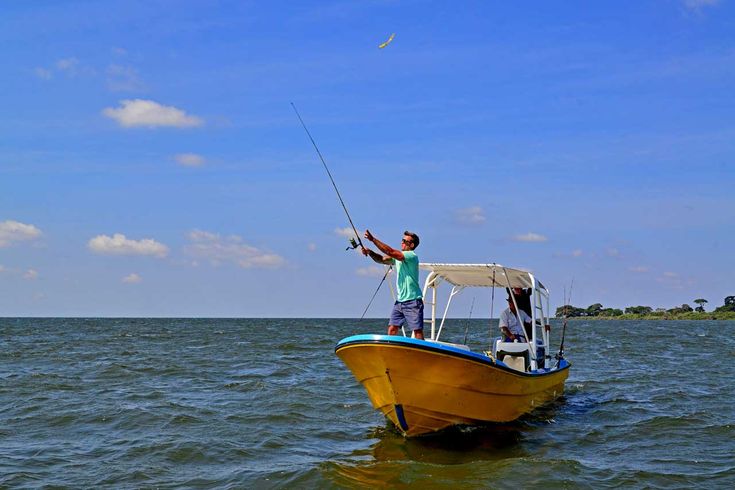
What is sport fishing in Murchison Falls National Park?
Sport fishing in Murchison Falls National Park is a recreational activity where anglers fish for large freshwater species in the Nile River and its tributaries. The park, located in northwestern Uganda, is famous for its breathtaking waterfalls, diverse wildlife, and rich aquatic biodiversity. Sport fishing combines the thrill of catching trophy fish with the beauty of a world-class safari environment. Visitors can fish from the riverbanks, boats, or specially designated fishing platforms.
Which fish species can you catch while sport fishing in Murchison Falls?
Anglers find several prized fish species in Murchison Falls National Park. Nile perch, tilapia, tigerfish, catfish, and lungfish dominate the waters. The Nile perch, in particular, attracts sport fishermen because it grows to impressive sizes, sometimes exceeding 200 pounds. Tigerfish, known for their aggressive strikes and sharp teeth, provide a challenging experience. Tilapia and catfish offer consistent catches, ideal for novice anglers. The diversity of species makes Murchison Falls a top destination for freshwater sport fishing.
What are the best locations for sport fishing within the park?
The Nile River and Albert Nile section of the park provide the most productive fishing spots. Fishermen often target areas near rapids, river bends, and calm pools where fish congregate. Paraa and Kabalega Falls zones also attract large Nile perch. Some lodges within the park offer private fishing platforms on the river, ensuring anglers have easy access to prime locations. Guided tours often highlight secret spots where experienced local guides know the fish patterns.
When is the ideal season for sport fishing in Murchison Falls?
Anglers usually target two primary seasons for fishing. The dry season, from December to February and June to August, offers calm waters, making it easier to navigate boats and spot fish. The rainy season, from March to May and September to November, increases water levels, which can make fishing challenging but sometimaes improves fish activity in deep channels. Most anglers prefer the dry season for easier access and higher chances of catching large Nile perch.
What equipment do you need for sport fishing in the park?
Anglers should carry rods suitable for large freshwater fish, reels with high drag capacity, strong fishing lines, hooks, lures, and bait. Landing nets, gloves, and pliers are also essential for handling large catches safely. Some lodges and tour operators provide rental equipment for visitors who travel light. Wearing a hat, sunscreen, polarized sunglasses, and water-resistant clothing ensures comfort during long fishing hours under the tropical sun.
Can beginners participate in sport fishing in Murchison Falls?
Yes. Beginners can enjoy sport fishing in Murchison Falls with guidance from trained local instructors and tour guides. Many lodges and operators provide step-by-step assistance, from casting techniques to landing fish safely. Beginners often start with smaller species such as tilapia or catfish to build confidence before attempting larger Nile perch or tigerfish.
Are there guided sport fishing tours available?
Yes. Several lodges and tour operators in Murchison Falls National Park offer guided sport fishing tours. Guides provide expert knowledge of the river, fish behavior, and the best fishing spots. They also handle boat navigation and ensure compliance with park rules. Guided tours can last half a day, full day, or multiple days, depending on the visitor’s preference and package selected.
How much does a sport fishing trip in Murchison Falls cost?
The cost varies depending on the duration, equipment provided, and whether the trip includes accommodation. Half-day guided trips typically start at USD 150 per person, while full-day packages may range from USD 250 to USD 400. Multi-day fishing safaris, including lodging, meals, and boat rental, can cost USD 700 and above per person. Tour operators often offer customizable packages to suit different budgets and preferences.
What regulations govern sport fishing in Murchison Falls National Park?
The Uganda Wildlife Authority (UWA) enforces regulations to protect aquatic ecosystems. Anglers must comply with catch limits, respect size restrictions, and avoid fishing in sensitive breeding areas. Use of non-approved gear or chemicals is prohibited. Rangers monitor fishing activities to ensure sustainable practices. Observing these rules helps preserve the fish population and the park’s natural balance.
Do you need a permit for sport fishing in the park?
Yes. Anglers must obtain a sport fishing permit from the Uganda Wildlife Authority. The permit covers river access and ensures legal compliance. UWA charges fees based on duration—daily, weekly, or multi-day permits. Visitors usually secure permits through their lodge, tour operator, or directly at UWA offices.
What accommodations are available near fishing spots in the park?
Murchison Falls National Park offers a range of accommodation options, from luxury lodges to budget campsites. Para Safari Lodge, Red Chilli Rest Camp, and Kabalega Wilderness Lodge provide easy access to prime fishing spots along the Nile. Many lodges include boats, guides, and equipment for sport fishing as part of their packages. Camping areas also allow anglers to stay close to the river for multi-day fishing experiences.
Are catch-and-release practices followed during sport fishing?
Yes. Many tour operators and lodges encourage catch-and-release to protect fish populations, especially Nile perch and tigerfish. Anglers handle fish carefully, minimize out-of-water time, and release them promptly. Conservation-focused practices like these ensure the park remains a sustainable sport fishing destination for future visitors.
How does sport fishing contribute to conservation in Murchison Falls?
Sport fishing generates revenue that supports park management, anti-poaching patrols, and community development projects. Permit fees fund the Uganda Wildlife Authority, which maintains river ecosystems and protects wildlife. Local communities benefit from employment as guides, lodge staff, and equipment providers. Sport fishing encourages responsible tourism that balances recreation with environmental stewardship.
Can you combine sport fishing with a safari in the park?
Yes. Many tour operators combine sport fishing with traditional safaris in Murchison Falls National Park. Visitors can spend mornings fishing and afternoons on game drives to view elephants, lions, hippos, and buffalo. Boat safaris on the Nile River allow tourists to see hippos, crocodiles, and birdlife while enjoying a relaxing break from fishing. Combined packages maximize the visitor experience.
What safety precautions should anglers follow while sport fishing?
Anglers should always wear life jackets when on boats and follow ranger instructions. Staying hydrated, wearing sunscreen, and applying insect repellent reduces health risks. Handling fish carefully and using proper tools minimizes injury from sharp teeth or fins. Awareness of wildlife near the riverbank, such as hippos or crocodiles, remains crucial for safety.
How do local communities benefit from sport fishing tourism?
Local communities benefit economically through employment, guiding services, boat rentals, and craft sales. Sport fishing tourism also stimulates local agriculture and food supply to lodges. Some operators invest in community projects, including schools and clean water initiatives, funded partly by tourism revenue. This creates a positive impact on livelihoods while encouraging sustainable practices.
Are there restrictions on the type or size of fish you can catch?
Yes. UWA enforces rules to protect vulnerable species. Catch limits, size minimums, and seasonal restrictions prevent overfishing. Tigerfish and Nile perch regulations ensure that juvenile fish remain in the river to reproduce. Anglers must adhere strictly to these rules to maintain the ecological balance.
What is the duration of a typical sport fishing trip in the park?
Sport fishing trips vary in length. Half-day excursions usually last 4 hours, while full-day trips last 6 to 8 hours. Multi-day packages can last 2 to 5 days, including accommodation, boat access, and multiple fishing sessions. Tour operators tailor itineraries to match anglers’ skill levels and preferences.
How do you book a sport fishing adventure in Murchison Falls?
You can book sport fishing trips through lodges, tour operators, or directly via the Uganda Wildlife Authority. Online reservations often guarantee availability, especially during peak tourist seasons. Many packages include fishing guides, boats, equipment, and accommodation for a hassle-free experience.
Can you participate in sport fishing as a day trip or multi-day excursion?
Yes. Day trips suit tourists with limited time, offering 4–8 hours of fishing with a guide. Multi-day excursions allow anglers to explore multiple fishing spots, enjoy extended river access, and combine fishing with safaris. Both options provide excellent experiences depending on available time and budget.