- CONTACT US NOW:
- +256 784 928 080
- info@abundadiscoveriesuganda.com

The Great Rift Valley
Exploring the Giraffe Centre
January 21, 2025
Watamu
January 21, 2025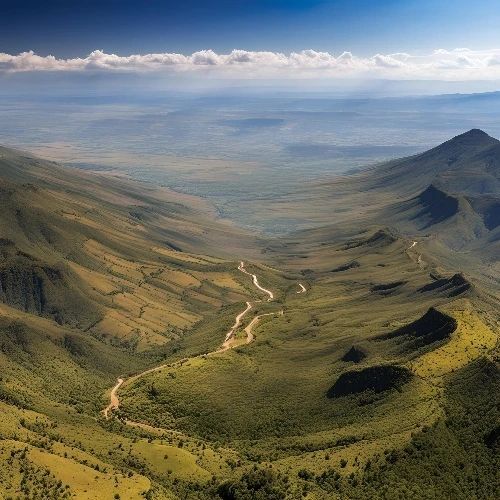
The Great Rift Valley: A Natural Wonder of East Africa
The Great Rift Valley is one of the most iconic geological features on Earth, stretching over 6,000 kilometers from Lebanon in the Middle East to Mozambique in southeastern Africa. In Kenya, this awe-inspiring natural wonder is a central feature of the landscape, offering breathtaking views, unique ecosystems, and a wealth of activities for visitors to enjoy.
In this blog, we’ll explore the history, geography, and attractions of the Great Rift Valley, with a special focus on its Kenyan segment. Whether you’re a nature enthusiast, adventure seeker, or history buff, the Great Rift Valley is a destination that promises to captivate.
What is the Great Rift Valley?
The Great Rift Valley is a massive geological trench formed by tectonic plate movements over millions of years. The valley is part of the East African Rift system, where the African plate is slowly splitting into two smaller plates: the Nubian and Somali plates. This geological activity has created a dramatic landscape of escarpments, lakes, volcanoes, and fertile plains.
In Kenya, the Great Rift Valley runs from the north to the south, cutting through the country and shaping its geography. The Kenyan Rift is home to stunning lakes, wildlife-rich national parks, and cultural landmarks.
Geography of the Rift Valley in Kenya
The Kenyan section of the Great Rift Valley is approximately 700 kilometers long and is flanked by towering escarpments. Key features of the valley include:
- Lakes: The valley hosts a series of lakes, including Lake Naivasha, Lake Nakuru, Lake Bogoria, Lake Turkana, and Lake Magadi. Many of these are part of the Rift Valley Lakes system, which is known for its biodiversity.
- Volcanoes: The region is dotted with dormant and active volcanoes, such as Mount Longonot and Menengai Crater.
- Plains and Escarpments: The valley is surrounded by dramatic escarpments, such as the Mau Escarpment, and vast plains that provide habitat for wildlife.
Highlights of the Great Rift Valley in Kenya
The Kenyan Rift Valley is a treasure trove of natural and cultural wonders. Here are some of the must-visit attractions:
1. Lake Nakuru National Park
Lake Nakuru, a shallow alkaline lake, is famous for its large flocks of flamingos that gather along its shores. The park surrounding the lake is home to a variety of wildlife, including rhinos, lions, and leopards. It’s a UNESCO World Heritage Site and a haven for birdwatchers.
2. Lake Naivasha
A freshwater lake surrounded by lush vegetation, Lake Naivasha is a popular destination for boating and birdwatching. Visitors can spot hippos in the water and a variety of bird species, including fish eagles and kingfishers. Crescent Island, located on the lake, offers guided walking safaris.
3. Lake Bogoria
Known for its hot springs and geysers, Lake Bogoria is another alkaline lake in the valley. The lake attracts flamingos and other waterbirds, and the geothermal activity in the area adds to its unique appeal.
4. Mount Longonot
This dormant volcano is a favorite among hikers. A climb to the crater rim offers stunning views of the surrounding valley and the chance to peer into the crater itself, which is covered with dense forest.
5. Hell’s Gate National Park
Hell’s Gate is a dramatic landscape of cliffs, gorges, and geothermal activity. The park is named for its geothermal steam vents and offers activities such as hiking, rock climbing, and cycling. It inspired the landscapes in Disney’s The Lion King.
6. Lake Turkana
Lake Turkana, also known as the “Jade Sea” for its vibrant green waters, is the world’s largest desert lake. It’s a remote but fascinating destination, known for its unique ecosystems, cultural heritage, and archeological sites.
The Rift Valley’s Role in Human History
The Great Rift Valley is often called the “Cradle of Mankind” due to its significance in human evolution. Some of the oldest hominid fossils have been discovered here, providing valuable insights into our origins. Sites like Koobi Fora near Lake Turkana have yielded fossil remains that date back millions of years.
The valley also has a rich cultural history, with diverse communities living in harmony with the natural environment for centuries. The Maasai, Kikuyu, and other ethnic groups call the Rift Valley home and contribute to its vibrant cultural landscape.
Wildlife of the Great Rift Valley
The Great Rift Valley’s varied habitats support an incredible array of wildlife. From savannahs to wetlands, the region is home to:
- Big Game: Elephants, lions, leopards, and buffalo roam the national parks and reserves.
- Birdlife: The Rift Valley Lakes are internationally recognized for their bird populations, including flamingos, pelicans, and cormorants.
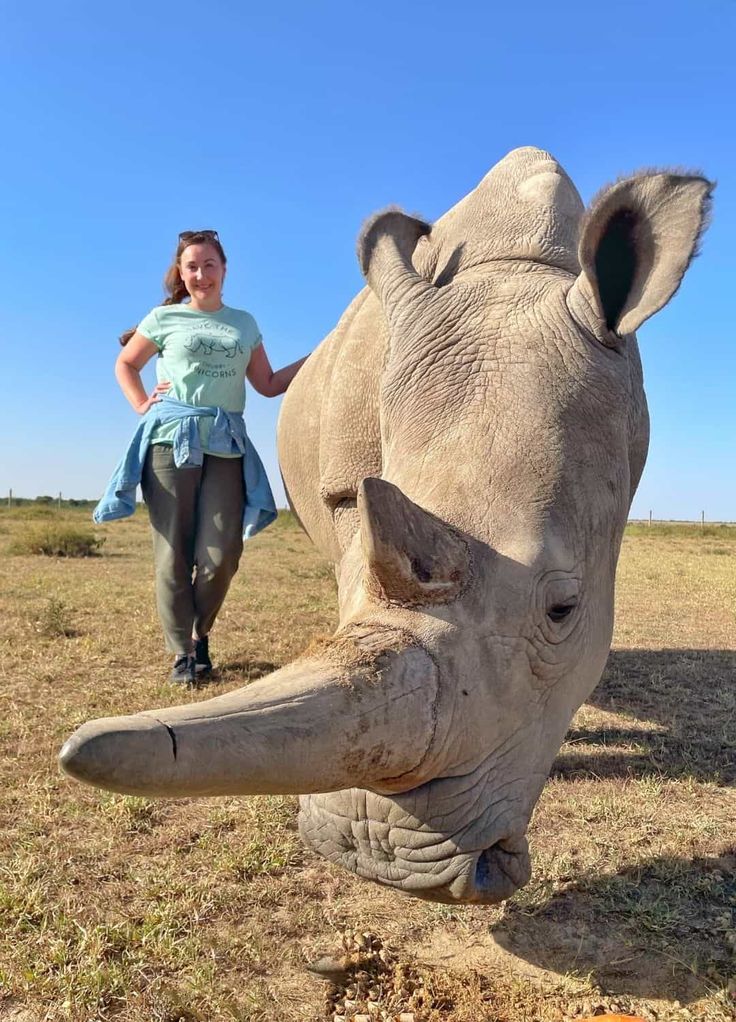
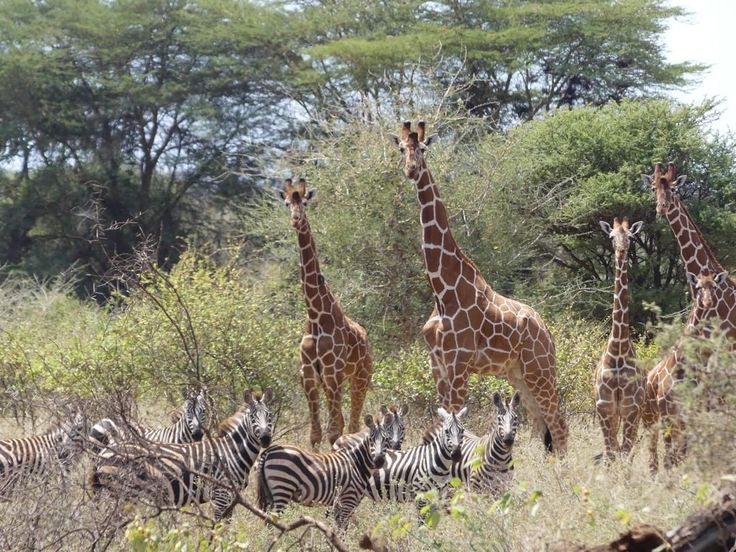
- Rare Species: Black and white rhinos, Rothschild’s giraffes, and Grevy’s zebras can be found in protected areas.
The valley is a biodiversity hotspot, making it a prime destination for wildlife enthusiasts.
Activities to Enjoy in the Great Rift Valley
Visitors to the Great Rift Valley can enjoy a wide range of activities, such as:
- Hiking and Climbing: Explore the trails of Mount Longonot or the cliffs of Hell’s Gate National Park.
- Boating and Fishing: Take a boat ride on Lake Naivasha or try fishing in one of the valley’s freshwater lakes.
- Wildlife Safaris: Visit national parks and reserves to see Kenya’s iconic animals.
- Hot Spring Visits: Relax in the natural hot springs of Lake Bogoria.
- Photography: Capture the dramatic landscapes and stunning wildlife that make the valley unique.
How to Get to the Great Rift Valley
The Great Rift Valley is easily accessible from Nairobi, with most destinations just a few hours’ drive away. Popular starting points include:
- Lake Naivasha: About 90 kilometers (56 miles) northwest of Nairobi.
- Lake Nakuru: Approximately 160 kilometers (100 miles) northwest of Nairobi.
- Hell’s Gate National Park: Roughly 100 kilometers (62 miles) from the capital.
Many tour operators offer day trips and multi-day safaris to explore the valley’s attractions.
Best Time to Visit
The Great Rift Valley is a year-round destination, but the dry season (July to October and January to February) is ideal for outdoor activities and wildlife viewing. During the rainy season, the landscapes are lush and green, but some roads and trails may be challenging to navigate.
Conclusion: A Journey Through Nature’s Masterpiece
The Great Rift Valley is more than just a geographical feature—it’s a living, breathing masterpiece of nature. From its breathtaking landscapes to its rich biodiversity and cultural heritage, the valley offers endless opportunities for exploration and discovery.
Whether you’re hiking up Mount Longonot, marveling at flamingos on Lake Nakuru, or immersing yourself in the history of early humans, the Great Rift Valley promises an unforgettable adventure. Plan your trip today and experience one of Kenya’s greatest natural treasures.