- CONTACT US NOW:
- +256 784 928 080
- info@abundadiscoveriesuganda.com

Top Things to Do in Queen Elizabeth National Park

What Animals Can Be Seen in Kibale National Park?
February 19, 2025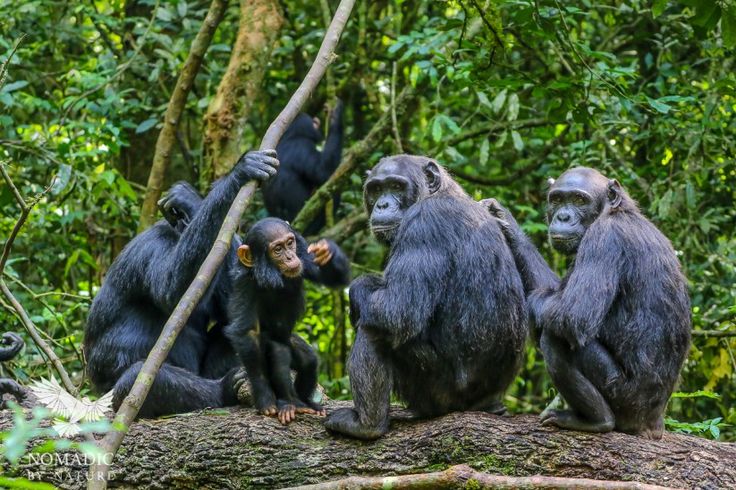
Top Activities in Kibale National Park
February 19, 2025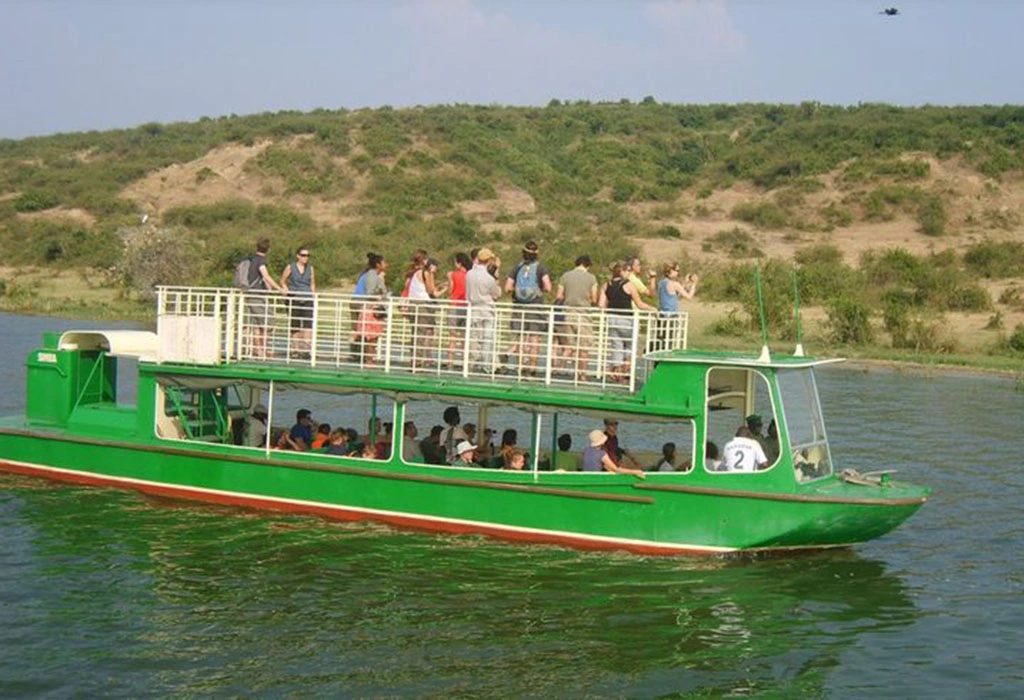
Top Things to Do in Queen Elizabeth National Park
Queen Elizabeth National Park is one of Uganda’s most popular and versatile wildlife destinations, drawing visitors from around the world with its breathtaking landscapes, abundant wildlife, and exciting activities. Located in the western part of Uganda, the park offers an array of experiences that cater to every type of adventurer—from thrilling game drives to peaceful boat safaris and chimpanzee trekking. If you’re planning a trip to Queen Elizabeth National Park, here’s a guide to the top things you can do in this magnificent wildlife haven.
Safari Game Drives
What Makes Game Drives in Queen Elizabeth National Park Special?
Game drives are the quintessential experience at Queen Elizabeth National Park. The park is home to a rich diversity of wildlife, including the famous “Big Five“—lions, elephants, buffaloes, leopards, and rhinos. However, it’s not just about the Big Five; visitors can also spot a variety of other species like giraffes, hippos, crocodiles, and numerous antelope species. Whether you’re an experienced safari-goer or a first-time visitor, a game drive offers a thrilling way to witness Uganda’s wildlife up close.

When is the Best Time for a Game Drive?
Game drives typically take place early in the morning or late in the afternoon, as these are the most active times for wildlife. Early morning drives offer a chance to spot animals before they retreat to cooler, shaded areas, while late afternoon drives provide an opportunity to see nocturnal animals starting to emerge.
Guided game drives with experienced rangers are available, allowing you to learn about the park’s ecosystems, animal behaviors, and conservation efforts as you explore.
Boat Safari on the Kazinga Channel
What is the Kazinga Channel Boat Safari?
A boat safari on the Kazinga Channel is one of the best ways to explore the park’s waterways and spot wildlife in a different way. The Kazinga Channel connects Lake Edward and Lake George, and it is home to an incredible variety of animals, including large populations of hippos and crocodiles. Visitors can take a boat ride along the channel, providing a peaceful way to witness wildlife from the water.
What Wildlife Can You See During a Boat Safari?
On a boat safari, you’re likely to encounter herds of elephants drinking and bathing along the shores, families of hippos lounging in the water, and crocodiles basking on the banks. The channel is also teeming with birdlife, including species like the African Fish Eagle, Yellow-billed Stork, and Kingfishers. The boat ride is a calm and scenic way to get up close to the park’s aquatic creatures and birds.
Chimpanzee Trekking in Kyambura Gorge
What is Chimpanzee Trekking?
For many visitors, chimpanzee trekking in Kyambura Gorge is the highlight of their visit to Queen Elizabeth National Park. The park’s Kyambura Gorge, also known as the “Valley of Apes,” is a lush, forested area that is home to a thriving community of chimpanzees. Chimpanzee trekking involves hiking through the forest with a guide to track down these intelligent and social primates in their natural habitat.
How Does Chimpanzee Trekking Work?
Trekking through Kyambura Gorge can take anywhere from 2 to 4 hours, depending on the location of the chimpanzees. The experience is a mix of adventure and learning as you observe the chimps interacting with each other, using tools, and displaying a range of behaviors that are similar to humans. The trek through the scenic gorge itself is an added bonus, with stunning views and a rich diversity of plant and animal life.
Why Is Chimpanzee Trekking So Special?
Chimpanzees are one of our closest relatives, and witnessing them in their natural environment is a truly remarkable experience. You’ll be able to observe their social dynamics, emotional expressions, and unique behaviors, making this one of the most memorable experiences in the park.
Birdwatching in Queen Elizabeth National Park
Why is Queen Elizabeth National Park Great for Birdwatching?
Queen Elizabeth National Park is a dream come true for birdwatchers. With over 600 species of birds recorded in the park, it is one of the best birdwatching destinations in Uganda. Whether you’re a beginner or an experienced birder, the park offers plenty of opportunities to spot rare and beautiful bird species.
Where are the Best Birdwatching Spots?
Some of the best places to birdwatch in the park include the Kazinga Channel, where you can spot waterfowl, herons, and the African Fish Eagle. The Ishasha Sector, known for its tree-climbing lions, is another prime birding location. The Maramagambo Forest offers a rich variety of forest-dwelling birds, such as the elusive Great Blue Turaco.
What Birds Can You Spot?
Some of the top species to look out for include the Yellow-billed Stork, African Jacana, Papyrus Gonolek, and the White-headed Barbet. The park’s varied ecosystems make it a prime location for spotting both migratory and resident bird species.
Explore the Ishasha Sector
What is the Ishasha Sector?
The Ishasha Sector of Queen Elizabeth National Park is famous for its unique tree-climbing lions. These lions have been known to climb fig trees and other tall trees, making for an unforgettable sight. Ishasha is a remote and less crowded part of the park, providing visitors with a more peaceful and authentic safari experience.
Why Are the Tree-Climbing Lions So Special?
The tree-climbing lions are an anomaly in the animal kingdom, as most lions prefer to remain on the ground. The reasons behind their behavior are still a subject of scientific study, but it’s believed that they climb trees to avoid the heat, evade biting insects, or to get a better vantage point for spotting prey.
Cultural Experiences and Community Tours
How Can You Learn About Local Culture?
While Queen Elizabeth National Park is known for its wildlife, it also offers opportunities for cultural tourism. Visitors can interact with local communities living near the park, learning about their traditions, lifestyles, and crafts.
What Cultural Activities Can You Do?
You can take part in village tours, where you’ll meet local people, watch traditional dances, and shop for handmade crafts such as beadwork, baskets, and wood carvings. Many tour operators arrange cultural exchanges that give visitors a deeper understanding of the park’s surrounding communities.
Why Is Cultural Tourism Important?
Cultural tourism helps support the local economy and fosters a deeper connection between visitors and the destination. It’s a way to celebrate and preserve Uganda’s diverse cultures while enhancing the travel experience.
Hiking and Nature Walks
What Hiking Opportunities Are Available in Queen Elizabeth?
Queen Elizabeth National Park offers several hiking trails, providing an immersive way to explore its landscapes on foot. Guided nature walks are available, allowing you to experience the park’s beauty from a different perspective while learning about its flora and fauna.
Where Can You Go for a Hike?
Popular hiking spots include Maramagambo Forest, which offers a dense canopy of trees, and the Ishasha River trail, where you can see both wildlife and scenic views. The Kyambura Gorge is also a great location for a more challenging hike, where you’ll be rewarded with breathtaking views of the gorge.
Accommodation: Where to Stay in Queen Elizabeth National Park
What Are the Accommodation Options?
Queen Elizabeth National Park offers a range of accommodations to suit different budgets. Whether you prefer luxury lodges or more budget-friendly options, the park has something for everyone.
Luxury Accommodations
For those seeking a more luxurious experience, lodges like Mweya Safari Lodge and Ishasha Wilderness Camp offer stunning views, excellent amenities, and top-notch services.
Mid-Range and Budget Accommodations
If you’re on a budget, some campsites and guesthouses offer a more rustic experience but still provide comfort and essential facilities.
Why Queen Elizabeth National Park is a Must-Visit Destination
Queen Elizabeth National Park offers an incredible variety of activities that make it one of the top wildlife destinations in Uganda. Whether you’re exploring the park on a thrilling safari, cruising along the Kazinga Channel, or experiencing the local culture, there’s something for everyone. From its diverse ecosystems to its abundant wildlife and cultural experiences, Queen Elizabeth is sure to leave a lasting impression on any visitor.
Frequently Asked Questions
What is the best time to visit Queen Elizabeth National Park?
The best time to visit is during the dry seasons, from June to September and December to February, when wildlife is easier to spot.
Can I see the Big Five in Queen Elizabeth National Park?
Yes, Queen Elizabeth is home to the Big Four (elephants, lions, buffaloes, and leopards) with rhinos being rare. However, the park is renowned for its diverse wildlife.
Is Queen Elizabeth National Park family-friendly?
Absolutely! With its range of activities, such as game drives, boat safaris, and cultural tours, Queen Elizabeth is great for families of all sizes.
How do I get to Queen Elizabeth National Park?
You can access the park by road from Kampala (approximately 6 hours) or fly into Mweya airstrip for a quicker access point.


