Uganda Gorilla Trekking: Complete 2026–2027 Guide, Permit Prices & Safari Packages
Uganda gorilla trekking invites you into the mountain forests of Bwindi and Mgahinga for a ranger-guided encounter with wild mountain gorillas. The best safari starts long before the forest: a confirmed permit, the right trekking sector, a realistic transfer and a lodge that fits your actual plans.
Compare destinations, official 2026–2027 permit costs, fly-in and road routes, comfortable lodging, trekking conditions and Abunda’s published safari starting prices—all in one practical guide.
Request My Gorilla Safari QuoteView Safari Packages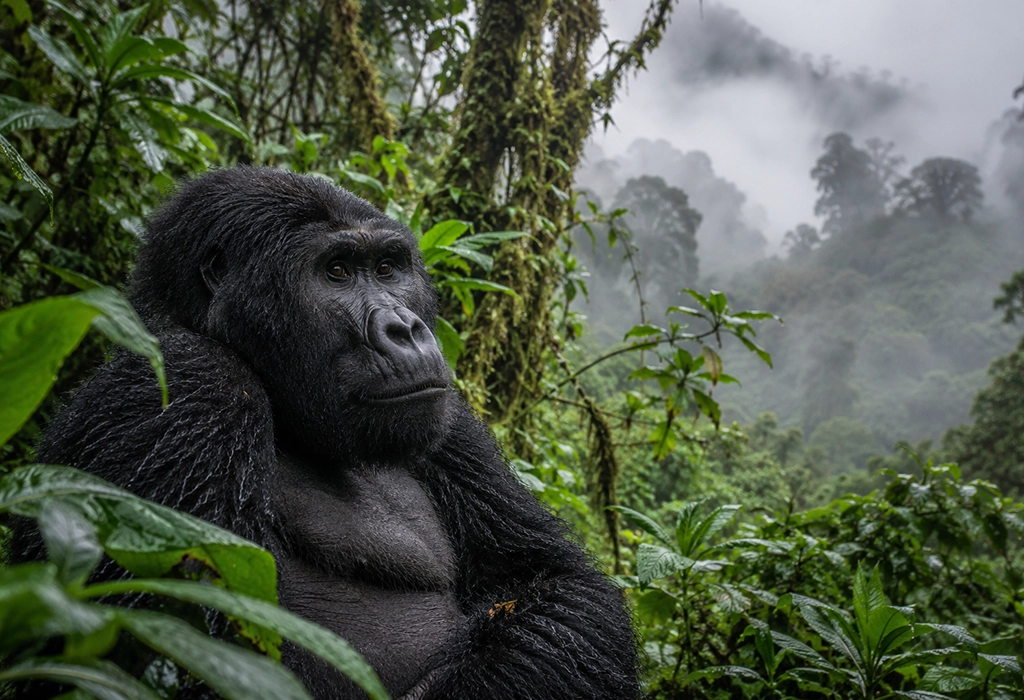
Whether you are travelling from Entebbe, already in Kampala, crossing from Kigali, or connecting a gorilla trek with wildlife parks and chimpanzee forests, the best route is the one that protects your actual trekking day. Uganda Wildlife Authority (UWA) operates the protected-area experience; safari companies arrange services around it. That distinction matters when comparing permits, hotel locations, private vehicle quotes and claims about guaranteed sightings.
For current permit fees, tracking conditions and wildlife protection rules, consult Uganda Wildlife Authority’s 2026–2027 tariff notice and its gorilla tracking guidance. Abunda will confirm availability and inclusions for the dates in your quotation.
Why Uganda Gorilla Trekking Is Different from an Ordinary Wildlife Safari
On a vehicle-based safari, you usually look for animals from the road and adjust your route as conditions allow. Gorilla trekking reverses that relationship. The gorillas live in a protected mountain habitat, and visitors must move on foot through the forest under ranger supervision. You cannot ask a vehicle to approach a resting gorilla, arrange for a family to appear at a photographic viewpoint, or predict the length of the uphill walk. The very uncertainty that makes careful preparation necessary also makes the experience unusually personal.
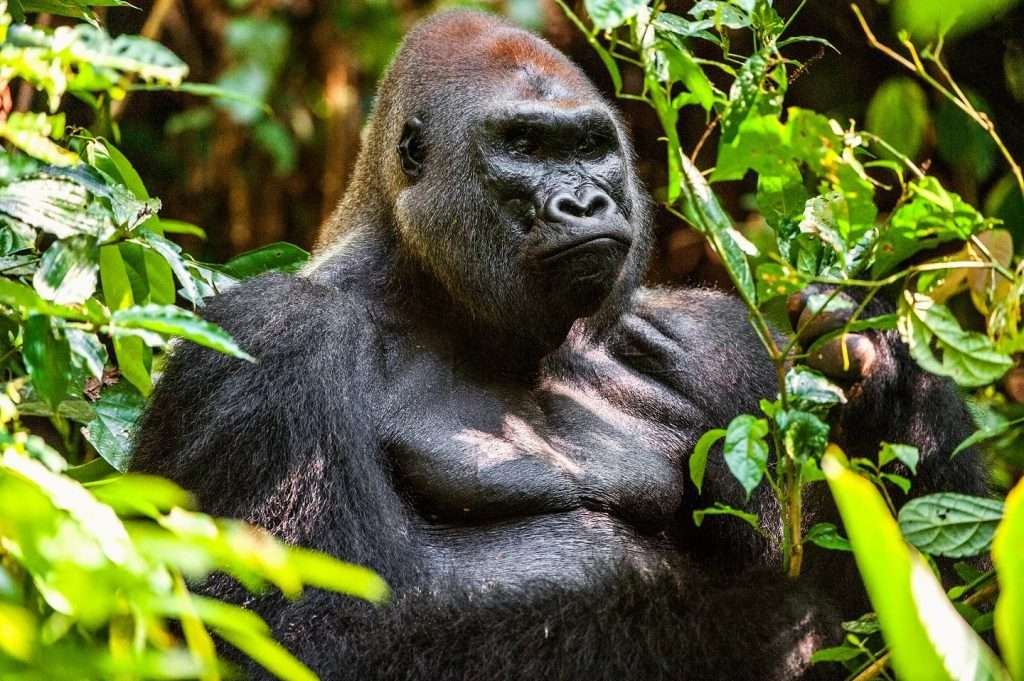
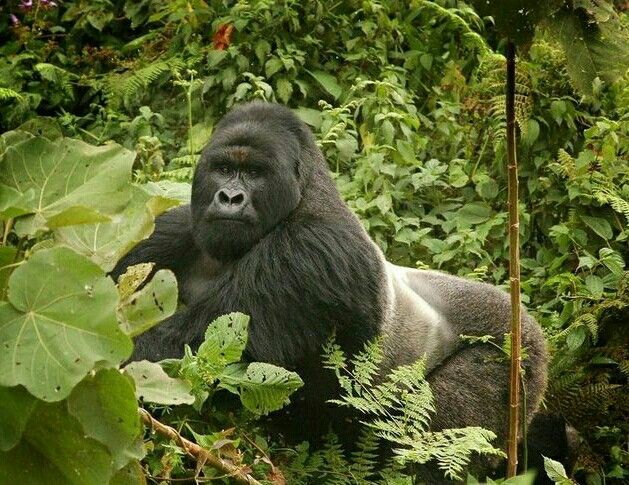
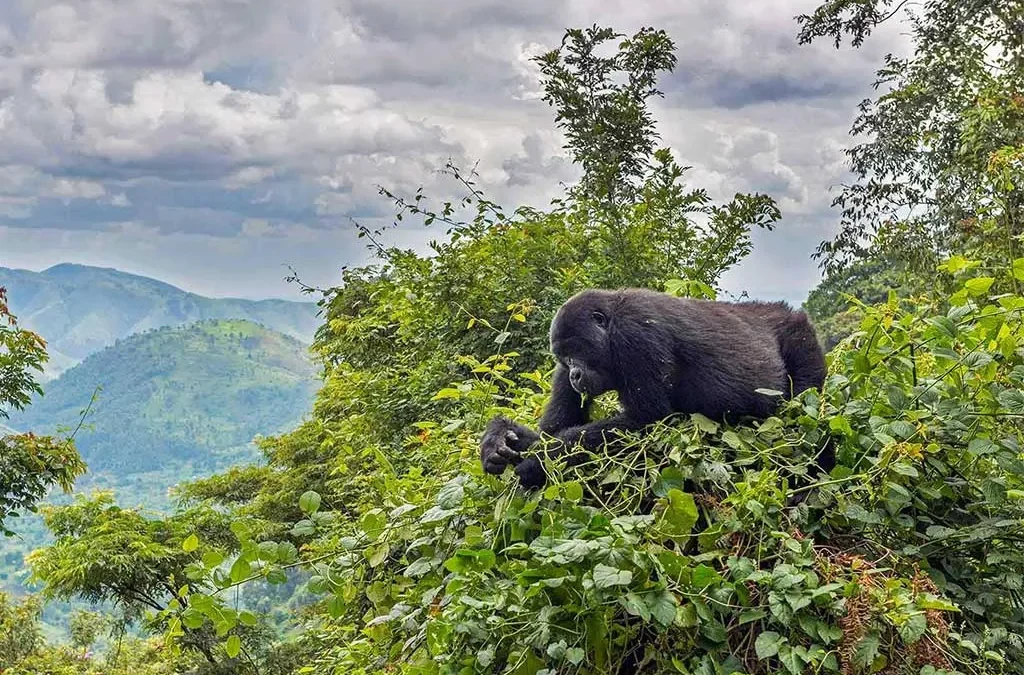
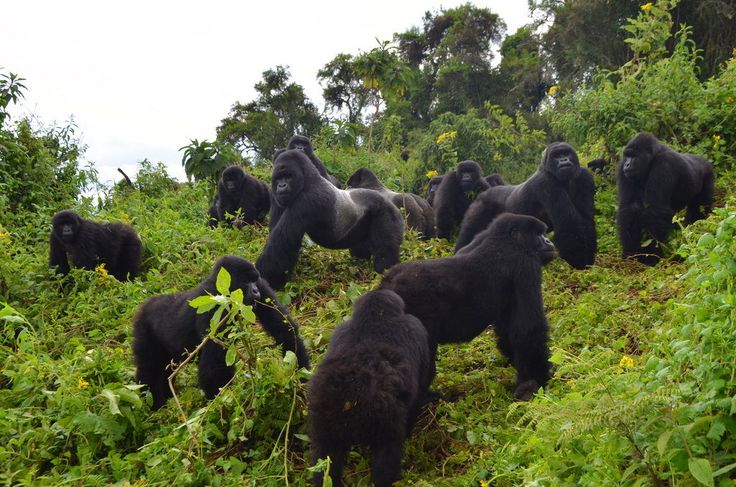
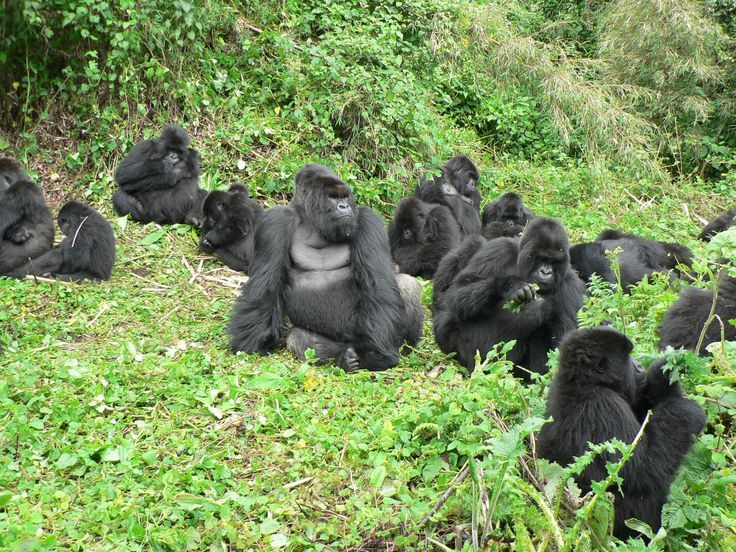
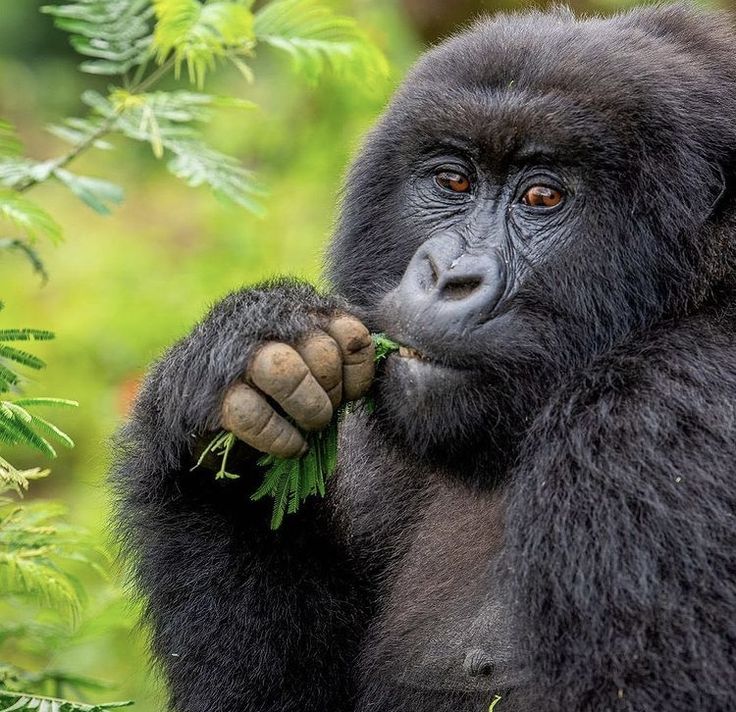
A gorilla encounter can consist of quiet moments: a silverback eating leaves, a young animal watching an adult, a mother holding an infant, or a family moving into thicker vegetation. The animals are not performing for the group. Visitors receive a limited opportunity to observe their natural behaviour while respecting the park’s rules. This is why photography should be secondary to appropriate distance, low noise and the ranger’s instructions.
Uganda gives travellers two national parks for mountain gorilla trekking, plus the chance to build a longer journey around chimpanzees, birds, lakes, community experiences and savannah wildlife. For a couple who has crossed continents, it can make sense to spend two nights near the forest rather than compress everything into a single exhausting arrival and departure. For a shorter break, a well-organised fly-in or Kigali-based itinerary may be better than a long road circuit. View Abunda’s existing safari collection for examples of what can be combined.
Where to See Mountain Gorillas in Uganda: Bwindi and Mgahinga
Both Bwindi Impenetrable National Park and Mgahinga Gorilla National Park lie in the southwest of Uganda, but they have different landscapes and route planning implications. Bwindi is an extensive rainforest with several separate trekking gateways. Mgahinga is part of the Virunga volcanic landscape, where bamboo zones, mountain scenery and golden monkeys add another dimension to the visit. Both operate according to UWA permit rules; neither allows a visitor to choose an exact gorilla encounter independently of park management.
Bwindi Impenetrable National Park
Bwindi is the principal destination for gorilla trekking in Uganda. Its four main sectors—Buhoma, Ruhija, Rushaga and Nkuringo—surround different sides of the protected forest. For most visitors, selecting a Bwindi permit means selecting not just a date but a geographic area. A hotel in one sector may not be within a reasonable morning transfer of a permit in another. This is the single most important practical mistake to avoid when planning independently.
Mgahinga Gorilla National Park
Mgahinga offers a different highland atmosphere along the Virunga Mountains. Its gorilla trekking inventory is smaller, associated with the Nyakagezi group, so date-specific availability matters. It can be especially attractive to travellers exploring Kisoro, Lake Mutanda, golden monkey trekking or some Rwanda–Uganda routes. However, smaller inventory does not mean a guaranteed quieter or easier trek. Ask the park and your operator for current procedures, group availability and the actual meeting location.
The decision is not “which park has nicer gorillas?” Mountain gorillas are wild animals wherever you visit them. Choose the park that fits the confirmed permit, travel direction, preferred scenery, available accommodation and any other activities you want to include. UWA’s official overview identifies both parks as Uganda’s gorilla trekking destinations.

The Four Bwindi Gorilla Trekking Sectors Compared
Bwindi’s four major trailheads are not interchangeable gates to the same car park. The forest may appear compact on a map, but the road network around its perimeter can turn a seemingly short cross-forest distance into a substantial transfer. For that reason, “staying at Bwindi” is not enough: visitors need a named briefing sector on their permit and a lodge genuinely convenient for that morning.
| Sector | Area | Route fit | Additional appeal | Important caution |
|---|---|---|---|---|
| Buhoma | Northern Bwindi | Often logical after the Queen Elizabeth region or via Kihihi | Long-established gateway; forest-edge lodges and community activities | Not automatically flat or easier |
| Ruhija | Eastern Bwindi | Useful in selected longer Uganda routes and birding itineraries | Montane birdwatching and highland forest | Roads and morning transfers should be checked |
| Rushaga | Southern Bwindi | Often practical for Kisoro, Kabale and some Kigali entries | Access to southern routes and habituation arrangements subject to UWA | Permit and lodge sector must match |
| Nkuringo | Southwestern Bwindi | Suitable for selected Kisoro, Lake Mutanda and highland journeys | Ridge scenery and active walking experiences | Steep terrain may demand greater stamina |
The question “Rushaga or Buhoma?” usually reveals more about your route than about your likelihood of a successful encounter. Someone starting in Kigali may prefer a practical southern approach, while someone finishing a western Uganda wildlife circuit may find the northern side more natural. A photographer choosing between Ruhija and Nkuringo should consider which lodge reduces unnecessary dawn travel, not merely which gateway appears scenic.
Avoid online comparisons that permanently label one trekking sector “easy” and another “hard.” Gorilla families change location, rain changes footing, and route difficulty varies from day to day. Park teams manage the actual encounter. Abunda’s general Bwindi accommodation guide can provide a starting point, but always confirm the room and permit belong to a sensible pairing.
Rushaga versus Buhoma: How to Choose Without Guesswork
Rushaga lies toward southern Bwindi and often features in short safaris approaching from Kisoro, Kabale or Kigali. Buhoma is the established northern entrance area and often fits routes connecting the northern edge of the forest with Queen Elizabeth National Park. Both offer ordinary UWA trekking permits for the same visitor category and follow the same conservation framework. Neither can promise a particular silverback, an identical number of gorillas, or a guaranteed walking duration.
Compare four items side by side: the confirmed trekking sector, the lodge-to-briefing drive, the transfer from your previous overnight location and the following day’s destination. Then compare the full price including fuel, vehicle days and accommodation rather than only the hotel room tariff. A slightly costlier lodge ten minutes from your sector briefing can be better value than a cheaper lodge requiring a long predawn drive.
For older travellers or anyone concerned about stamina, the more helpful discussion is about road fatigue, overnight comfort, porter availability and honest trekking expectations. Park teams may take communicated needs into account operationally, but there is no permanent “short walk” gorilla family available for private sale. Bring concerns into the planning conversation before permits are purchased.
A practical test: draw a route from your arrival airport to the lodge, from the lodge to the actual morning assembly point, then from that same lodge to your next destination. If those three legs zigzag around Bwindi, consider a different lodge or sector if suitable permits exist.
Uganda Gorilla Trekking Permits in 2026: Confirmed Prices
A permit is the compulsory UWA authorisation to participate in a particular gorilla tracking experience. It is not a complete three-day safari, not a guaranteed photographic outcome and not a flexible hotel voucher. Its cost is determined by the published visitor category and any applicable promotional tariff. The most reliable source for changes is Uganda Wildlife Authority, not an older tour blog or a search-result snippet.
| Visitor category | Standard tracking permit | Eligible April, May, November |
|---|---|---|
| Foreign non-resident | US$800 | US$600 |
| Foreign resident | US$700 | US$500 |
| Rest of Africa | US$500 (published 2027 tariff) | Check eligibility and prevailing UWA notice |
| East African Community citizen | UGX 300,000 (published standard category) | Check prevailing UWA notice |
The February 26, 2026 UWA circular explicitly introduced the US$600 and US$500 low-season rates for the listed foreign categories in April, May and November, effective immediately. It also stated that these discounted permits cannot be rescheduled. The same notice lists the standard tariffs for 2027. Travellers in other categories should provide the right documentation and verify rates and conditions before payment. Read the UWA circular.
One operational change deserves special attention: from 1 March 2026, the former seven-day unpaid permit hold was suspended. UWA says permits are secured upon full payment at the time of booking. That means a tour operator checking potential availability is not the same as an operator presenting a fully paid confirmed permit. Never schedule non-refundable flights on the assumption that a space shown yesterday will still be available after you have transferred money.
The permit applies to Bwindi or Mgahinga according to the confirmed booking arrangements. For Bwindi, make sure the sector is explicitly understood before reserving accommodation. The 2027 tourist can follow the same booking logic, but should verify whether any new authority notice changes the position before paying.
Gorilla Habituation in Uganda: What Four Hours Really Means
The Gorilla Habituation Experience is a distinct permit category aimed at a different style of visit from ordinary one-hour trekking. In approved Bwindi operations, participants may spend up to four hours observing a gorilla group undergoing habituation after the group is located, following the park team’s instructions. Those four hours are observation time rather than a promise that the entire day takes only four hours; the hike to and from the gorillas adds to the schedule and can be demanding.
The 2026 tariff for a foreign non-resident habituation experience was US$1,500 under the earlier schedule. UWA’s February 2026 letter announced an increase to US$1,800 for the foreign non-resident category effective 1 January 2027; it also listed US$1,600 for foreign residents, US$1,000 for Rest of Africa and UGX 750,000 for the East African Community category from that date. This is a different product from normal gorilla tracking, which remains listed at US$800 for foreign non-residents in the standard category.
Habituation is associated with selected southern Bwindi arrangements, especially the Rushaga area, but always confirm the precise product, operating location and inventory rather than assuming all southern permits offer four hours. It can suit serious primate enthusiasts who want more observation time, but it should not be automatically sold to travellers who prefer a gentler walk or a lower price. See UWA’s published future tariff.
How Much Does a Complete Gorilla Trekking Trip Cost?
The cost of a trip is the permit plus all the services needed to arrive at the correct forest briefing, participate and leave comfortably. These may include vehicle hire, fuel, driver-guide expenses, domestic flights, lodge nights, meal plans, drinking water, local transfers, porter assistance, travel insurance and optional extras. A tour advertised as “US$700” may be a permit-excluded package; a US$1,450 offer may include a standard permit but exclude meals. Neither headline makes sense without the inclusion list.
Here is an illustrative planning model for two foreign non-resident adults sharing a private car for three days, with two modest lodge nights. It is deliberately a transparent arithmetic example, not a live Abunda sale price. Hotel quotes, taxes, vehicle choice and availability must be confirmed for your actual date.
| Illustrative line item | Two people together | What to verify |
|---|---|---|
| Two standard permits | US$1,600 | Visitor category, date and sector |
| 3-day vehicle, driver-guide and fuel | US$650–1,050 | Starting airport, road route and vehicle type |
| Shared double/twin room, two nights | US$120–300 | Lodge sector, room type and meal basis |
| Meals, water and variable essentials | US$120–220 | What the lodge and operator already include |
| Illustrative two-person subtotal | US$2,490–3,170 | Approximately US$1,245–1,585 per person |
If both travellers qualify for the US$600 seasonal permit, subtract US$400 from the two-person standard-permit subtotal, assuming every other component stays the same. That is a genuine permit-level saving, but wet-season route conditions or lodge requirements can affect other costs. A solo visitor may pay considerably more per person because the car and driver are not shared. A group may pay less per person when a real confirmed vehicle departure shares those fixed road expenses.
Before accepting a quote, request an itemised confirmation of what is included, whether the permit is already paid, when vehicle and lodging costs become non-refundable, what happens if your party size changes, and who pays for additional accommodation after a delayed arrival. An honest cost breakdown is one of the best signs of responsible safari planning.
Tell Abunda Discoveries Uganda your preferred month, number of travellers, arrival airport, comfort level and whether anyone needs a gentler pace. Permit space and travel services are confirmed only after a date-specific check.
Request a Private Gorilla Safari QuoteExplore Uganda Gorilla Safari PackagesCheapest Legitimate Gorilla Trekking Options in Uganda
The lowest official permit in an eligible foreign non-resident category is the US$600 April, May or November rate announced for 2026. That offers a potential US$200 saving per person against the standard US$800 fee. It does not mean a cheap trek is a trek without trained rangers, a local transfer, accommodation near the right briefing point or a sensible allowance for road delays. Do not accept unofficial promises to enter the forest without the authorised UWA permit.
The cheapest practical route depends on where you begin. If you are already in Kampala, a three-day road trip can be a cost-efficient structure when two or more people share the vehicle. If you are already in Kigali, southern Bwindi may be accessible with fewer road days, though visa rules, international borders and transport arrangements must still be priced. If you are in Entebbe and have a tight schedule, a domestic flight may cost more in cash but save substantial transfer time.
Travelling by intercity bus can be cheaper for experienced independent travellers, but a bus ticket to Kabale or Kisoro does not take you to a specific gorilla briefing sector. You still need last-mile transport, reliable timing and often extra overnight flexibility. For short, fixed-date treks, a well-priced private or confirmed shared road departure may be more dependable than combining unrelated transport services. Read the two-day gorilla trek planning guide for short-route limitations.
A responsible budget plan reduces waste, not conservation spending: stay near your permit sector, avoid detours, share fixed costs where appropriate, carry your own suitable clothing and compare full-board versus room-only rates. Budgeting a local porter can be worthwhile even on a low-cost trip.
The Real Difference Between a 2-, 3- and 4-Day Gorilla Trekking Safari
Two days: usually a Kigali-based short trip
A two-day plan often works by crossing from Kigali into southwestern Uganda on day one, staying close to an appropriate Bwindi southern sector, trekking on day two and returning after the forest. This may be feasible for travellers whose passport, border arrangements and flight schedule align, but it is still intense. The trek might end late; therefore avoid pairing it with a tight international flight on the same evening. Domestic flights or starting locations can change the picture.
Three days: a conventional Kampala or Entebbe road trip
A practical three-day itinerary uses day one to travel toward Bwindi, day two for the full park activity and day three to return. The road journeys can be long and should include rest and meal stops. A first-time visitor who lands in Entebbe after a long international flight may want an airport overnight beforehand rather than leaving straight for a full-day road transfer. A well-planned three-day tour is about realistic timing, not simply fitting the words “gorillas” into three calendar squares.
Four days: more time for comfort and flexibility
An added night may allow a more relaxed approach, a recovery morning, a Lake Bunyonyi extension or a modest community activity. It also creates a buffer if road conditions or a flight delay affect the transfer. A four-day fly-in structure can devote less time to road travel than a three-day road itinerary, but the airfare and land transfer must still be checked for actual operational dates.
One good planning principle applies to all three: the trekking day should not be the day on which every other booking must work perfectly. If you have to decide between a shorter brochure and a more workable trip, favour the itinerary that gives the gorilla encounter room to unfold.
For Kampala or Entebbe starts, 3 days is typically a short road safari, whereas a 2-day Uganda trek is usually organised from Kigali. Fly-in options can save road hours but do not remove the final airstrip-to-lodge transfer.
| Suggested duration | Traveller goal | Reasonable experience mix |
|---|---|---|
| 2–4 days | Gorillas as the main priority | Bwindi or Mgahinga plus suitably timed transfers; Kigali or domestic-flight options when available |
| 5–7 days | Gorillas plus another highlight | Chimpanzees, Queen Elizabeth National Park or Lake Bunyonyi, depending on route |
| 8–10 days | First-time Uganda wildlife circuit | Gorillas, chimpanzees, game drives, boat safari and recovery time |
| 11–14+ days | Deeper Uganda or East Africa journey | Primates, wildlife, birdwatching, local experiences and optional Rwanda extension |
Getting to Bwindi from Entebbe, Kampala and Kigali
Road access from Kampala or Entebbe into southwestern Uganda normally involves a long travel day, with time varying by sector, traffic, stops, weather and the final lodge approach. Routes toward Kabale, Kisoro and the northern approaches of Bwindi are not identical. Your driver should know the confirmed sector before leaving the city, rather than navigating toward a generic pin labelled “Bwindi Impenetrable National Park.”
Kigali is often used for short gorilla trips because the distance to parts of southern Uganda can be shorter than a long drive from Kampala. Yet crossing an international border introduces entry requirements for the passenger and operating arrangements for the vehicle. The border and route used should be stated in the itinerary, together with a realistic time allowance. A short road-distance estimate does not settle the question of whether the trip is legal, comfortable and suitable for your flight times.
For travellers on extended Uganda wildlife safaris, a route from Kibale through Queen Elizabeth towards Bwindi may make the northern side of the park sensible. By contrast, a southern Bwindi trek might fit with Lake Mutanda, Lake Bunyonyi or a Rwanda continuation. The previous and following destinations should influence sector selection whenever suitable permits exist. See a seven-day Uganda safari example for the broader multi-park context.
Route orientation: Kampala to Bwindi
Route orientation: Kigali to Bwindi
These maps show broad travel regions only; they are not authoritative instructions for a permit-specific briefing point. Request final driving directions from the operator and park management once the sector and lodge are confirmed.
Fly-In Gorilla Trekking Safaris: Kihihi, Kisoro and the Last Mile
Flying toward Bwindi can make a major difference for a traveller with limited holiday time. Domestic flights from Entebbe may serve Kihihi and Kisoro airstrips, subject to airline schedule, operating conditions and availability. Kihihi is commonly considered for northern Bwindi arrangements, while Kisoro can suit southern and southwestern Bwindi and parts of the Mgahinga area. Neither airstrip is a park trekking gate, and both require a road transfer to the lodge and later to the briefing point.
The flight itself can be comparatively short, but the complete door-to-door duration includes airport reporting, baggage collection, any schedule delays, landing conditions, the road transfer and lodge check-in. Travellers carrying heavy photographic equipment should request the applicable baggage allowance before booking, especially for smaller aircraft. Some fly-in products charge additional amounts for private airstrip transfers, so make sure your proposal includes those land legs.
For a three-day fly-in trip, a typical structure is day one flight and ground transfer, day two trekking and day three return transfer and domestic flight. It may also be possible to arrange a more elaborate four-day journey with a rest night or additional experience. Always confirm the trek date and flight schedule together. If the flight and permit are not jointly compatible, the existence of a domestic airstrip does not solve the problem.
Our earlier Entebbe-to-Bwindi flying guide explains the two common airstrips. A date-specific Abunda quote should identify the airline, luggage rules, pickup and road segment—not just promise that you will “fly to the gorillas.”
What Actually Happens on Gorilla Trekking Day?
Most trekking mornings begin early at the correct sector’s park assembly area, where the Uganda Wildlife Authority checks visitor details, organises ranger-led groups and explains the rules. Reporting arrangements are frequently around 7:00–8:00 a.m., but the exact time and place should be confirmed with the operator and current park instructions. Arrive well prepared with the identification used to book, properly fitting boots, water and a packed lunch if arranged.
Park personnel manage the trekking allocation and the forest experience. Trackers work with the ranger teams, and visitors follow the designated instructions. The group may travel to a trailhead before starting to walk. The route then depends on the gorillas’ movements and terrain. Some encounters occur after a comparatively brief walk; others require a long climb or descent before the family is found. UWA describes gorilla tracking outings lasting around two to seven hours, subject to conditions, with a standard one-hour observation limit once the habituated gorillas have been located.
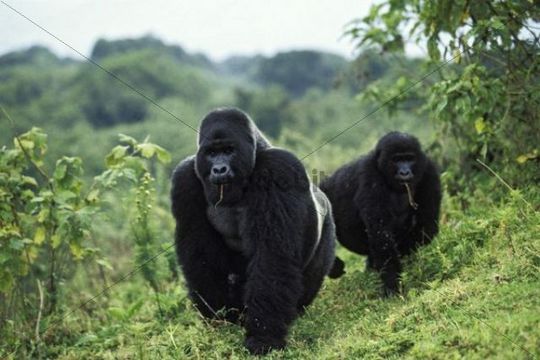
During the observation, you may see gorillas resting, feeding, grooming, climbing or playing. You may also spend part of your precious hour watching through branches. Neither the guide nor the park can direct a gorilla to move into sunlight or face your camera. The group must follow rules on distance, food, flash photography and hygiene. The ranger’s briefing takes precedence over any online checklist printed months earlier.
After the encounter, the group walks back out of the forest, and the finishing time can be difficult to predict. A late forest return is one reason to avoid a fixed-afternoon road transfer to another distant park or an international flight the same evening. In a good itinerary, arriving back muddy and tired is expected rather than treated as an inconvenience to a rigid schedule.
Meet the park team
Register at your confirmed sector and attend the compulsory ranger briefing.
Follow trackers
Walk over natural terrain; route and duration depend on where the gorillas are moving.
Observe respectfully
Spend up to one hour viewing the habituated gorilla group once found, under park rules.
Allow time to recover
Walk back and return to your lodge without relying on a guaranteed finish time.

How Difficult Is Gorilla Trekking in Uganda?
Gorilla trekking is more demanding than a nature walk on a paved route because the terrain is natural, often wet and sometimes steep. The effort comes from climbing, descending, keeping balance on muddy soil, stepping over roots and walking for an uncertain length of time. Walking poles, rain protection and supportive boots are often more useful than impressive-looking expedition gear. Weather, altitude and a traveller’s existing fitness all change how the day feels.
A person who comfortably walks five kilometres on level ground is not necessarily prepared for the same distance over a steep, muddy forest trail. The reverse can also be true: an active hiker may find the trek pleasantly manageable. There is no universal number of kilometres that represents all Bwindi experiences, and a short distance can still be demanding if the slope is steep or slippery. Build preparation around stamina, balance and the ability to manage uneven footing.
If you have relevant mobility needs, discuss them before committing to a non-refundable permit. Porters may help carry a daypack and provide practical support, but they cannot remove the hills or guarantee safety. Travellers should not be promised an easy trek based solely on a particular gorilla sector. Request individualized medical advice where appropriate, and allow time in the itinerary to rest before and after the forest day.
The most responsible answer to “how hard is it?” is: prepare for a variable mountain forest walk lasting much of the morning or beyond, and aim to be pleasantly surprised if conditions are easier. Read Abunda’s first-time trekking advice for a practical starting checklist.
What to Pack for Uganda Gorilla Trekking
Effective packing begins with the forest conditions, not a long shopping list. Rain can occur at any time, and vegetation can be wet even on a day that begins with clear skies. Clothing should protect exposed skin from plants and insects without trapping unnecessary heat during uphill walking. Your boots should already be broken in before the trip. A last-minute brand-new pair creates a greater risk of blisters than an older well-fitting pair that you trust.
| Item | Why it matters | Practical tip |
|---|---|---|
| Grip-focused hiking boots | Mud, roots and slopes | Wear them on practice walks before departure |
| Long trousers and long-sleeve layer | Brush, insects and changing temperatures | Quick-drying fabrics are useful |
| Rain jacket or shell | Unpredictable showers | Pack it near the top of your bag |
| Light gloves | Protect hands on vegetated paths | Choose a pair you can use comfortably |
| Daypack with dry liner | Water, snacks and personal essentials | Use a waterproof pouch for documents |
| Drinking water and snacks | Variable trekking duration | Check what your lodge provides |
| Camera without flash | Low-light wildlife photography | Practice settings before entering the forest |
| Personal medications and insurance details | Basic preparedness | Pack only what your clinician advises |
A local porter can carry heavier spare layers and water while you keep camera access easy. Do not take excessive lenses and tripods into steep forest unless you are comfortable managing them. When the gorillas appear, the ranger decides which movement and positions are appropriate. The best equipment is the equipment that lets you follow those instructions rather than distract from them.
If an airline imposes strict small-aircraft baggage limits, check these before carrying specialist camera bags on a fly-in safari. Also confirm whether the lodge can store larger luggage during the trek, provide a packed lunch and dry damp clothing before the next journey.
Gorilla Trekking Rules, Illness Precautions and Conservation
Gorilla trekking operates under visitor rules because mountain gorillas are endangered wild animals susceptible to human disturbance and some human illnesses. Park teams set the allowable viewing duration, group arrangements, distance and movement protocols. The usual standard encounter is limited to one hour. Flash photography is not allowed. Visitors should not feed, touch or approach gorillas, and must follow the ranger’s instructions if an animal moves toward them.
Do not ignore a respiratory illness or conceal symptoms in order to protect the money spent on a trip. Health restrictions protect the gorillas as well as the visitors. If you are unwell before trekking, contact the operator and UWA promptly to learn which current medical and permit provisions may apply. Never assume that an ordinary cancellation rule automatically provides a refund, and do not rely on outdated online descriptions of 50-percent compensation.
Historic online articles sometimes quote a fixed viewing distance as if it were universal and unchanged. Distance protocols and special circumstances should be taken from the latest ranger briefing and UWA guidance, not a decade-old blog post. What remains constant is the visitor’s obligation not to close the gap deliberately or interfere with the animals. If a gorilla changes direction, stay calm and follow the ranger team.
A well-run visit supports protected-area management and local livelihoods, but the exact allocation of every permit dollar should not be guessed. Local guides, rangers, porters, drivers, farmers supplying lodges and community organisations can all be part of the tourism economy. Choose activities that respect community consent and pay transparently, and keep the forest free of litter. Read UWA’s published tracking-permit guidelines and Abunda’s Uganda travel safety guide.
Is Uganda Gorilla Trekking Safe? Understanding the Real Risks
Ranger-led gorilla visits are organised with conservation and safety procedures, but a natural forest cannot be made risk-free. The most predictable challenges are the physical environment and the journey around it: slippery gradients, rain, exposed roots, fatigue and extended road transfers. Mountain gorillas are powerful wild animals, so the ranger’s conduct instructions matter even when the family appears peaceful.
Safety planning should include the entire itinerary. Arriving after a long flight, spending a full day in a vehicle, waking very early and then trekking on uneven terrain can create more fatigue than guests anticipate. Build a sensible overnight schedule, use an appropriate vehicle and avoid driving tired late into the night solely to reduce the number of paid lodge nights. Bring any medical concerns to your provider early and review your travel insurance for trekking and emergency arrangements.
If your balance is uncertain, reduce the weight you carry and consider available porter help. Stay within your ability, keep hydrated and speak up when you need time to rest. These precautions are practical, not signs that someone is unsuited to travel. The important distinction is between offering support and promising that support can guarantee a simple trail.
Best Time for Uganda Gorilla Trekking: Every Season Explained
Uganda’s southwestern gorilla forests can be visited throughout the year. June through September and December through February are often relatively drier, making them popular with travellers who want a better chance of firmer trails. Yet rain remains possible in every month, and the forest may stay muddy after a shower. An “ideal season” does not remove the need for waterproof layers or a careful vehicle plan.
March through May is commonly associated with longer rains, and October–November with another wetter period. April, May and November now carry an important financial feature for eligible UWA permit categories: the official discounted rates. That can make them attractive to travellers who have fixed dates, appropriate clothing and flexible expectations. It is crucial to remember that those discounted permits cannot be rescheduled under the announced 2026 rules.
| Period | Common planning advantage | Trade-off to consider |
|---|---|---|
| December–February | Often relatively drier; useful for winter departures | Advance permit and lodge planning still important |
| March | Shoulder-season choices may be available | Increasing rain in many years |
| April–May | Eligible discounted permits | Muddy trails and no rescheduling of discounted permits |
| June–September | Popular relatively drier trekking window | Strong demand for dates and rooms |
| October | Potentially more flexible travel patterns | Weather can be unsettled |
| November | Eligible discounted permits | Rain and fixed discounted booking conditions |
What is the single best month? There is no universal answer. June or July may suit a long safari that combines primates and wildlife parks. A traveller with a smaller permit budget may prefer November. A guest who strongly dislikes mud may prefer a relatively drier window, even if it costs more. Compare the real trip—not a climate generalisation—and ask about lodging and road access for the specific sector.
Where to Stay for Gorilla Trekking: Choose the Gate First
The most useful lodge question is not “which property has the best view?” but “how will I reach the correct UWA briefing point tomorrow morning?” Bwindi hotels can be described generally as forest lodges even when they serve different trailheads. Choosing accommodation before permit allocation can lead to long predawn drives, last-minute extra transfers and unnecessary travel stress.
In Buhoma, established forest-edge options and community activities have developed around the northern gateway. Ruhija has lodging that may be useful for eastern forest access and birding interests. Southern Bwindi’s Rushaga and Nkuringo areas offer distinct scenery and properties serving their respective routes. Accommodation described as near Kisoro, Lake Mutanda or Lake Bunyonyi may still require a meaningful road transfer depending on the precise sector.
Review the room category as carefully as the park access. An older guest may prefer fewer steps between the bedroom and dining room, reliable hot water, a comfortable bed and an early breakfast. A photographer may prioritise electricity, battery charging and a safe place to dry equipment. Two people on a budget may find full board cheaper in practice than a low headline room price that excludes all meals.
Before paying a lodge deposit, ask for the written permit sector, a precise hotel map pin, current road travel estimates, breakfast/packed-lunch details, luggage storage, the vehicle’s early pickup time and cancellation conditions. Abunda’s sector-by-sector lodging overview gives additional ideas; treat all named hotels as subject to current operation and availability.
Tell Abunda Discoveries Uganda your preferred month, number of travellers, arrival airport, comfort level and whether anyone needs a gentler pace. Permit space and travel services are confirmed only after a date-specific check.
Request a Private Gorilla Safari QuoteExplore Uganda Gorilla Safari PackagesGorilla Trekking for Mature Travellers and People with Limited Mobility
Age by itself does not determine whether someone can enjoy a mountain gorilla trek. Older travellers arrive with widely different fitness levels, injury histories and preferences. Some may happily hike steep mountain trails for hours; others may prefer fewer stairs, shorter drive days or more time to recover. It would be misleading to promise a guaranteed easy gorilla group merely because an itinerary is described as “senior-friendly.”
A suitable programme begins with details the traveller can share voluntarily: comfort on uneven terrain, walking pace, balance on descents, ability to carry a light daypack and any support that may be useful. Park personnel oversee actual trekking arrangements, while local porters can often assist with luggage and provide practical help. No private operator can independently guarantee a route that avoids mud, climbs or a long return.
There are meaningful comfort improvements that do not depend on changing the animals’ movements: sleep close to the allocated briefing point, arrive the previous afternoon rather than late at night, allow a recovery evening, choose accessible lodge rooms, avoid needless inter-sector transfers and consider a fly-in arrangement when long drives are undesirable. These changes can make the holiday more enjoyable even though the core forest hike stays variable.
If trekking is not advisable for a travelling companion, discuss alternative lodge-based or appropriately guided activities rather than pressuring them to join. A private safari can be designed for people with different activity preferences while keeping shared meals and scenery as part of the same holiday.
Gorilla Families, Silverbacks and the Question of Sightings
Many gorilla-tour websites publish extensive family lists and describe a specific troop as “the biggest,” “the easiest” or “the best for babies.” Such lists can be helpful historical background, but group composition changes as gorillas are born, mature, leave or interact with other families. Park authorities manage which habituated groups are available for tourism. It is therefore more reliable to ask for current permit inventory than to choose a safari solely because of an online photograph attributed to a named silverback.
A mountain gorilla family commonly includes adult females, younger animals and at least one mature male, although structures vary. The silverback plays an important role in group interactions and protection. At the encounter you might watch grooming or feeding, see juveniles investigating the undergrowth, or experience a quiet period where little dramatic movement occurs. This is an encounter with real wildlife rather than an organised presentation.
Guides and trackers work to locate assigned habituated families, and encounters are common, but sightings should never be guaranteed. Equally, avoid promising the number of animals visible or an unobstructed photograph. Vegetation and weather can obscure views. The best approach is to tell travellers what is possible, explain what cannot be controlled and give the ranger team the space to manage a responsible visit.
For someone who wants more observation time, consider a second separately permitted trek or the authorised habituation experience if appropriate. Both options require additional budget, time and permit availability; neither means an individual can roam the forest unaccompanied.
Gorilla Trekking Photography: How to Prepare for the Forest
Forest photography rewards preparation more than equipment size. Under Bwindi’s canopy the light can be low, uneven or abruptly brighter when a group moves near an opening. Flash is prohibited, and the ranger controls the safe positions from which you can photograph. Practise changing exposure settings before leaving home so you do not spend your limited viewing time searching through camera menus.
A moderate zoom can be easier to carry and use than multiple heavy lenses on a steep trail. If you bring professional equipment, confirm domestic flight baggage limits, protection against rain and how you will access the camera without obstructing the group. Spare batteries should be charged the night before, and a simple waterproof cover is preferable to relying on a bag that becomes soaked during the uphill walk.
Do not step forward to improve a portrait, block a gorilla’s movement or stand where a ranger has asked you not to. You may return with fewer dramatic images than expected. A still scene with a family feeding can be meaningful, and the ethics of the encounter matter more than forcing a composition. Travellers should never be sold a package that promises close-contact selfies, touching or a particular animal pose.
If travelling as a couple, agree in advance how much time you want to spend photographing versus simply watching. An hour can feel surprisingly brief when attention is entirely on a viewfinder.
Combine Gorilla Trekking with Chimpanzees, Wildlife and Birds
One of Uganda’s strongest advantages is the variety of landscapes that can fit around a gorilla trek. Visitors with additional days can combine Bwindi with Kibale National Park for chimpanzee trekking, Queen Elizabeth National Park for savannah drives and Kazinga Channel boat trips, Lake Mburo for open-country wildlife or Lake Bunyonyi and Lake Mutanda for scenery and recovery. Each addition should be justified by interests, distance and time available, rather than accumulating destinations for the sake of a longer itinerary.
Kibale chimpanzees and Bwindi gorillas
Two primate encounters in one journey can be fascinating because chimpanzees and gorillas behave differently and inhabit different forest settings. However, they require separate permits, and the drive between Kibale and Bwindi needs a realistic schedule. A trip that alternates long driving days with strenuous forest activities may be tiring, especially for mature visitors.
Queen Elizabeth wildlife and a gorilla trek
Game drives and boat experiences create an appealing contrast with rainforest hiking. The exact approach to Bwindi—especially whether the confirmed permit is in Buhoma, Ruhija or the south—should determine whether Queen Elizabeth fits before or after the gorilla day. Avoid treating Ishasha or other park sectors as compulsory if the route becomes unnecessarily long.
Lake Bunyonyi, Lake Mutanda and quieter days
Lakes in southwestern Uganda can offer scenic accommodation and a slower-paced finish. They are not substitutes for checking the distance to the morning gorilla briefing. If you sleep at a lakeside lodge before trekking, calculate the full dawn transfer rather than assuming every southwestern lake is close to every Bwindi gate.
Birdwatching and cultural experiences
Bwindi is also a significant montane forest birding destination, and selected trails and local guided experiences may interest travellers spending more than one night. Community activities should be organised respectfully, with transparent fees and with the consent and participation of the people involved. These are experiences in their own right, not decorative stops added to a crowded schedule.
A tailored itinerary might be three days focused only on gorillas, seven days of primates and savannah, or ten to fourteen days with a relaxed multi-park pace. See Abunda’s existing Uganda itinerary and gorilla safari options as examples rather than fixed promises.
Sample Gorilla Safari Itineraries: Four Different Travellers
A. Three-day road safari from Kampala for two travellers
Day 1: early departure from Kampala or Entebbe, with road stops and an overnight stay in the correct Bwindi sector. Day 2: UWA registration and trekking, with no fixed afternoon activity. Day 3: unhurried return travel. This is a practical baseline for travellers happy with two long road days; domestic air travel can be considered if time matters more than the road budget.
B. Three-day fly-in safari for a traveller with limited time
Day 1: domestic flight from Entebbe to an appropriate regional airstrip, onward road transfer and lodge check-in. Day 2: gorilla trek and lodge rest. Day 3: airstrip transfer and flight to Entebbe according to the confirmed schedule. Check baggage restrictions and do not assume every airstrip serves every sector equally.
C. Short Kigali-to-Uganda option
Day 1: Kigali pickup, border formalities and transfer into southwestern Uganda. Day 2: ranger-led trek followed by the return journey or an additional overnight, depending on actual finish time. For many travellers, a third day allows a safer, less rushed return. Immigration requirements and route choices must be checked individually.
D. Seven-to-ten-day wildlife and primate journey
Start with Kibale or another western Uganda destination, continue to Queen Elizabeth for wildlife, travel to the confirmed Bwindi sector, trek on an appropriately rested day and finish with scenery or a return transfer. The exact order must respect the sector and the traveller’s arrival and departure flights. This broader structure can be particularly satisfying for a first-time visitor who wants to understand Uganda beyond a single forest activity.
These are planning illustrations, not guaranteed departure dates or prices. Each itinerary must be checked against the actual UWA permit allocation, transport services and accommodation capacity.
Featured Uganda Gorilla Trekking & Wildlife Safaris
Choose a short forest-focused trip or connect the gorillas with chimpanzees and savannah wildlife. These are sample itinerary formats, not guaranteed departures or fixed availability.
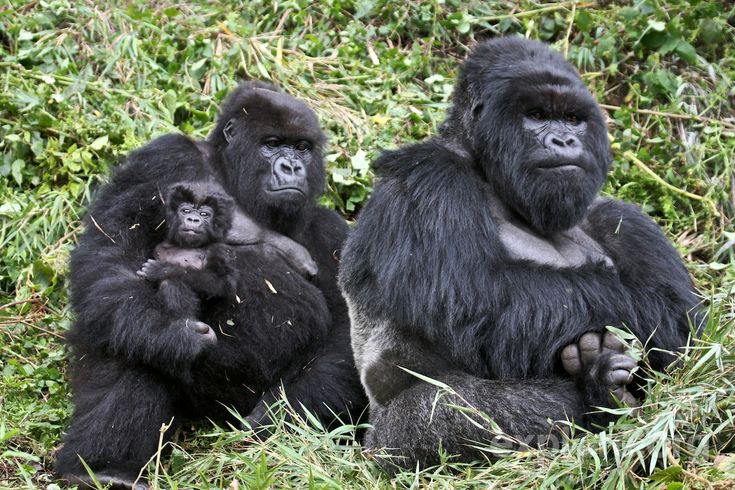
3-Day Gorilla Trekking via Kigali
A focused southwestern Uganda visit from Rwanda, designed around your assigned Bwindi sector and confirmed trekking date.
Explore itinerary →4-Day Bwindi & Queen Elizabeth
Combine a mountain gorilla encounter with game viewing and the Kazinga Channel area, with enough time for the road connections.
Explore itinerary →6-Day Uganda Gorillas & Wildlife
Allow additional time for Bwindi and Queen Elizabeth, including a more balanced route between forests and savannah.
Explore itinerary →8-Day Uganda Primates & Wildlife
A longer journey bringing chimpanzees, mountain gorillas and classic wildlife activities into a single Uganda itinerary.
Explore itinerary →10-Day Gorillas & Big Game Safari
Build a broad Ugandan journey around gorillas, river and savannah wildlife, with time to recover between long drives.
Explore itinerary →Private Gorilla Safari Collection
Compare additional short, mid-range and extended Uganda gorilla trips in Abunda’s safari collection.
Explore itinerary →Tell us your travel month, number of guests and preferred accommodation standard. We can compare a focused gorilla trip with a longer wildlife circuit and quote each using the same permit assumptions.
Ask for a Detailed Uganda Safari PriceGorilla Tours Starting from Kigali
Kigali can be a practical gateway to southern Uganda. The most suitable trip depends on your nationality, border documents, confirmed Bwindi sector and flight schedule.
2-Day Bwindi Gorilla Trek from Kigali
A compact road safari from Rwanda to a confirmed Bwindi trekking sector, with border arrangements planned in advance.
Explore itinerary →2-Day Gorillas & Lake Bunyonyi
Combine a trekking-focused journey with scenic lakeside time if your actual transfer and trekking conditions allow.
Explore itinerary →3-Day Mgahinga Gorilla Safari
Discover another Ugandan mountain-gorilla destination in the Virunga landscape, subject to available permits and border logistics.
Explore itinerary →Rwanda Gorilla Trekking & Scenic Safaris
Remain in Rwanda for mountain gorillas in Volcanoes National Park, or add Kigali, golden monkeys and Lake Kivu. Rwanda's standard foreign visitor gorilla permit is priced separately from ground services.
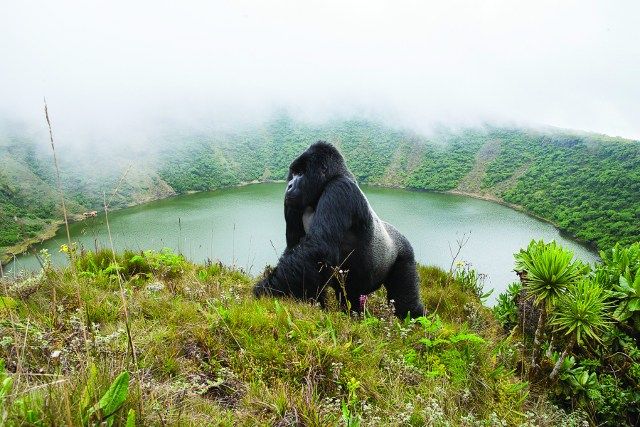
1-Day Rwanda Gorilla Trekking
A very early Kigali departure for a ranger-led encounter in Volcanoes National Park; lodge and flight timing are critical.
Explore itinerary →2-Day Rwanda Gorilla Safari
Give yourself more breathing room for Kigali–Musanze transfers and an overnight stay near the national park.
Explore itinerary →5-Day Rwanda Gorilla & Lake Kivu
Explore mountain-gorilla trekking alongside Rwanda’s highlands and time beside Lake Kivu; personalize the balance of activities.
Explore itinerary →Safari Activities to Pair with Gorilla Trekking
A good combination is one that fits the route and the days you have—not the longest list of activities available.
Experience a second great ape species, typically on a longer western Uganda primate circuit.
Search for savannah wildlife and consider a Kazinga Channel boat excursion.
Pair highland primate experiences where sector, permit and transfer times align.
Enjoy a gentler scenic stay after a forest day, rather than forcing another long drive.
Spend more time with specialist bird habitats, local guides and forest-edge scenery.
Add community-led experiences, Jinja or Murchison Falls when your itinerary has time.
Published Gorilla Safari Starting Prices: What to Compare
The following are featured starting prices appearing on Abunda's public package collection in October 2026. Different pages on the website display different figures for some products. Treat these as reference amounts pending a written quote—not as a 2027 price guarantee.
| Sample safari | Travel style | Featured starting price* |
|---|---|---|
| 3-Day Bwindi Gorilla Trekking | Short Uganda gorilla safari | US$1,650 |
| 4-Day Bwindi Gorilla Safari | Gorilla-focused private trip | US$1,900 |
| 4-Day Bwindi & Queen Elizabeth | Gorilla plus game safari | US$2,000 |
| 5-Day Gorilla & Chimpanzee Safari | Two-primate itinerary | US$2,400 |
| 7-Day Gorillas, Wildlife & Chimps | Multi-park Uganda itinerary | US$2,900 |
| 10-Day Gorillas & Big Game Safari | Extended Uganda circuit | US$3,500 |
*Featured prices may use specific assumptions regarding guest count, accommodation, travel month and services. Do not assume gorilla permits are included. Official UWA tracking permits are a separate cost category: US$800 standard foreign non-resident rate, or US$600 for qualifying April, May and November dates under the 2026 notice. Confirm the complete quote and payment terms before booking.
Let's Turn Your Gorilla Safari Idea into a Real Plan
Tell our safari planning team when you expect to arrive, who is travelling and whether you prefer Uganda, Rwanda or a cross-border journey. We will help compare suitable routes and prepare a proposal with the permit costs and inclusions made clear.
No permit or lodge is confirmed until availability is checked and the required booking steps are completed.
- Your email address and preferred contact method
- Estimated arrival date or travel month
- Number of adults and any non-trekking travellers
- Arrival city: Entebbe, Kampala or Kigali
- Budget, mid-range or luxury lodging preference
- Interests: gorillas, chimpanzees, game drives, birding or relaxation
The button takes you to Abunda's existing working contact form; this section does not collect personal details on its own.
Uganda versus Rwanda Gorilla Trekking: Price Is Only One Question
Uganda and Rwanda both offer carefully managed mountain gorilla encounters, but the route surrounding the activity can differ greatly. Rwanda’s Volcanoes National Park is a comparatively compact journey from Kigali for many international visitors. Uganda offers Bwindi and Mgahinga, with larger opportunities to connect gorilla trekking to wildlife parks, chimpanzees and lake destinations. Neither country automatically guarantees easier walking or clearer sightings.
The official published standard foreign visitor permit in Rwanda is US$1,500. Uganda’s standard foreign non-resident permit is US$800, or US$600 in its qualifying months under the 2026 UWA announcement. That is a notable permit-price difference, but a budget comparison should add flights, ground transfers, hotel nights, visas, border arrangements, vehicle services and meals. Someone already in Kigali with little time may find Rwanda’s total itinerary simpler even if the permit is more expensive.
If you want a longer Uganda wildlife safari, the lower standard permit and wider range of activities can make Uganda highly attractive. If you want a short gorilla-focused escape from Kigali, Rwanda may be efficient. If you arrive in Kigali but prefer Uganda’s permit price, a properly planned cross-border Bwindi itinerary may be the right compromise. Read Abunda’s Uganda-versus-Rwanda comparison and Visit Rwanda’s official permit information.
Bwindi and Mgahinga gorilla trekking
Strong choice for visitors wanting mountain gorillas alongside Kibale chimpanzees, Queen Elizabeth wildlife, Lake Bunyonyi and other Ugandan destinations. Standard foreign non-resident tracking permit: US$800.
Explore Uganda safari routesVolcanoes National Park gorilla trekking
Well suited to visitors already in Kigali or seeking a shorter country itinerary, with golden monkeys and northern Rwanda scenery. Standard foreign visitor gorilla permit: US$1,500.
Explore Rwanda safari routesUganda and Rwanda prices shown are official permit components, not complete trip prices. Check the latest visitor-category and promotional rules before quoting.
Choosing a Gorilla Trekking Company: A Traveller’s Checklist
There is no independently verified universal “best gorilla trekking company” for every guest. A solo backpacker, a photographer with heavy lenses, two older travellers wanting shorter road days and a family with a non-trekking member need different services. A credible operator should be able to explain why it recommends a particular sector, when the UWA permit is actually secured and what the quotation includes. It should not promise guaranteed easy trekking, unlimited time with gorillas or a permit that has not been paid for.
- Verify identity: check the business’s public contact details, relevant permissions and verifiable operating information.
- Verify the permit process: ask the intended date, category, park, sector and status of payment.
- Demand an inclusion list: compare the same lodging standard and services across offers.
- Check routing: confirm realistic driving hours, flights, borders and lodge-to-briefing times.
- Discuss physical needs: request clear explanations rather than medical or short-trek guarantees.
- Read dated reviews carefully: examine the substance and dates, not just a star rating.
- Ask for written policies: understand cancellation rules and responsibility for flight or road disruptions.
Abunda Discoveries Uganda plans private gorilla, primate and wildlife itineraries and provides its website contact form and business telephone for enquiries. You can apply the same selection questions to Abunda as to any other company. The objective is an itinerary that is transparent, realistic and appropriately supported—not an unsupported superlative. Read more about choosing a tour operator.
One Gorilla Trek or Two? When Another Forest Day Adds Value
A single gorilla trek is enough for many visitors, particularly first-time travellers whose main objective is to see a habituated mountain gorilla family and then continue a wider safari. Others consider a second trek because they are serious wildlife photographers, enjoy mountain walking or want to experience a different part of Bwindi. A second visit, however, is not an extension of the same permit. Each ordinary trekking day requires its own approved permit and must be planned according to the available dates, appropriate sectors and park allocations.
Two treks are not automatically twice as rewarding. Weather may be similar on both days, and the animals may remain partially screened by vegetation. What changes is the possibility of experiencing different behaviours under different conditions. A first day might involve a long ascent ending in a calm feeding scene, while a second could be a shorter walk with a family moving through the understorey. The diversity is possible, but no guide can guarantee a contrasting photographic story. Build in a rest night if the physical effort of repeated trekking is significant for you.
Some travellers look at combining northern and southern Bwindi because the routes reveal different parts of the forest. This can be attractive, but it also introduces lodging and transport decisions: you may need to change accommodation, move luggage around the park and check guided forest-walk permits if you wish to hike between trailheads. The Ivy River and Buhoma–Nkuringo walking routes, where currently authorised and operated, are guided nature or transfer experiences, not informal shortcuts for a private party to cross a protected park without arrangements. Verify their present operation and tariff directly with UWA.
The habituation experience is another alternative to two ordinary treks. It offers a different observation format and permit rate, not an assurance of lower physical effort or a more photogenic family. Compare total forest time, observation rules, sector, accommodation, extra permit costs and your own energy level before deciding. Your best itinerary may be one well-planned gorilla day followed by birds, lake scenery and rest—not automatically another primate permit.
Travelling as a Couple, with Teenagers or in a Small Group
Different travelling parties create different practical questions. A couple may be content to spend a full day together in the forest, while a group of six may have a mix of fitness levels and photography preferences. Children below the park’s minimum trekking age cannot simply join an adult gorilla group; families need alternative supervision and activities arranged in advance. The standard minimum age is 15, so a parent travelling with a younger child should never purchase a permit on the assumption that a ranger will overlook the age condition at briefing.
For families with eligible teenagers, the physical preparation is just as important as the age rule. Explain that the encounter is not a zoo visit, that phones and cameras must be used appropriately, and that everyone must be willing to follow the ranger for an uncertain distance. If an eligible teenager has little hiking experience, plan practice walks and honest discussions about mud and slopes before travel. Teenagers are not automatically more comfortable than older adults simply because of age.
A private safari vehicle is not the same as an exclusive gorilla-tracking group. UWA organises visitors according to its procedures, typically with no more than eight people assigned to a habituated family for an ordinary trek. A party of two may join other trekkers, and a party larger than the authorised tracking group size may need additional arrangements. Confirm how your private hotel, transport and guiding services relate to the park-managed tracking component. This matters when a company describes its offer as a private gorilla safari.
For travellers with different fitness levels, one can enjoy a forest day while another rests at the lodge or explores an appropriate guided community activity. On a longer journey, plan shared meals and gentle scenic days together. It is better to create a holiday where each guest can participate willingly than to sell everyone the same physically demanding programme.
Who Is a Private Gorilla Safari Most Suitable For?
A private road itinerary can be tailored around different interests, but gorilla tracking remains an official group activity supervised by park authorities. A private safari vehicle does not buy a private gorilla family or an automatically easier trail.
Couples
Choose a comfortable forest lodge, time to unwind and scenic add-ons such as Lake Bunyonyi rather than unnecessary driving.
Families and friends
Match activities to each person's interests and remember the usual 15-year minimum age for gorilla trekking.
Mature travellers
Plan manageable road days, early discussion of physical demands, appropriate support and a convenient briefing-point lodge.
Photographers
Prioritise weather protection, manageable equipment and an unhurried schedule; flash photography is not permitted.
Wildlife enthusiasts
Add Queen Elizabeth or Murchison Falls, allowing enough days for game drives and boat excursions.
Birdwatchers
Include guided birdwatching in Bwindi, Kibale or other suitable habitats, taking care not to crowd your gorilla day.
Booking Documents, Payments, Insurance and Your Final Confirmation
A well-run gorilla safari should leave the traveller with more than a short message saying that everything is booked. Before paying the full trip cost, request a written itinerary that specifies starting and ending cities, number of guests, intended trekking date, park and sector if already known, accommodation standard, meal basis, vehicle type, inclusions, exclusions and cancellation terms. A quotation should also state whether permits are included and whether they are only being checked or are already secured through UWA. These are different stages, particularly since unpaid multi-day holds were suspended in March 2026.
Payment arrangements deserve care. Confirm the beneficiary is the actual company or authorised provider, obtain a receipt, and ask when non-refundable components are purchased. Different suppliers may have different cancellation provisions: a domestic flight, lodge reservation and wildlife permit are not necessarily governed by one flexible policy. A lower price is not necessarily good value if it hides unusually rigid payment terms, and a higher price is not proof of greater protection. Ask questions while you still have a choice, not after paying.
Travel insurance should be considered against the whole journey, including forest walking, medical care, possible evacuation, flight interruption and changes to non-refundable services. Policies vary, and a tour operator cannot determine whether a particular personal medical situation is insured. Read the exclusions and obtain individual advice from the insurer or your medical provider when needed. For cross-border travel starting in Rwanda, check entry permissions and travel documents for each passenger, not just the person making the group booking.
About a week before departure, confirm the actual pickup location, driver contact procedure, luggage limits for any small aircraft, final lodge, packed lunch, early breakfast, UWA morning reporting instructions and what to do if your incoming flight is delayed. The last-minute checklist should be short precisely because the most important choices were made earlier. Abunda can use this final confirmation process to turn a complex wildlife journey into a manageable travel day without making promises about the gorillas themselves.
Booking Your Uganda Gorilla Safari: Four Clear Steps
Share your plans
Send your preferred dates, party size, arrival airport and budget or comfort category.
Compare realistic routes
Review proposed lodging, national parks, transfers and an itemised cost.
Secure dates and permits
Agree to written terms; official permit availability is confirmed through the booking process and payment.
Begin the experience
Arrive with confirmed pickup arrangements, itinerary, lodging and trekking instructions.
We can match a permit sector to a sensible journey rather than offer a lodge first and fix the geography later.
Plan a Private Gorilla SafariAsk on WhatsAppMistakes to Avoid Before Buying a Gorilla Trekking Safari
- Choosing accommodation before confirming the sector. A general “Bwindi lodge” location is not enough.
- Comparing a permit-excluded offer with a permit-inclusive one. Always calculate the final amount per person and for the whole party.
- Assuming the trek must finish before lunch. Gorilla movements and forest conditions affect timing.
- Using obsolete tariff articles. Check the current UWA circular, including low-season conditions and 2027 adjustments.
- Trusting an unpaid permit hold. The seven-day unpaid UWA window was suspended in March 2026.
- Booking an onward flight immediately after a forest trek. Add a realistic schedule buffer.
- Calling a private car a private gorilla viewing group. Park authorities manage trekking-group arrangements.
- Buying a discounted permit without understanding date flexibility. The announced low-season permits cannot be rescheduled.
- Underestimating rain and slopes. Good footwear and pacing matter more than selecting a supposedly easy gate.
- Treating a conservation encounter as a guaranteed show. Wildlife remains wild, and ranger instructions take priority.
A good pre-departure check is simple: do you have a paid permit confirmation, an agreed pickup plan, a hotel close to the correct meeting point, adequate clothing, an appropriate insurance policy and a sensible return day? If any answer is unclear, ask the operator to correct it in writing.
- Confirm your paid permit date, named sector, traveller eligibility and official briefing time.
- Check passport, visa, vaccination and border rules for your own itinerary using official authorities.
- Pack broken-in hiking boots, a lightweight waterproof jacket, long trousers, a daypack and camera rain protection.
- Check your insurance for trekking and medical assistance, and do not join a gorilla trek while unwell in breach of park health rules.
- Confirm lodge location, packed lunch, porter availability, transfer timing and your next travel connection.
Gorilla Tourism and Local Communities: Make the Trip Responsible
Conservation is not achieved by permit payments alone. Mountain gorillas inhabit landscapes that also matter to nearby communities, and tourism can create employment in guiding, tracking, accommodation, crafts, food supply and transport. Responsible travel should seek tangible local participation, consent and fair treatment rather than treating cultural visits as a spectacle that can be scheduled without consulting the people involved.
Booking a porter, eating at a locally supplied lodge or participating in a properly organised community walk can create useful economic connections. But these activities should not be promised as though every village has the same programme or as though every visitor wants the same experience. Ask who runs the activity, how the fee is handled, how much time is needed and whether the visitors’ participation is welcome. Some travellers will be happiest enjoying quiet time at their lodge after the forest trek.
Protection of the gorillas also depends on daily visitor behaviour: no litter, no contact, respect for illness restrictions and no attempt to alter the family’s behaviour for photographs. A traveller who follows the rules contributes to maintaining the conditions that make future visits possible.
Detailed Uganda Gorilla Trekking FAQs
How much is a gorilla trekking permit in Uganda in 2026?
For a foreign non-resident the standard UWA rate is US$800. UWA announced US$600 permits for eligible April, May and November dates. Other categories have separate rates; always verify current rules and availability.
How much does a complete gorilla trekking safari cost?
A complete safari costs more than the permit: transport, fuel, accommodation, meals, guiding, possible domestic flights and optional porter services all matter. Request an itemised quote based on your dates and group size.
Can you go gorilla trekking from Kigali?
Yes, a short cross-border trip can work for parts of southwestern Uganda, particularly with suitable southern-sector permits. Border rules, driving time and the return flight schedule must be checked.
Where is gorilla trekking done in Uganda?
Gorilla trekking takes place in Bwindi Impenetrable National Park and Mgahinga Gorilla National Park. Bwindi has four major trekking sectors: Buhoma, Ruhija, Rushaga and Nkuringo.
How long do you spend with the gorillas?
A normal authorised gorilla tracking encounter offers up to one hour with the habituated group after it has been located. The hiking time before and after that observation is additional and unpredictable.
What time does gorilla trekking start?
Visitors normally report early in the morning for registration and ranger briefing, often around 7–8 a.m. Confirm the exact location and reporting time on your booked date.
What is the minimum age for gorilla trekking?
The normal minimum age is 15 years. Confirm any individual documentation requirements before reserving, especially when travelling with teenagers.
How difficult is gorilla trekking?
It can be moderate to challenging because of steep, muddy and uneven forest terrain and variable walking duration. No sector permanently guarantees an easy walk.
Are gorilla sightings guaranteed?
No. Rangers and trackers work to find habituated families, but the animals are wild and their movements cannot be guaranteed. Ask UWA about the currently applicable unsuccessful-tracking policy rather than assuming an old refund rule.
What is the best month to trek gorillas in Uganda?
Relatively drier periods often include June–September and December–February. April, May and November offer eligible permit discounts but may be wetter and discounted permits cannot be rescheduled.
Is Uganda cheaper than Rwanda for gorilla trekking?
Uganda has the lower published standard foreign non-resident permit price: US$800 compared with Rwanda’s US$1,500 standard permit. A complete trip comparison must add transport, accommodation and other services.
Can an older traveller go gorilla trekking?
Many older travellers can, but age alone does not determine fitness. Discuss stamina and mobility needs with the operator, seek medical advice when needed and avoid any guarantee of a short trek.
Do I need hiking boots and a rain jacket?
Sturdy broken-in boots with good grip and a lightweight waterproof layer are strongly recommended. Long trousers, gloves and a waterproof daypack liner can also help.
Is gorilla trekking in Uganda safe?
Ranger-led tourism has safety procedures, but slippery terrain, wild animals and road journeys carry risks. Follow park instructions, assess your fitness and plan transport responsibly.
What is the difference between gorilla tracking and habituation?
Ordinary tracking normally permits up to one hour observing a habituated family. The separate habituation experience can permit up to four hours of observation under its own rules and higher permit tariff.
Is gorilla trekking worth the money?
For travellers who value rare wildlife encounters and are comfortable with the cost, uncertainty and physical effort, it can be deeply rewarding. The permit does not purchase a guaranteed easy trail or perfect photographs.
Which Bwindi sector is best for gorilla trekking?
There is no universal best sector. Choose one with suitable permit availability and a sensible route from your previous destination and toward your next overnight stay.
Which gorilla trekking company is the best in Uganda?
Look for a company with verifiable details, a sound permit process, realistic routing, transparent pricing, current customer feedback and written booking terms rather than accepting a self-declared best-company claim.
Can I see golden monkeys on the same Uganda safari?
Yes. Mgahinga offers golden monkey trekking as a separate activity that can be combined with gorilla trekking when permits, dates and travel time allow.
What should I ask before paying for a gorilla safari?
Ask for the permit date and sector, the full service inclusions, refund terms, lodge-to-briefing transfer, driving plan, any border or flight requirements and confirmation that your actual booking is secured.
Plan Your Uganda Gorilla Trekking Safari with Abunda Discoveries Uganda
Abunda Discoveries Uganda can help you compare appropriate gorilla trekking dates and build a private itinerary around the permit sector, starting airport, accommodation standard and travel interests. The purpose of a good quotation is to remove uncertainty that can be controlled—such as hotel location, vehicle arrangements and inclusion lists—while being honest about what cannot be guaranteed in a wild forest.
When enquiring, send the month and year, your preferred date range, number of adults and ages of younger travellers, city or airport of arrival, preferred budget and any additional experiences such as chimpanzees, birds, Lake Bunyonyi or Queen Elizabeth wildlife. You can also describe your comfort and walking expectations so the travel days are appropriately paced. Abunda should only confirm the permit and services once they have been checked and secured through the relevant channels.
Contact details: +256 784 928 080 | info@abundadiscoveriesuganda.com. For trip enquiries use the Abunda Discoveries Uganda contact page.
Tell Abunda Discoveries Uganda your preferred month, number of travellers, arrival airport, comfort level and whether anyone needs a gentler pace. Permit space and travel services are confirmed only after a date-specific check.
Request a Private Gorilla Safari QuoteExplore Uganda Gorilla Safari PackagesOfficial updates used: UWA gorilla tracking, UWA 26 February 2026 notice, UWA permit management guidance, Visit Rwanda permit guidance.
Editorial reference date: 21 October 2026. Prices and park procedures can change; verify with UWA and the safari provider before paying. Safari budgets and model itineraries on this page are illustrative, not confirmed inventory or binding offers.