- CONTACT US NOW:
- +256 784 928 080
- info@abundadiscoveriesuganda.com

Walking Safaris in Akagera National Park:
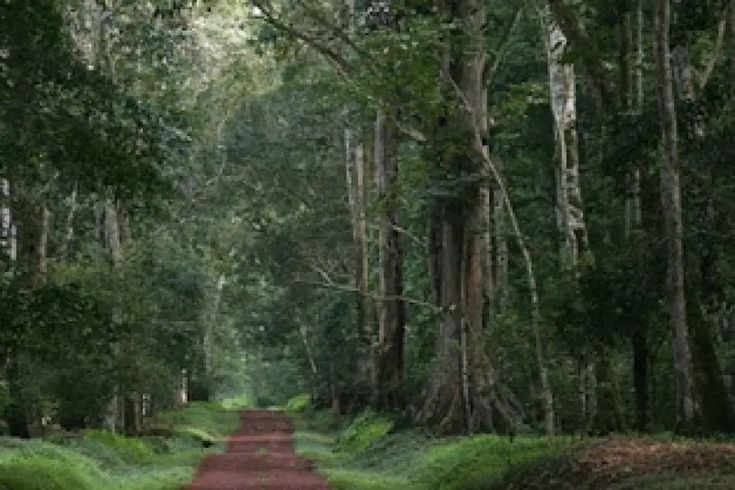
What Can Tourists Experience in Budongo Forest?
May 30, 2026
Exploring Ziwa Rhino Sanctuary
June 3, 2026
Walking Safaris in Akagera National Park
overview;
<p>Walking Safaris in Akagera National Park. Rwanda is often celebrated for its mountain gorillas, breathtaking landscapes, and vibrant culture. However, the country is also home to one of East Africa’s most impressive wildlife conservation areas—Akagera National Park. As Rwanda’s only savannah national park, Akagera offers visitors a remarkable safari experience filled with diverse wildlife, scenic lakes, rolling hills, and rich biodiversity.
While traditional game drives remain the most popular activity within the park, walking safaris have become increasingly sought after by travelers looking for a more intimate and immersive wilderness experience. Unlike viewing wildlife from a vehicle, walking through the African bush allows visitors to engage directly with the environment, experiencing the sights, sounds, and rhythms of nature from ground level.
A walking safari in Akagera National Park offers a unique opportunity to slow down, observe the finer details of the ecosystem, and gain a deeper appreciation for Rwanda’s remarkable natural heritage. Whether you are an adventure seeker, wildlife enthusiast, birdwatcher, photographer, or nature lover, exploring Akagera on foot provides an unforgettable perspective that few safari experiences
can match.
What Makes a Walking Safari Different?
Walking Safaris in Akagera National Park. A walking safari is a guided exploration conducted on foot within designated areas of a protected wildlife reserve. Rather than observing animals from the safety of a vehicle, participants become part of the landscape itself, moving quietly through the bush while learning about the surrounding environment.
This style of safari transforms the way visitors experience nature. Instead of focusing solely on large mammals, attention shifts to the countless details that make up the ecosystem. Animal footprints, insect activity, plant species, bird calls, and subtle signs of wildlife become part of the adventure.
Expert guides accompany visitors throughout the walk, sharing fascinating insights about animal behavior, ecological relationships, conservation efforts, and the interconnectedness of the natural world. Every track, sound, and movement tells a story, creating a highly educational and engaging experience.
Walking safaris allow visitors to appreciate the African wilderness in a way that game drives often cannot. The experience fosters a stronger connection to nature while encouraging a deeper understanding of wildlife conservation.
Guided Nature Walks in Akagera National Park
Walking Safaris in Akagera National Park. Among the most popular walking experiences in Akagera are the guided nature walks that take place primarily in the southern section of the park. These excursions typically last between one and three hours and are designed to introduce visitors to the beauty and complexity of the savannah ecosystem.
The southern region contains fewer large predators, making it an ideal location for walking safaris. Visitors can comfortably explore the landscape while enjoying opportunities to encounter a variety of wildlife species.
During these walks, participants may observe giraffes browsing among acacia trees, zebras grazing on open grasslands, warthogs foraging for food, and several species of antelope moving gracefully through the savannah. Monkeys, reptiles, butterflies, and numerous bird species are also frequently encountered.
As the journey unfolds, guides interpret the surrounding environment, identifying animal tracks, explaining feeding patterns, and discussing the ecological roles played by different species. Visitors gain valuable knowledge about the delicate balance that sustains life within the park.
For first-time safari travelers, guided nature walks provide an excellent introduction to the thrill of exploring Africa’s wilderness on foot.
The Unique Walk the Line Experience
Walking Safaris in Akagera National Park. One of Akagera National Park’s most distinctive walking activities is the famous “Walk the Line” experience. This guided excursion follows part of the park’s perimeter fence and offers visitors a fascinating perspective on conservation and community involvement.
The walk covers approximately seven kilometers and generally takes around two hours to complete. Community guides lead participants along the route, sharing personal insights into the relationship between local communities and wildlife conservation.
As visitors walk beside the fence, they learn about the critical role that boundary patrol teams play in protecting wildlife and reducing human-wildlife conflict. Guides explain how daily monitoring helps prevent poaching while minimizing encounters between wild animals and nearby farming communities.
Beyond wildlife protection, the Walk the Line experience highlights Rwanda’s commitment to community-based conservation. Visitors discover how local residents benefit from tourism and conservation programs through employment opportunities, education initiatives, and sustainable development projects.
This experience provides a powerful reminder that successful conservation depends not only on protecting wildlife but also on supporting the people who live alongside it.
Exploring Akagera’s Lakes and Wetlands on Foot
Walking Safaris in Akagera National Park. Akagera National Park is renowned for its extensive network of lakes, rivers, and wetlands. These aquatic ecosystems support an incredible variety of wildlife and provide some of the most rewarding walking safari opportunities in Rwanda.
Lakeside walks around Lake Ihema and the scenic Muyumbu Hills offer visitors a chance to experience a different side of the park. The combination of open water, papyrus swamps, and surrounding savannah creates an environment rich in biodiversity.
During these walks, visitors may encounter hippos resting in the water, crocodiles basking along the shoreline, and a spectacular array of birdlife. The peaceful atmosphere of the lakeside environment contrasts beautifully with the excitement of wildlife encounters.
The stunning scenery enhances the overall experience, creating countless opportunities for photography and wildlife observation. Early morning and late afternoon walks are particularly rewarding, as the soft light and cooler temperatures encourage animal activity.
A Paradise for Birdwatchers
Walking Safaris in Akagera National Park. Akagera National Park is widely recognized as one of East Africa’s premier birdwatching destinations. With more than 480 recorded bird species, the park attracts bird enthusiasts from around the world.
Walking safaris offer one of the best ways to appreciate this incredible avian diversity. Moving quietly through the landscape allows birdwatchers to observe species that might be overlooked during a game drive.
Visitors frequently spot African fish eagles soaring above the lakes, colorful kingfishers perched near waterways, graceful herons wading through wetlands, and various species of cormorants, storks, and weavers.
The park is also home to numerous migratory birds, making birdwatching rewarding throughout the year. One of the most sought-after sightings is the rare shoebill stork, a prehistoric-looking bird that attracts bird enthusiasts from across the globe.
Guided birding walks help visitors identify species by appearance, behavior, and calls, enriching the overall experience while deepening appreciation for the park’s extraordinary biodiversity.
The Wilderness Walking Trail Adventure
Walking Safaris in Akagera National Park. For travelers seeking a truly immersive wilderness experience, Akagera offers the Wilderness Walking Trail, one of the most adventurous activities available in Rwanda.
Unlike shorter nature walks, this multi-day trek takes participants deep into remote sections of the park that receive very few visitors. Covering approximately 40 kilometers over three nights, the trail provides an authentic wilderness experience that few safari destinations can match.
Participants hike through untouched savannah landscapes, camp under the stars, and experience the rhythms of the African bush firsthand. Along the route, guides share insights into wildlife behavior, conservation efforts, and the ecological significance of the areas being explored.
Because of its length and physical demands, the Wilderness Walking Trail is best suited for experienced hikers and adventurous travelers. However, those who complete the journey often describe it as one of the most rewarding and transformative safari experiences in East Africa.
Safety During Walking Safaris
Walking Safaris in Akagera National Park. Safety is a top priority during every walking safari in Akagera National Park. All excursions are conducted under the supervision of trained guides and armed park rangers who possess extensive knowledge of animal behavior and wilderness safety.
Before each walk begins, participants receive a detailed safety briefing outlining appropriate behavior and procedures. Rangers continuously monitor wildlife movements and assess environmental conditions to ensure a safe experience.
Visitors are not permitted to walk independently within the park. Instead, all walking activities must be conducted as part of authorized guided tours.
By following instructions, maintaining safe distances from wildlife, and respecting the natural environment, visitors can confidently enjoy an extraordinary adventure in the African wilderness.
Best Time for Walking Safaris
Although walking safaris are available throughout much of the year, certain seasons provide more favorable conditions.
The dry seasons generally offer the best walking experiences. Trails remain accessible, vegetation is less dense, and wildlife tends to gather near water sources, making animal sightings more frequent.
Early morning walks between 7:00 a.m. and 9:00 a.m. are particularly rewarding. Temperatures are cooler, bird activity is at its peak, and many animals remain active before the midday heat arrives.
Late afternoon excursions between 4:00 p.m. and 6:00 p.m. also provide excellent opportunities for wildlife viewing as animals become active again after resting during the hottest part of the day.
What to Wear and Bring
Walking Safaris in Akagera National Park. Proper preparation can greatly enhance the comfort and enjoyment of a walking safari.
Visitors should wear sturdy walking or hiking shoes capable of handling uneven terrain. Neutral-colored clothing such as khaki, olive green, or brown is recommended because it blends naturally with the environment and reduces disturbance to wildlife.
Long-sleeved shirts and long trousers help protect against sun exposure, insects, and thorny vegetation. A wide-brimmed hat, sunscreen, sunglasses, and insect repellent are also highly recommended.
Carrying sufficient drinking water is essential, especially during warmer months. Binoculars and a camera can significantly enhance wildlife observation and photography opportunities throughout the walk.
Other Exciting Activities in Akagera National Park
While walking safaris provide a unique perspective on the park, Akagera offers numerous additional activities that complement the experience.
Day and Night Game Drives
Game drives remain one of the most effective ways to explore Akagera’s diverse habitats. Visitors can search for lions, leopards, elephants, rhinos, buffaloes, giraffes, zebras, and numerous antelope species.
Night drives reveal a completely different side of the park, offering opportunities to spot nocturnal animals such as hyenas, servals, genets, bush babies, and elusive leopards.
Boat Cruises on Lake Ihema
Walking Safaris in Akagera National Park. Boat safaris on Lake Ihema provide exceptional wildlife viewing from the water. Visitors frequently observe large hippo pods, crocodiles, and a wide variety of bird species along the shoreline.
The peaceful setting and spectacular scenery make boat cruises one of the most relaxing activities in the park.
Sport Fishing
Fishing enthusiasts can enjoy catch-and-release sport fishing experiences on Lake Shakani. The activity offers a peaceful break from traditional safari excursions while providing beautiful views of the surrounding landscape.
Cultural Experiences
Akagera’s neighboring communities offer visitors opportunities to learn about traditional Rwandan culture, agriculture, livestock keeping, honey production, and local customs.
These cultural interactions enrich the safari experience while supporting sustainable community development initiatives.
Conservation Behind-the-Scenes Tours
Walking Safaris in Akagera National Park. Visitors interested in wildlife conservation can participate in specialized tours that highlight anti-poaching operations, wildlife monitoring programs, ranger activities, and successful species reintroduction efforts.
These experiences reveal the remarkable work that has transformed Akagera into one of Africa’s leading conservation success stories.
Conclusion
Walking Safaris in Akagera National Park. Walking safaris in Akagera National Park provide a unique and unforgettable way to experience Rwanda’s spectacular wilderness. By exploring the landscape on foot, visitors gain a deeper understanding of the ecosystem, develop a stronger connection with nature, and discover countless details often missed during traditional game drives.
From guided nature walks and birdwatching excursions to the adventurous Wilderness Walking Trail, Akagera offers walking experiences suitable for every type of traveler. Combined with game drives, boat cruises, cultural encounters, and conservation tours, a walking safari creates a truly comprehensive and immersive African adventure.
For travelers seeking an authentic safari experience that goes beyond wildlife viewing, walking through the landscapes of Akagera National Park offers an extraordinary journey into the heart of Rwanda’s natural beauty.
