- CONTACT US NOW:
- +256 784 928 080
- info@abundadiscoveriesuganda.com

What is Kibale National Park Known For?

What is the Age Limit for Chimpanzee Trekking in Uganda?
February 17, 2025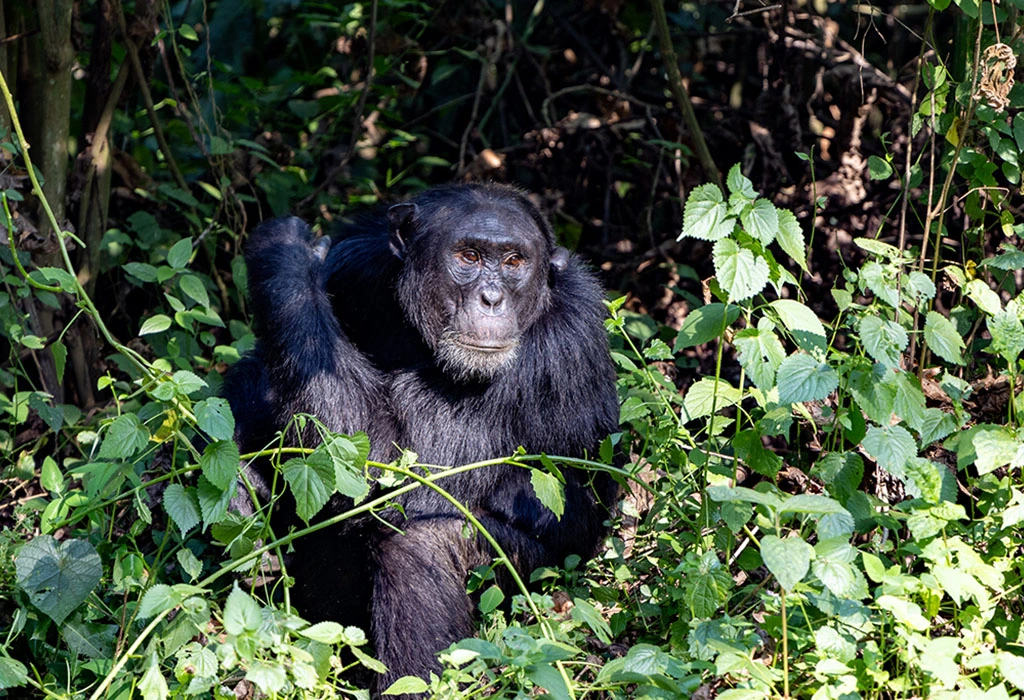
What is Chimpanzee Trekking?
February 17, 2025
What is Kibale National Park Known For?
Kibale National Park, located in the heart of southwestern Uganda, is one of the country’s top wildlife destinations. Known for its incredible biodiversity, rich ecosystems, and thriving primate population, Kibale offers travelers an unforgettable experience. From chimpanzees to exotic birds, and lush forests to unique wetlands, the park is a haven for nature lovers, wildlife enthusiasts, and those seeking to connect with Uganda’s vibrant natural heritage. What is Kibale National Park Known For?
we’ll dive into what makes Kibale National Park so unique and why it should be on every adventure seeker’s bucket list.
What Makes Kibale National Park So Special?
Kibale National Park, covering approximately 795 square kilometers, is one of Uganda’s most biodiverse ecosystems. The park is part of Uganda’s Western Rift Valley and is home to a wide variety of animals, including the famous chimpanzees, as well as a wealth of plant life, bird species, and rare creatures that thrive in its forests and wetlands.
The park’s strategic location makes it a key part of Uganda’s natural heritage. It offers an immersive experience for anyone looking to explore Uganda’s rainforests and wildlife.
But what exactly makes this park stand out among Uganda’s many wildlife reserves? Let’s dive deeper. What is Kibale National Park Known For?
Kibale National Park: The Primate Capital of the World
Why is Kibale Known as the Primate Capital of the World?
One of the major highlights of Kibale National Park is its diverse primate population. Kibale is often referred to as the “Primate Capital of the World” due to the wide variety of primates that call this forest home. The park is particularly famous for being one of the best places to see chimpanzees in the wild.
Chimpanzees: Kibale is home to approximately 1,500 chimpanzees, which makes it one of the largest populations in East Africa. These chimpanzees are the highlight of chimpanzee trekking tours, where visitors can go on guided walks to observe them in their natural habitat. The experience of seeing these intelligent and social creatures up close is one of the most exhilarating wildlife encounters you can have.
Other Primate Species: Kibale isn’t just home to chimpanzees. It’s also inhabited by 12 other species of primates. These include red-tailed monkeys, black-and-white colobus monkeys, and the rare L’Hoest’s monkeys. Each species has unique behaviors, social structures, and is equally fascinating to encounter while exploring the park’s trails.
What Makes Kibale’s Primate Trekking Unique?
Trekking in Kibale is different from other wildlife safaris because the park is relatively accessible and offers the opportunity to get very close to wild chimpanzees and other primates. The guided tours are educational, providing a deeper understanding of these species and their behavior in the wild.
Kibale National Park: A Birdwatcher’s Paradise
What Birds Can You See in Kibale?
In addition to its primate population, Kibale is a paradise for bird watchers. The park is home to over 375 bird species, making it a prime location for spotting both common and rare birds.
Iconic Birds: Some of the must-see species in Kibale include the Great Blue Turaco, the African Grey Parrot, and various species of hornbills. Birdwatchers can expect to spot these species along the nature trails and in the park’s forested areas.
Bigodi Wetland Sanctuary: Just outside the main park lies the Bigodi Wetland Sanctuary, a hotspot for bird watchers. The sanctuary offers excellent birding opportunities and is home to birds like the Yellow-billed Duck and the Blue-headed Coucal.
Why is Birdwatching in Kibale Special?
The variety of habitats in Kibale—from dense forests to wetlands—creates the perfect environment for many bird species to thrive. Early morning walks through the park provide the best opportunities for birdwatching, and it’s not uncommon to spot a variety of colorful and rare birds during these outings.
The Bigodi Wetland Sanctuary: A Must-See Area for Nature Lovers
What is the Bigodi Wetland Sanctuary Known For?
The Bigodi Wetland Sanctuary, located on the outskirts of Kibale, is a hidden gem for wildlife enthusiasts and nature lovers. This wetland is an essential part of the Kibale ecosystem and offers a more tranquil experience for those looking to explore the park’s flora and fauna at a slower pace.
Wildlife in Bigodi: Aside from its exceptional birdlife, the sanctuary is home to various primates such as blue monkeys and baboons. It also hosts other fascinating species, including duikers (small antelopes) and pottos, a nocturnal primate that’s often spotted during night walks.
Community and Cultural Experiences: Visitors to Bigodi have the opportunity to learn about the local community’s conservation efforts and experience the culture of the people living near the park. Local guides provide insight into the area’s rich biodiversity and the traditional customs of the communities that have lived alongside the park for generations.
Kibale’s Ecological Diversity and Scenic Landscapes
What Types of Landscapes Will You Explore in Kibale?
Kibale National Park is a mix of different ecosystems, making it a truly diverse area. From lush rainforests to wetlands, the park’s landscapes offer a variety of ecosystems to explore.
Tropical Rainforests: The park is primarily known for its tropical rainforest, where towering trees, vines, and lush foliage create a vibrant and lush atmosphere. This dense forest is home to a wealth of wildlife, including primates, birds, and reptiles.
Swamps and Wetlands: In addition to its forests, Kibale contains swampy and wetland areas, such as the Bigodi Wetland. These areas are not only vital for the park’s biodiversity but also support unique species that thrive in such habitats.
Why Are Kibale’s Landscapes So Important?
The park’s varied landscapes are a crucial part of the local ecosystem, providing habitat for a range of species and helping maintain biodiversity. Visitors will find that the varied terrain—ranging from swampy areas to highland forests—offers opportunities for unique wildlife encounters.
Kibale’s Role in Conservation and Ecotourism
How Does Kibale Contribute to Conservation?
Kibale National Park plays an essential role in wildlife conservation in Uganda. The park is home to a wide variety of endangered species and is a key area for research into primate behavior and conservation. For instance, the Kibale Chimpanzee Project has been instrumental in advancing our understanding of chimpanzee behavior, communication, and social systems.
Ecotourism Initiatives: Kibale also embraces sustainable tourism, ensuring that visitor numbers and activities are managed in ways that support conservation. Entrance fees and permits for activities like chimpanzee trekking directly benefit the park and help fund conservation efforts, ensuring that Kibale remains a protected sanctuary for future generations.
Best Activities in Kibale National Park
What Can You Do in Kibale National Park?
Kibale offers an array of activities for all types of travelers, from wildlife enthusiasts to nature lovers and those interested in local culture.
Chimpanzee Trekking: This is by far the most popular activity in Kibale. Visitors can take part in guided chimpanzee trekking tours, where they will walk through the forest in search of these fascinating creatures.
Nature Walks and Bird Watching: The park’s diverse ecosystems make it an ideal place for nature walks. Whether you’re a birdwatcher or a wildlife enthusiast, you’ll be able to experience Kibale’s beauty firsthand.
Cultural Tours: Visitors can also learn about local culture through village tours and cultural exchange programs in nearby communities. These tours give insight into the traditions and ways of life of the local people.
When is the Best Time to Visit Kibale?
What Time of Year is Best to Visit Kibale?
Kibale National Park can be visited year-round, but the dry seasons from June to September and December to February are considered the best times to visit. During these months, the trails are easier to navigate, and wildlife sightings are more frequent.
Why Kibale Should Be on Your Travel Bucket List
Kibale National Park offers a one-of-a-kind experience that brings you face-to-face with Uganda’s stunning wildlife and incredible biodiversity. Whether you’re trekking through the forest in search of chimpanzees, spotting exotic birds, or engaging with local communities, Kibale has something for everyone. It’s a must-visit destination for any nature lover or wildlife enthusiast visiting Uganda. What is Kibale National Park Known For?
Plan your visit today and immerse yourself in the heart of Uganda’s natural beauty.
FAQs About Kibale National Park (What is Kibale National Park Known For?)
Can I see chimpanzees in Kibale year-round?
Yes, chimpanzee trekking is available throughout the year. However, the best time to visit is during the dry season for optimal trekking conditions.
How long do chimpanzee trekking tours last?
Trekking tours typically last 3-5 hours, depending on the location of the chimpanzee group.
Is Kibale suitable for families?
Yes, Kibale offers family-friendly activities such as nature walks and chimpanzee trekking, with age-appropriate tours available for younger travelers.
How do I get to Kibale National Park?
Kibale is accessible by road from Kampala, approximately 320 kilometers away, with a drive time of about 5-6 hours. You can also fly into nearby Fort Portal or Kasese.


