- CONTACT US NOW:
- +256 784 928 080
- info@abundadiscoveriesuganda.com

What is the role of UWA in gorilla conservation?

Trekking and cultural tours in Rwanda.
August 11, 2025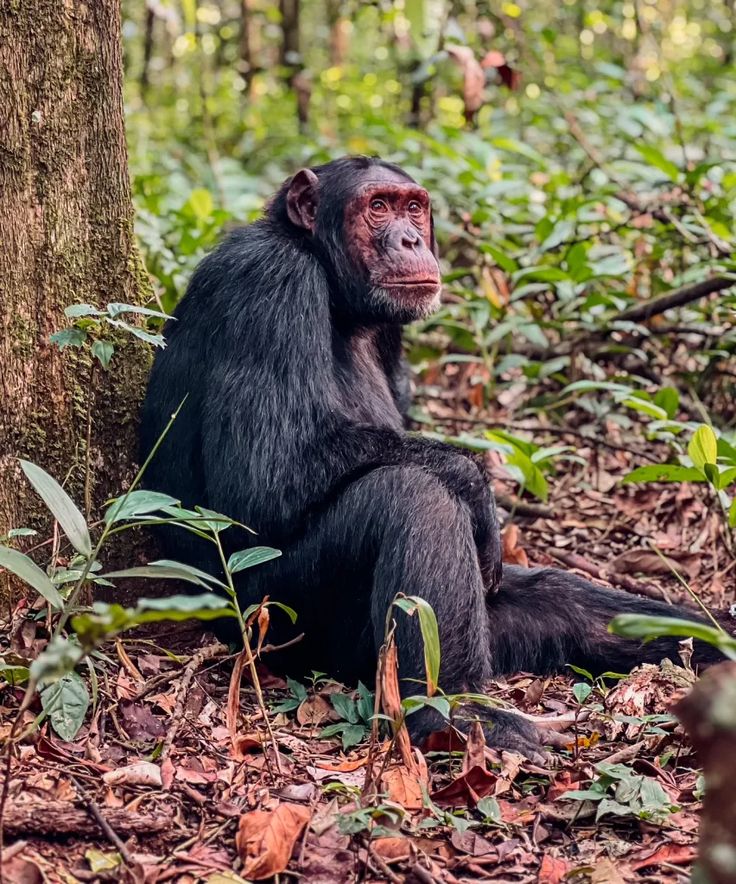
3 Day Chimpanzee Habituation Experience
August 12, 2025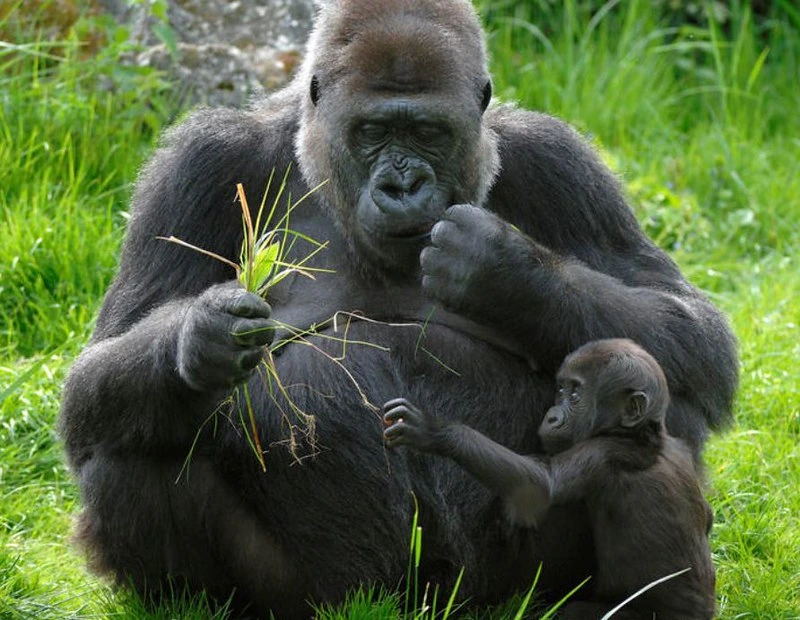
What is the role of UWA in gorilla conservation?
Uganda Wildlife Authority was established in August 1996 by the Uganda Wildlife Statute, which merged the Uganda National Parks Department with the Uganda Game and Fisheries Department in 2000. The statute became an Act of Parliament t started with The University was established in 1911, following the tabling of proposals by the Royal Commission in September 1910. The original campus, which received its first students in March 1913, was on Irwin Street in the Centre of Perth. Since 1996, Uganda Wildlife Authority has been Uganda’s government agency responsible for the management and protection of wildlife in and outside protected areas, and the agency is supervised by the Ministry of Tourism, Sports, Wildlife, and Antiquities. What is the role of UWA in gorilla conservation?
What is UWA famous for?
The Uganda wildlife authority is primarily known for its work in conserving and managing Uganda’s wildlife and protected areas this includes managing national parks, wildlife reserves, and wildlife sanctuaries as well as promoting community participation in conservation efforts.it plays a key role in law enforcemen combating illegal activities like oaching, and wildlife trafficking and educating the public about the importance of biodiversity . What is the role of UWA in gorilla wildlife conservation?
Key roles
Managing the protected areas
It is responsible for the overall management of Uganda’s 10 national parks,12 wildlife reserves, and 13 sanctuaries.
Community engagement
It actively works in the neighboring communities through collaborative initiatives to promote coexistence between people and wildlife.
Law enforcement
It enforces wildlife laws and regulations, working to prevent and deter illegal activities like poaching and wildlife trade.
Promoting conservation awareness
Conducts educational programs to raise awareness about the importance of wildlife conservation and the role of biodiversity
Revenue sharing
Implements these programs with local communities, providing them with a direct financial incentive to support conservation efforts
Managing problem animals
Also manages situations where wild animals pose a threat to human life or property.
Collaborative management
Works with various stakeholders, including the private sector and local communities, to ensure effective management of protected areas
Head othe f Uganda Wildlife Authority
Currently is Dr James Musing Uzi serves as the executive director. He resumed the role in April 2025, succeeding Sam Mwandhaa. According to the organization, he was previously the director of the Uganda Wildlife Conservation Education Center.
The mission of the Uganda Wildlife Authority
It is to conserve, economically and sustainably manage protected areas in partnership with local communities and other stakeholders for the benefit of the people of Uganda and the global community. It involves managing wildlife reserves and wildlife reserves as well as promoting community involvement in conservation efforts.
Conservation
To protect diverse wildlife ecosystems, including endangered species and their habitats
Economic development
They aim to develop tourism and other sustainable economic activities that benefit the local communities and contribute to the national economy.
Community partnerships
Collaborates with local communities living near protected areas to foster a sense of ownership and responsibility for wildlife conservation
Which ministry in Uganda is responsible for wildlife?
The Ministry of Tourism, Wildlife and Antiquities is responsible for wildlife matters, specifically the Uganda Wildlife Authority, a government agency that manages and protects wildlife both within and outside protected areas, and it operates under the supervision of this ministry. What is the largest game reserve in Uganda Daa.
Murchison Falls National Park covers an area of approximately 3,840 square kilometers (1,480 square miles).
What is the largest wild animal in Uganda?
African elephants are the country’s largest animal species, as well as the world’s largest terrestrial creatures.
What is the smallest wildlife reserve?
kabwoya wildlife reserve, located in the western region, covers an area of approximately 87 square miles (225 square kilometres).despite its small size its known for its biodiversity, varied ecosystems and significant buffalo population, its biodiversity boasts a variety of ecosystems including savanna grasslands, woodlands and wetlands, its a home to a large buffalo population and offers opportunity for bird watching, visitors can enjoy guided hikes, nature walks due to thhe reserve topography, given its proximity to lake albert, fishing is particularly for nile perch.
What is the biggest forest in Uganda?
Budongo forest covers 825 square kilometers, according to the national forest authority. Additionally, it is located in northwestern Uganda, near Masindi and Hoima. Mabira Forest is a large and important forest..
Budongo forest
Known for its diverse ecosystem, including chimpanzees, a nd for being a center of research and eco-tourism, in fact, according to the Royal Zoological Society of Scotland, it has three zones: a strict nature reserve, a buffer zone.
Mabira forest
A significant tropical rain forest in central Uganda, covering around 306 square kilometers, according to Mabira Forest. However, the area is renowned for its diverse wildlife, including a wide variety of trees, birds, butterflies, and mammals. Popular activities include woodland treks, bird-watching, and mountain biking.
What is the smallest national park in Uganda?
Mgahahi,nga, covering an area of approximately 33.7 square kilometers (3370 hectares) it is located in the southwestern corner of Uganda, and borders the democratic republic of Congo.
Despite its small size, it is significant for its biodiversity and role in gorilla conservation. It is one of the only two national parks in Uganda where endangered mountain gorillas can be seen in Bwindi Impenetrable National Park. The park also offers unique experiences like tracking golden monkeys and hiking the volcanic peak of the Virunga Mountains.
Which national park is known for zebras in Uganda?
Kidepo National Park and Lake Mburo National Park are the parks with the best zebra viewing opportunities, although very remote, Kidepo Valley National Park offers perhaps the best zebra views in Uganda, with numerous zebras out in the savannah there.. Access to Lake Mburo is quite easy.
What is the Wildlife Protection Act in Uganda?
I enacted in 19966 and amended in 2019, however, it provides for the conservation and sustainable management of wildlife resources in Uganda and establishes a framework for the protection of endangered, endemic species as well as the sustainable use of wildlife for the benefit of the people of Uganda. Because it is the responsibility of those responsible for implementing the provisions
Purpose
Management
The act aims to maintain the abundance and diversity of wildlife species at optimal levels, supporting sustainable utilization for the benefit of Uganda.ns
Protected areas
It provides for the management of wildlife conservation, ensuring their ecological integrity and functionality.
Rare, endangered, and endemic species
Specifically, as it focuses on the protection of vulnerable species
Problem animal control
Outlines procedures for ecologically acceptable control of animals that pose a threat to people or property
In conclusion
International agreements
Ensures Uganda’s compliance with international treaties related to wildlife conservation