- CONTACT US NOW:
- +256 784 928 080
- info@abundadiscoveriesuganda.com

Why is Rwanda Africa’s ecotourism leader?
How Your Safari Can Support Local Communities
August 20, 2025
Wildlife Conservation Success Stories in East Africa
August 20, 2025
Why is Rwanda Africa’s ecotourism leader?
Rwanda’s strong commitment to conservation and sustainable tourism practices has positioned it as a leader in African ecotourism. The country’s focus on mountain gorilla conservation, responsible tourism initiatives, and investments in eco lodges has attracted environmentally conscious travelers. Why is Rwanda Africa’s ecotourism leader?
Mountain gorilla conservation
Rwanda’s Volcanoes National Park is renowned for its successful mountain gorilla conservation efforts, with populations increasing thanks to dedicated protection, research, and community support. Why is Rwanda Africa’s ecotourism leader?
Reintroduction of endangered species
Rwanda has also focused on reintroducing endangered species, further enhancing its biodiversity and attracting wildlife enthusiasts. Why is Rwanda Africa’s ecotourism leader?
Protected areas
The government has significantly increased protected areas, dedicating a larger percentage of the country’s land to conservation, which helps preserve natural habitats.
Sustainable tourism practices
Minimizing environmental impact
Rwanda has implemented policies to reduce the environmental footprint of tourism, including banning single–use plastics and promoting Eco lodges that use renewable energy and local resources.
Community involvement
Rwanda actively engages local communities in conservation efforts and tourism initiatives, ensuring that they benefit from the economic opportunities generated by tourism.
High value, low volume approach
Rwanda has adopted a strategy of attracting high-spending tourists who are interested in sustainable and responsible travel, minimizing the negative impact of mass tourism.m
Strategy and marketing partnerships
Promoting gorilla trekking
Rwanda has effectively marketed its unique mountain gorilla trekking experience, making it a flagship tourism product.
Global partnerships
The country has forged strategic partnerships with international organizations and tourism companies to enhance its tourism offerings and reach a wider audience.
Leveraging sports
Rwanda has also used sports partnerships like those with European football clubs to promote its tourism sector and raise its international profile.e
Investment in infrastructure and tourism products
Luxury eco lodges
Rwanda has attracted high-end lodges and hospitality brands, providing world–class accommodation and experiences while contributing to conservation efforts.
Development of eco parks
Rwanda has invested in the development of eco–parks like Nyandungu Eco Park, creating recreational and educational spaces for both locals and tourists.
Rwanda’s success in ecotourism stems from a combination of strong government commitment to conservation, strategic investments in sustainable tourism practices, and effective marketing of its unique natural attractions, particularly mountain gorilla trekking.
What country is a leader in ecotourism?
Costa Rica is widely recognized as a global leader in ecotourism. This Central American nation is known for its rich biodiversity, expensive national parks and reserves, strong commitment to sustainable tourism practices, and its successful marketing of gorilla trekking and other wildlife experiences.
Conservation leadership
Mountain gorilla conservation
Rwanda has made significant strides in protecting its mountain gorilla population in Volcanoes National Park, a major tourist attraction. This success is attributed to strong government commitment, community involvement, and dedicated conservation effort.s
Akagera National Park reintroduction
The reintroduction of lions and rhinos into Akagera National Park, along with other endangered species, has further enhanced Rwanda’s appeal as a wildlife destination.
Sustainable tourism practices
Rwanda has implemented policies to minimize the environmental impact of tourism, including a ban on single–use plastics. Eco lodges and tour operators are also adopting sustainable practices, such as renewable energy and sourcing food locally.
Strategic tourism development
Luxury ecotourism
Rwanda has positioned itself as a luxury ecotourism destination, attracting high-end lodges and international brands. This approach focuses on low-volume, high-yield tourism, which aligns with conservation goals.
Gorilla trekking
It is a major draw with permits costs up to $1500 per visitor, generating significant revenue, generating significant revenue for conservation and community development.
Niche tourism products
Rwanda effectively markets its unique tourism offering, particularly gorilla trekking, to attract a specific type of traveler interested in conservation and wildlife encounters.
Community engagement
Benefit sharing
Rwanda ensures that local communities benefit from tourism through employment opportunities, community development projects, and revenue sharing from gorilla tourism permits.
Community involvement
The government actively involves local communities in conservation efforts, fostering a sense of ownership and responsibility for protecting natural resources.s
Overall impact.
Economic growth
Tourism is a major foreign exchange earner for Rwanda, with ecotourism playing a significant role in the country’s economic growth.
International recognition
Rwanda’s success in conservation and sustainable tourism has earned it recognition as a leading ecotourism destination globally.
Why do Eco tourists visit Rwanda?
Eco tourists are drawn to Rwanda primarily for its unique mountain gorilla population and its commitment to conservation. Visitors can trek to see gorillas in their natural habitat, contribute to conservation efforts, and experience the country’s diverse ecosystems, including forests, savannahs, and wetlands. Additionally, Rwanda offers opportunities to engage with local communities and experience its rich cultural heritage.
Mountain gorillas
Unique wildlife encounter
Rwanda is one of the few places in the world where tourists can trek to see mountain gorillas in their natural habitat.
Conservation focus
The country has invested heavily in gorilla conservation, with high permit fees ensuring funds are used for protection and community development.
Sustainable tourism
Rwanda’s ecotourism model aims to minimize the impact of tourism on the environment and benefit local communities.
Biodiversity and ecosystems
Diverse habitats
Rwanda has demonstrated success in habitat preservation and wildlife reintroduction, such as the reintroduction of rhinos to Akagera National Park.
Gishwati Mukura National Park
This park, established as a protected area, is home to chimpanzees, golden monkeys, and other species, highlighting Rwanda’s commitment to biodiversity conservation.
Cultural experiences
Community engagement
Ecotourism in Rwanda often involves interactions with local communities, providing opportunities to learn about their culture, traditions, and daily lives.e
Cultural immersion
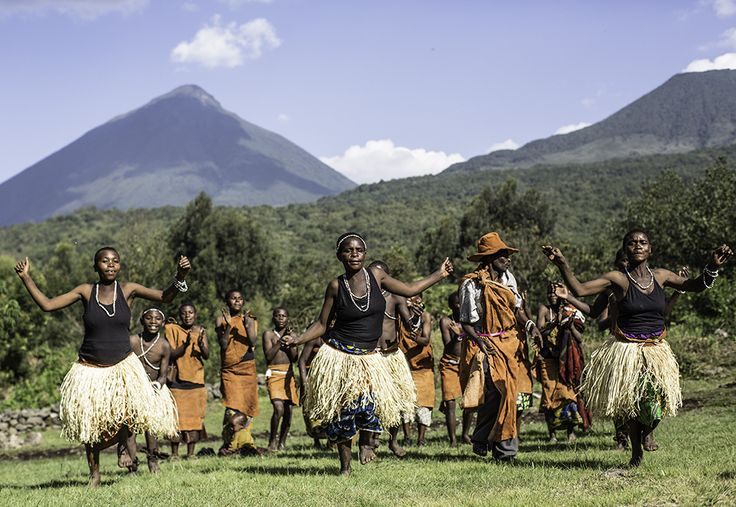
Visitors can participate in activities like traditional dance, cooking, and visiting local villages, fostering a deeper understanding of Rwandan culture.
Genocide memorials
The genocide memorials offer a somber yet important experience, providing insight into Rwanda’s past and its journey of reconciliation.
Sustainability and community empowerment.
Responsible tourism
Rwanda emphasizes sustainable tourism practices, including responsible water management, use of renewable energy, and community-based tourism initiatives.
How many African countries promote ecotourism?
While there isn’t a precise universally agreed–upon number of African countries actively promoting ecotourism, it’s safe to say that many African nations have embraced ecotourism as a key strategy for both conservation and economic development. Several countries are leading the way in this area, while others are actively developing their ecotourism sectors.


