- CONTACT US NOW:
- +256 784 928 080
- info@abundadiscoveriesuganda.com

Why Visit Uganda in 2026?
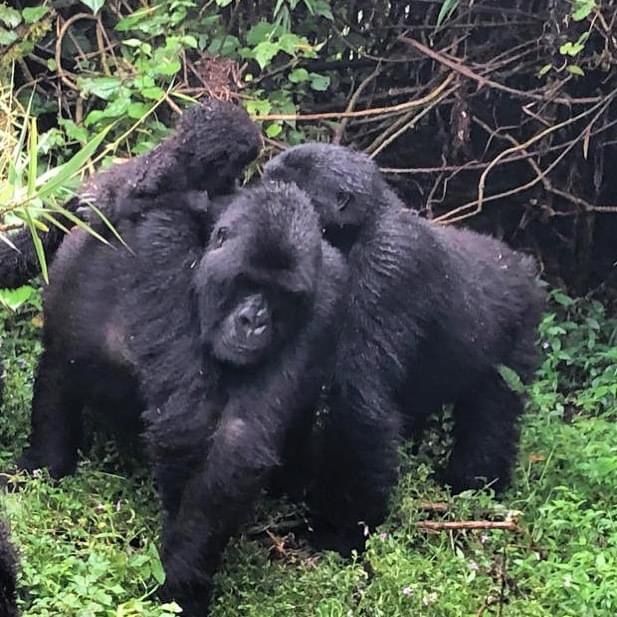
Gorilla trekking benefits and conservation.
August 7, 2025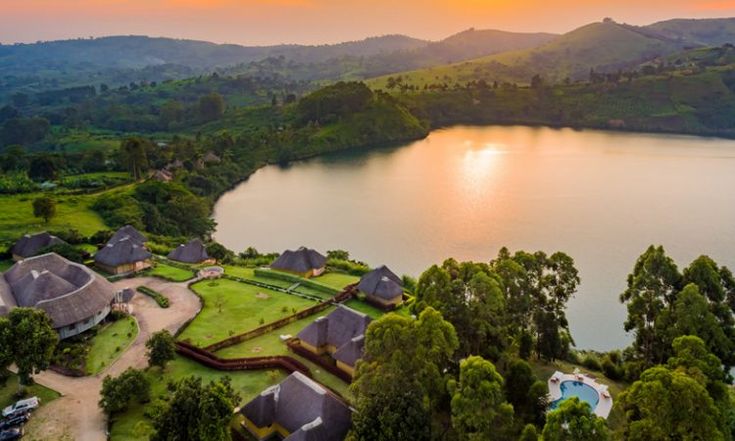
Planning a trip to Africa.
August 7, 2025
As global travel trends continue to shift toward authentic, sustainable, and off-the-beaten-path experiences, Uganda is quickly emerging as one of the most exciting destinations for 2026. Known as the “Pearl of Africa,” Uganda offers a rare blend of wildlife, culture, adventure, and scenery that remains largely untouched and unspoiled by mass tourism. Why Visit Uganda in 2026?
Whether you’re a wildlife enthusiast, cultural traveler, adventure seeker, or simply yearning for something different, Uganda in 2026 is calling. So, what makes Uganda worth visiting in 2026? Let’s explore the reasons in detail.
What Makes Uganda a Unique Travel Destination in 2026?
Uganda stands out as one of Africa’s most biodiverse and welcoming countries. It offers dramatic landscapes, warm-hearted people, and a unique wildlife experience that you can’t find anywhere else.
Key highlights that make Uganda special:
- Home to half of the world’s mountain gorillas
- Over 1,090 bird species – a birder’s paradise
- Source of the River Nile, the world’s longest river
- Diverse ecosystems: rainforests, savannahs, lakes, and volcanoes
- Authentic, crowd-free safari experiences
- Deep cultural heritage with over 50 ethnic groups
By 2026, Uganda is expected to have improved tourism infrastructure and more community-based experiences, making it even more traveler-friendly while preserving its wild charm.
Is Gorilla Trekking Still Worth It in 2026?
Absolutely! Gorilla trekking in Bwindi Impenetrable Forest or Mgahinga Gorilla National Park remains one of the most intimate and awe-inspiring wildlife encounters on the planet. In 2026, the Ugandan government continues its commitment to sustainable and regulated gorilla tourism, ensuring conservation and exceptional visitor experiences. Why Visit Uganda in 2026?
Why choose Uganda over Rwanda or the DRC?
- More gorilla families (over 20 habituated groups)
- Affordable permit prices compared to Rwanda
- Breathtaking scenery in the misty mountains
- Combine gorilla trekking with birding, waterfalls, or cultural visits
If seeing a mountain gorilla up close is on your bucket list, 2026 is the perfect year to make it happen.
Can You Enjoy Classic Safaris in Uganda in 2026?
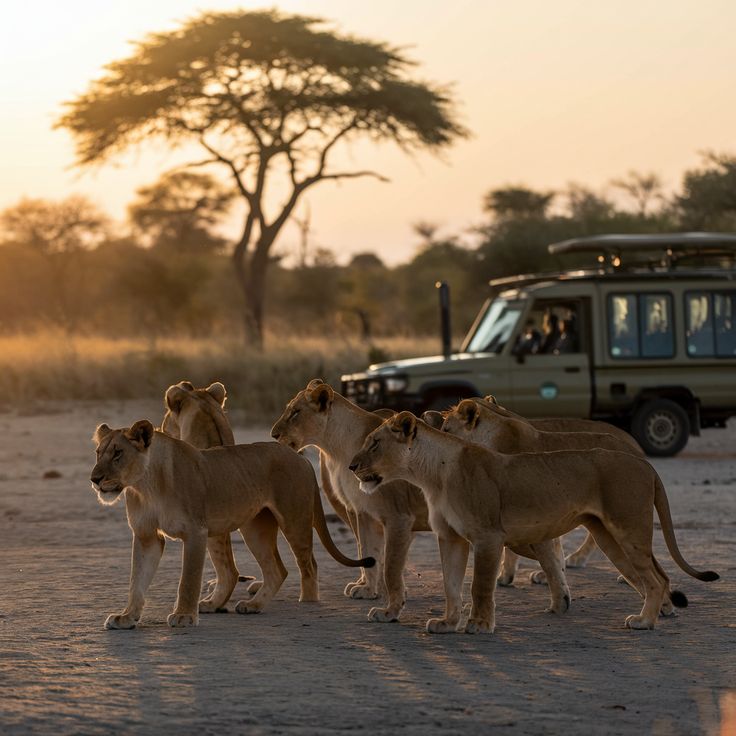
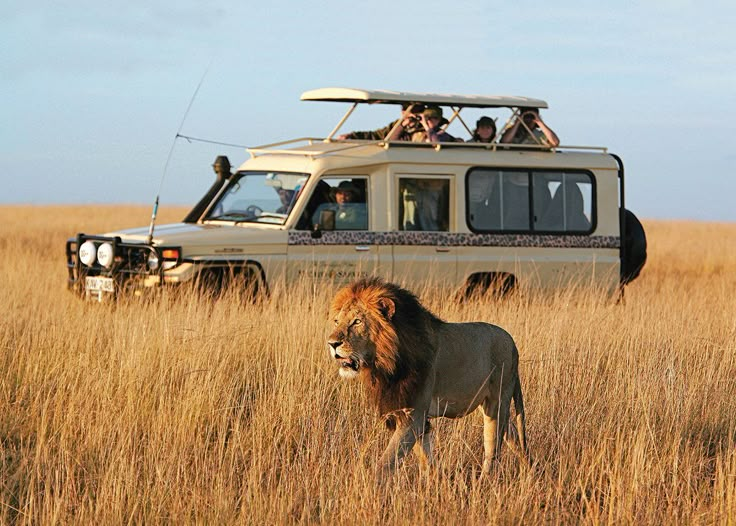
Yes, and they’re spectacular. While Uganda is famous for gorillas, it also offers exceptional savannah safaris in parks like:
- Murchison Falls National Park – See lions, elephants, giraffes, and the mighty Nile waterfall
- Queen Elizabeth National Park – Known for tree-climbing lions and boat safaris along the Kazinga Channel
- Kidepo Valley National Park – A remote gem with untouched wilderness and authentic cultural encounters
What sets Uganda apart from more commercial safari destinations is the intimacy and rawness of the experience. No crowds. Just you, your guide, and Africa in its purest form. Why Visit Uganda in 2026?
What Cultural Experiences Await in Uganda in 2026?
Uganda boasts over 50 ethnic groups, each with its own language, customs, and traditional practices. In 2026, cultural tourism is on the rise, with many communities offering authentic and respectful cultural experiences. Why Visit Uganda in 2026?
Top cultural highlights:
- Batwa cultural trail – Learn from the forest-dwelling Batwa near Bwindi
- Karamojong homesteads – Discover the proud warrior culture in northeastern Uganda
- Buganda Kingdom heritage – Visit the Kasubi Tombs and royal sites in Kampala
- Local dance performances, craft workshops, and homestays
These experiences give travelers a deeper understanding of Uganda’s rich identity and help support local economies directly.
What Adventure Activities Are Available in Uganda in 2026?
Adventure travelers will find Uganda irresistible in 2026. The country’s geography lends itself to a wide array of outdoor and adrenaline-pumping activities, including:
- White-water rafting on the Nile in Jinja
- Mountain climbing in the Rwenzori or the Virunga Volcanoes
- Hiking and nature walks in national parks like Mount Elgon and Sipi Falls
- Ziplining, kayaking, tubing, and bungee jumping in adventure hubs
With improved safety protocols and trained local guides, Uganda’s adventure sector will be even more accessible and thrilling in 2026.
Is Uganda a Safe and Accessible Destination in 2026?
Uganda has consistently been ranked as a safe country for tourists, especially in the national parks and major travel routes. In 2026, efforts from the Uganda Tourism Board and partnerships with conservation organizations continue to ensure visitor safety, health, and responsible tourism.
Recent improvements include:
- Upgraded roads to major parks and attractions
- Better visitor facilities in parks and reserves
- Increase in eco-lodges and boutique accommodations
- Streamlined e-visa processes for international travelers
Plus, Ugandans are renowned for their hospitality and friendliness, making visitors feel welcome wherever they go.
When Is the Best Time to Visit Uganda in 2026?
Uganda is a year-round destination, but the dry seasons are the most favorable for travel:
- June to September – Ideal for gorilla trekking and safaris
- December to February – Great for birding and wildlife viewing
However, the wet seasons (March–May and October–November) bring lush landscapes, fewer tourists, and excellent photography opportunities—perfect for off-season travelers.
What Makes 2026 the Right Time to Visit Uganda?
Uganda in 2026 offers the perfect mix of improved infrastructure, sustainable tourism, and pristine nature. With major travel trends moving toward conscious and meaningful travel, Uganda provides exactly what modern explorers seek:
- Unspoiled wilderness without the tourist crowds
- Close animal encounters not possible in many countries
- Direct engagement with local cultures
- Affordability and value for money compared to more commercialized African destinations
It’s no longer the hidden gem of Africa—it’s a rising star. And 2026 is your opportunity to experience it before it gets too popular.
Why Should You Choose Uganda for Your 2026 Adventure?
If you’re planning your next big adventure, make Uganda your top pick for 2026. Whether you want to trek through ancient rainforests, cruise alongside hippos on the Nile, climb volcanic peaks, or meet the warm communities that call Uganda home, this East African treasure delivers it all.
In a world chasing authenticity, Uganda offers something rare: an unfiltered Africa full of life, color, and connection. By visiting in 2026, you become part of its story—one of conservation, community, and incredible beauty.