- CONTACT US NOW:
- +256 784 928 080
- info@abundadiscoveriesuganda.com

What Can I Expect from a Safari in Uganda?

How do I select a reliable tour operator in Uganda?
May 15, 2025
How Safe Is Rwanda for Tourists?
May 15, 2025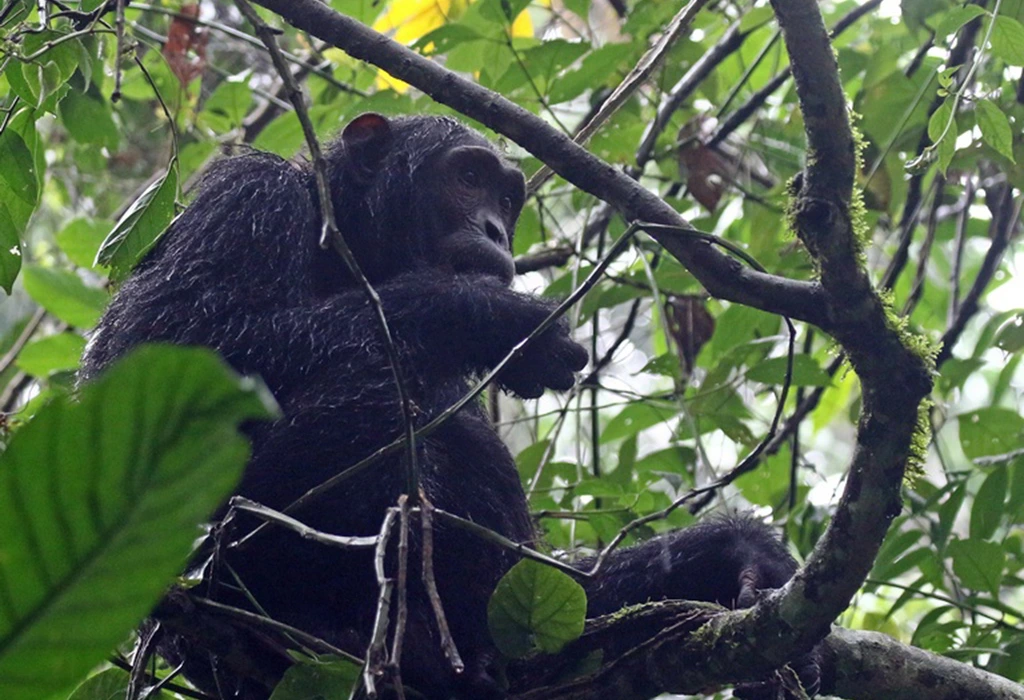
Uganda, often referred to as the “Pearl of Africa,” is one of the most captivating safari destinations on the continent. With its remarkable biodiversity, breathtaking landscapes, and a range of immersive wildlife experiences, a safari in Uganda offers a once-in-a-lifetime opportunity to explore the heart of East Africa. What Can I Expect from a Safari in Uganda?
Whether you’re planning your first trip or are a seasoned safari-goer, this in-depth guide will answer the most commonly searched questions about Ugandan safaris, helping you prepare for an unforgettable adventure.
What Wildlife Can I See on a Safari in Uganda?
One of the most common questions travelers ask is, “What animals will I see in Uganda?” Uganda boasts an incredibly diverse range of wildlife thanks to its varied ecosystems that span from savannah to tropical rainforest.
You can expect to encounter:
- The Big Five: Lions, elephants, buffaloes, leopards, and rhinos (Ziwa Rhino Sanctuary is a key spot for rhino sightings)
- Tree-climbing lions in Queen Elizabeth National Park
- Chimpanzees in Kibale Forest National Park
- Hippos and crocodiles in the Kazinga Channel
- Rare Rothschild’s giraffes in Murchison Falls National Park
- Over 1,000 bird species, including the elusive shoebill stork
Uganda is one of the few countries in the world where you can combine classic savannah game drives with primate tracking in the forest, offering a unique blend of safari experiences.
Where Can I Go Gorilla Trekking in Uganda?
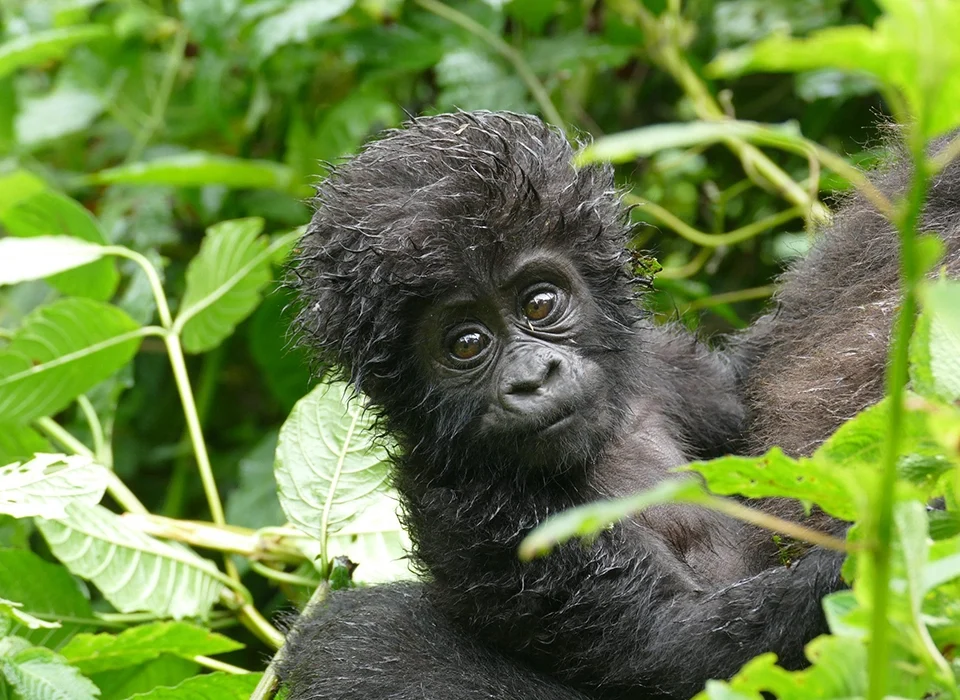
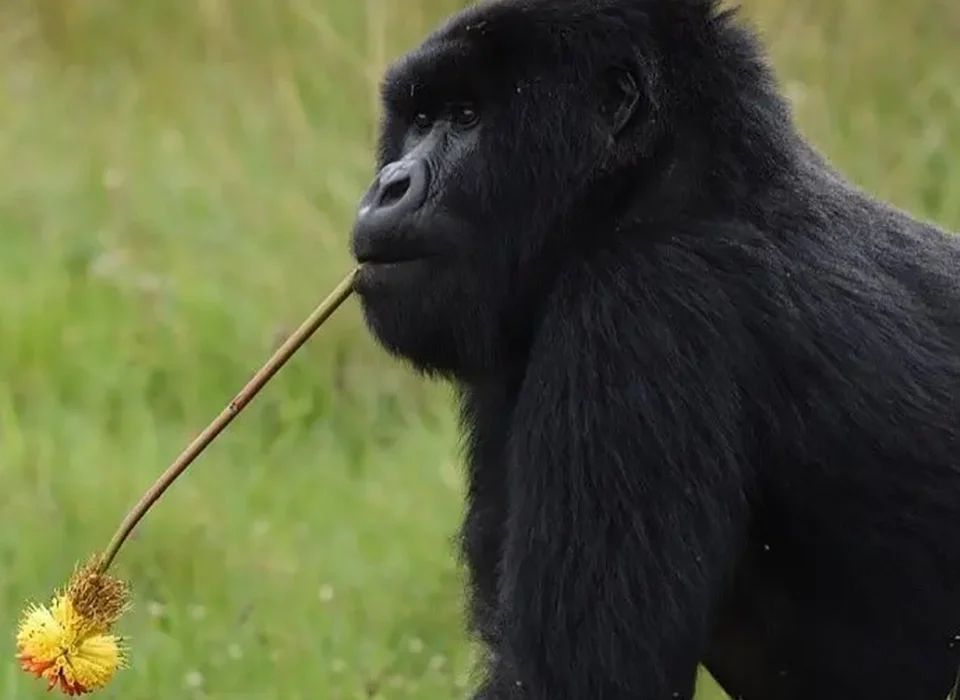
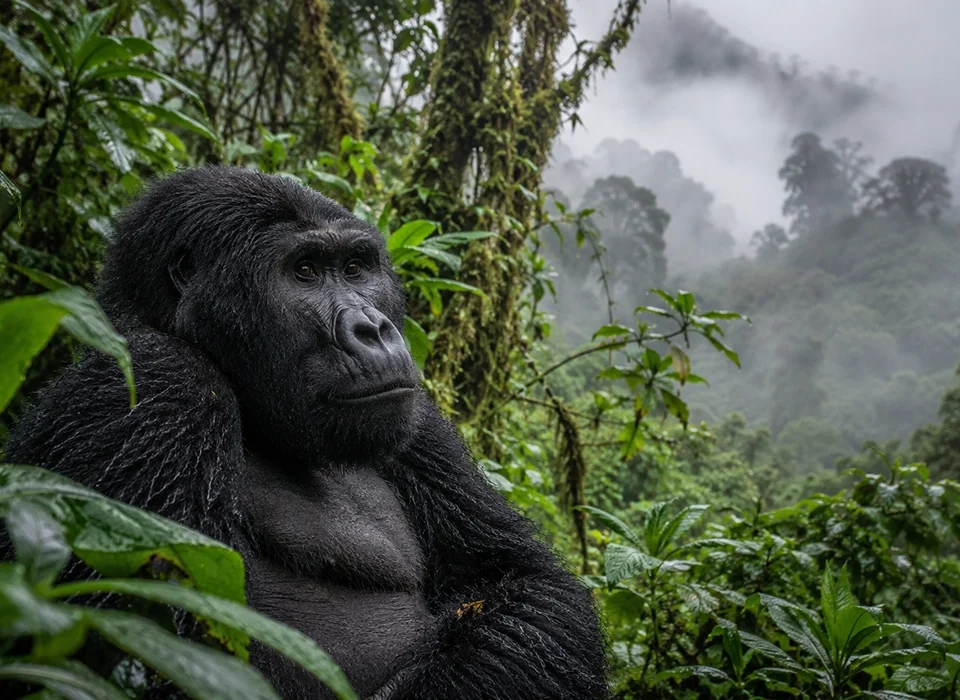
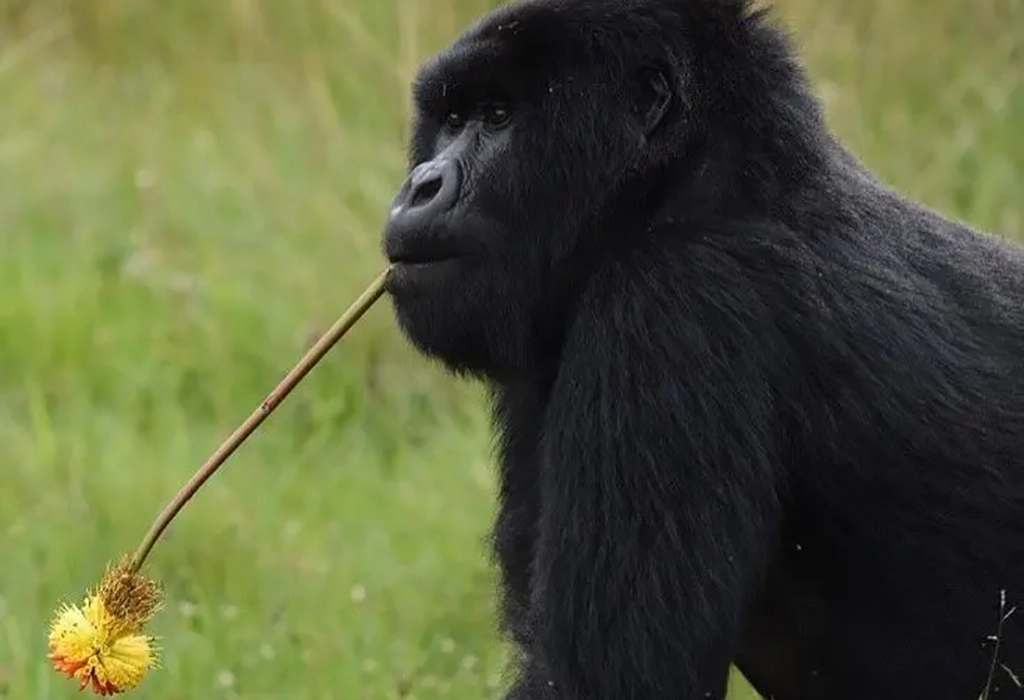
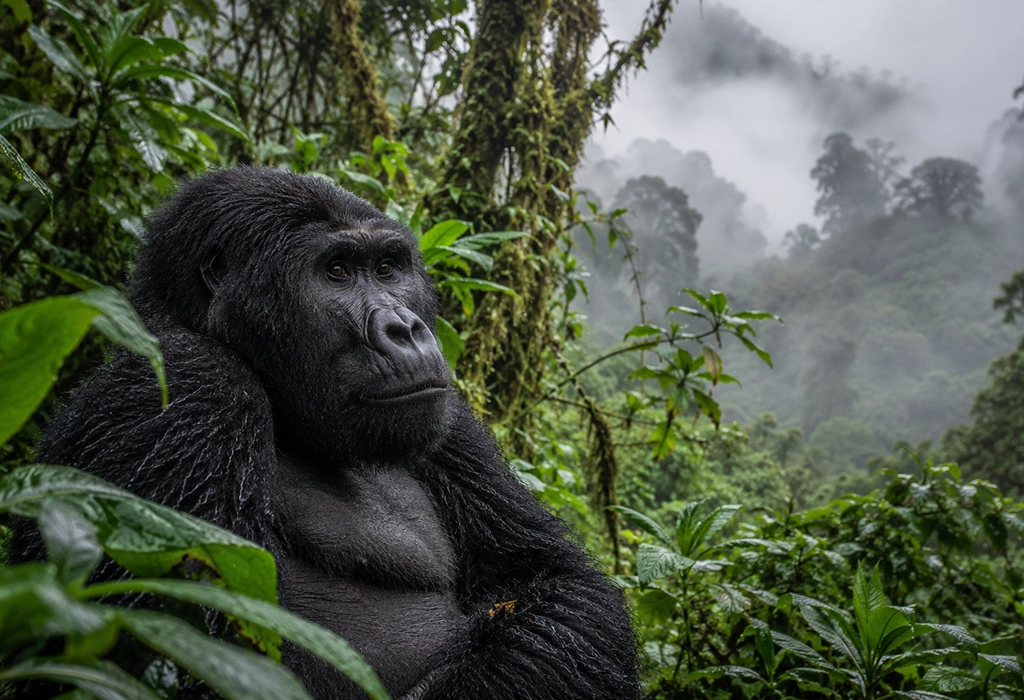
Gorilla trekking is the crown jewel of any safari in Uganda. The country is home to over half the world’s remaining mountain gorilla population, and visitors have the rare chance to observe these gentle giants in their natural habitat.
The top two destinations for gorilla trekking in Uganda are:
- Bwindi Impenetrable National Park: This UNESCO World Heritage Site is the most popular gorilla trekking destination in the country, with several habituated gorilla families and four main trailheads.
- Mgahinga Gorilla National Park: Located in the southwestern corner of Uganda, this smaller park also offers an intimate gorilla trekking experience, along with the chance to spot golden monkeys.
Gorilla trekking permits currently cost around $800 per person, and it is advisable to book several months in advance due to limited availability.
What Are the Best National Parks to Visit in Uganda?
Uganda features ten national parks, each offering distinct landscapes and wildlife experiences. The most popular parks for safari-goers include:
- Murchison Falls National Park: Known for the dramatic Murchison Falls where the Nile River bursts through a narrow gorge, the park is also rich in wildlife including giraffes, lions, and hippos.
- Queen Elizabeth National Park: Famous for its tree-climbing lions and the Kazinga Channel, which hosts large pods of hippos and diverse birdlife.
- Kibale National Park: The best place in East Africa for chimpanzee tracking. It also supports 12 other primate species.
- Bwindi Impenetrable National Park: Primarily known for gorilla trekking but also rich in birdlife and forest scenery.
- Lake Mburo National Park: Ideal for short safaris and home to zebras, impalas, and elands.
Each park offers a different experience, making it worthwhile to combine visits to two or more locations during your trip.
What Safari Activities Are Available in Uganda?
Uganda offers a broader range of safari activities compared to other African destinations. Visitors can expect a mix of the following:
- Game Drives: Traditional safaris conducted in 4×4 vehicles across savannah plains, particularly rewarding in Murchison Falls and Queen Elizabeth National Parks.
- Boat Safaris: A standout experience in Uganda. The Kazinga Channel and the Nile River offer excellent wildlife viewing from the water.
- Walking Safaris: Available in parks like Lake Mburo, these guided walks provide a more intimate view of the ecosystem.
- Birdwatching Tours: With over 1,000 species recorded, Uganda is a birdwatcher’s paradise.
- Chimpanzee Tracking: Available in Kibale, Kyambura Gorge, and Budongo Forest.
- Cultural Encounters: Meet local communities, learn about traditional crafts, dances, and ways of life through community tourism initiatives.
What Is the Best Time of Year to Visit Uganda for a Safari?
The best time to visit Uganda for a safari is during the dry seasons:
- December to February
- June to September
These months offer the best wildlife viewing opportunities as animals are more likely to congregate around water sources. Trails are also less muddy and more accessible for trekking activities.
The rainy seasons (March–May and October–November) can make travel and trekking more difficult, but they also offer lush scenery and fewer tourists, which may appeal to travelers seeking a quieter experience.
What Should I Pack for a Safari in Uganda?
Packing correctly is crucial for a successful safari. Here’s what you should include: What Can I Expect from a Safari in Uganda?
- Clothing: Lightweight, breathable clothes in neutral colors. Avoid bright colors and camouflage. Pack warm layers for cooler nights.
- Footwear: Waterproof hiking boots for trekking and comfortable sandals or sneakers for general use.
- Health Essentials: Insect repellent, sunscreen, a personal first-aid kit, and prescription medications.
- Documents: Passport, visa (can be obtained online), vaccination certificate (especially yellow fever), and travel insurance documents.
- Accessories: Binoculars, a camera with zoom lens, sunglasses, wide-brimmed hat, and reusable water bottles.
How Much Does a Safari in Uganda Cost?
The cost of a Ugandan safari varies depending on your travel style and the activities you choose. On average:
- Budget safaris: $100 to $200 per day
- Mid-range safaris: $200 to $350 per day
- Luxury safaris: $500+ per day
Gorilla trekking permits cost $800 per person, while chimpanzee tracking permits are around $250. Park entrance fees range from $40 to $50 per day for foreign non-residents.
Accommodation prices can vary widely based on location, season, and level of comfort.
What Accommodation Options Are Available on Safari?
Uganda offers a broad range of accommodation options to suit all budgets:
- Luxury Lodges: Upscale lodges like Sanctuary Gorilla Forest Camp or Nile Safari Lodge offer world-class service, gourmet cuisine, and beautiful settings.
- Mid-range Lodges: Comfortable accommodations with en-suite bathrooms, hot showers, and good food.
- Budget Lodges and Campsites: Basic but clean accommodations, often run by local communities.
Many lodges are eco-friendly and designed to blend in with the surrounding landscapes, enhancing your immersion in the natural environment. What Can I Expect from a Safari in Uganda?
Is Uganda Safe for Tourists on Safari?
Uganda is generally safe for tourists, especially in well-established safari regions. However, travelers should remain vigilant and follow these safety tips:
- Use a reputable tour operator.
- Avoid traveling at night.
- Keep valuables secure and avoid displaying expensive items in public.
- Be cautious when using public transport or walking alone in urban areas.
- Ensure you have comprehensive travel insurance covering medical evacuation.
Stay updated on travel advisories from your government, particularly concerning areas near borders with South Sudan or the Democratic Republic of Congo.
Is a Safari in Uganda Worth It?
Absolutely. A safari in Uganda offers a rare and rewarding experience that combines the thrill of wildlife viewing with deep cultural connections and scenic beauty. Whether you are trekking mountain gorillas in Bwindi, cruising the Nile at sunset, or observing lions on a savannah, Uganda delivers unforgettable moments.
If you’re looking for a less commercialized, more authentic safari experience with a wide range of activities—from primate tracking to bird watching and cultural encounters—Uganda should be at the top of your travel list. What Can I Expect from a Safari in Uganda?