- CONTACT US NOW:
- +256 784 928 080
- info@abundadiscoveriesuganda.com

What are the major attractions in Uganda and Rwanda?
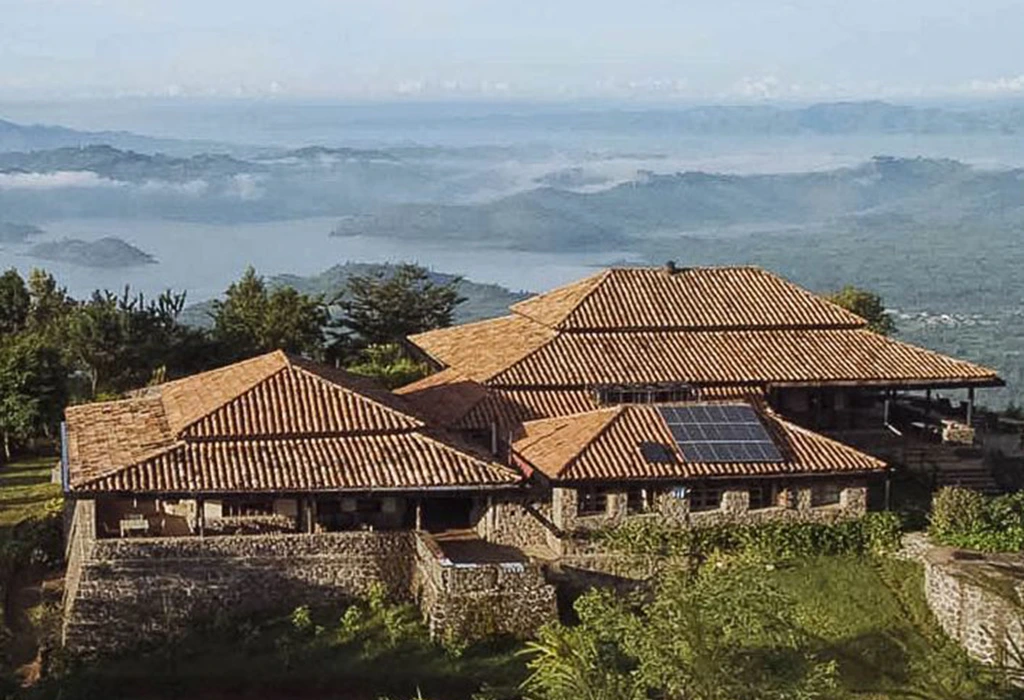
What type of accommodation can I expect on a Rwanda tour?
May 15, 2025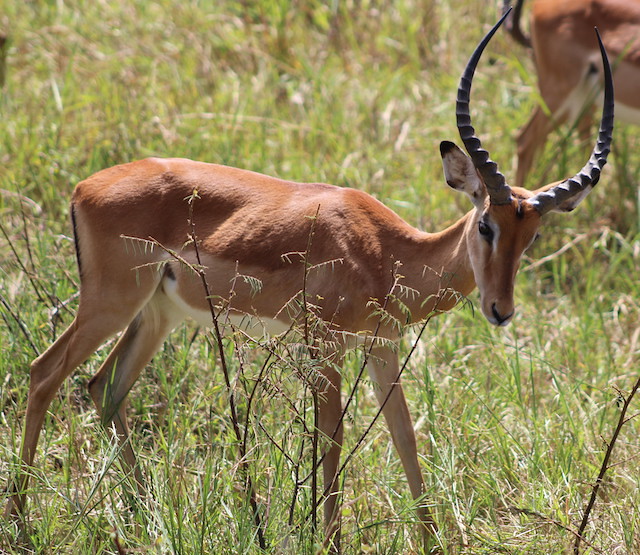
Akagera safari tours.
May 16, 2025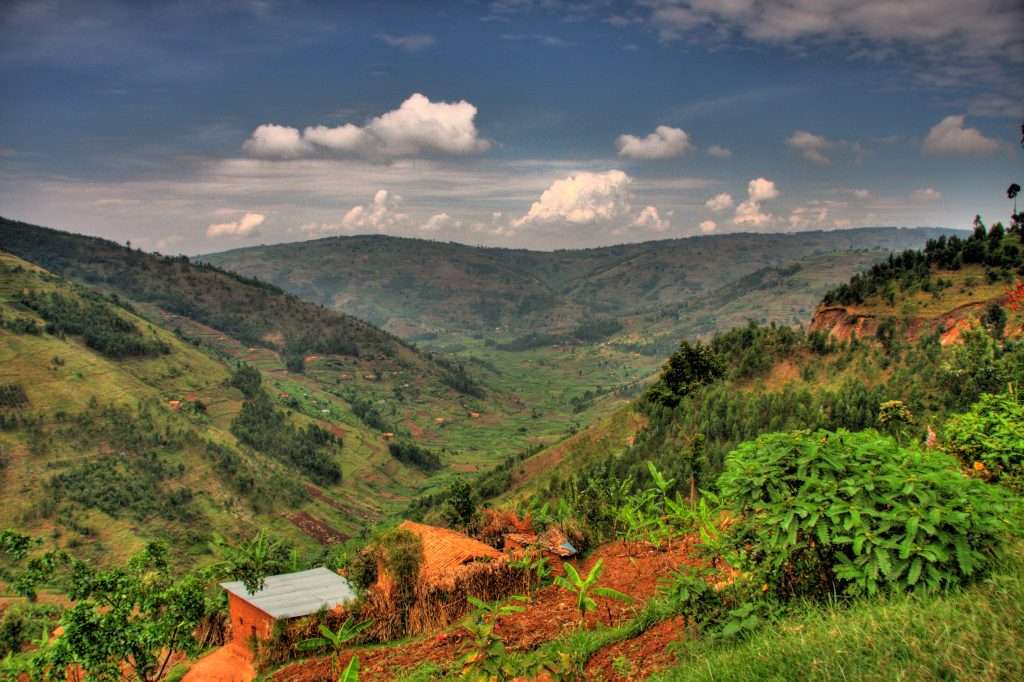
What are the major attractions in Uganda and Rwanda?
What are the major attractions in Uganda and Rwanda? With national parks, wildlife encounters, and cultural sites as highlights, Uganda and Rwanda offer a wide range of attractions. Gorilla trekking is available in Uganda’s Bwindi Impenetrable National Park, while wildlife safaris are the specialty of Queen Elizabeth National Park. Another popular destination for gorilla trekking is Rwanda’s Volcanoes National Park, while wildlife safaris are offered at Akagera National Park. The capital of Rwanda, Kigali, is a well-liked vacation spot with museums and other cultural attractions.
Attractions in Uganda
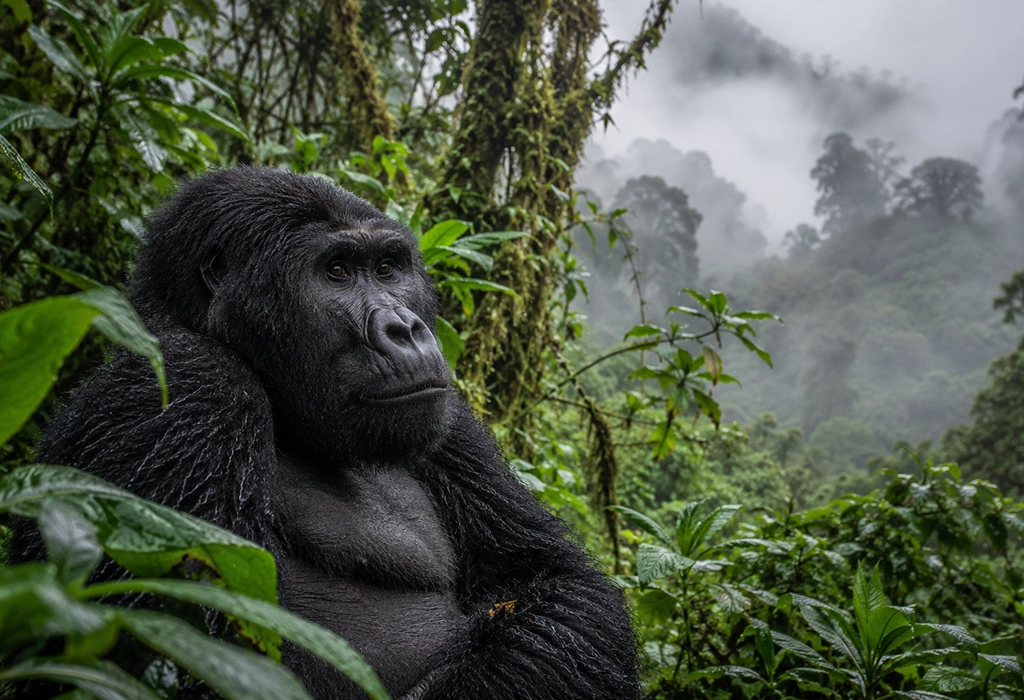
Gorilla Trekking
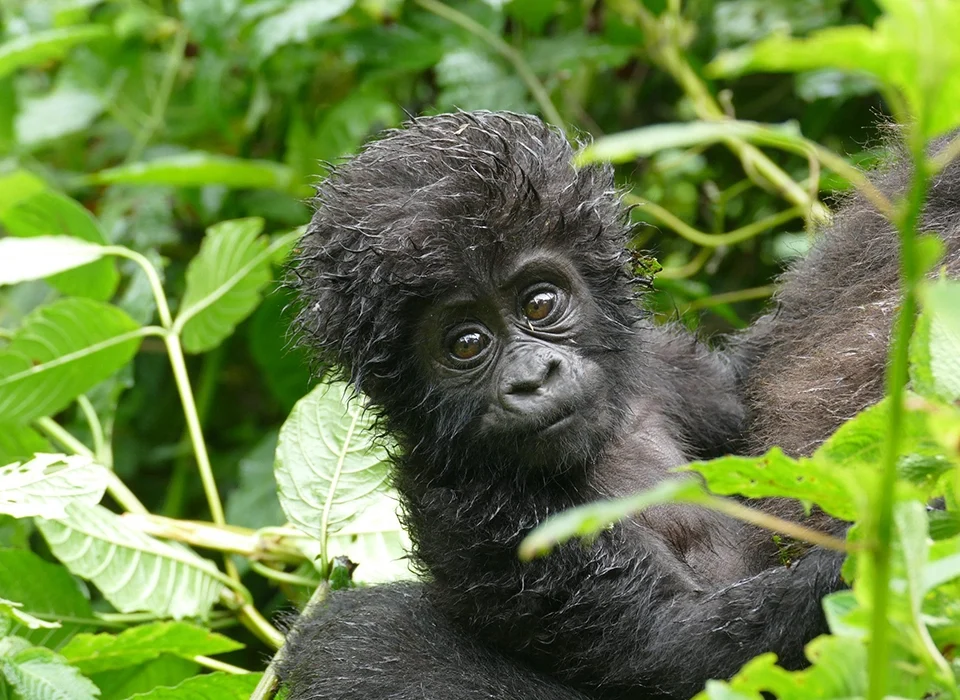
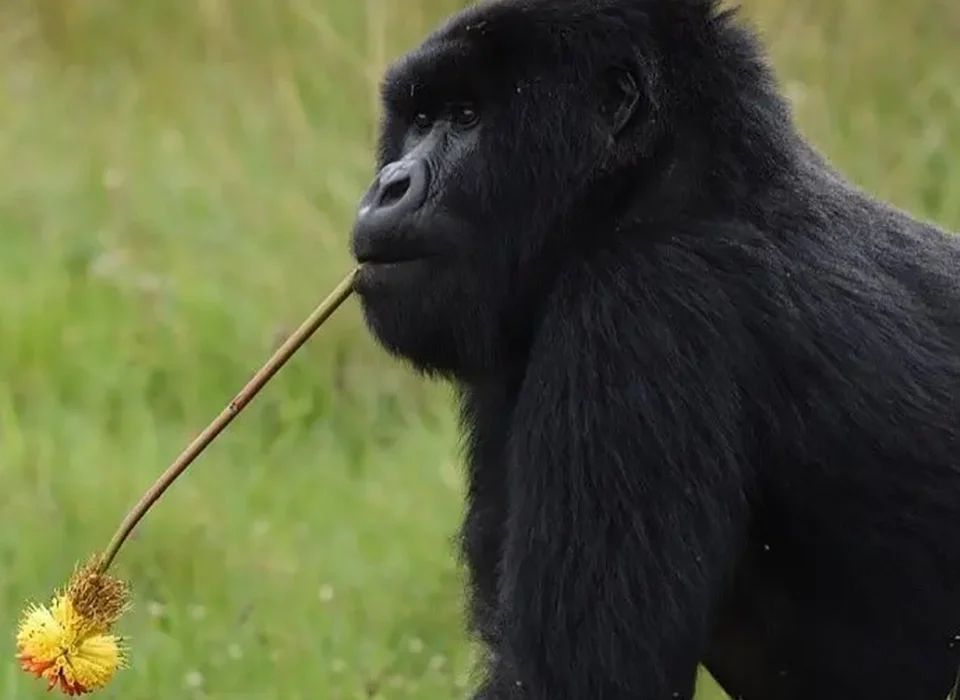
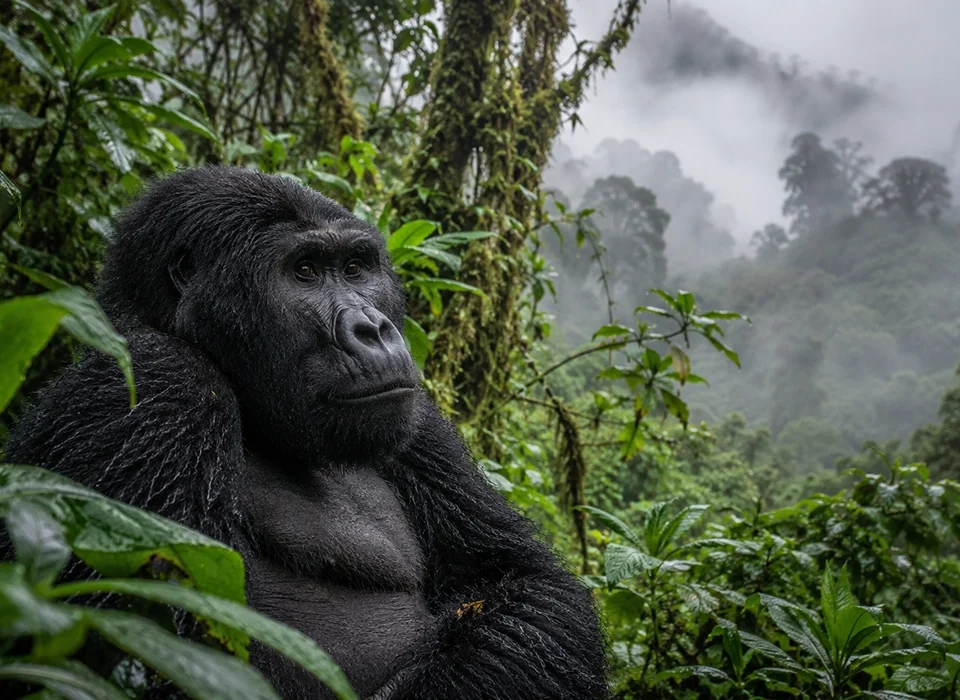
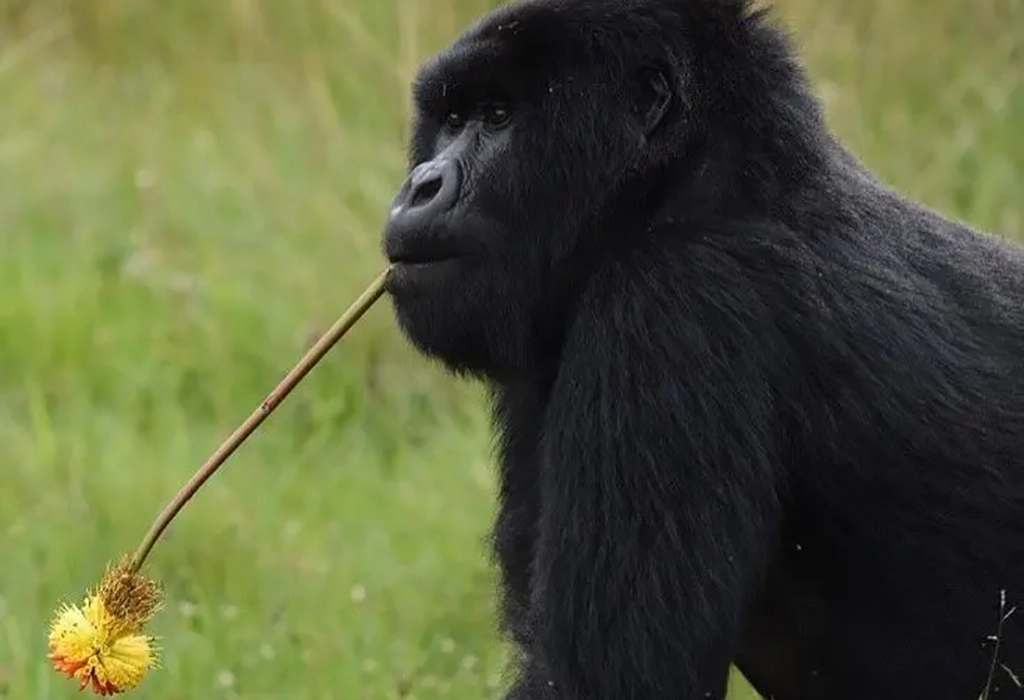
Mgahinga Gorilla National Park and Bwindi Impenetrable National Park are well-known for their gorilla populations.
Wildlife Safaris
A variety of wildlife watching possibilities are available in Queen Elizabeth National Park, Murchison Falls National Park, and Kidepo Valley National Park.
Kibale national park
The major reason for Kibale National Park’s fame is chimpanzee trekking. There are several chimpanzees kept there, which draws.
Lake Bunyonyi, Rwenzori Mountains National Park, and Lake Mburo National Park are additional well-liked travel locations.
Rwanda attractions
Volcanoes national park
Gorilla trekking is also quite popular in Volcanoes National Park.
Akagera National Park
Provides a variety of birds and wildlife excursions
Nyungwe Forest National Park
Is well-known for its birdlife and chimpanzee trekking.
Lake kivu
Water sports and natural beauty may be found in Lake Kivu.
Kigali
The capital of Rwanda, home to cultural landmarks, museums such as the Kigali Genocide Memorial, and contemporary infrastructure.
How is Uganda and Rwanda similar in terms of location?
There are many similarities between Uganda and Rwanda in terms of geography and language. Rwanda is similar to several of the hills in south-western Uganda. Both nations can enjoy the milder temperature and volcanic peaks of the Virungas. Lake Mburo National Park in Uganda is similar to Rwanda’s Akagera National Park.
Which is the name of the Rwandan-Uganda border?
Post at the Gatuna or Katuna Border
The border post is the point of entry for people and products traveling from Uganda to Rwanda and vice versa. In Rwanda, it is known as Gatuna, and in Uganda, as Katuna. The majority of cargo traveling from Kenya to Rwanda crosses the Gatuna border.
What is Uganda’s tourist industry renowned for?
Game viewing is the most liked tourist activity in the country’s national parks. This is because the country has many of game, including the rare tree-climbing lions of Ishasha, white rhinoceros, and elephant and it is home to 11% of the world’s bird species a total of 1,060 bird species.
What is the name of one Ugandan tourist destination?
The richness of the Queen Elizabeth National Park region contributes to its popularity as a tourist attraction in Uganda. The protected area has a variety of ecosystems that are home to a wide variety of species, including savanna grasslands, woods, wetlands, and many lakes.
Which is a better destination Rwanda or Uganda?
Uganda and Rwanda are regarded as safe travel destinations. However, Rwanda’s greater reputation for political stability and infrastructure makes it the safer option. Although Uganda is secure, it’s a good idea to keep up with any travel warnings.
Which city is the most popular tourist attraction in Uganda?
The phrase “Tourist City of Uganda” is commonly used in Ugandan contexts to describe Fort Portal. The “Portal to Adventure” is a well-liked vacation spot because of its close proximity to several attractions, including as Lake George, Semliki National Park, and Mgahinga Gorilla National Park. Since Kampala is the country’s capital and Entebbe is the location of its international airport, both cities are popular tourist attractions in Uganda.
Why is Rwanda referred to as the Thousand Hills?
The stunning beauty of Rwanda has earned it the nickname “land of a thousand hills.” This is due to the country’s preponderance of undulating, interconnecting hills.
What is the name of the volcano in Rwanda?
The most often mentioned volcano in Rwanda is Mount Karisimbi. The Virunga Mountains, which form the boundary between Rwanda and the Democratic Republic of the Congo, are home to the tallest volcano in the region. Additionally, Rwanda’s highest peak is Mount Karisimbi.
Which volcano is situated between Rwanda and Uganda?
Muhavura is an extinct volcano in east central Africa, at the easternmost extremity of the Virunga Mountains. It is located on the border between Rwanda and Uganda, northeast of Lake Kivu.
Which river is between Rwanda and Uganda?
Part of the upper headwaters of the Nile, the Kagitumba River runs along the Rwandan-Ugandan border. Kagitumba is the name of the last portion of the Muvumba River before it empties into the Akagera River. Situated on the northeastern point of Rwanda, the river is just 39 kilometers (24 miles) long.