- CONTACT US NOW:
- +256 784 928 080
- info@abundadiscoveriesuganda.com

Birding Photography in Uganda
Where to Go for Gorilla Safari in 2026–2027
June 12, 2025
How to Plan a Filming Safari in Uganda
June 13, 2025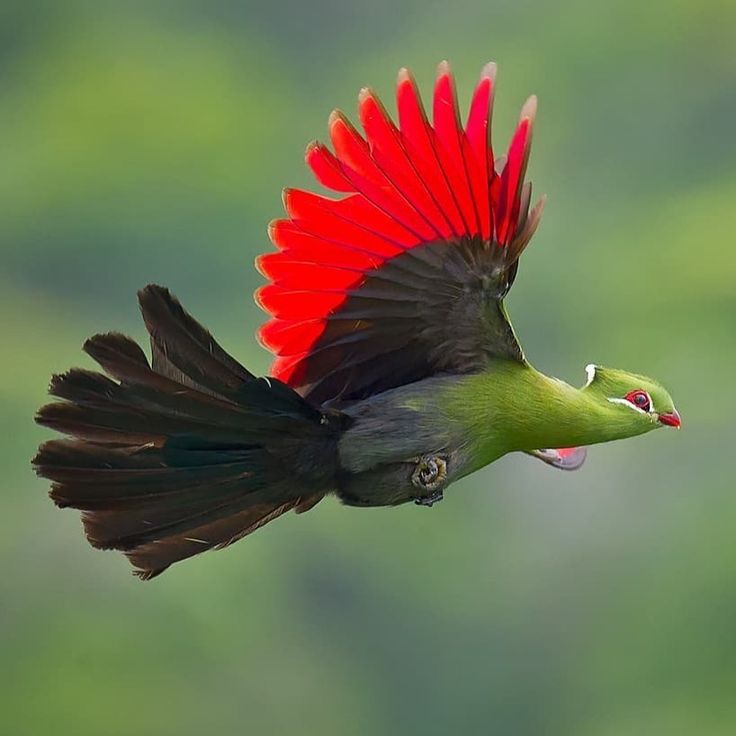
Uganda is a dream destination for birding photography, offering unmatched diversity in bird species, vibrant ecosystems, and favorable weather year-round. With over 1,090 bird species recorded, including some of Africa’s most sought-after endemics, Uganda is recognized as one of the best birding destinations in the world.
But birding in Uganda is not just about checking names off a list. It’s about capturing stunning visuals of hornbills in flight, shoebills in their swampy domains, and dazzling sunbirds feeding among mountain flowers. Whether you are a seasoned bird photographer or a beginner with a growing interest in avian imagery, Uganda has everything you need to create captivating wildlife content.
Why Choose Uganda for Birding Photography?
Uganda offers a unique combination of habitats that make it a hotspot for bird photography. From lowland rainforests and highland montane forests to wetlands, savannahs, and Albertine Rift escarpments, the variety of ecosystems is staggering.
Here are some reasons why Uganda stands out:
- Over 1,090 bird species in a relatively small geographic area
- Endemic species including the Rwenzori Turaco, Green-breasted Pitta, and Fox’s Weaver
- Iconic birds like the Shoebill Stork and African Fish Eagle
- Photogenic landscapes from Lake Victoria to the Rwenzori Mountains
- Professional birding guides with deep local knowledge
- Year-round opportunities, with excellent light and favorable weather most months
Best Birding Photography Destinations in Uganda
Here are the top birding spots in Uganda where photographers can expect high species diversity, good visibility, and prime photo opportunities.
Mabamba Bay Wetland
Just a short drive from Entebbe, Mabamba Swamp is one of the best places in the world to photograph the elusive Shoebill Stork. This prehistoric-looking bird stands up to 5 feet tall and is best seen by canoe, allowing for slow and quiet movement through its papyrus swamp habitat.
- Shoebill in natural wetland environment
- Malachite and Pied Kingfishers
- African Jacanas walking on lily pads
Best time to visit: Early morning, year-round
Bwindi Impenetrable National Park
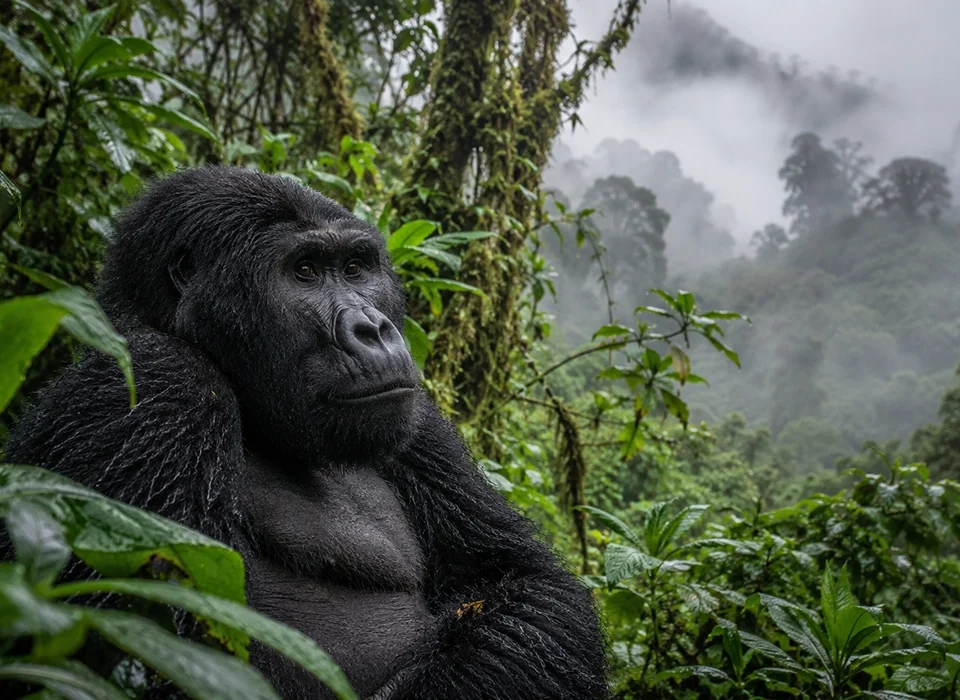
Known for gorilla trekking, Bwindi is also a paradise for forest bird photography. It is home to 23 Albertine Rift endemics and over 350 bird species in total.
Photo Highlights:
- African Green Broadbill
- Grauer’s Warbler
- Black Bee-eaters
- Beautiful forest backdrops and misty morning light
Best photo zones: Buhoma and Ruhija sectors
Queen Elizabeth National Park
With over 600 bird species, Queen Elizabeth is one of the most diverse birding areas in East Africa. From open savannah to crater lakes and wetlands, it provides versatile bird photography opportunities.
Photo Highlights:
- African Fish Eagles catching prey
- Grey-crowned Cranes in open plains
- Colorful rollers and hornbills on tree perches
- Waterbirds along the Kazinga Channel
Ideal times: Morning and evening boat rides, dry seasons
Semuliki National Park
Semuliki is a tropical lowland forest and one of Uganda’s most unique birding destinations, offering West African species not seen elsewhere in East Africa.
Photo Highlights:
- White-crested Hornbill
- Nkulengu Rail
- Piping Hornbill
- Dense rainforest scenes with high canopy birds
Photography tip: Use high ISO and wide aperture due to dense shade
Kibale Forest National Park
While famous for chimpanzees, Kibale is excellent for photographing forest birds, especially during fruiting seasons.
Photo Highlights:
- African Grey Parrot
- Narina Trogon
- Great Blue Turaco
- Sunbirds and butterflies near the forest edge
Extra tip: Combine with Bigodi Wetland for additional shots
Murchison Falls National Park
Murchison Falls offers an excellent blend of savannah, river, and woodland bird photography. The Nile provides perfect framing for aquatic birds and dramatic scenes near the falls.
Photo Highlights:
- Goliath Heron
- Saddle-billed Stork
- Shoebill in the Delta area
- Birds of prey in action
Photography advantage: Golden hour light over the savannah and water
What Gear Should You Bring for Bird Photography in Uganda?
To get the most out of your trip, consider the following photography equipment:
- Camera Body: DSLR or mirrorless with fast autofocus and good ISO performance
- Lenses:
- 100–400mm or 200–600mm telephoto zoom for bird close-ups
- Wide-angle lens for habitat and landscape shots
- Fast prime (e.g., 300mm f/2.8) for forest birds
- Tripod or Monopod: For stability during long sessions
- Rain cover: Weather is unpredictable in forest zones
- Extra batteries and memory cards
When Is the Best Time for Birding Photography in Uganda?
Uganda is a year-round destination, but bird photography is especially productive in the dry seasons:
- December to February
- June to August
These periods offer clearer trails, better light, and less foliage, improving visibility for forest birding.
Migratory species can also be seen from November to April, adding more variety for photographers.
Tips for Birding Photography in Uganda
- Start early: Birds are most active and light is best in the early morning.
- Use a local guide: They can identify species quickly and help you find good angles.
- Stay quiet and still: Movement and noise can scare off your subjects.
- Focus on behavior: Capturing birds feeding, flying, or interacting makes for dynamic images.
- Use burst mode: Increase your chance of catching the perfect wing spread or catch.
Combine Birding with Other Experiences
Uganda allows you to combine world-class bird photography with other iconic experiences:
- Gorilla trekking in Bwindi
- Chimpanzee photography in Kibale
- Wildlife photography in Queen Elizabeth and Murchison Falls
- Cultural photography in local communities
This variety ensures you return home with a diverse and memorable photo portfolio.
Conservation and Ethics
Always follow ethical bird photography practices:
- Do not bait or disturb nests.
- Avoid flash photography in dense forests.
- Respect local guidelines and park rules.
- Support local guides and communities contributing to bird conservation.
By photographing responsibly, you contribute to the long-term preservation of Uganda’s birdlife.
Final Thoughts
Uganda is not just a great destination for birders it is a paradise for bird photographers. The diversity of species, accessibility of habitats, and expert local guides make it a top choice for both amateur and professional photographers. Whether you’re searching for the legendary Shoebill or aiming to capture sunbirds in golden light, Uganda offers endless opportunities for breathtaking bird photography in natural, wild environments.
If you’re planning a bird photography trip to Uganda between 2025 and 2027, now is the perfect time to start organizing permits, guides, and accommodation. Would you like a customized birding photography itinerary? Let us know and we can help you design a tailored trip to maximize both your sightings and your photos.