- CONTACT US NOW:
- +256 784 928 080
- info@abundadiscoveriesuganda.com

Why Bwindi Is a Great Place to Go Gorilla Trekking
Gorilla Tracking Rules & Regulations
February 21, 2026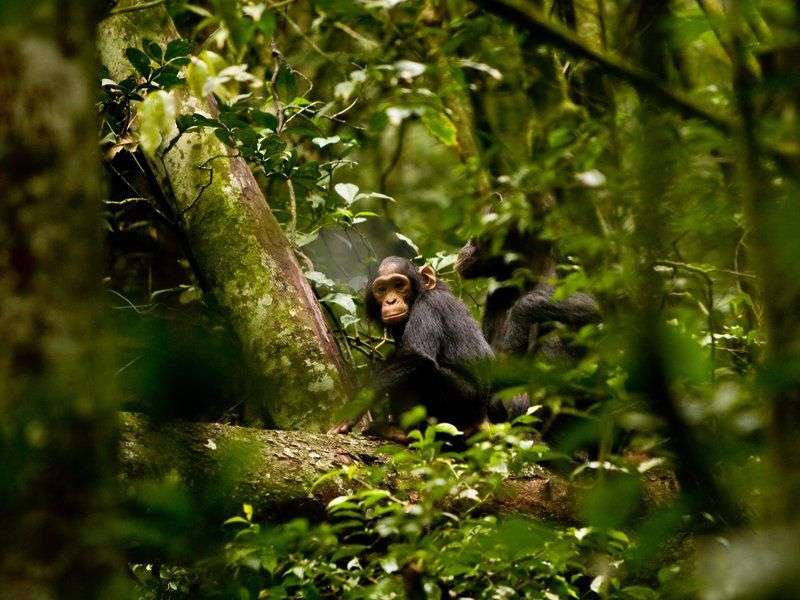
Tracking Chimpanzees in Kalinzu Forest
February 21, 2026
Why Bwindi Is a Great Place to Go Gorilla Trekking
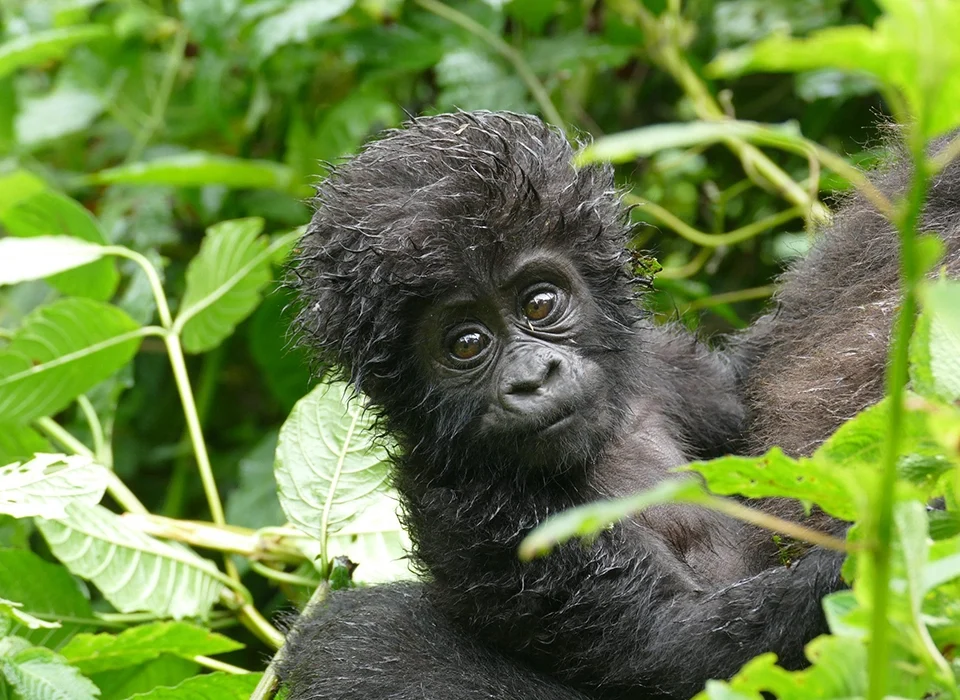
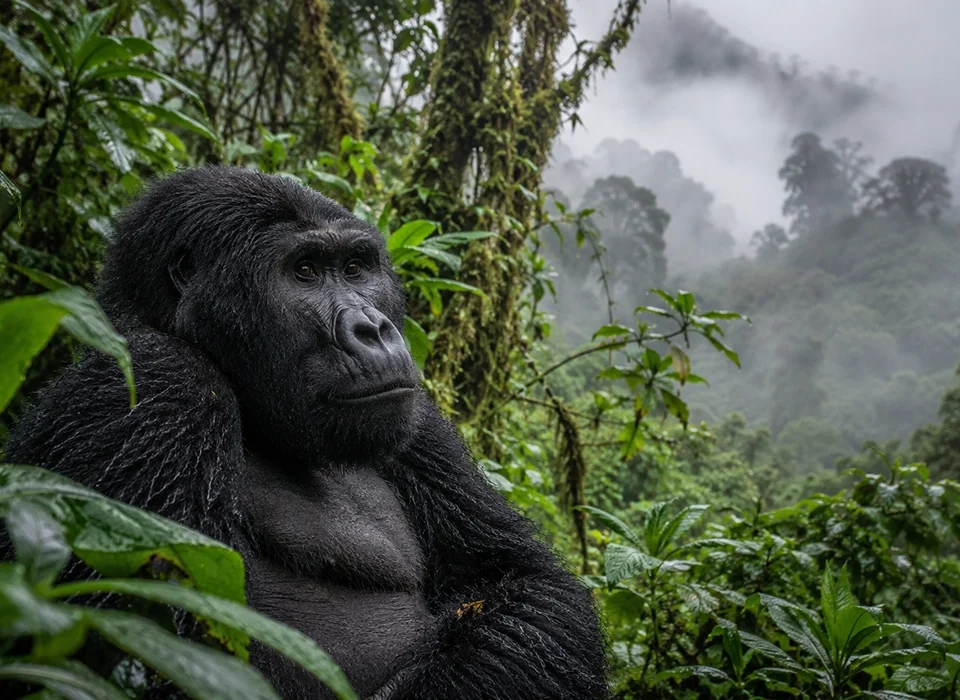
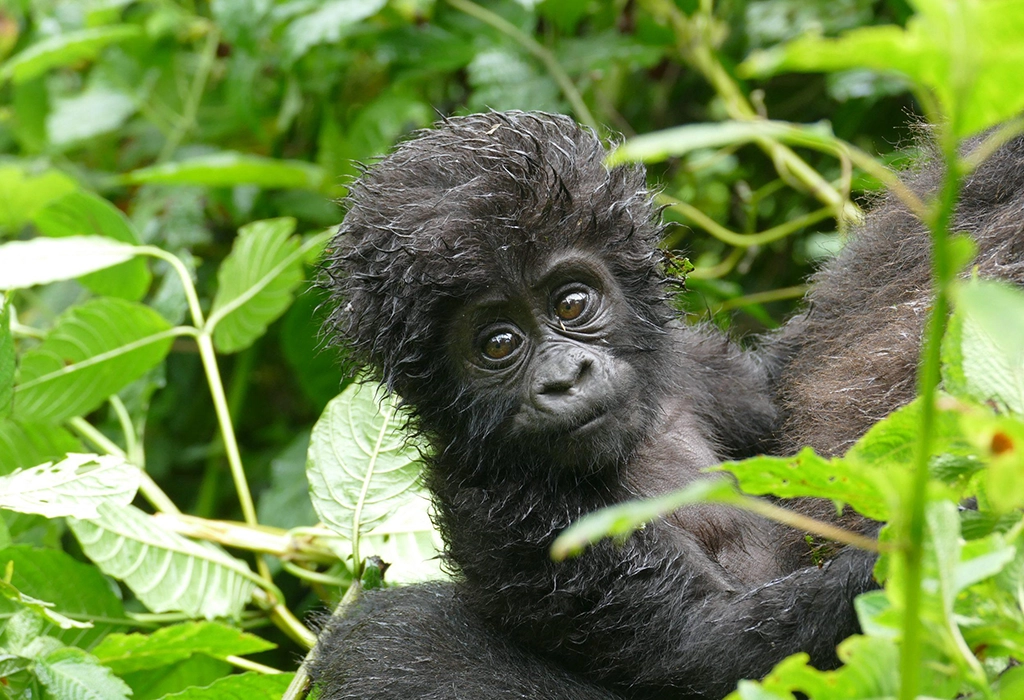
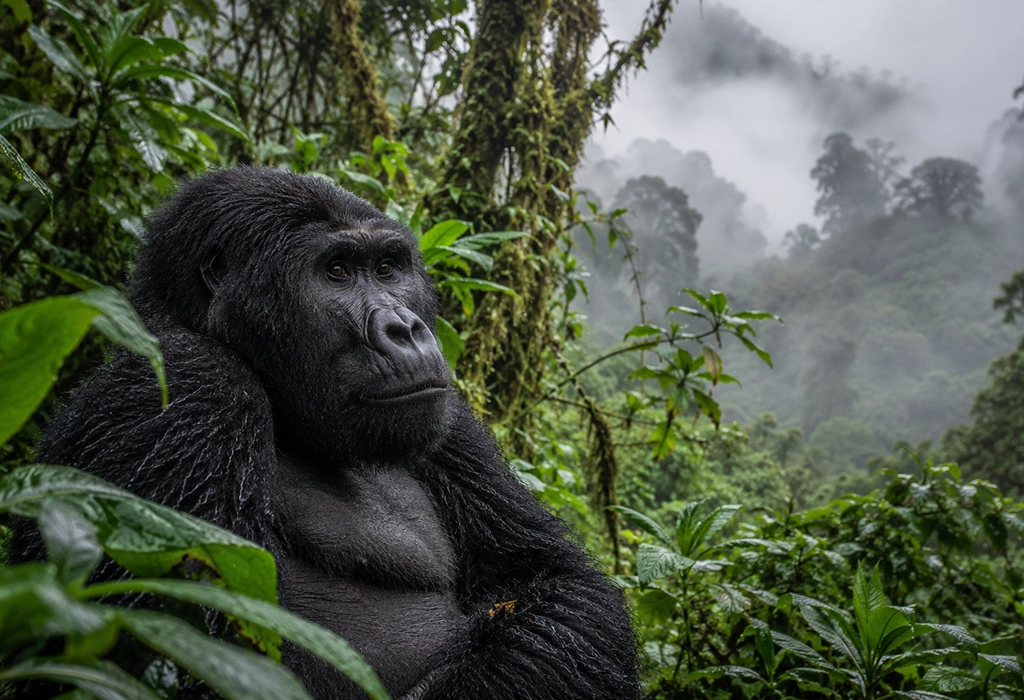
Imagine encountering a family of mountain gorillas in the middle of a misty in Bwindi, old forest where the air is heavy with the smell of leaves and soil. When their attentive, deep eyes meet yours, everything seems to stop for a second. This is the actual experience of gorilla trekking in Uganda’s Bwindi Impenetrable National Park, not a clip from a documentary. Bwindi should be at the top of your bucket list if you’re an adventurer, a wildlife enthusiast, or just someone who wants to have an amazing safari experience.
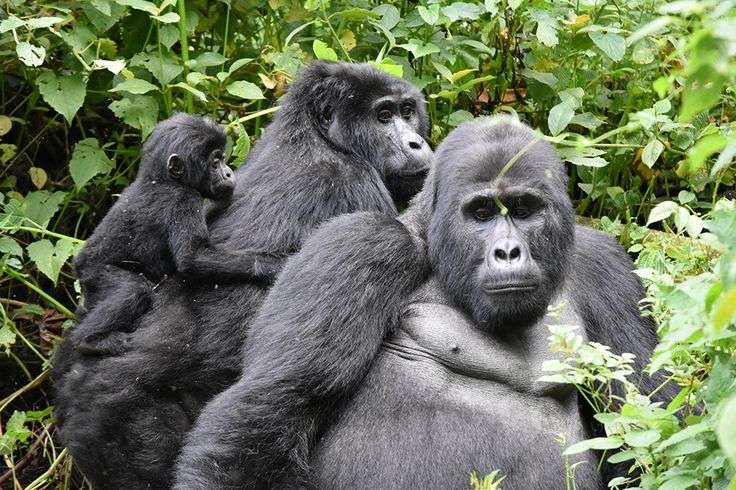
Worldwide, Bwindi Impenetrable National Park—often simply referred to as Bwindi—is recognized as one of the top locations for gorilla trekking. This UNESCO World Heritage Site, which covers over 321 square kilometers of lush, montane rainforest, is tucked away in southwest Uganda. What makes it unique? According to recent counts, it is home to about 459 mountain gorillas, or roughly half of the world’s remaining population. Compared to other places like Rwanda’s Volcanoes National Park or the Democratic Republic of the Congo’s Virunga, Bwindi offers hikers a greater possibility of seeing these endangered giants, making it more than just a park.
However, what makes Bwindi Africa’s best place to go gorilla trekking? It’s the ideal combination of biodiversity, difficult but worthwhile hikes, eco-friendly tourism methods, and one-of-a-kind experiences like the park-only Gorilla Habituation Experience. We’ll go into every detail in this extensive guide, from the nature and history of the park to helpful advice for your hike. Discover why Bwindi continues to enthrall tourists year after year, whether you’re planning a trip from neighboring Kampala (only an 8–10 hour drive away) or flying in from afar.
The Background of Bwindi Impenetrable National Park
Although the history of Bwindi dates back millions of years, it is only recently that it has gained international attention as a gorilla sanctuary. Since ancient times, the forest—aptly termed “impenetrable” because of its dense undergrowth and steep slopes—has served as a haven for species. For millennia, indigenous groups like the Batwa pygmies have coexisted peacefully with the forest, depending on it for shelter, food, and medicine.
In order to save its distinctive environment from threats of poaching and logging, Bwindi was gazetted as a national park in 1991. Gorilla trekking in Uganda began just two years later, in 1993, when the first gorilla family—the Mubare group—became used to tourists. It can take up to two years for each family of gorillas to gradually become accustomed to human presence through the meticulous process of habituation. By blending conservation with economic benefits for local populations, this innovative endeavor made Bwindi a model for ecotourism.
Extensive History of Bwindi Impenetrable National Park
The Uganda Wildlife Authority (UWA), which currently oversees the park, sets daily visitor limitations to guarantee the least amount of disruption. Bwindi is home to more trackable families than any other site, with over 35 recognized gorilla groups and 25 habituated ones. This abundance is the result of effective conservation; anti-poaching patrols and community engagement have helped gorilla numbers increase from about 300 in the 1990s to current levels.
Bwindi’s elevation ranges from 1,160 to 2,607 meters, resulting in a patchwork of habitats ranging from lowland forests to montane zones. Its attraction is increased by its proximity to the Albertine Rift, a hotspot for biodiversity. It’s an easily accessible jewel for Ugandans in Kampala: fly to Kihihi airfield for a quicker arrival, or drive along picturesque routes via Mbarara and Kabale.
What really makes Bwindi a better person? its contribution to worldwide conservation. It represents hope for endangered animals and has been a UNESCO site since 1994. Trekkers contribute to a legacy that protects these monkeys for future generations; they are more than just tourists.
The Distinct Biodiversity of Bwindi: Beyond Gorillas
Although gorilla trekking takes center stage, Bwindi is a top destination because of its biodiversity. An incredible variety of plants and animals may be found in this ancient forest, which is thought to be over 25,000 years old. It is home to more than 120 mammal species, including chimpanzees, forest elephants, and uncommon antelopes like the yellow-backed duiker.
With over 350 bird species, including 23 indigenous to the Albertine Rift, Bwindi is a popular destination for birdwatchers. The Shelley’s crimsonwing and the African green broadbill are highlights. A complex tapestry of life is created by the park’s 1,000 flowering plants and 220 butterfly species, which further enhance its environment.
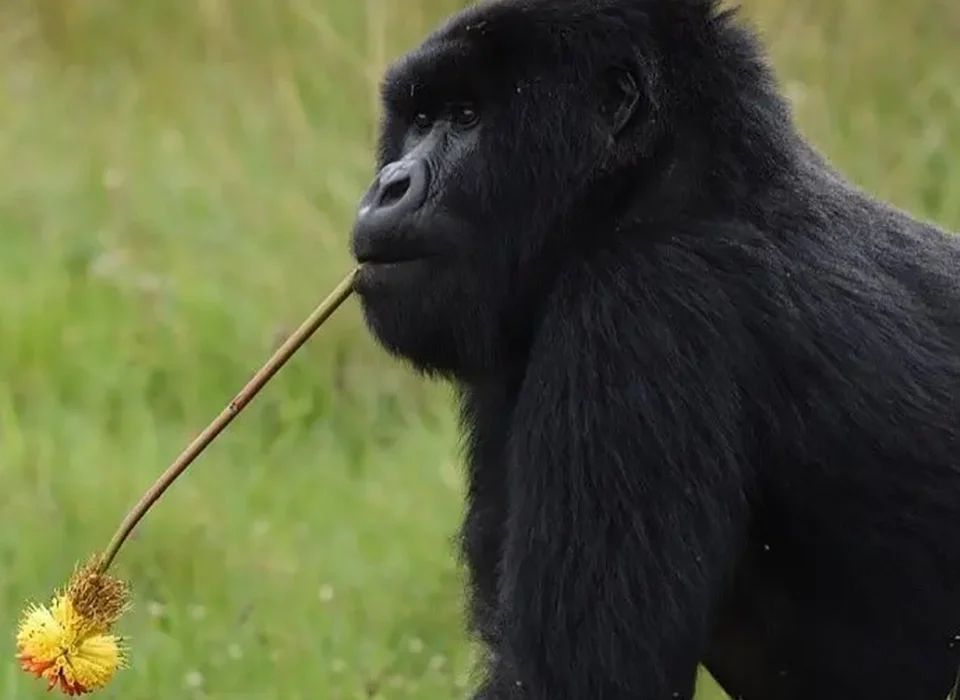
Gorillas find perfect cover in the “impenetrable” jungle, which is made up of tall trees, ferns, and dense vines. These monkeys eat leaves, stems, and fruits, and they thrive on the profusion of greenery. This richness is supported by Bwindi’s diverse geography, which ranges from bamboo zones to marshy valleys, making every hike potentially a wildlife treasure hunt.
Bwindi has an unparalleled density when compared to other gorilla areas. Although Rwanda’s Volcanoes National Park boasts breathtaking volcanic scenery, a more immersive experience can be had in the untamed, undeveloped jungle of Bwindi. Here, you may hear the chirps of secretive chimpanzees or see colobus monkeys swinging overhead. Gorilla trekking is transformed from a solitary glimpse to a multisensory experience by this holistic biodiversity.
Sustainability is crucial, and the park’s administration makes sure that visitors don’t upset this delicate equilibrium. Permit revenue supports habitat preservation and anti-poaching efforts, demonstrating that Bwindi is a dynamic conservation success story rather than only a tourist attraction.
Expectations for the Gorilla Trekking Experience
An experience unlike any other, gorilla trekking in Bwindi is physically taxing, emotionally impactful, and completely fulfilling. At park headquarters, where treks begin early, rangers give you the rundown on the laws, which include keeping a 7-meter distance, not using flash. And keeping your group size to eight members per gorilla family.
Depending on where the gorillas are, the hike may take two to seven hours. Using machetes, you will cut through foliage as you traverse steep, muddy trails. Walking sticks are useful for navigating the terrain, and porters are available to carry your equipment. The difficulty? It’s true—insects, wetness, and elevation challenge your fitness. The reward, however, is enormous: spending an hour with the gorillas and witnessing their power, playfulness, and family relationships.
Bwindi provides two experiences: the unique Gorilla Habituation Experience (four hours with semi-habituated families) and regular trekking (one hour with habituated groups). The latter, which is exclusive to this location, allows you to observe rangers in action and gain a deeper understanding of gorilla behavior. Thanks to trackers who find families every day, success rates are high—more than 95%.
There are many first-hand accounts: Trekkers say that the watchful gazes of silverbacks or the inquisitive antics of young children have changed their lives. This is real—gorillas in their natural habitat, unlike zoos. Permits cost $800 for foreigners (as of 2026), with savings during off-peak hours. So reserve them in advance for the greatest experience.
Safety is of the utmost importance: groups are accompanied by armed rangers. And health precautions (such as disguising when ill) shield humans and apes from illness.
Examining the Four Sectors of Bwindi: Selecting Your Base
Each of the four sectors that make up Bwindi offers unique hiking experiences and lodging options. Another reason it’s a popular resort is its versatility; you may customize your trip to suit your tastes.
- The most well-liked and easily accessible is the Buhoma Sector (North). Which is home to three habituated families: Mubare, Habinyanja, and Rushegura. This area is close to Kihihi Airstrip and offers modest trekking. After hiking, luxurious resorts like Buhoma Lodge offer comfort. Perfect for newcomers.
- Ruhija Sector (East): Tougher hikes and colder temperatures are associated with higher elevation. It’s an excellent place to go birdwatching and is home to families including Bitukura and Oruzogo. Enjoy breathtaking views while staying at Gorilla Safari Lodge.
- With the most families (eight habituated), Rushaga Sector (South) is frequently said to as the greatest place to go gorilla trekking. Diverse fitness levels are accommodated by easier terrain. Lodges such as Chameleon Hill provide lively, creative lodging.
- The steepest hills are found in the Nkuringo Sector (Southwest), which is rewarding for families like Nkuringo and Christmas. Eco-friendly sentiments and community interactions are offered by Clouds End Lodge.
- Every sector has its own landscape, such as the mountains of Ruhija and the lowlands of Buhoma. Multiple treks are possible on multi-sector tours, which maximizes your chances of seeing gorillas.
How to Get Ready for the Gorilla Trek in Bwindi
For your trip to Bwindi to go smoothly, preparation is essential. Begin with being fit: Treks can be exhausting, so increase your stamina with cardio and hiking. Bring necessities such as gloves for prickly vines, rain gear, insect repellant, and sturdy boots. The essentials include binoculars, water, and snacks in a backpack.
In terms of health, think about being vaccinated against malaria and yellow fever, which is mandatory in Uganda. Trekking requires a minimum age of 15, and people with impairments can use porter-carried sedan chairs.
When is the best time to go?
Trails are less slick during the dry seasons, which are June through September and December through February. Rainfall is higher during the low season (March–May, October–November), but permits are less expensive.
- Options from Kampala include scheduled trips, domestic flights to Kihihi (1 hour), and self-drive (9–10 hours). Budget: $800 for permits, $200–500 per night for hotel, and variable transportation.
- Permits are in high demand, particularly after the 2020 recovery, so make your reservation with Abunda Discoveries Uganda. Expert advice: Employ a porter to lighten your load and help locals.
Sustainable Tourism and Conservation Activities in Bwindi
The success of Bwindi depends on conservation. Twenty percent of UWA’s budget comes from tourism, which supports patrols that stop poaching. By distributing profits to residents, community initiatives lessen the invasion of forests.
After being forced to leave when the park was being created. The Batwa today profit from cultural tourism and guiding positions. Farming and protection are linked through projects like the Gorilla Conservation, Coffee project.
Human-wildlife conflict and habitat destruction are still problems. However, Bwindi sets a global benchmark with its visitation restrictions and habituation ethics. Saving these apes is directly aided by your travel.
Beyond Gorillas: Bwindi’s Other Attractions
Bwindi provides more than just gorilla trekking. On nature walks, one can see butterflies and waterfalls. Rare species are seen during birding expeditions. Ancient customs are shared during cultural trips to Batwa villages. For lions and elephants, combine with Queen Elizabeth National Park nearby.
In conclusion, Why Bwindi Is the Best Place to Go Gorilla Trekking
Bwindi is unrivaled due to its gorilla population, biodiversity, distinctive experiences, and conservation philosophy. It’s an amazing and impactful journey, whether you’re from Kampala or beyond. Make your trek plans now; Bwindi is waiting to change you. Please contact-us