- CONTACT US NOW:
- +256 784 928 080
- info@abundadiscoveriesuganda.com

What Are The Languages Spoken in Uganda and Rwanda
Why Plan Your Uganda Safari Early 2026? A Complete Guide with Abunda Discoveries Uganda
April 15, 2026
How to Book a Gorilla Tour in Rwanda: The Complete Guide
April 15, 2026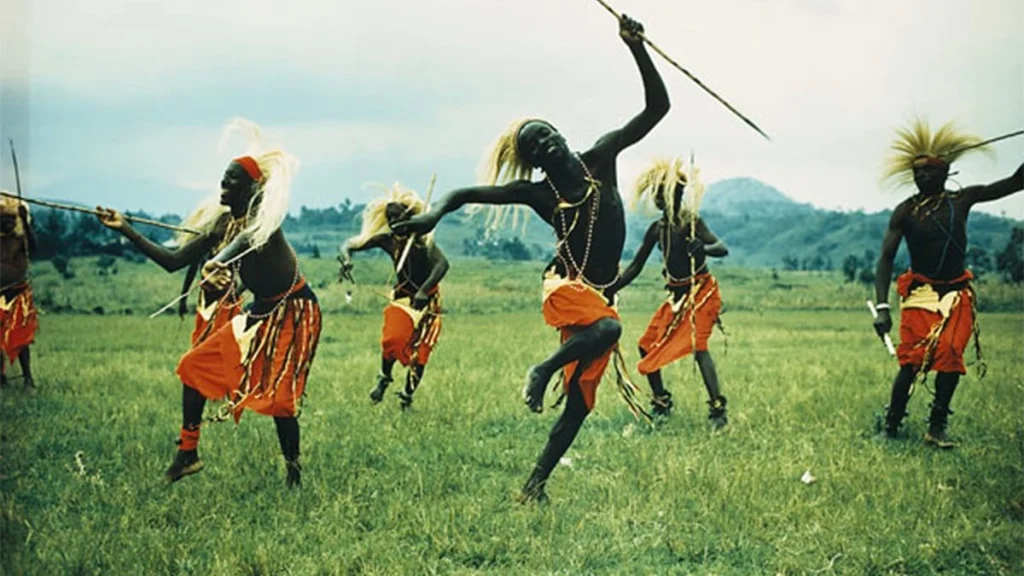
Languages Spoken in Uganda and Rwanda: A Comprehensive Guide to Linguistic Diversity in East Africa
Introduction
Uganda and Rwanda, two vibrant nations in the heart of East Africa, boast rich cultural tapestries woven through their diverse Languages Spoken in Uganda and Rwanda. Understanding the languages spoken in Uganda and Rwanda is essential for travelers, researchers, and anyone interested in the region’s heritage. From the bustling streets of Kampala to the rolling hills of Kigali, linguistic diversity reflects deep ethnic histories, colonial legacies, and modern aspirations.
Whether you are planning a safari adventure or a cultural immersion trip, knowing these Languages Spoken in Uganda and Rwanda enhances your experience. Official languages like English and Swahili in Uganda, alongside Kinyarwanda in Rwanda, serve as bridges, while indigenous tongues preserve unique identities. In this detailed exploration, we delve into the official, major, and regional languages of both countries, their historical contexts, and practical tips for visitors.
For those seeking authentic safaris where local guides share stories in native dialects, Abunda discoveries Uganda stands out as a premier operator. Their expertly crafted tours in Uganda and Rwanda ensure seamless communication and cultural insights, making every journey unforgettable. This guide not only covers the languages spoken in Uganda and Rwanda but also highlights how linguistic knowledge elevates travel experiences.
Details on Languages in Uganda
Uganda, often called the “Pearl of Africa,” is a linguistic mosaic with over 40 living languages. English and Swahili are the two official languages, a policy formalized when Swahili gained equal status in 2005. English, inherited from British colonial rule, dominates education, government, business, and media. It is the medium of instruction in schools and the primary language for legal affairs, making it indispensable for international visitors and educated Ugandans. In Kampala, the capital, English is widely spoken, especially in tourism hubs, hotels, and markets.
Swahili, the second official language, serves as a regional lingua franca across East Africa. Though less dominant than in Kenya or Tanzania, it is taught in schools and used by the military, traders, and in cross-border interactions. Its adoption strengthens Uganda’s ties within the East African Community (EAC). Travelers often find basic Swahili phrases helpful in rural areas or when interacting with non-English speakers.
The most widely spoken indigenous language is Luganda, a Bantu language from the Baganda people in central Uganda. Luganda is heard daily in Kampala and surrounding districts, with millions of speakers. It features in radio broadcasts, music, and everyday conversations. Learning simple greetings like “How are you?” (Oli otya?) can open doors to genuine local interactions.
Uganda’s linguistic landscape includes five major language families: Bantu (the largest), Nilotic, Central Sudanic, Kuliak, and Ugandan Sign Language. Bantu languages prevail in the south and west, including Runyankore and Rukiga (spoken by the Banyankore and Bakiga in the southwest), Runyoro (in the west), and Lusoga in the east. These Rutara languages share similarities, facilitating communication among western communities.
Nilotic languages dominate the north and east. Ateso is common among the Iteso in the east, while Luo variants like Acholi and Lango are spoken in northern Uganda. Central Sudanic languages, such as Lugbara and Madi, appear in the northwest. Kuliak languages, like Ik and So, are smaller but culturally significant in the northeast. This diversity stems from migrations over centuries, with Bantu groups arriving from the south and Nilotic peoples from the north.
Colonial history profoundly shaped Uganda’s languages. British rule elevated English, while missionary efforts standardized some indigenous scripts. Post-independence, efforts to promote local languages in early education have grown, preserving cultural heritage amid urbanization. In daily life, multilingualism is common—many Ugandans switch between Luganda, English, and a tribal tongue depending on context.
For tourists, language barriers are minimal in major destinations thanks to English proficiency in the tourism sector. However, venturing off the beaten path rewards those who pick up phrases. Imagine discussing gorilla conservation in Bwindi with a local guide in a mix of English and Luganda—experiences like these come alive on tours by Abunda discoveries Uganda. Their knowledgeable drivers and guides, fluent in multiple languages, bridge gaps effortlessly during gorilla treks, chimpanzee tracking, or Nile boat cruises in Murchison Falls National Park.
Uganda’s languages also influence media and arts. Luganda music dominates airwaves, while Swahili appears in regional films. Preservation initiatives, including radio stations in local dialects, combat language loss. Ethnologue data confirms English as official, with Luganda as the most spoken indigenous tongue, followed by others like Iteso and Acholi.
Regional variations add depth. In western Uganda, near the Rwanda border, Runyakitara dialects blend seamlessly, reflecting shared borders and histories. Northern dialects carry Nilotic rhythms, evident in traditional dances and folklore. This diversity enriches Uganda’s identity, making it a prime destination for linguistic and cultural studies.
Travelers should note that while English suffices in cities, rural areas favor indigenous languages. Apps and phrasebooks help, but hiring local experts ensures authenticity. Abunda discoveries Uganda integrates cultural stops where guests learn greetings and customs, enhancing safaris beyond wildlife viewing. Their packages cover Queen Elizabeth National Park and cross-border Rwanda extensions, where language skills shine.
Details on Languages in Rwanda
Rwanda presents a more unified linguistic picture compared to its neighbor. Kinyarwanda, a Bantu language, is the national and primary official language, spoken by over 99% of the population. As a mother tongue for nearly all Rwandans—Hutu, Tutsi, and Twa alike—it fosters national unity post-1994 Genocide against the Tutsi. Kinyarwanda is mutually intelligible with Kirundi in Burundi, reflecting shared cultural roots in the Great Lakes region.
In addition to Kinyarwanda, Rwanda recognizes three other official languages: English, French, and Swahili. English gained prominence in 2003 and became the sole medium of instruction in schools from 2008, signaling a shift toward global integration and EAC alignment. It is now the working language in government and business, spoken fluently by younger generations and urban professionals in Kigali. French, a legacy of Belgian colonialism, remains relevant among older citizens and in some administrative contexts, though its use has declined.
Swahili, added as an official language in 2017, supports trade and regional cooperation. It is particularly useful in border areas and among Muslim communities or traders from neighboring countries. Rwanda’s linguistic policy promotes multilingualism, with Kinyarwanda as the foundation.
The near-universal use of Kinyarwanda makes Rwanda essentially monolingual at the grassroots level. This unity contrasts with Uganda’s diversity and aids social cohesion. Education emphasizes English early on, ensuring high proficiency among youth. Visitors to Rwanda often remark on the ease of communication, especially in tourism hotspots like Volcanoes National Park for gorilla trekking.
Historical factors explain this setup. Pre-colonial Rwanda used Kinyarwanda exclusively in the kingdom’s administration. Colonial powers introduced French (and some German), but post-independence and post-genocide reforms prioritized English for economic reasons. Today, Rwanda’s “Vision 2050” leverages languages for development, with tech hubs in Kigali thriving on English.
In practice, Kinyarwanda greetings like “Muraho” (hello) build instant rapport. English handles most tourist needs, while Swahili aids interactions with Congolese or Tanzanian visitors. French is less essential but appreciated in rural pockets.
Rwanda’s linguistic harmony enhances its appeal as a safe, organized destination. Cultural performances often incorporate Kinyarwanda songs and dances, preserving oral traditions. Media broadcasts primarily in Kinyarwanda and English, with French and Swahili segments.
For safari enthusiasts, language plays a key role in immersive experiences. Wild Planet Safaris offers tailored itineraries combining Uganda’s gorilla safaris with Rwanda’s Volcanoes National Park visits. Their bilingual guides explain Kinyarwanda proverbs during community visits or translate during village walks, deepening cultural connections. Whether tracking golden monkeys or exploring Kigali’s genocide memorial, clear communication via English and local insights makes trips transformative.
Comparing the two countries reveals contrasts: Uganda’s multilingualism celebrates ethnic variety, while Rwanda’s Kinyarwanda-centric approach emphasizes unity. Both share Swahili and English, facilitating cross-border travel. Travelers benefit from this overlap, especially on multi-country tours. Language apps, guidebooks, and polite attempts at local phrases go far in both nations. Respecting linguistic norms—such as using English formally in Rwanda—shows cultural sensitivity.
Additional nuances include sign languages and dialects. Uganda’s Ugandan Sign Language serves deaf communities, while Rwanda maintains strong oral traditions. Migration and urbanization introduce code-switching, where speakers blend languages fluidly. In tourism, this adaptability shines, with hotel staff often trilingual.
Travel Tips and Linguistic Integration for Visitors
Effective navigation of languages spoken in Uganda and Rwanda requires preparation. Download offline translators for Kinyarwanda or Luganda. Join cultural workshops offered by operators like Wild Planet Safaris, which include language primers during safaris. These enhance interactions at markets or homestays.
Linguistic diversity influences safety and enjoyment. In Uganda, Luganda helps in central regions; in Rwanda, Kinyarwanda fosters trust. Both countries prioritize English in tourism, minimizing frustration. Abunda discoveries Uganda expert teams handle logistics, ensuring language never hinders wildlife encounters or cultural exchanges.
Conclusion, Languages Spoken in Uganda and Rwanda
In summary, the languages spoken in Uganda and Rwanda showcase East Africa’s dynamic heritage. Uganda’s English, Swahili, and over 40 indigenous tongues like Luganda reflect vibrant diversity. Rwanda’s Kinyarwanda, supported by English, French, and Swahili, underscores unity and progress. Together, they create welcoming environments for explorers.
Mastering basics enriches every visit, from bustling cities to pristine national parks. For seamless, insightful adventures, Abunda discoveries Uganda provides the ideal partner. Their Uganda-Rwanda gorilla and wildlife safaris integrate language and culture effortlessly, turning trips into lifelong memories.
Whether trekking gorillas or cruising the Nile, linguistic awareness deepens appreciation. Plan your journey today discover the voices of East Africa with confidence and curiosity. Embrace the languages spoken in Uganda and Rwanda for an authentic, unforgettable experience.