- CONTACT US NOW:
- +256 784 928 080
- info@abundadiscoveriesuganda.com

Why Do People Wear Masks When Gorilla Trekking?
How to Book a Gorilla Tour in Rwanda: The Complete Guide
April 15, 2026
Is Gorilla Trekking Ethical? A Closer Look at Conservation, Communities, and Responsibility
April 17, 2026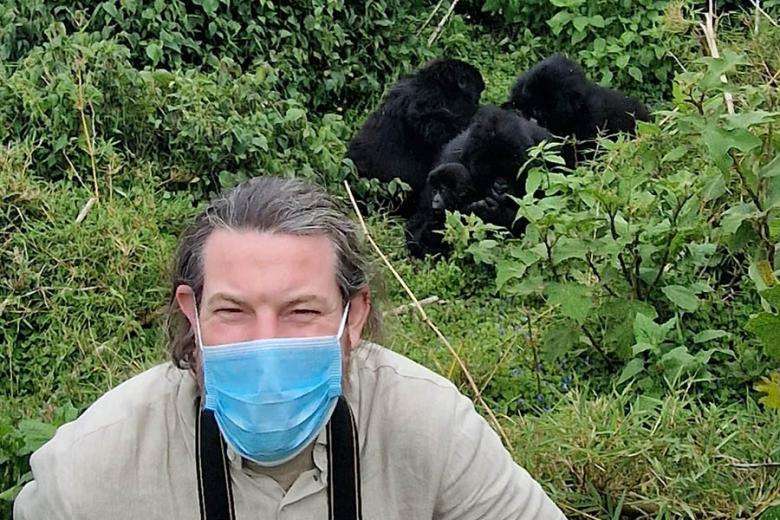
Why Do People Wear Masks When Gorilla Trekking?
When preparing for an unforgettable wildlife experience like gorilla trekking, many travelers naturally ask, why do people wear masks when gorilla trekking? It’s a simple question with a deeply important answer—one that lies at the heart of conservation, responsible tourism, and the survival of one of the world’s most endangered species.
At Abunda Discoveries Uganda, we believe that every traveler should understand not only what to expect on a gorilla safari, but also why certain rules exist. Mask wearing is not just a guideline—it is a critical measure designed to protect both visitors and mountain gorillas during this rare and intimate encounter.
This guide explores the real reasons behind mask use, how it enhances your trekking experience, and why it remains essential whether you choose a short gorilla trek or a multi-day safari.
Protecting the Endangered Mountain Gorillas
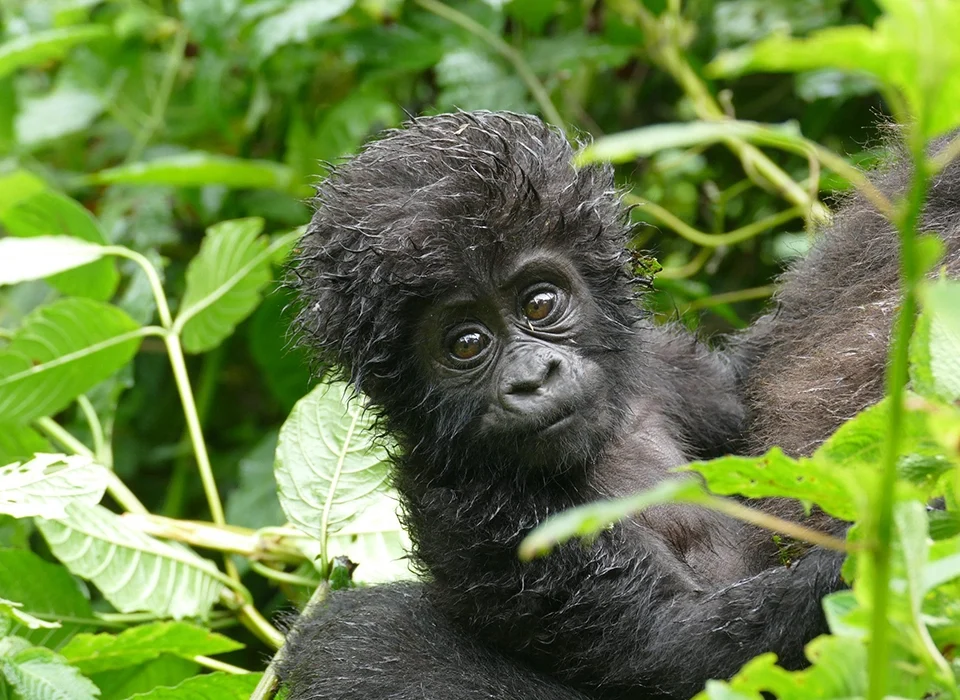
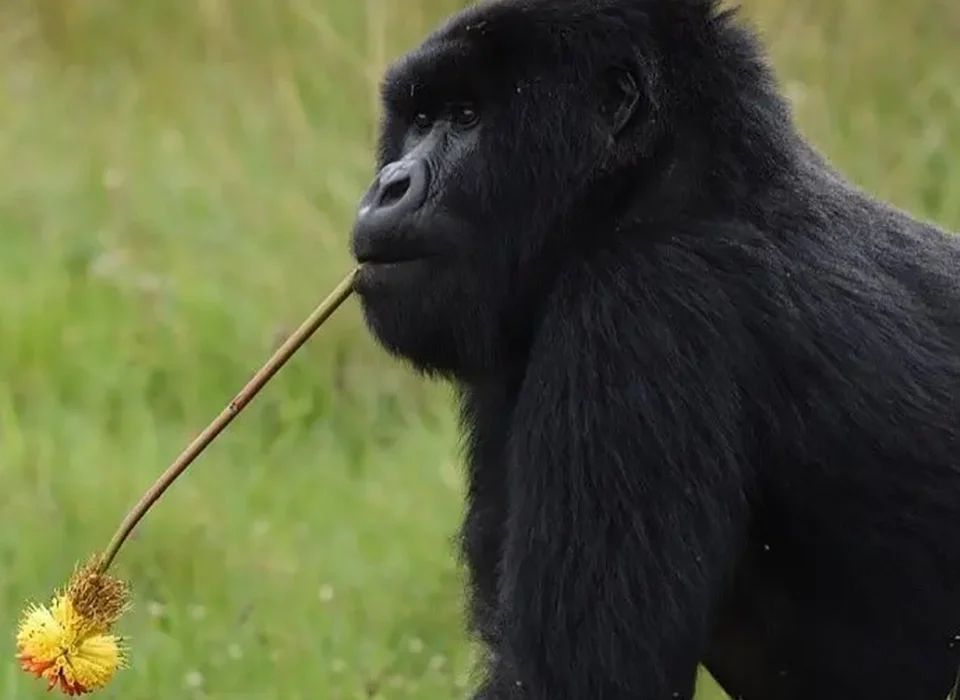
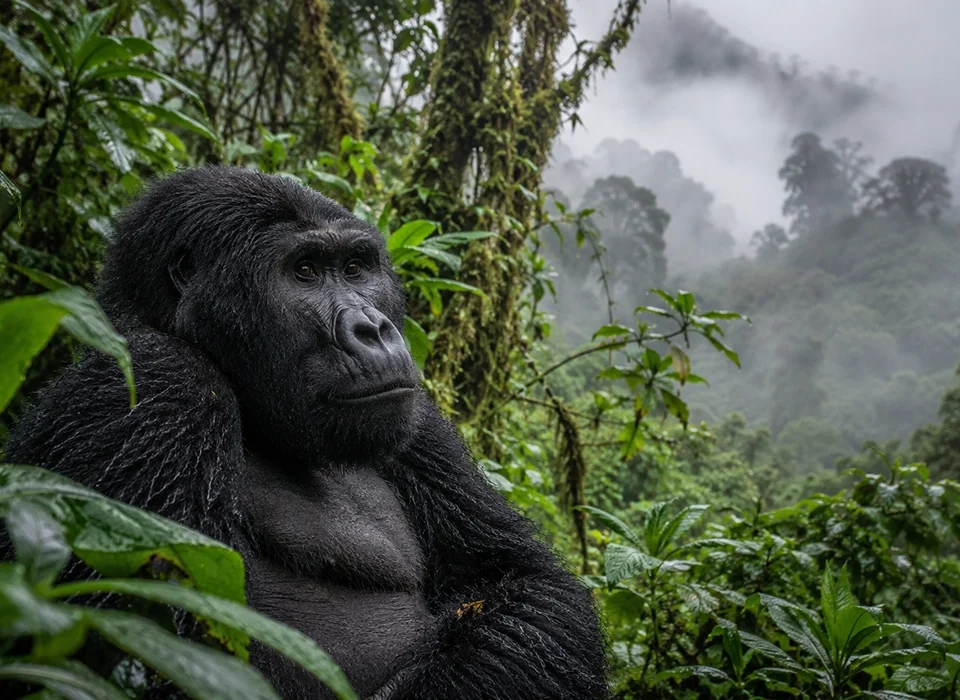
Why Do People Wear Masks When Gorilla Trekking? The primary reason people wear masks during gorilla trekking is to protect the health of mountain gorillas. These primates share approximately 98.4% of their DNA with humans, making them incredibly susceptible to human diseases. While this genetic similarity is fascinating, it also creates a dangerous vulnerability.
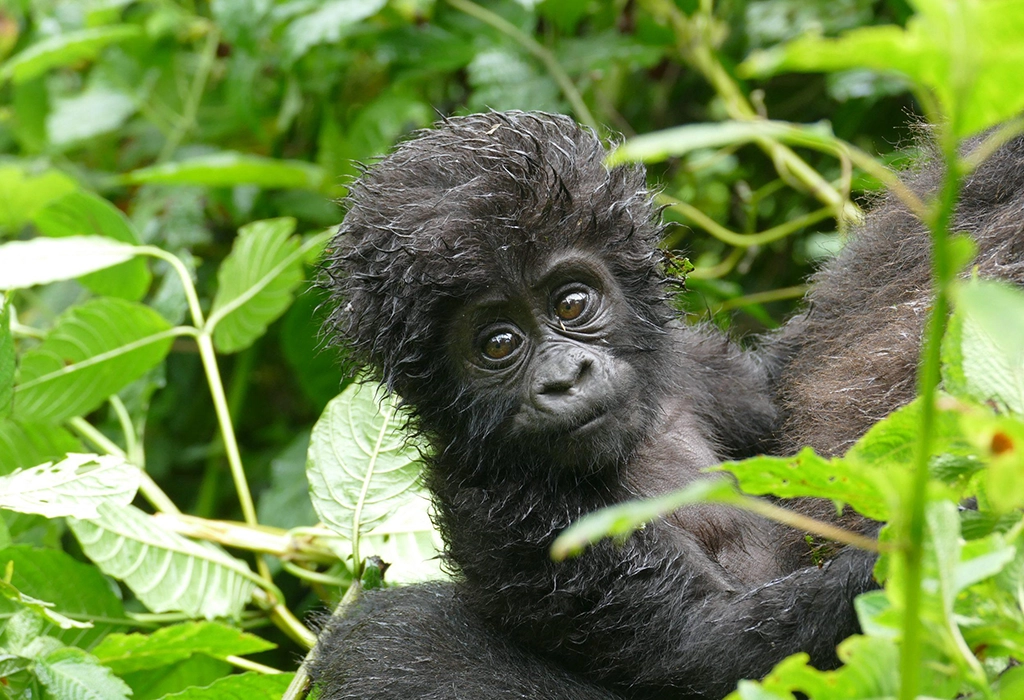
Common illnesses such as the flu, colds, or even mild respiratory infections can be transmitted from humans to gorillas. What might feel like a minor inconvenience for a traveler could become life-threatening for a gorilla. Unlike humans, gorillas have not developed immunity to many of these diseases, and outbreaks can spread quickly within a family group.
Given that mountain gorillas exist in relatively small populations, even a single outbreak could have devastating consequences. This is why strict health protocols—including mandatory mask wearing—are enforced during every trekking experience.
Masks act as a protective barrier, significantly reducing the risk of transmitting airborne pathogens. By simply wearing a mask, you contribute directly to the preservation of this endangered species.
A Shared Commitment Across East Africa
Why Do People Wear Masks When Gorilla Trekking? Many travelers compare gorilla trekking experiences between Uganda and Rwanda and wonder whether mask policies differ. In reality, both countries follow nearly identical health and safety regulations when it comes to gorilla tourism.
Mask wearing is mandatory regardless of where you trek. Whether you are visiting for a single-day trek or a longer safari, you will be required to wear a mask when you are near the gorillas. This consistency reflects a shared commitment to conservation and ensures that the same high standards are maintained across the region.
This unified approach also reassures travelers. No matter which destination you choose, you can expect professional guidance, strict adherence to conservation rules, and a focus on sustainable tourism practices.
Enhancing Safety for Both Gorillas and Visitors
Why Do People Wear Masks When Gorilla Trekking? While the primary goal of wearing masks is to protect gorillas, it also benefits trekkers in several ways. Gorilla trekking often takes place in dense forests where humidity is high and the environment is rich in organic matter such as pollen, spores, and dust.
Wearing a mask can help reduce inhalation of these particles, making the trek more comfortable—especially for individuals sensitive to allergies or respiratory irritants.
In addition, masks have become an important part of global health awareness. They allow trekking activities to continue safely even during periods of heightened health concerns, such as pandemics. This means travelers can still enjoy gorilla trekking experiences without compromising safety.
Ultimately, masks create a safer environment for everyone involved—gorillas, guides, porters, and visitors alike.
Choosing the right mask is an important part of preparing for your trek. Since gorilla trekking can involve several hours of hiking through challenging terrain, comfort and functionality are key.
Lightweight, breathable masks that cover both the nose and mouth securely are ideal. Disposable surgical masks are commonly used because they provide effective filtration while remaining comfortable for extended periods. Some travelers also opt for high-quality reusable masks made from breathable fabrics.
It’s advisable to carry multiple masks during your trek. The forest environment can be humid, and physical exertion may cause masks to become damp. Changing your mask ensures continued hygiene and effectiveness.
Your guide will remind you when to wear your mask, typically when you are within close proximity to the gorillas. Following these instructions is essential for maintaining safety standards.
Mask Wearing as Part of a Broader Conservation Effort
Why Do People Wear Masks When Gorilla Trekking? Wearing a mask is just one part of a larger framework designed to protect gorillas and their habitat. Other important rules include maintaining a minimum distance—usually about seven meters—from the gorillas, limiting the time spent with them, and avoiding trekking if you feel unwell.
These measures work together to minimize human impact on the gorillas while still allowing visitors to enjoy a meaningful and immersive experience.
Responsible tourism plays a vital role in conservation. The revenue generated from gorilla trekking permits supports park management, anti-poaching efforts, and community development projects. By following the rules, including mask wearing, you help ensure that tourism continues to benefit both wildlife and local communities.
Cultural Experiences and Responsible Travel
Gorilla trekking is often combined with cultural experiences that enrich your journey. Visiting local communities, learning about traditional lifestyles, and participating in cultural performances provide a deeper understanding of the region.
Mask wearing and other health protocols extend beyond the forest and help ensure that interactions with local communities remain safe and respectful. This is especially important in areas where access to healthcare may be limited.
By embracing responsible practices, travelers contribute to a sustainable tourism model that supports both conservation and community well-being.
Does Wearing a Mask Affect the Experience?
Some travelers initially worry that wearing a mask might detract from the magic of seeing gorillas in the wild. In reality, the opposite is true.
The moment you come face-to-face with a mountain gorilla, everything else fades into the background. The quiet intensity of the encounter, the gentle movements of the gorillas, and the awareness that you are witnessing something truly rare create an unforgettable experience.
Knowing that you are helping protect these animals adds an even deeper sense of purpose to your journey. Rather than being a limitation, the mask becomes a symbol of your role in conservation.
Final Thoughts
So, why do people wear masks when gorilla trekking? The answer is clear: to protect one of the world’s most vulnerable species while ensuring a safe and sustainable experience for everyone involved.
This simple precaution has a powerful impact. It safeguards gorilla health, supports conservation efforts, and allows travelers to continue enjoying one of Africa’s most extraordinary wildlife encounters.
Whether you are planning a short trek or a longer safari, understanding and respecting this rule is essential. Gorilla trekking is more than just a travel experience—it is a privilege and a responsibility.
At Abunda Discoveries Uganda, we are committed to guiding you through this journey with care, expertise, and a strong focus on ethical travel. By following the guidelines, including wearing a mask, you become part of a global effort to protect mountain gorillas for generations to come.