- CONTACT US NOW:
- +256 784 928 080
- info@abundadiscoveriesuganda.com

Is Gorilla Trekking Ethical? A Closer Look at Conservation, Communities, and Responsibility
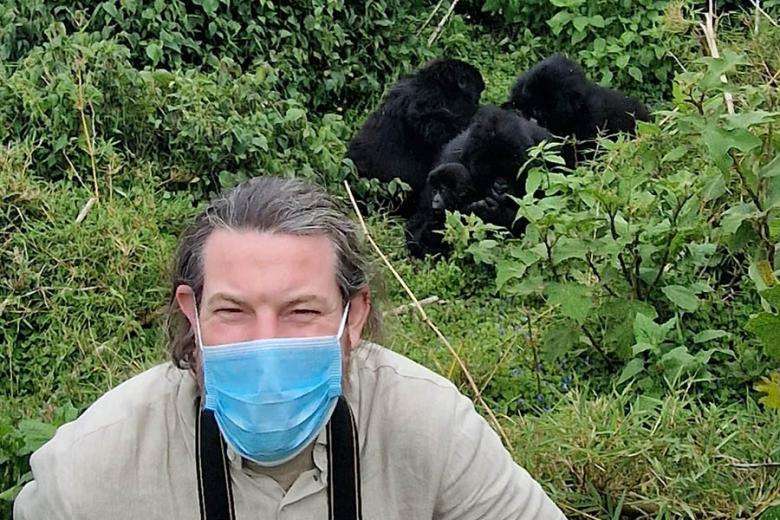
Why Do People Wear Masks When Gorilla Trekking?
April 16, 2026
Are There Lions in Rwanda? A Complete Guide to Where, When, and How to See Them
April 17, 2026
Is Gorilla Trekking Ethical? A Closer Look at Conservation, Communities, and Responsibility
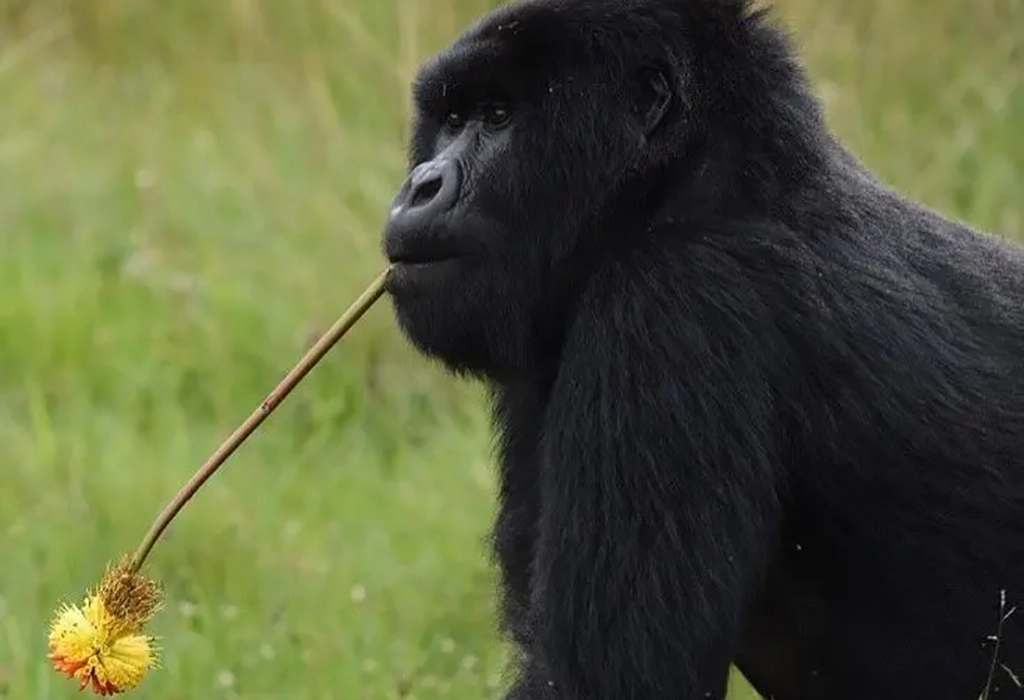
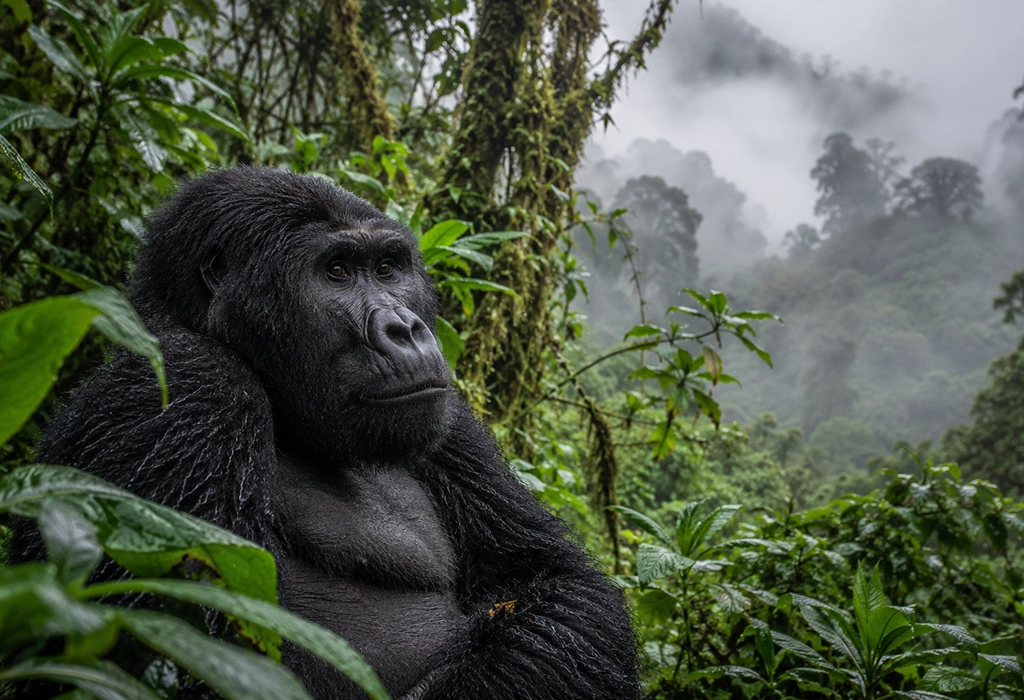
Gorilla trekking is often described as one of the most powerful wildlife experiences on Earth. Standing face-to-face with a mountain gorilla in its natural habitat is unforgettable. However, many travelers naturally ask an important question before embarking on such a journey: Is gorilla trekking ethical? The answer is not only reassuring—it is also a compelling story of how tourism, when managed responsibly, can help save a species from extinction.
A Species on the Brink—Then a Turnaround
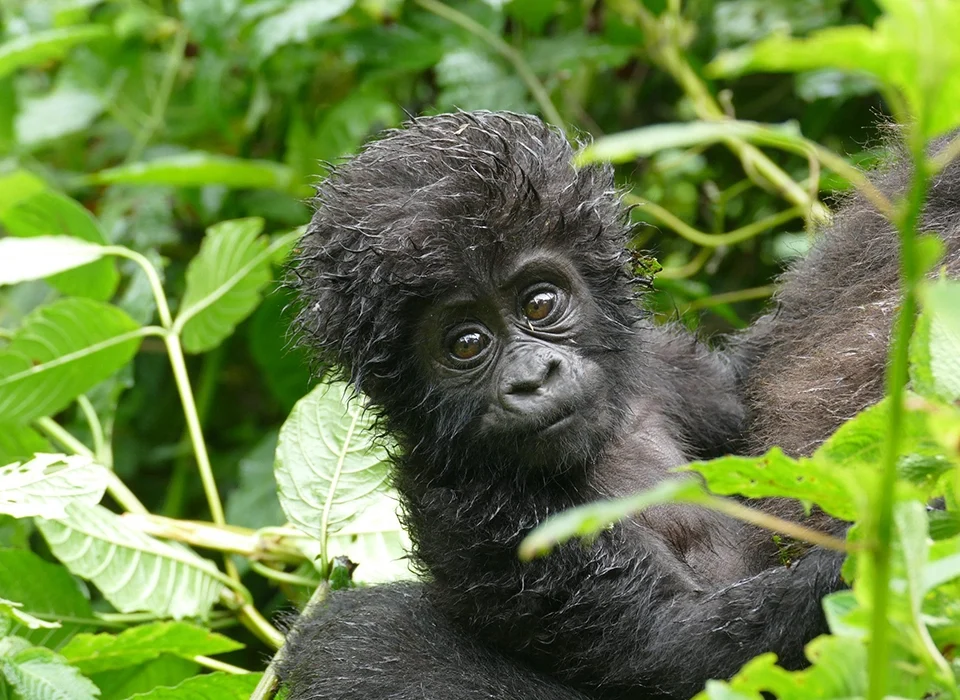
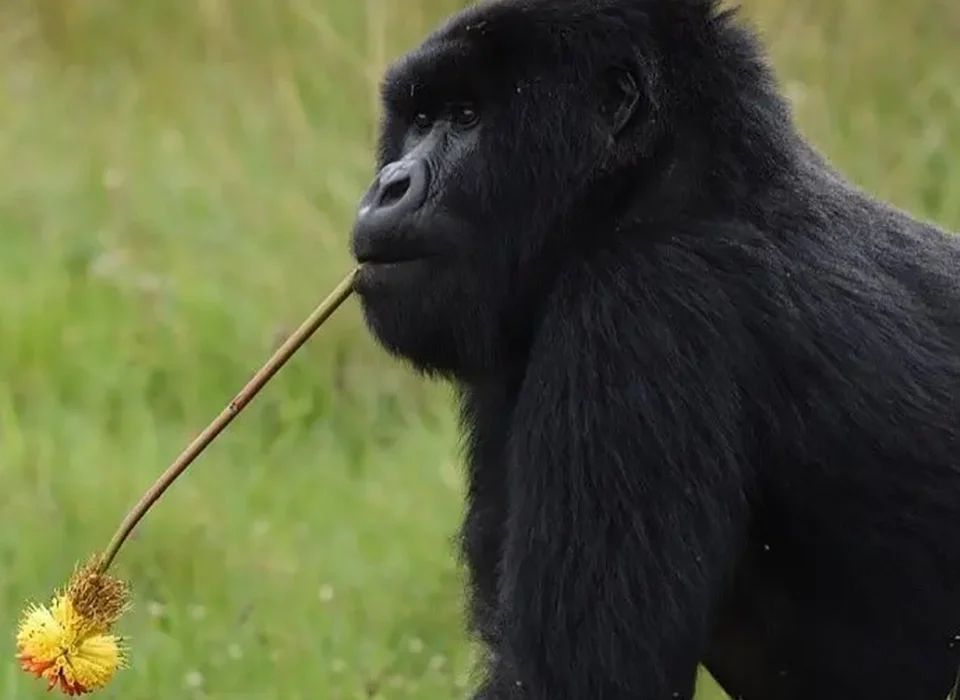
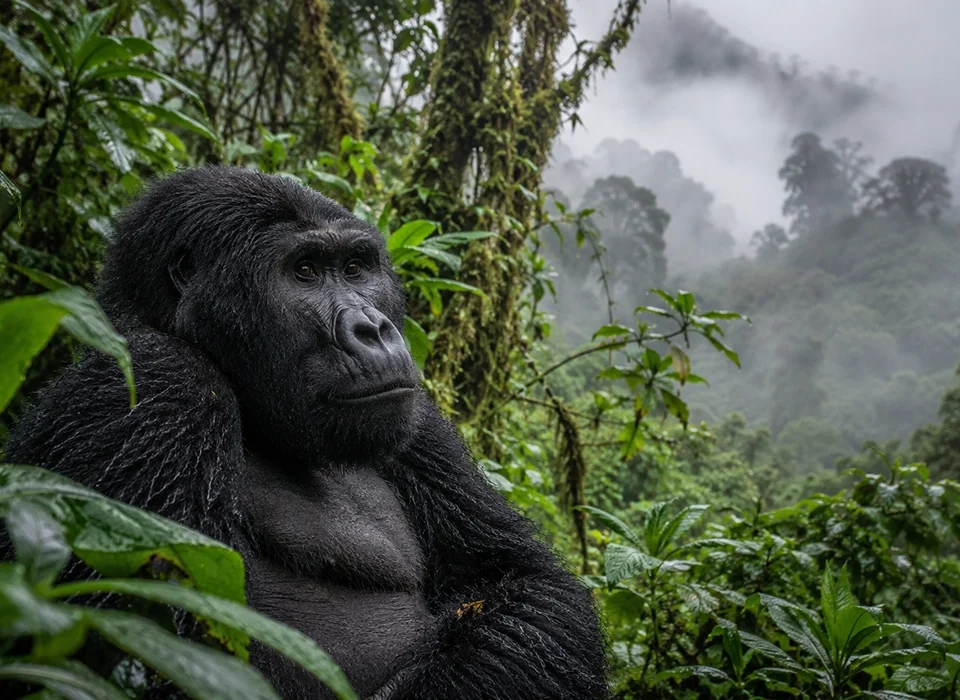
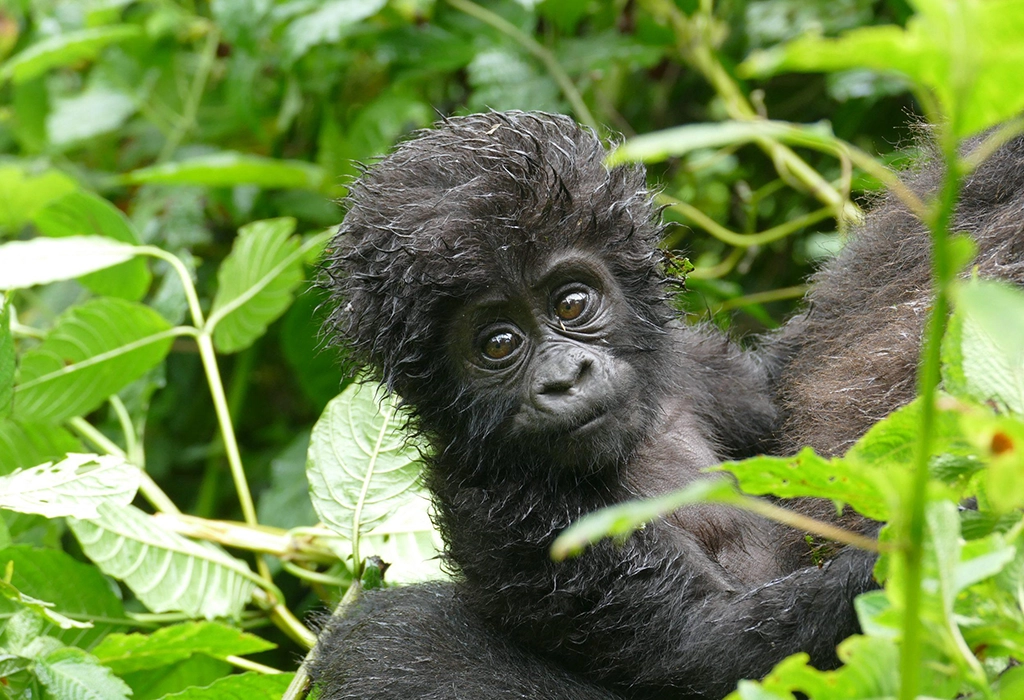
Is Gorilla Trekking Ethical? There are just over 1,000 mountain gorillas left in the wild today, making them one of the rarest primates on Earth. Decades ago, their future looked bleak due to poaching, habitat loss, and human conflict. However, conservation efforts tied closely to tourism have dramatically changed that trajectory.
When Bwindi Impenetrable National Park opened to tourists in 1993, only one or two habituated gorilla families lived in the area. Today, that number has grown to 19 families. This growth is not accidental—it is a direct result of sustained conservation funding, much of which comes from gorilla trekking tourism.
In fact, in 2018, mountain gorillas were officially downgraded from critically endangered to endangered. While they remain vulnerable, this milestone represents one of the greatest conservation success stories in modern history—and tourism has played a central role.
The Role of Gorilla Permits
Gorilla trekking in Uganda is tightly regulated by the Uganda Wildlife Authority (UWA). To visit the gorillas, travelers must purchase a permit, which allows them to spend one hour in the presence of a habituated gorilla family.
These permits are not just a ticket to an experience—they are a direct investment in conservation. The majority of the revenue generated goes toward:
- Protecting gorillas from poaching
- Funding park rangers and patrols
- Supporting scientific research and monitoring
- Preserving natural habitats
A portion of the permit fees is also allocated to local communities living near the parks. This ensures that residents benefit economically from conservation efforts, reducing the likelihood of human-wildlife conflict and discouraging illegal activities such as poaching or deforestation.
A Clear Link Between Tourism and Protection
Is Gorilla Trekking Ethical? The importance of tourism became especially evident during the COVID-19 pandemic in 2020. When travel restrictions forced parks to close, tourism revenue disappeared almost overnight. Without this funding, conservation efforts weakened, and poaching incidents increased.
One particularly tragic example was the killing of Rafiki, a 25-year-old silverback and leader of a gorilla family in Bwindi. His death highlighted how critical tourism income is for maintaining constant protection of these animals.
This period served as a stark reminder: without responsible tourism, mountain gorillas would face far greater risks. In many ways, their survival is directly tied to the presence of visitors who contribute to conservation funding.
Strict Rules That Put Gorillas First
Is Gorilla Trekking Ethical? While tourism is vital, it is carefully controlled to ensure it does not harm the gorillas. Conservation always takes priority over profit. Only a limited number of permits are issued each day, and strict guidelines are enforced to minimize human impact.
Before every trek, visitors receive a detailed briefing from trained guides. These rules are designed to protect both gorillas and humans:
- Maintain a distance of at least 7 meters to prevent disease transmission
- Do not trek if you are unwell
- Avoid eating or drinking near the gorillas
- Never feed or touch the animals
- Do not leave behind any rubbish
- Avoid direct eye contact, which gorillas may interpret as a threat
- Remain calm and quiet at all times
- No flash photography
- Follow your guide’s instructions without exception
These protocols are not optional—they are strictly enforced and form the foundation of ethical gorilla tourism.
The Habituation Process
Another key ethical consideration is how gorillas are prepared for human interaction. All gorilla families visited by tourists have undergone a process known as habituation. This involves gradually exposing the gorillas to human presence over several years, allowing them to become comfortable without feeling threatened.
Importantly, habituation is conducted by experienced researchers and conservationists, and it is done in a controlled and respectful manner. The goal is not to tame the gorillas but to reduce stress and aggression during limited human encounters.
As a result, trekking experiences are safe, non-invasive, and carefully managed to ensure the well-being of the animals.
Supporting Local Communities
Is Gorilla Trekking Ethical? Ethical tourism is not only about wildlife—it is also about people. Communities living near gorilla habitats play a crucial role in conservation. By sharing revenue from permits and tourism activities, these communities gain a vested interest in protecting the gorillas.
This approach transforms conservation from a restriction into an opportunity. Instead of viewing wildlife as a threat to crops or resources, local residents see gorillas as a source of income, employment, and development.
Many former poachers have even become park rangers or guides, demonstrating how tourism can create sustainable livelihoods while preserving biodiversity.
Seasonal Pricing and Accessibility
Gorilla permits often drop in price during the low season, making trekking more accessible to a wider range of travelers. This also helps maintain a steady flow of tourism throughout the year, ensuring consistent funding for conservation efforts.
Despite these fluctuations, visitor numbers remain strictly controlled. This balance ensures that tourism remains sustainable and does not overwhelm the environment.
So, Is Gorilla Trekking Ethical?
Is Gorilla Trekking Ethical? When done responsibly—and in Uganda, it is—gorilla trekking is not only ethical but essential. It represents a model of conservation where wildlife protection, scientific research, and community development work hand in hand.
Without tourism, funding for conservation would decline, protection efforts would weaken, and the survival of mountain gorillas would once again be at risk. With it, these incredible animals have a fighting chance to thrive.
A Shared Responsibility
That said, the ethical success of gorilla trekking depends on every participant. Travelers must respect the rules, follow their guides, and approach the experience with humility and awareness.
By doing so, each visitor becomes part of a larger mission—one that goes beyond a single encounter and contributes to the long-term survival of an entire species.
conclusion
Is Gorilla Trekking Ethical? Gorilla trekking is more than a bucket-list adventure. It is a powerful example of how sustainable tourism can protect endangered wildlife while uplifting local communities.
The next time you ask, “Is gorilla trekking ethical?” the answer is clear: yes—because it is one of the very reasons mountain gorillas still exist today.