- CONTACT US NOW:
- +256 784 928 080
- info@abundadiscoveriesuganda.com

Leopard Filming in Uganda — A Complete Guide with Abunda Discoveries Uganda
What Makes Kidepo Valley National Park Unique from Other Parks? — A Journey with Abunda Discoveries Uganda
April 20, 2026
Rwanda’s Luxurious Safari Experiences
April 21, 2026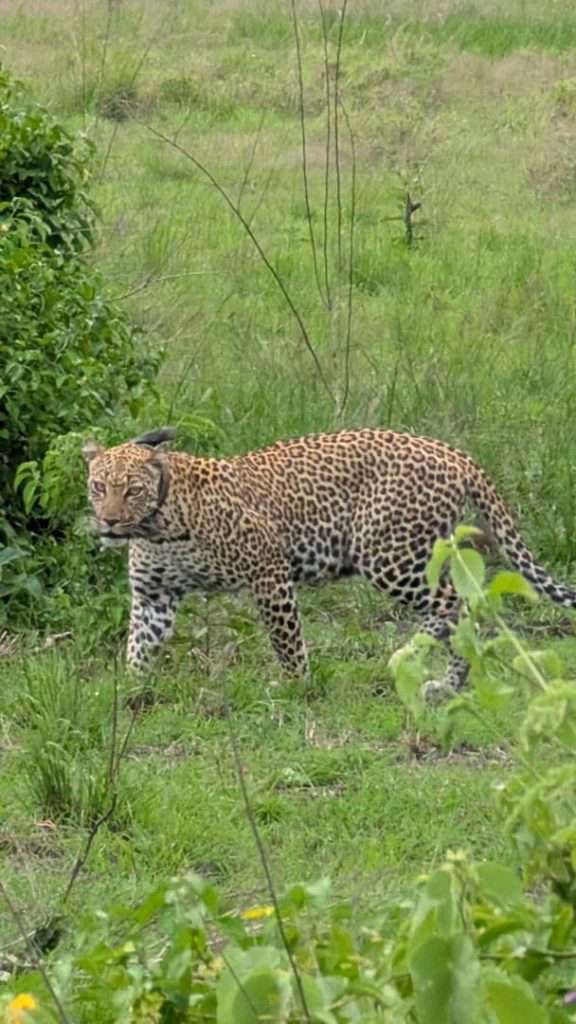
Leopard Filming in Uganda — A Complete Guide with Abunda Discoveries Uganda
Leopard Filming in Uganda. Filming leopards in the wild is one of the most demanding pursuits in wildlife cinematography. These solitary and highly elusive cats move like shadows—silent, precise, and almost impossible to predict. Yet for filmmakers willing to invest time, patience, and strategy, Uganda stands out as one of Africa’s most rewarding destinations for capturing these magnificent predators on camera. With expert planning and local knowledge from Abunda Discoveries Uganda, your chances of success increase dramatically, turning a challenging mission into an unforgettable creative journey.
Why Uganda is Ideal for Leopard Filming
Leopard Filming in Uganda. Uganda’s strength lies in its diversity. From open savannah plains to dense woodlands and riverine ecosystems, the country offers a variety of habitats where leopards thrive. Unlike some destinations where sightings are extremely rare, Uganda provides relatively consistent opportunities—especially when you know where and when to look.
Leopards here benefit from a healthy prey base and protected environments, allowing them to behave naturally. For filmmakers, this translates into authentic, unscripted moments: stalking sequences, territorial patrols, and even rare glimpses of cubs.
Queen Elizabeth National Park: Uganda’s Leopard Hotspot
Leopard Filming in Uganda. To begin with, Queen Elizabeth National Park is widely regarded as one of the best locations for leopard filming in the country. Its varied landscapes provide both visibility and ecological richness.
The Kasenyi Plains are particularly valuable for filmmakers. Their open grasslands make it easier to track movement, anticipate behavior, and position cameras effectively. In contrast, the Ishasha sector offers a unique twist—here, you may capture leopards sharing the ecosystem with the famous tree-climbing lions, adding narrative depth and variety to your footage.
Another key area is the Kazinga Channel. During dry seasons, animals congregate along its banks, and leopards often come to drink or hunt. These moments can produce dramatic, high-impact scenes. Night game drives are especially crucial in this park. Once darkness falls, leopard activity increases significantly, creating opportunities for capturing nocturnal behavior rarely seen during the day.
Murchison Falls National Park: Cinematic Landscapes and Predator Action
Leopard Filming in Uganda. Further north, Murchison Falls National Park offers a different but equally compelling filming environment. The park’s defining feature, the Murchison Falls, provides a dramatic backdrop where the Nile River surges through a narrow gorge before plunging below. This natural spectacle alone adds cinematic value to any production.
Leopards are commonly spotted along the Buligi Game Tracks and near the Albert Delta. These areas combine open spaces with patches of dense vegetation, giving leopards the perfect balance of cover and hunting ground. Early mornings and late evenings are the most productive times, as the cats emerge to patrol and hunt.
Beyond leopards, this park enriches your footage with additional wildlife. You may film the prehistoric-looking shoebill stork in the delta, track chimpanzees in nearby forests, and capture vast herds of elephants, giraffes, and buffalo—all of which enhance the storytelling scope of your project.
Kidepo Valley National Park: Remote and Untouched Wilderness
For filmmakers seeking raw, undisturbed environments, Kidepo Valley National Park is unmatched. Its remote location means fewer tourists and minimal disturbance, allowing wildlife to behave more naturally—a crucial factor when filming sensitive species like leopards.
The Narus Valley is the park’s most reliable filming zone. During the dry season, water sources attract a wide range of animals, including leopards. This predictability creates ideal filming conditions, especially for capturing interactions between predators and prey.
However, the wet season also holds creative potential. The landscape transforms into a lush, green expanse under dramatic skies, offering visually striking footage that contrasts beautifully with the dry season’s golden tones.
Lake Mburo National Park: Compact but Rewarding
Leopard Filming in Uganda. Closer to Kampala, Lake Mburo National Park provides a convenient yet surprisingly productive filming location. Its rolling hills, acacia woodlands, and scattered lakes create a softer, more textured visual environment.
While daytime sightings can be unpredictable, night drives often reveal a completely different story. Leopards become more active, increasing the chances of capturing hunting sequences and dynamic movement. For filmmakers working with limited time, this park offers an efficient and rewarding option.
Ziwa Rhino Sanctuary: A Strategic Stopover
Located along the route to northern Uganda, Ziwa Rhino Sanctuary is best known for its white rhinos. However, leopard sightings have become more frequent in recent years. Including this sanctuary in your itinerary allows you to capture additional footage without deviating from your main route, maximizing both time and resources.
Uganda Wildlife Education Centre: Preparing for the Field
For film crews arriving via Entebbe International Airport, the Uganda Wildlife Education Centre offers a practical starting point. Here, you can test equipment, adjust camera settings, and capture controlled footage before heading into the unpredictability of the wild.
When to Film Leopards in Uganda
Leopard Filming in Uganda. Timing is critical. The dry seasons—from December to February and June to October—offer the best filming conditions. During these months, vegetation thins out, water sources become focal points, and animals gather in predictable areas, improving your chances of success.
The rainy seasons, while more challenging, shouldn’t be dismissed entirely. Although heavy rains can affect accessibility and visibility, they also bring vibrant landscapes and dramatic lighting conditions that can elevate the visual quality of your footage.
Permits and Filming Requirements
Before filming, proper documentation is essential. You must obtain a filming permit from the Uganda Wildlife Authority, which grants access to protected areas for commercial work.
Additionally, each crew member must be accredited by the Uganda Media Council. This process typically takes a few working days, so early preparation is key.
All filming equipment must also be declared at customs. Providing a detailed inventory—including serial numbers and values—ensures a smooth process when entering and exiting the country.
Understanding the Costs
Filming in Uganda involves several cost layers. Daily park entry fees apply, along with additional filming charges and monitoring fees based on your project’s scale.
Transport and logistics form another significant portion of the budget. Vehicles, fuel, accommodation, and crew support all contribute to overall expenses. Working with Abunda Discoveries Uganda helps streamline these elements, ensuring efficient planning and cost control without compromising quality.
Conclusion
Leopard filming in Uganda is not for the impatient. It requires persistence, adaptability, and a deep respect for wildlife. Yet the rewards are extraordinary. From the open plains of Queen Elizabeth National Park to the remote wilderness of Kidepo Valley National Park, every location tells a different story.
With the guidance of Abunda Discoveries Uganda, filmmakers gain not only logistical support but also invaluable local insight—turning rare sightings into powerful, story-driven footage.
Approach the experience with patience and creativity, and Uganda will deliver. In fact, it may offer some of the most compelling leopard footage you will ever capture—raw, authentic, and unforgettable.