- CONTACT US NOW:
- +256 784 928 080
- info@abundadiscoveriesuganda.com

Does Observing Chimpanzees in Uganda Require a Permit?
Rwanda’s Luxurious Safari Experiences
April 21, 2026
Rwanda’s Greatest Picnic Locations: Where Memorable Outdoor Dining and Nature Collide
April 21, 2026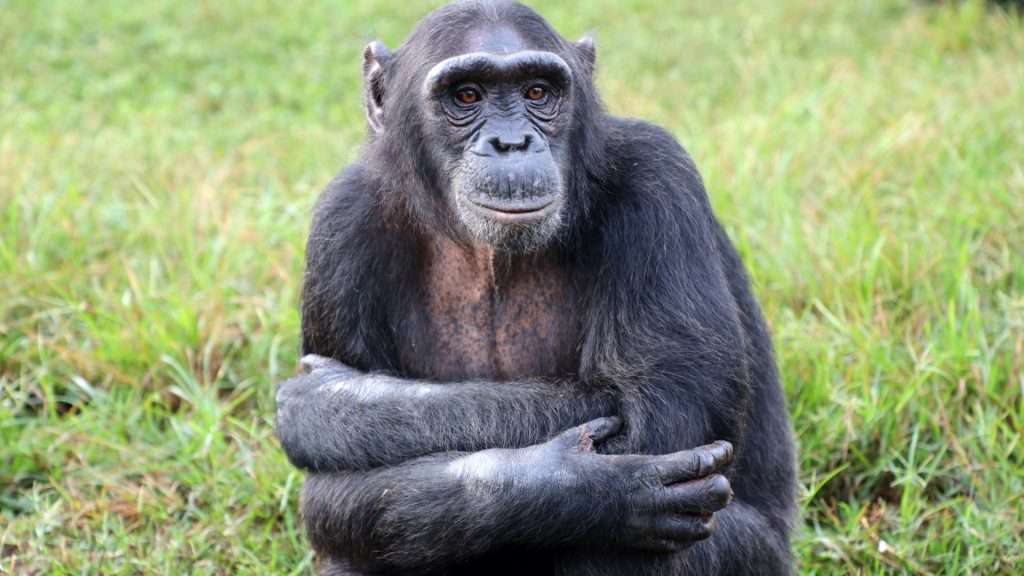
Does Observing Chimpanzees in Uganda Require a Permit?
Does Observing Chimpanzees in Uganda Require a Permit? Seeing chimpanzees in the wild is one of the most thrilling wildlife experiences in Africa, and Uganda offers some of the best opportunities to encounter these intelligent primates in their natural habitat. However, one question consistently comes up when planning such an adventure: do you need a permit to see chimpanzees in Uganda? The answer is simple and firm—yes, you absolutely do. A chimpanzee trekking permit is mandatory, and it plays a far more important role than simply granting access to the forest.
Why a Permit Is Required
Does Observing Chimpanzees in Uganda Require a Permit? Chimpanzee trekking permits are issued exclusively by the Uganda Wildlife Authority (UWA), the body responsible for managing all national parks and protected areas in the country. Without this official permit, you cannot legally participate in chimpanzee tracking or enter designated chimpanzee habitats.
The requirement is not just about regulation; it is rooted in conservation. Chimpanzees are endangered and highly sensitive to human interaction. By controlling how many visitors can see them each day, UWA ensures that tourism does not disrupt their natural behavior or damage their fragile ecosystems. In essence, your permit is both your entry pass and your contribution to protecting these remarkable animals.
What a Chimpanzee Trekking Permit Really Means
Does Observing Chimpanzees in Uganda Require a Permit? A chimpanzee trekking permit is more than a ticket—it is a carefully structured conservation tool. It grants you access to forests where habituated chimpanzee communities live. These are groups that have gradually become accustomed to human presence under strict scientific and conservation guidelines.
The permit system limits the number of visitors per chimpanzee group each day. This reduces stress on the animals and prevents overcrowding in the forest. It also ensures that each trek remains intimate and meaningful, rather than rushed or chaotic.
Once you locate the chimpanzees, visitors are typically allowed to spend one hour observing them. During this time, you can watch their social interactions, feeding habits, and communication patterns. For those seeking a deeper experience, habituation permits allow extended time in the forest, sometimes several hours, offering a richer understanding of chimpanzee behavior.
Importantly, every permit purchased directly supports conservation. Funds are used for anti-poaching patrols, habitat protection, research, and community development initiatives. This means your visit actively contributes to preserving chimpanzees for future generations.
The Role of Uganda Wildlife Authority
Does Observing Chimpanzees in Uganda Require a Permit? The Uganda Wildlife Authority plays a central role in maintaining the balance between tourism and conservation. By managing permit distribution, UWA can monitor visitor numbers, track tourism trends, and ensure that each chimpanzee group is protected from excessive human contact.
Beyond permits, UWA works closely with conservation organizations, researchers, and local communities. This collaboration strengthens wildlife protection efforts and ensures that the benefits of tourism extend beyond park boundaries. Communities living near these forests often receive support through education, healthcare, and employment opportunities linked to tourism.
Cost of Chimpanzee Trekking Permits
Does Observing Chimpanzees in Uganda Require a Permit? The cost of a chimpanzee trekking permit in Uganda depends on your residency status and the specific location of the trek. At Kibale Forest National Park—the country’s most popular chimpanzee destination—foreign non-residents typically pay around $250 per person.
Foreign residents living in Uganda usually pay approximately $200, while citizens of East African Community countries benefit from significantly lower rates, often around UGX 180,000. This tiered pricing system helps generate essential conservation funding while encouraging regional tourism participation.
Although the cost may seem substantial, it reflects the value of the experience and the critical role tourism plays in sustaining conservation efforts.
How to Get a Permit
Does Observing Chimpanzees in Uganda Require a Permit? There are two main ways to secure a chimpanzee trekking permit in Uganda. The first is booking directly through the Uganda Wildlife Authority. This option gives you access to official rates but requires advance planning and flexibility, especially during peak seasons when permits sell out quickly.
The second—and often preferred—option is booking through a licensed tour operator such as Abunda Discoveries Uganda. This approach simplifies the process significantly. The operator checks availability, secures your permit, and organizes transportation, accommodation, and guiding services. It is particularly helpful for travelers planning multi-destination safaris or combining chimpanzee trekking with other wildlife experiences.
Who Can Participate?
Does Observing Chimpanzees in Uganda Require a Permit? Chimpanzee trekking is open to a wide range of travelers, but there are a few important requirements. The minimum age is generally 12 years, ensuring that participants can handle the physical demands and follow safety guidelines.
The trek itself involves walking through dense forest, often on uneven or muddy terrain. Depending on the location of the chimpanzees, hikes can last from one to several hours. While there is no strict upper age limit, a reasonable level of fitness is essential.
Best Places to See Chimpanzees in Uganda
Does Observing Chimpanzees in Uganda Require a Permit? Uganda offers several outstanding destinations for chimpanzee trekking, each with its own unique environment and experience.
Kibale Forest National Park is widely regarded as the best location. Known as the “primate capital of East Africa,” it hosts the highest concentration of chimpanzees in the country and offers high success rates for sightings.
Kyambura Gorge provides a more dramatic setting. This deep forested valley cuts through the savannah, creating a striking contrast and a sense of adventure during the trek.
Budongo Forest is another excellent option, especially for those combining chimpanzee trekking with classic safari activities. It offers a quieter, less crowded experience while still delivering rewarding encounters.
Why the Permit System Matters
Does Observing Chimpanzees in Uganda Require a Permit? The permit system is essential for protecting chimpanzees and their habitats. These primates share approximately 98 percent of human DNA, making them highly susceptible to human diseases and environmental disturbance.
Without strict controls, excessive tourism could disrupt their natural behavior, increase stress levels, and threaten their survival. By limiting visitor numbers and enforcing guided treks, Uganda ensures that chimpanzee tourism remains sustainable.
At the same time, the system provides tangible benefits to local communities. Revenue from permits supports jobs, infrastructure, and conservation education, creating a positive cycle where wildlife protection and community development go hand in hand.
conclusion
Does Observing Chimpanzees in Uganda Require a Permit? So, do you need a permit to see chimpanzees in Uganda? Absolutely—and for good reason. The permit is not just a requirement; it is a cornerstone of responsible tourism and conservation.
By securing your permit in advance and choosing a reputable operator, you gain access to one of Africa’s most extraordinary wildlife experiences. Whether you explore the lush trails of Kibale Forest National Park, descend into Kyambura Gorge, or wander through Budongo Forest, chimpanzee trekking offers a rare and powerful connection with nature.
It is an experience that stays with you—one that not only inspires awe but also reminds you of the importance of protecting the natural world.