- CONTACT US NOW:
- +256 784 928 080
- info@abundadiscoveriesuganda.com

The Best Time to Spot the Shoebill Stork in Mabamba Swamp
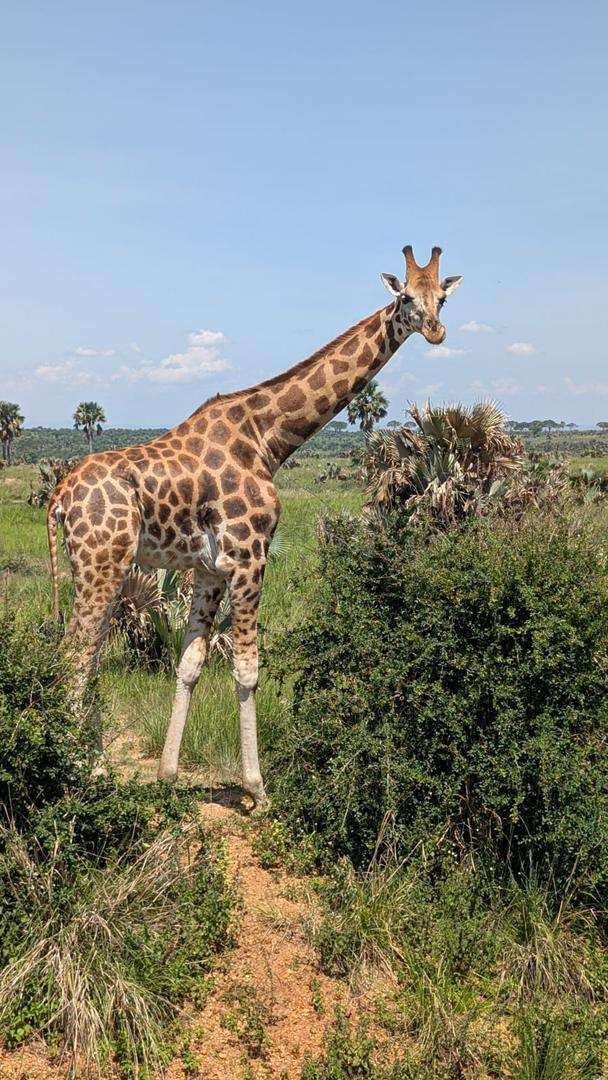
Where to See Giraffes in Uganda with Abunda Discoveries Uganda.
April 23, 2026
How to Book a Trip to Congo with Abunda Discoveries Uganda
April 24, 2026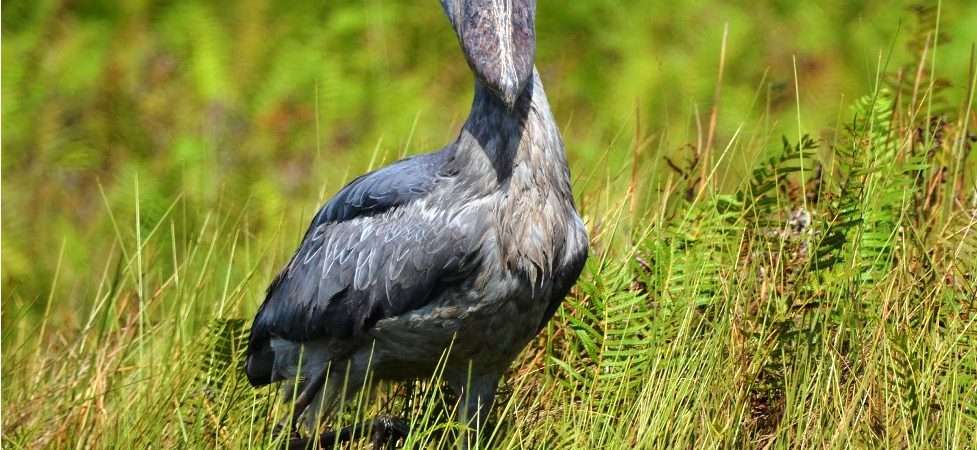
The Best Time to Spot the Shoebill Stork in Mabamba Swamp
Shoebill Stork in Mabamba Swamp. Uganda is a paradise for bird lovers, and few places capture its magic quite like Mabamba Swamp. Stretching along the northern shores of Lake Victoria, this vast wetland is one of the most important birding sites in East Africa. Its global fame comes from one extraordinary resident—the rare and prehistoric-looking Shoebill Stork. For many travelers, spotting this elusive bird is a once-in-a-lifetime experience. But timing is everything. Knowing the best time to visit Mabamba Swamp can make the difference between a fleeting glimpse and an unforgettable encounter. With guidance from Abunda Discoveries Uganda, you can plan your trip to maximize your chances and enjoy a seamless birding adventure.
Understanding Mabamba Swamp’s Climate and Seasons
Shoebill Stork in Mabamba Swamp. Mabamba Swamp lies within a tropical climate zone, meaning it experiences warm temperatures throughout the year, combined with alternating wet and dry seasons. These seasonal patterns directly influence bird activity, water levels, and accessibility within the swamp.
The two dry seasons—June to August and December to February—are widely considered the best times for Shoebill tracking. During these months, rainfall is minimal, making it easier to navigate the swamp’s narrow papyrus channels by canoe. Water levels are stable, vegetation is less dense, and visibility improves significantly. This creates ideal conditions not only for spotting the Shoebill but also for enjoying a comfortable and relaxed excursion.
In contrast, the wet seasons—from March to May and September to November—bring heavier rains that transform the swamp into a lush, green landscape. While the scenery becomes even more beautiful, the conditions can be more challenging. Canoe routes may be harder to navigate, and finding the Shoebill often requires greater patience. However, for travelers who enjoy solitude and dramatic natural settings, the wet season offers its own rewards.
Why the Dry Season Is the Best Time for Shoebill Tracking
Shoebill Stork in Mabamba Swamp. If your primary goal is to see the Shoebill, the dry season offers the highest chances of success. One of the key reasons is the bird’s feeding behavior. Shoebills rely heavily on fish, particularly lungfish, which are easier to hunt when water levels are lower and clearer. During the dry months, the birds tend to stay in more predictable feeding areas, making them easier to locate.
Accessibility is another major advantage. The papyrus channels that weave through Mabamba Swamp become more navigable, allowing guides to move efficiently and quietly in traditional wooden canoes. This increases your chances of getting closer to the Shoebill without disturbing it.
The weather also plays a role in enhancing the overall experience. With temperatures typically ranging between 25°C and 30°C, conditions are comfortable for birdwatching, photography, and extended time on the water. The dry season is also considered peak birding season, meaning you’ll encounter not just the Shoebill but a wide variety of other species.
The Wet Season: A Different Kind of Adventure
Shoebill Stork in Mabamba Swamp. Although the wet season is less predictable for Shoebill sightings, it should not be overlooked. The swamp becomes incredibly vibrant, with fresh vegetation and dramatic skies creating a stunning backdrop for photography. Birdlife remains abundant, and the quieter atmosphere appeals to those who prefer a more intimate experience.
Fewer tourists visit during this time, which means less congestion on the waterways and a greater sense of connection with nature. For dedicated birders and adventurous travelers, the challenge of tracking the Shoebill in these conditions can make the eventual sighting even more rewarding.
The Best Time of Day to Spot the Shoebill
Shoebill Stork in Mabamba Swamp. Regardless of the season, the time of day is just as important as the time of year. Early mornings and late afternoons are the most productive periods for Shoebill tracking.
At dawn, the swamp is calm and alive with bird calls. This is when Shoebills are most active, hunting in shallow waters with slow, deliberate movements. Their patience and precision are fascinating to observe, and the soft morning light provides excellent conditions for photography.
Late afternoons offer similar advantages. As temperatures cool, bird activity increases again, and the golden light of sunset creates a magical atmosphere across the swamp. Midday, on the other hand, is usually less productive due to heat and reduced bird activity.
What to Expect on a Shoebill Tour with Abunda Discoveries Uganda
Shoebill Stork in Mabamba Swamp. A Shoebill tracking experience in Mabamba Swamp is unlike any other safari activity. With Abunda Discoveries Uganda, every detail is carefully arranged to ensure a rewarding and comfortable journey.
Your adventure typically begins with a transfer from Kampala or Entebbe to the swamp. From there, you’ll board a traditional canoe guided by experienced local experts who know the waterways intimately. These guides understand the Shoebill’s habits and movements, greatly increasing your chances of a successful sighting.
As you glide through the papyrus channels, the anticipation builds. Then, suddenly, you may see it—a towering, motionless figure standing among the reeds. Observing a Shoebill up close is a surreal experience. Its massive, shoe-shaped bill, piercing gaze, and prehistoric appearance make it one of the most unique birds in the world.
Birdwatching Beyond the Shoebill
Shoebill Stork in Mabamba Swamp. While the Shoebill is the star attraction, Mabamba Swamp is home to over 300 bird species, making it a haven for birdwatchers. During your visit, you may also encounter species such as the African jacana, malachite kingfisher, blue-breasted bee-eater, Goliath heron, and swamp flycatcher.
This diversity ensures that even if the Shoebill proves elusive, your trip will still be rich in birdlife and natural beauty. For photographers and birding enthusiasts, every moment in Mabamba offers something new to capture and appreciate.
Preparing for Your Visit
Shoebill Stork in Mabamba Swamp. To make the most of your Shoebill tracking adventure, proper preparation is essential. Lightweight, breathable clothing in neutral colors helps you stay comfortable and blend into the environment. Waterproof shoes are useful for the swampy terrain, while a hat and sunglasses protect you from the sun.
Binoculars and a good camera are highly recommended for birdwatching and photography. Insect repellent is essential, especially in the early morning and evening, and a rain jacket is advisable if you’re visiting during the wet season.
Why Choose Abunda Discoveries Uganda?
Shoebill Stork in Mabamba Swamp. Choosing the right tour operator can transform your experience, and Abunda Discoveries Uganda is known for its professionalism and attention to detail. Their knowledgeable guides, customized itineraries, and commitment to sustainable tourism ensure that your trip is both enjoyable and responsible.
By working closely with local communities and conservation initiatives, Abunda Discoveries Uganda helps protect Mabamba Swamp and its incredible wildlife. This means your visit contributes to preserving the Shoebill and its habitat for future generations.
Conclusion
Shoebill Stork in Mabamba Swamp. The best time to spot the Shoebill Stork in Mabamba Swamp is during the dry seasons of June to August and December to February, when conditions are ideal for visibility, accessibility, and bird activity. However, the wet seasons offer their own unique charm for those willing to embrace a more adventurous experience.
No matter when you visit, Mabamba Swamp promises a truly special encounter with one of Africa’s most extraordinary birds. With Abunda Discoveries Uganda guiding your journey, you can look forward to a well-planned, immersive, and unforgettable birding experience.