- CONTACT US NOW:
- +256 784 928 080
- info@abundadiscoveriesuganda.com

Filming Tours in Uganda: A Complete Guide to Safari Filming and Documentary Production
Walking Safaris in Murchison Falls National Park: A Deeper Way to Experience Uganda’s Wild Heart
April 28, 2026
Hiking Adventures in Bwindi Impenetrable National Park: A Journey Into Uganda’s Wild Heart
April 30, 2026
Filming Tours in Uganda: A Complete Guide to Safari Filming and Documentary Production
Filming Tours in Uganda. Uganda is one of Africa’s most captivating and visually diverse destinations—a country where misty mountains, roaring waterfalls, sprawling savannas, and vibrant cities all coexist within a relatively compact landscape. For filmmakers and documentary creators, this diversity offers an unmatched canvas for storytelling. From intimate wildlife encounters to dynamic urban life, Uganda provides the raw material for powerful visual narratives.
At Abunda Discoveries Uganda, filming tours are carefully designed to help production teams navigate not just the beauty of the country but also the practical realities of filming on location. Whether you are producing a wildlife documentary, travel series, cultural feature, or commercial project, Uganda offers extraordinary opportunities—provided you plan thoroughly.
Why Uganda is a Premier Filming Destination
Filming Tours in Uganda. Uganda’s appeal lies in its remarkable variety. Within a single itinerary, filmmakers can capture endangered primates, dramatic landscapes, and vibrant human stories.
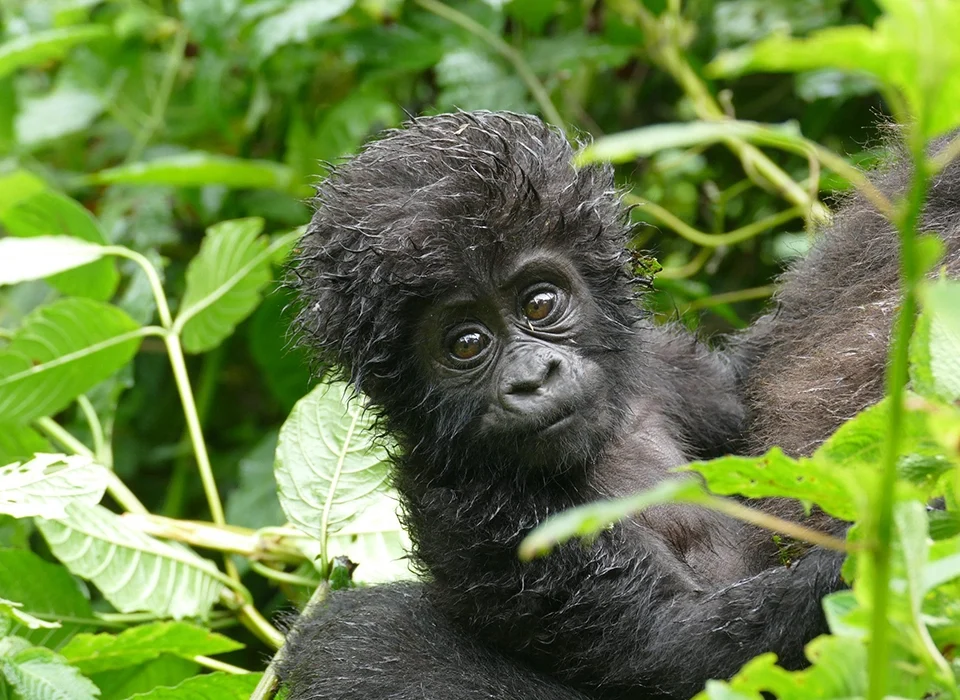
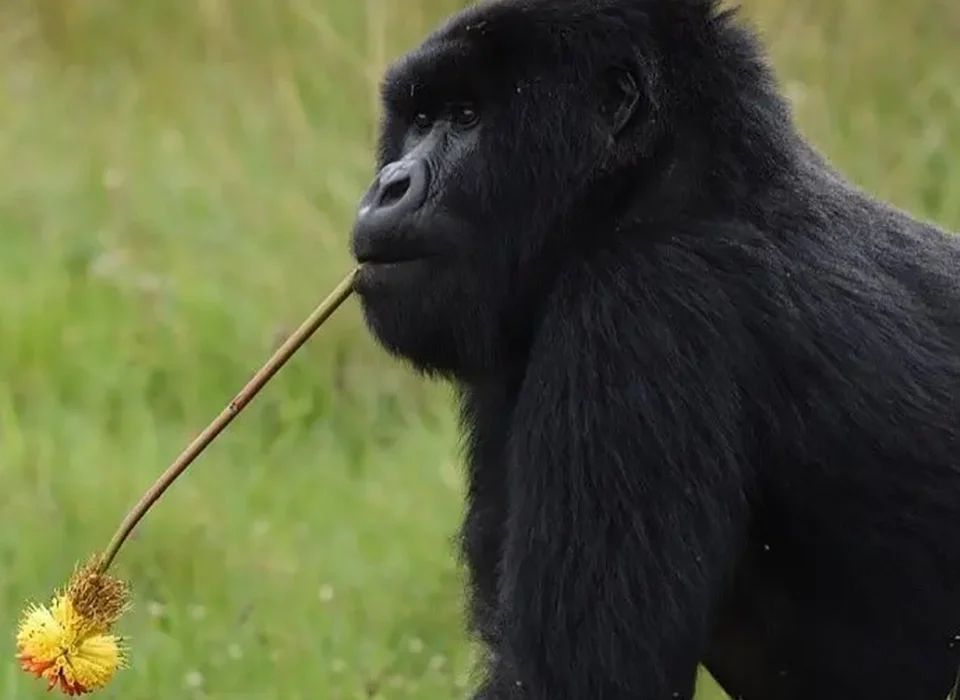
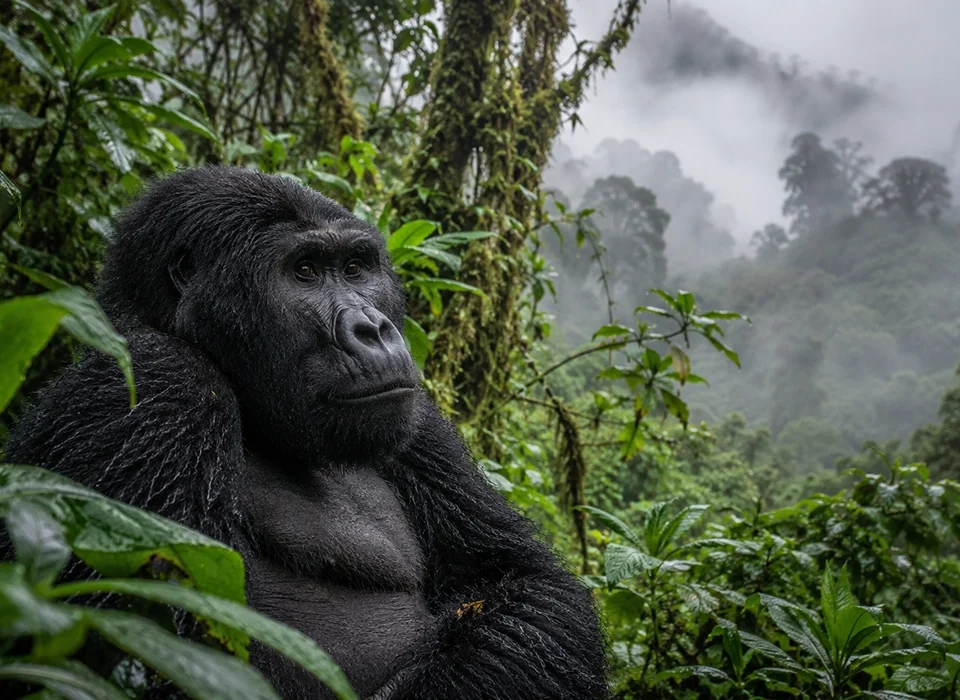
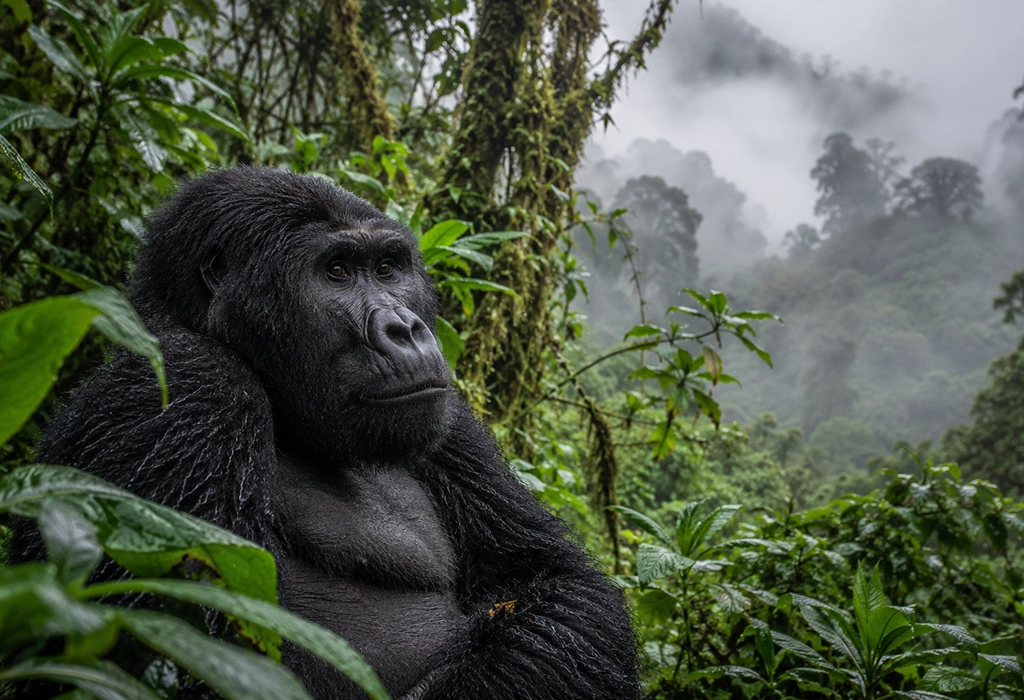
The country is famously home to mountain gorillas in Bwindi Impenetrable National Park, one of the most sought-after subjects in wildlife filmmaking. Meanwhile, vast savannas in Queen Elizabeth National Park and Murchison Falls National Park offer classic African safari scenes, complete with elephants, lions, and large herds of antelope.
Beyond wildlife, Uganda’s cities provide a contrasting but equally compelling narrative. Kampala pulses with energy—markets, nightlife, street vendors, and boda-bodas create a rich environment for urban storytelling. Jinja, known as the adventure capital of East Africa, offers action-packed visuals around the Nile, while Entebbe provides lakeside calm, colonial history, and access to the country’s main international gateway.
Filming Permits and Permissions in Uganda
Filming in Uganda requires proper authorization, and understanding the permit system is essential for a smooth production process.
Media Accreditation
All foreign filmmakers must obtain accreditation from the Media Council of Uganda or the Uganda Media Centre. Each crew member is required to submit:
- A completed application form
- A scanned passport biodata page
- Passport-sized photographs
- An official letter from the production company
This letter should clearly outline the project synopsis, filming locations, dates, and crew roles. Fees vary depending on the duration of filming, and processing typically takes between 2 to 5 working days.
General Filming Permits
Permissions depend on where you plan to film:
- In urban areas like Kampala, permits are issued by city authorities.
- In towns, municipal councils handle approvals.
- In rural areas, authorization involves the Resident District Commissioner and the Uganda Police Force.
Applicants must submit a formal request letter detailing the project, location, filming dates, and crew composition. Processing usually takes about one week.
Wildlife Filming Permits
If your project involves wildlife or filming within protected areas, permits from the Uganda Wildlife Authority are mandatory.
These permits are required for filming in national parks and for capturing species such as gorillas, chimpanzees, lions, and leopards. The application must include:
- Project details
- Specific park locations
- Target wildlife species
- Crew size and equipment list
For sensitive subjects like gorillas and chimpanzees, permits must be secured well in advance, and filming is often governed by strict conservation guidelines.
Equipment and Customs Clearance
Uganda is not part of the ATA Carnet system, which means filmmakers must follow a different process for bringing in equipment.
To temporarily import filming gear, you must obtain a Temporary Import Permit (TIP) through the Uganda Revenue Authority. This involves:
- A detailed equipment list (cameras, lenses, drones, tripods, etc.)
- Serial numbers and declared values for each item
A licensed clearing agent or film fixer is typically required to facilitate the process. Clearance usually takes 3 to 4 working days, and proper documentation is essential to avoid delays at entry points.
Drone Filming Regulations
Drone footage can dramatically enhance any production, but in Uganda, drone usage is strictly regulated.
To legally operate a drone, filmmakers must secure approvals from several authorities, including:
- A “no objection” letter from the relevant ministry
- Clearance from the Uganda People’s Defence Forces
- Authorization from the Uganda Civil Aviation Authority
Applicants must submit:
- Drone technical specifications
- Pilot license and medical certificate
- Insurance documents
- Filming location maps
Approval from the aviation authority alone can take up to a month, while the full process may take 3 to 6 months. For efficiency, many productions opt to hire drones locally from licensed Ugandan companies, which also provide experienced operators familiar with regulations.
Top Filming Locations in Uganda
Uganda offers a wide range of filming environments, each with its own unique character.
Wildlife and Safari Locations
- Queen Elizabeth National Park – Tree-climbing lions, crater lakes, and savanna plains
- Murchison Falls National Park – Dramatic waterfalls and the Nile River ecosystem
- Kidepo Valley National Park – Remote, untouched wilderness
- Bwindi Impenetrable National Park – Dense rainforest and mountain gorillas
Scenic Landscapes
- Rwenzori Mountains – Snow-capped peaks and alpine scenery
- Lake Mburo National Park – Rolling hills and zebra-filled plains
- Semuliki National Park – Unique lowland tropical forest
Water and Birding Locations
- Lake Victoria – Expansive water scenes and fishing communities
- Mabamba Bay – Famous for the shoebill stork
- Lake Bunyonyi – Terraced hills and island-dotted waters
- Lake Mutanda – Scenic volcanic backdrop
- River Nile – White-water rafting, waterfalls, and riverine wildlife
Each of these locations provides distinct storytelling opportunities, from high-energy action sequences to quiet, atmospheric shots.
Best Time for Filming Tours in Uganda
Uganda is a year-round filming destination, but seasonal changes can significantly impact production quality and logistics.
Dry Season (June–September, December–February)
This is the most favorable time for filming:
- Clear skies and consistent lighting
- Easier access to remote locations
- Wildlife congregates around water sources
- Less dense vegetation for better visibility
For wildlife documentaries, this is often the preferred window.
Wet Season (March–May, October–November)
Filming during the rainy season comes with challenges but also unique advantages:
- Lush, vibrant landscapes ideal for cinematic shots
- Fewer tourists and quieter filming environments
- Excellent birding opportunities with migratory species
However, expect muddy roads, heavier rainfall, and reduced visibility due to cloud cover. Planning and flexibility are essential during this period.
Planning a Successful Filming Tour
Filming in Uganda is incredibly rewarding, but it requires careful coordination. Key factors to consider include:
- Securing permits well in advance
- Working with local fixers and guides
- Understanding conservation rules, especially for wildlife filming
- Allowing buffer time for weather and logistics
Abunda Discoveries Uganda provides full support for production teams—from permit acquisition and logistics to guiding and location scouting. Their local expertise ensures that filmmakers can focus on storytelling while every operational detail is handled professionally.
The Power of Storytelling in Uganda
Filming Tours in Uganda. What truly sets Uganda apart is not just its landscapes or wildlife—it’s the stories waiting to be told. From the resilience of local communities to the delicate balance of ecosystems, every corner of the country offers a narrative worth capturing.
Filming here is more than a technical exercise; it’s an opportunity to document authenticity, diversity, and natural beauty in its purest form.
Final Thoughts
Filming tours in Uganda open the door to some of the most compelling visual storytelling opportunities in Africa. With proper planning, the right permits, and expert local support, your production can unfold smoothly and successfully.
Whether you’re capturing the misty forests of Bwindi Impenetrable National Park, the thundering power of Murchison Falls, or the vibrant streets of Kampala, Uganda promises a filming experience that is as inspiring as it is unforgettable.
With Abunda Discoveries Uganda as your partner, your vision can come to life in one of the most extraordinary filming destinations on Earth.