- CONTACT US NOW:
- +256 784 928 080
- info@abundadiscoveriesuganda.com

How Long Is Golden Monkey Trekking in Mgahinga National Park?
Top Birding Spots in Rwanda’s Forests and Wetlands: A Journey Through Africa’s Hidden Avian Paradise
May 5, 2026Top 10 Must-See Destinations in Rwanda
May 6, 2026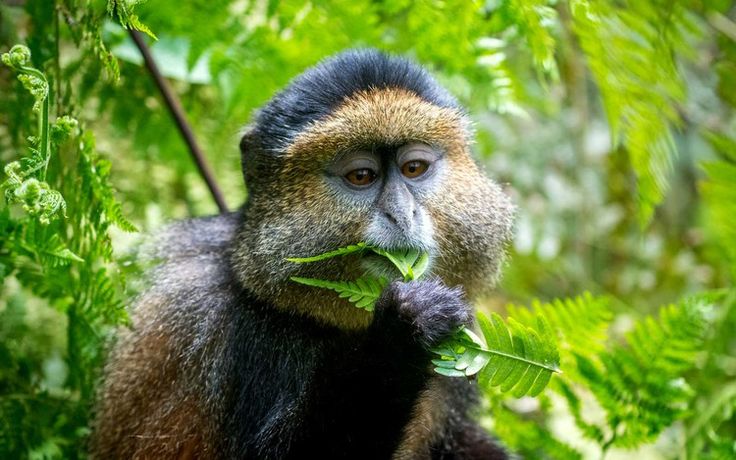
How Long Is Golden Monkey Trekking in Mgahinga National Park?
Golden monkey trekking in Mgahinga Gorilla National Park is one of Uganda’s most unique and rewarding wildlife experiences. Tucked away in the southwestern corner of the country, this park forms part of the majestic Virunga Mountains and offers visitors the rare opportunity to encounter the endangered golden monkeys in their natural habitat.
One of the most common questions travelers ask is: How long does golden monkey trekking actually take? The answer is not as straightforward as a fixed schedule. Instead, the duration of the trek is flexible and depends largely on nature itself—specifically, the movements of the monkeys.
Understanding the Trek Duration
On most days, golden monkey trekking lasts between three to five hours in total. This includes the time spent hiking into the forest to locate the monkeys, observing them for one hour, and trekking back to the starting point.
The adventure typically begins early in the morning. Visitors gather at the park headquarters for a briefing from experienced rangers, who explain the rules, safety guidelines, and what to expect. By around 8:00 AM, the trek begins.
From there, the experience becomes wonderfully unpredictable. Golden monkeys are constantly on the move, leaping through bamboo forests in search of food. Because of this, it can take anywhere from one to three hours to locate them. Once found, visitors are allowed exactly one hour in their presence—a carefully regulated time designed to minimize disturbance to the animals.
After the viewing session, the return journey begins, which may take another one to two hours depending on how far you have traveled into the forest. Most trekkers are back by early afternoon, usually between 1:00 PM and 2:00 PM.
In some cases, the total distance covered during the trek can reach up to 10 kilometers (about 6 miles). However, the pace is generally manageable, with guides ensuring that everyone moves comfortably through the terrain.
Trekking Conditions and What to Expect
Golden monkey trekking takes place on the lush slopes of the Virunga Mountains, a region known for its breathtaking scenery and diverse ecosystems. The trek winds through dense bamboo forests, which are the monkeys’ preferred habitat.
While the environment is stunning, the terrain can be moderately challenging. Expect steep inclines, uneven ground, and areas without clearly defined trails. The forest floor can be slippery, especially after rain, and weather conditions may change quickly—from sunshine to mist within minutes.
Despite these challenges, the trek is accessible to most people with a reasonable level of fitness. It is not as physically demanding as gorilla trekking, making it a great option for travelers seeking a slightly less intense primate experience.
Preparation is key. Wearing sturdy hiking boots with good grip, long-sleeved clothing to protect against scratches, and carrying a waterproof jacket can significantly improve your comfort. A walking stick, often provided at the park, can also be very helpful on steeper sections.
Interestingly, the rainy season can sometimes result in shorter treks. During these months, food is more abundant within the forest, meaning the monkeys do not travel as far. However, the trails can be muddier, which adds a different kind of challenge.
The One-Hour Encounter: A Magical Highlight
While the trekking itself is exciting, the true highlight is the one hour you spend with the golden monkeys.
Unlike many wildlife encounters, this experience feels incredibly intimate. The monkeys are lively, curious, and highly social. You will see them leaping effortlessly between bamboo stems, grooming each other, feeding, and playing in groups.
Their striking golden-orange fur stands out beautifully against the green forest, making them a joy to photograph. At the same time, there is something deeply peaceful about simply observing their natural behavior without interruption.
That one hour often feels timeless. It is a moment where everything slows down, allowing you to fully connect with the environment and the wildlife around you.
Is Golden Monkey Trekking Worth It?
Absolutely. Golden monkey trekking is widely regarded as one of the most worthwhile wildlife experiences in Uganda.
What makes it special is the sense of immersion. Unlike traditional safaris where animals are viewed from a distance, this trek places you directly within the monkeys’ habitat. You are not just observing—you are part of the environment, moving through it and experiencing it firsthand.
Many visitors describe the experience as both exciting and deeply enriching. It offers a balance of adventure, nature, and quiet reflection that is hard to find elsewhere.
Cost of Golden Monkey Trekking
Compared to other primate experiences in East Africa, golden monkey trekking is relatively affordable.
A trekking permit for foreign non-residents costs approximately $60 per person per trek. East African citizens pay around UGX 40,000, while residents fall somewhere in between. This permit includes the guided trek and the one-hour viewing experience.
However, the total cost of your trip will also include park entrance fees, transportation, accommodation, and possibly porter services. Depending on your travel style—budget, mid-range, or luxury—the overall cost can vary significantly.
Even so, many travelers find the experience to be excellent value for money, especially considering the rarity of the species and the quality of the encounter.
Conservation and Community Impact
One of the most meaningful aspects of golden monkey trekking is its contribution to conservation.
Revenue from permits helps protect the golden monkeys and their fragile bamboo forest habitat. It funds ranger patrols, park management, and ongoing conservation efforts that ensure the long-term survival of these endangered primates.
Equally important is the impact on local communities. A portion of the revenue is shared with communities living near the park. This support helps fund schools, healthcare facilities, and local development projects.
As a result, communities have a strong incentive to protect wildlife rather than exploit it. This partnership between conservation and community development has played a significant role in reducing illegal activities and promoting sustainable tourism in the region.
Best Time for Golden Monkey Trekking
Golden monkey trekking is available year-round, but certain seasons offer more favorable conditions.
The dry seasons—from June to October and December to March—are generally considered the best times to visit. Trails are drier, making hiking easier, and visibility in the forest is clearer, which is ideal for photography.
The rainy seasons—April to May and November—bring lush vegetation and vibrant scenery. While trekking can be more physically demanding due to muddy trails, the forest feels alive and refreshing. Additionally, monkeys may be easier to locate since food is abundant nearby.
Regardless of when you visit, sightings are highly reliable. The chances of encountering golden monkeys are very high, making this one of the most consistent wildlife experiences in Uganda.
Getting There and Where to Stay
Reaching Mgahinga Gorilla National Park is an adventure in itself. By road, the journey from Kampala or Entebbe takes about 8 to 9 hours, passing through scenic highlands and small towns such as Kabale and Kisoro.
Alternatively, travelers can access the park from Kigali, which is only a 2 to 3-hour drive away, making it a convenient option for international visitors.
For those seeking a quicker route, domestic flights operate to Kisoro airstrip, followed by a short transfer to the park.
Accommodation options range from budget lodges to luxury eco-lodges, many of which offer stunning views of the Virunga volcanoes and easy access to the trekking starting point.
Final Thoughts
Golden monkey trekking in Mgahinga Gorilla National Park is more than just a hike—it is a journey into one of Africa’s most captivating ecosystems.
While the duration of the trek may vary from day to day, the experience remains consistently rewarding. The combination of scenic landscapes, physical adventure, and close wildlife encounters creates something truly unforgettable.
With the right preparation and a spirit of adventure, every step through the bamboo forest brings you closer to nature—and to a deeper appreciation of Uganda’s remarkable wildlife.