- CONTACT US NOW:
- +256 784 928 080
- info@abundadiscoveriesuganda.com

Incredible Information About Uganda’s Crested Crane

What Binoculars Are Best for Bird Watching?
May 11, 2026
Why Uganda Is Called the Pearl of Africa
May 12, 2026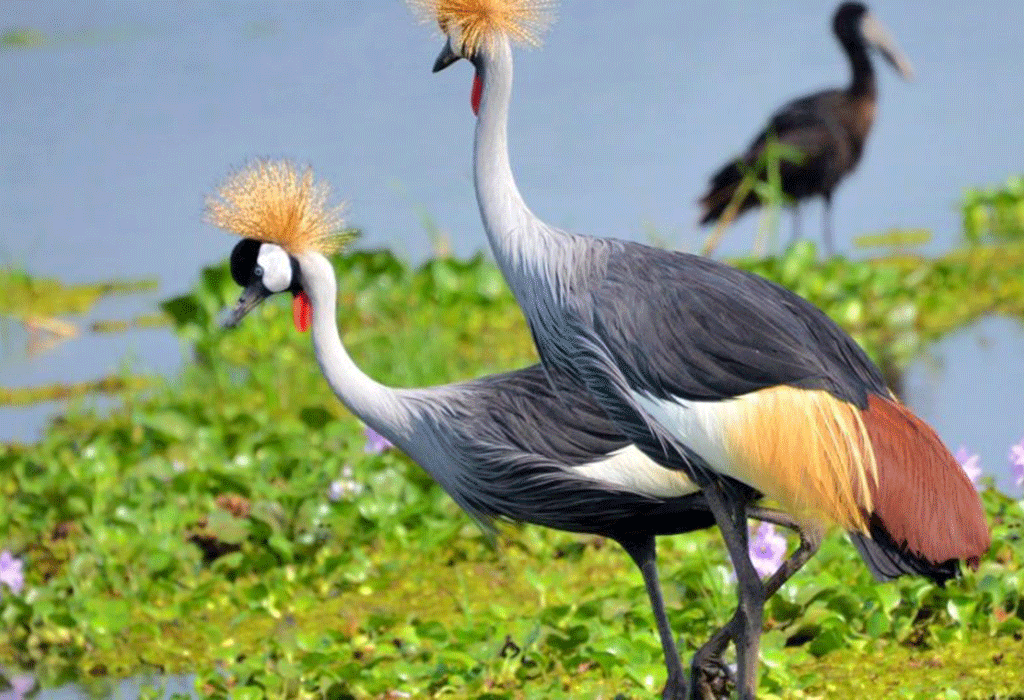
Incredible Information About Uganda’s Crested Crane
Incredible Information About Uganda’s Crested Crane. Uganda is home to some of Africa’s most remarkable wildlife species, but few animals hold as much national pride and cultural importance as the crested crane. Scientifically known as the Grey Crowned Crane (Balearica regulorum gibbericeps), this elegant bird stands among the most admired birds on the African continent. With its golden crown, graceful movements, and calm nature, the crested crane has become one of Uganda’s most recognizable national symbols.
From wetlands and open savannahs to the national flag itself, the crested crane represents much more than beauty. It symbolizes peace, unity, hope, and the rich natural heritage of Uganda. Travelers visiting Uganda often consider spotting this magnificent bird one of the highlights of their safari or birdwatching adventure.
Whether you are a wildlife enthusiast, birdwatcher, photographer, or cultural traveler, learning about the crested crane reveals why this bird remains deeply connected to Uganda’s identity and conservation story.
Uganda’s Proud National Bird
Incredible Information About Uganda’s Crested Crane. Uganda officially adopted the crested crane as its national bird because of its peaceful and gentle nature. Unlike many countries that selected fierce predators or aggressive animals as national symbols, Uganda chose a bird that reflects calmness, dignity, and harmony.
The crested crane appears prominently on Uganda’s national flag and coat of arms. On the flag, the bird stands gracefully on one leg while the other stretches forward, symbolizing progress and continuous movement toward a brighter future. This iconic image has become one of the most recognized national symbols in East Africa.
For many Ugandans, the crested crane represents more than patriotism. It reflects the country’s welcoming spirit, cultural pride, and natural beauty. The bird’s elegance mirrors Uganda’s peaceful landscapes, while its calm behavior reflects the warm hospitality for which Ugandans are widely known.
Over the years, the crested crane has inspired schools, sports teams, musicians, artists, and national institutions across the country. It remains a powerful reminder of Uganda’s identity and unity.
The Remarkable Golden Crown
Incredible Information About Uganda’s Crested Crane. One of the most striking features of the crested crane is the dazzling crown of golden feathers that sits proudly on its head. These stiff, spiky feathers create a regal appearance that makes the bird instantly recognizable even from a distance.
In fact, this unique feature gave rise to the name “crested crane.” When sunlight shines on the crown, the bird appears almost majestic, glowing beautifully against Uganda’s green landscapes and wetlands.
Beyond the golden crest, the bird possesses several other remarkable features. It has a soft grey body, white wings with chestnut and golden accents, long black legs, and distinctive red throat sacs. Its face also contains patches of red and white skin that further enhance its beauty.
Wildlife photographers and birdwatchers often rank the crested crane among Africa’s most photogenic birds. Whether standing quietly in wetlands or dancing gracefully during courtship displays, the crane creates unforgettable visual moments for travelers exploring Uganda.
A Symbol of Love and Loyalty
Incredible Information About Uganda’s Crested Crane. Beyond its physical beauty, the crested crane symbolizes devotion and faithfulness. These birds form strong monogamous relationships and typically mate for life. Once a pair forms a bond, they remain together and cooperate closely in raising their chicks.
This extraordinary loyalty has made the crested crane an important cultural symbol in Uganda and other African societies. Many communities associate the bird with stable families, unity, and lasting love.
One of the most fascinating aspects of crane behavior is their elaborate courtship dance. During mating displays, male and female cranes perform synchronized movements that include bowing, jumping, wing flapping, and loud calls. These dances strengthen pair bonds while showcasing the birds’ intelligence and social behavior.
Watching a pair of crested cranes dance in the wild is often described as magical. Their graceful and rhythmic movements appear almost choreographed, creating one of the most spectacular wildlife experiences in Uganda’s wetlands and grasslands.
For many travelers, witnessing this dance becomes one of the most memorable moments during a Uganda safari.
Unique Habitats Across Uganda
Incredible Information About Uganda’s Crested Crane. Crested cranes thrive in wetlands, marshes, floodplains, grasslands, and open savannahs. Uganda’s rich ecosystems provide ideal conditions for these birds because of the country’s abundant water sources and fertile landscapes.
The cranes rely heavily on wetlands for feeding, nesting, and breeding. They typically search for food in shallow water or moist grasslands where they can find seeds, insects, worms, frogs, small reptiles, and aquatic plants.
Because they are opportunistic feeders, crested cranes adapt their diet depending on seasonal conditions and food availability. This adaptability helps them survive in different environments across Uganda.
Several national parks and protected areas offer excellent opportunities to observe crested cranes in their natural habitat. Queen Elizabeth National Park remains one of the best locations for sightings, especially near wetlands and open plains. Travelers often encounter cranes during game drives while exploring the park’s savannah landscapes.
Lake Mburo National Park also hosts healthy crane populations thanks to its extensive wetlands and acacia woodlands. The park’s relatively open landscapes make crane sightings easier for birdwatchers and photographers.
Meanwhile, Murchison Falls National Park frequently rewards visitors with memorable sightings near marshes and riverbanks.
Outside protected areas, wetlands near villages and farming communities continue to support crane populations. However, these habitats face increasing pressure from human activities.
An Unusual Ability Among Cranes
Incredible Information About Uganda’s Crested Crane. One fascinating fact that makes the crested crane unique among crane species is its ability to perch and roost in trees. Most crane species around the world remain on the ground and rarely climb trees.
The crested crane, however, possesses a long hind toe specially adapted for gripping branches securely. This allows the bird to perch safely in trees, particularly during the night.
As evening approaches, crested cranes often fly into trees to avoid predators and rest above ground. This unusual behavior surprises many travelers because large birds of this size are rarely associated with tree-roosting habits.
The crane’s ability to adapt in this way demonstrates its intelligence and survival skills. It also highlights how unique this species truly is compared to other cranes found around the world.
Facing the Threat of Extinction
Incredible Information About Uganda’s Crested Crane. Although the crested crane remains one of Uganda’s most beloved birds, its population has declined significantly over recent decades. The International Union for Conservation of Nature (IUCN) currently lists the Grey Crowned Crane as an endangered species.
Habitat destruction stands among the greatest threats to the crane’s survival. Wetlands across Uganda continue to disappear due to agriculture, urban expansion, industrial development, and drainage projects. As wetlands vanish, cranes lose critical breeding grounds and feeding areas.
Human disturbance also affects breeding success. Increased settlement near wetlands often disrupts nesting sites and exposes eggs and chicks to danger.
Illegal capture for trade poses another serious threat. Some cranes are taken from the wild for private collections or illegal wildlife markets, further reducing wild populations.
Climate change creates additional challenges by altering rainfall patterns and reducing wetland availability during dry seasons.
Because of these threats, conservation organizations, local communities, and wildlife authorities have intensified efforts to protect Uganda’s remaining crane populations. Wetland conservation programs now play a crucial role in preserving the species.
Education campaigns also encourage communities to protect crane habitats rather than destroy them. Schools and environmental groups frequently use the crested crane as a symbol of conservation awareness.
Travelers can contribute to these efforts by supporting eco-friendly tourism and responsible safari companies that promote wildlife protection.
Cultural Importance Throughout Uganda
Incredible Information About Uganda’s Crested Crane. The crested crane carries deep cultural significance across Uganda. Many traditional songs, dances, stories, and ceremonies celebrate the bird’s elegance and peaceful nature.
In some communities, people believe the crane symbolizes good fortune, harmony, and blessings. Its graceful movements have inspired cultural dances performed during celebrations and ceremonies.
Unlike aggressive birds associated with dominance and power, the crested crane represents peaceful coexistence and dignity. This distinction makes it especially meaningful within Uganda’s cultural identity.
Artists frequently feature the bird in paintings, crafts, and sculptures, while schools and sports organizations proudly use the crane as a symbol of excellence and unity.
The bird’s continued presence in national culture reminds Ugandans of the importance of protecting both their wildlife heritage and natural environment.
The Best Places to See Crested Cranes in Uganda
Incredible Information About Uganda’s Crested Crane. Uganda offers numerous opportunities for travelers interested in observing crested cranes in the wild. Birdwatchers and nature lovers can encounter these elegant birds in several national parks and wetland areas across the country.
Queen Elizabeth National Park remains one of the top destinations for crane sightings. The park’s wetlands and open plains create ideal habitats for cranes alongside many other bird species.
Lake Mburo National Park is another excellent location because its landscapes allow close viewing opportunities. Visitors often see cranes feeding peacefully in grassy areas near water sources.
Murchison Falls National Park also supports healthy crane populations, particularly around marshes near the Nile River.
Birdwatchers may additionally spot crested cranes near Mabamba Swamp, a famous wetland near Lake Victoria known for shoebill sightings.
Traveling with Abunda Discoveries Uganda allows visitors to explore these birding destinations with experienced guides who understand crane behavior, habitats, and conservation challenges.
Experience Uganda’s Graceful National Symbol
Incredible Information About Uganda’s Crested Crane. Seeing a crested crane in the wild creates a memorable connection to Uganda’s natural heritage. Its golden crown, graceful movements, and peaceful character leave lasting impressions on everyone fortunate enough to encounter it.
More than just a beautiful bird, the crested crane represents Uganda’s identity, resilience, and hope for the future. It symbolizes the harmony between nature, culture, and conservation that makes Uganda truly special.
However, protecting this magnificent bird requires continued conservation efforts, responsible tourism, and greater awareness about wetland preservation. Every effort to safeguard crane habitats contributes to preserving one of Africa’s most treasured bird species.
As you plan your next safari adventure with Abunda Discoveries Uganda, take time to explore Uganda’s wetlands and national parks where crested cranes thrive. Watching these elegant birds dance across the savannah or glide above marshlands offers one of the most unforgettable wildlife experiences in East Africa.
The crested crane is not only Uganda’s national bird — it is a living symbol of the country’s beauty, peace, and enduring natural heritage.