- CONTACT US NOW:
- +256 784 928 080
- info@abundadiscoveriesuganda.com

Gorilla Trekking Uganda: Amazing Guide 2027–2029

Uganda Safari from France: 7 Amazing Tips for 2027
August 12, 2026
Gorilla Safari in Uganda During the Rainy Season 2027
August 25, 2026
Gorilla Trekking Uganda: Amazing Guide 2027–2029
Overview;
Gorilla Trekking Uganda is one of the most extraordinary wildlife experiences in Africa, taking travelers deep into the misty forests of southwestern Uganda in search of habituated mountain gorilla families. Unlike a traditional game drive, where wildlife is observed from a safari vehicle, gorilla trekking in Uganda requires you to hike through a living tropical forest, following experienced guides and trackers as they search for the gorillas’ latest location. The journey itself becomes part of the adventure as you cross forest trails, climb hills and experience the remarkable biodiversity of the Albertine Rift.
For many visitors, the most unforgettable moment comes when the first gorilla finally appears through the vegetation. You may find a powerful silverback resting nearby, a mother caring for her infant, or young gorillas playing around the family group. The experience is quiet, intimate and completely different from observing wildlife on the open savannah. Because these are wild animals moving naturally through their habitat, every Uganda gorilla trekking experience is unique, with different terrain, weather and animal behavior making each visit special.
Uganda is also an excellent destination for travelers who want to combine gorilla trekking with a broader African safari. After your mountain gorilla experience, you can continue to Kibale for chimpanzee trekking, Queen Elizabeth National Park for game drives and boat cruises, Lake Bunyonyi for relaxation, or Mgahinga for golden monkey tracking and volcanic mountain scenery. This combination makes Gorilla Trekking Uganda particularly attractive to wildlife photographers, honeymooners, adventure travelers, families and visitors experiencing Africa for the first time.
At Abunda Discoveries Uganda, we help travelers plan practical gorilla safari experiences around their travel dates, budget, accommodation preferences, arrival point and wider wildlife interests. Whether you are planning a short three-day gorilla safari or a longer Uganda wildlife adventure, the itinerary can be designed to avoid unnecessary travel and give you enough time to enjoy the destinations along the way. This guide explains everything you need to know before booking your gorilla trekking in Uganda adventure in 2026.
Gorilla Trekking Uganda at a Glance
| Feature | Details |
|---|---|
| Main destinations | Bwindi Impenetrable National Park and Mgahinga Gorilla National Park |
| Main activity | Guided tracking of habituated mountain gorilla families |
| Location | Southwestern Uganda |
| Typical trek duration | Approximately 2–7 hours depending on gorilla movements and terrain |
| Standard viewing time | Approximately 1 hour once the gorillas are located |
| Main Bwindi sectors | Buhoma, Ruhija, Rushaga and Nkuringo |
| Main starting points | Entebbe, Kampala or Kigali |
| Difficulty | Moderate to challenging depending on terrain and gorilla location |
| Main permit | Gorilla tracking permit |
| Alternative experience | Gorilla Habituation Experience |
| Other activities | Chimpanzee trekking, golden monkey tracking, game drives, boat cruises, hiking and cultural experiences |
Uganda Wildlife Authority identifies Bwindi Impenetrable National Park and Mgahinga Gorilla National Park as Uganda’s two destinations for mountain gorilla tracking. UWA also notes that the trek can take approximately 2–7 hours depending on the movements of the gorilla family and conditions in the forest, while the standard gorilla encounter provides approximately one hour of observation. Always confirm current regulations and tariffs when making your booking.
1. What Is Gorilla Trekking Uganda?
Gorilla Trekking Uganda is a guided wildlife activity in which visitors hike through protected mountain forests to find habituated mountain gorilla families in their natural habitat. The experience begins with a briefing from park authorities, after which visitors enter the forest accompanied by trained guides and trackers. Unlike animals in a zoo or enclosed sanctuary, the gorillas are free to move through the forest, meaning the location of the family changes naturally from day to day.
The trek can take you through dense vegetation, steep slopes, muddy trails, bamboo areas and uneven ground. Some travelers may reach their assigned gorilla family relatively quickly, while others may spend several hours hiking before the trackers locate the animals. The physical challenge is therefore an important part of gorilla trekking in Uganda, and travelers should prepare for changing conditions rather than expecting a simple forest walk.
When the gorilla family is located, visitors normally spend a designated period observing the animals while following instructions from the guide and park authorities. You may watch gorillas feeding, grooming, resting, moving through vegetation, caring for infants or interacting with other family members. The animals are not performing for tourists, so patience is essential and some encounters may be quiet while others can be full of activity.
The real attraction of Uganda gorilla trekking is this combination of adventure and wildlife observation. You are not simply transported to a viewing point; you earn the encounter by walking through one of Africa’s most remarkable forest environments. The anticipation of finding the family, followed by the moment when a gorilla appears only a short distance away, is what makes the experience so memorable.
2. Where Can You Go Gorilla Trekking in Uganda?
There are two main places where visitors can experience Gorilla Trekking Uganda: Bwindi Impenetrable National Park and Mgahinga Gorilla National Park. Both destinations are located in southwestern Uganda near the borders with Rwanda and the Democratic Republic of Congo. Although they protect the same mountain gorilla subspecies, their landscapes, trekking environments and surrounding tourism experiences are different.
Bwindi is the more extensive destination and is divided into four principal gorilla trekking sectors: Buhoma, Ruhija, Rushaga and Nkuringo. This gives travelers several possible access points and makes it important to select accommodation according to the sector where the permit is confirmed. Mgahinga is much smaller and lies within a spectacular volcanic landscape, making it particularly appealing to travelers who want to combine gorilla trekking with golden monkey tracking or mountain hiking.
Choosing between the two destinations depends on more than simply asking which park is better. Your decision should consider your safari route, permit availability, accommodation, physical ability, arrival location and the other activities you want to experience. A traveler arriving from Kigali may have different logistical priorities from someone beginning a longer Uganda safari from Entebbe.
For most visitors, the best approach is to decide what type of safari they want first and then select the most suitable gorilla destination. Gorilla trekking in Uganda can be combined with Lake Bunyonyi, Queen Elizabeth National Park, Kibale Forest and other attractions, so your final trekking location should fit naturally into the entire itinerary.
3. Bwindi Impenetrable National Park
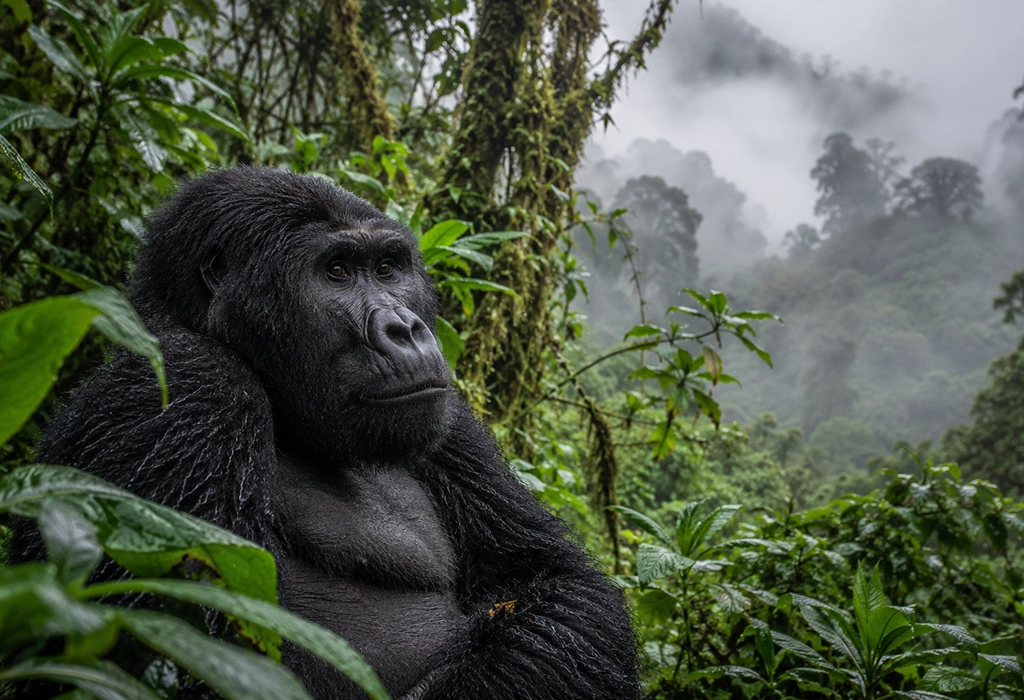
Bwindi Impenetrable National Park is Uganda’s most famous destination for Bwindi gorilla trekking and one of Africa’s most important mountain gorilla conservation areas. The park protects an ancient rainforest characterized by steep hills, valleys, thick vegetation and high levels of biodiversity. Walking through this forest is an experience in itself, even before you encounter the gorillas.
One of Bwindi’s greatest advantages is the variety of trekking sectors available to visitors. Buhoma, Ruhija, Rushaga and Nkuringo each provide access to different gorilla families and surrounding communities. This means travelers can choose an itinerary based on their wider route, although the accommodation location should always correspond with the sector assigned for the trek.
Bwindi is also an excellent destination for travelers who want to extend their safari beyond gorillas. You can combine Gorilla Trekking Uganda with Lake Bunyonyi, Queen Elizabeth National Park, cultural experiences, forest walks and birdwatching. A longer itinerary can therefore provide a much broader experience of southwestern Uganda rather than focusing on one wildlife encounter.
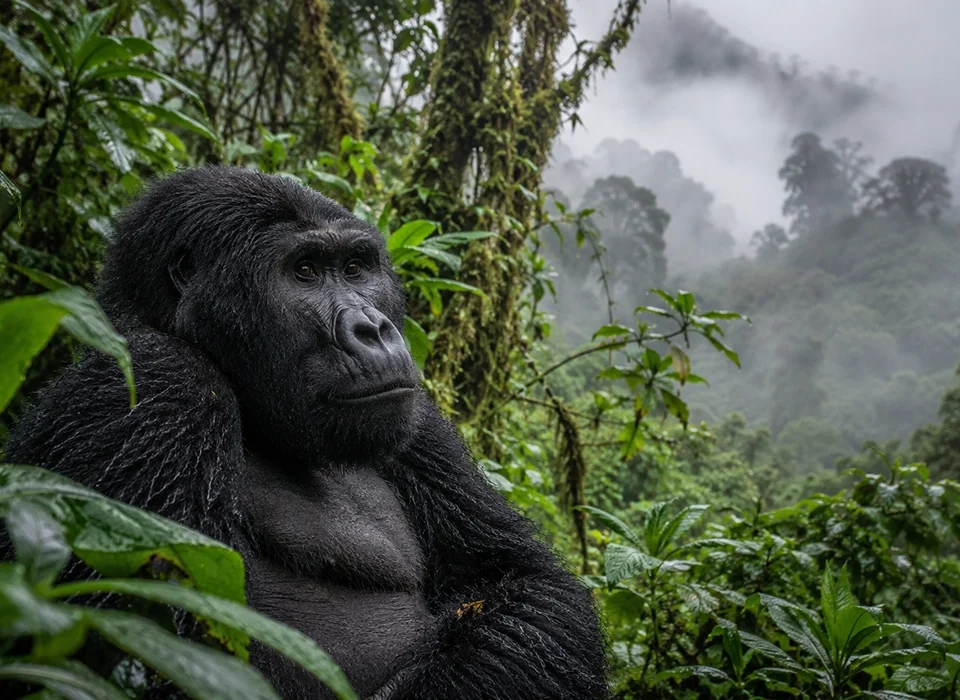
The forest environment also contributes to the emotional quality of the experience. Mist can move between the hills, birds call from the canopy and dense vegetation surrounds the narrow trails. When the trackers finally locate a gorilla family, the contrast between the quiet forest and the excitement of the encounter makes Bwindi gorilla trekking particularly unforgettable.
4. Bwindi Gorilla Trekking Sectors
Buhoma Gorilla Trekking
Buhoma is the historic northern trekking sector of Bwindi and one of the best-known starting points for gorilla trekking Uganda. It has a long-established tourism infrastructure and provides access to several accommodation options and community experiences. Its location can also make it convenient for travelers combining gorilla trekking with Queen Elizabeth National Park and other western Uganda destinations.
The Buhoma area offers more than gorilla trekking, with visitors able to explore forest surroundings and interact with local community tourism initiatives. Because the sector has developed around gorilla tourism for many years, travelers can find a wide range of accommodation from comfortable budget properties to higher-end safari lodges.
Ruhija Gorilla Trekking
Ruhija lies on the eastern side of Bwindi and is another popular location for Uganda gorilla trekking. Its position can make it particularly convenient for travelers approaching from Kabale or Lake Bunyonyi. The area is also attractive to birdwatchers because of the wider forest environment and its location within the Albertine Rift.
Travelers choosing Ruhija should pay close attention to their accommodation and transportation arrangements. The best lodge is normally one that provides convenient access to the Ruhija trekking headquarters rather than simply selecting a property based on price or photographs.
Rushaga Gorilla Trekking
Rushaga is located in southern Bwindi and is an important sector for travelers interested in the Gorilla Habituation Experience. It can also be included in broader itineraries involving the southern side of the park, Kisoro and other attractions in southwestern Uganda.
The sector provides an excellent option for travelers who want a deeper primate-focused experience. If you are considering habituation rather than standard trekking, discuss the permit type, availability and accommodation location with your safari operator before confirming your trip.
Nkuringo Gorilla Trekking
Nkuringo is another southern Bwindi sector and is known for its dramatic mountainous scenery. Travelers who enjoy hiking and spectacular landscapes may find this area especially appealing. The journey to Nkuringo can involve winding mountain roads, so a suitable 4WD safari vehicle and realistic travel schedule are important.
Choosing Nkuringo can make sense for travelers who want their gorilla safari to include scenic mountain experiences rather than treating the trek as an isolated activity. The surrounding landscapes can also create excellent opportunities for photography before and after the gorilla experience.
5. Mgahinga Gorilla National Park
Mgahinga Gorilla National Park offers a very different atmosphere from Bwindi while providing another excellent opportunity for Gorilla Trekking Uganda. The park lies in the Virunga Mountains and protects forested slopes surrounding three volcanic mountains. The combination of rainforest and dramatic volcanic scenery gives Mgahinga a distinctive character.
Mgahinga is particularly attractive to active travelers because gorilla trekking can be combined with golden monkey tracking and volcano hiking. The park is smaller than Bwindi, but its compact landscape does not make the experience less rewarding. Instead, the volcanic setting gives visitors a strong sense of being surrounded by mountains.
The park is also a good choice for travelers staying around Kisoro and those planning itineraries that include Rwanda or southwestern Uganda. If your interests include mountain scenery, primates and hiking, Mgahinga gorilla trekking can be an excellent fit.
For travelers comparing Bwindi and Mgahinga, the most important consideration is not simply which park has the “best” gorillas. Both provide opportunities to encounter mountain gorillas. The better choice depends on permit availability, route, accommodation and the wider experiences you want to include in your Uganda safari.
6. Why Choose Uganda for Gorilla Trekking?
Choosing Gorilla Trekking Uganda allows travelers to combine one of Africa’s most extraordinary primate experiences with a remarkably diverse safari program. Uganda is not limited to mountain gorillas. The country contains rainforests, savannah parks, lakes, rivers, wetlands and mountains, making it possible to experience several different ecosystems during one journey.
After a gorilla trek, you can travel to Queen Elizabeth National Park for game drives and a Kazinga Channel boat cruise, continue to Kibale Forest for chimpanzee tracking, or relax around Lake Bunyonyi. Longer safaris can include Murchison Falls National Park or Kidepo Valley National Park for travelers with more time.
This diversity is one of the strongest reasons to choose Uganda gorilla trekking rather than planning a trip around gorillas alone. A traveler can begin with chimpanzees in the rainforest, encounter mountain gorillas in Bwindi and then search for elephants, lions, buffaloes and hippos in a completely different environment.
Uganda can therefore work for many types of travelers. Wildlife photographers can focus on primates and birds, honeymooners can combine gorilla trekking with scenic lodges and lakeside relaxation, while adventure travelers can add hiking and golden monkey experiences. The key is designing the itinerary around your interests instead of trying to see everything in too little time.
7. Understanding Mountain Gorillas Before Your Trek
Mountain gorillas are highly social primates that live in family groups and spend much of their time feeding, resting, moving and interacting with one another. Learning about their behavior before your Gorilla Trekking Uganda experience can make the encounter more meaningful because you will understand the significance of the different individuals you are observing.
A gorilla family can contain a dominant silverback, other males, adult females, juveniles and infants. Each individual has its own behavior and place within the group. During a trek, visitors may see the family feeding on vegetation, grooming one another, resting under vegetation or moving between different areas of the forest.
Young gorillas are often especially active and entertaining. They may climb, wrestle, chase each other or investigate objects around them. Mothers tend to remain closely associated with their infants, while silverbacks may monitor the family or rest nearby.
The most important thing to remember is that these are wild animals. Even though habituated gorillas have become accustomed to controlled human presence, they should never be treated like domestic animals. Respecting their space and following the guide’s instructions ensures a safer and more responsible gorilla trekking in Uganda experience.
8. Silverback, Mother and Baby Gorillas
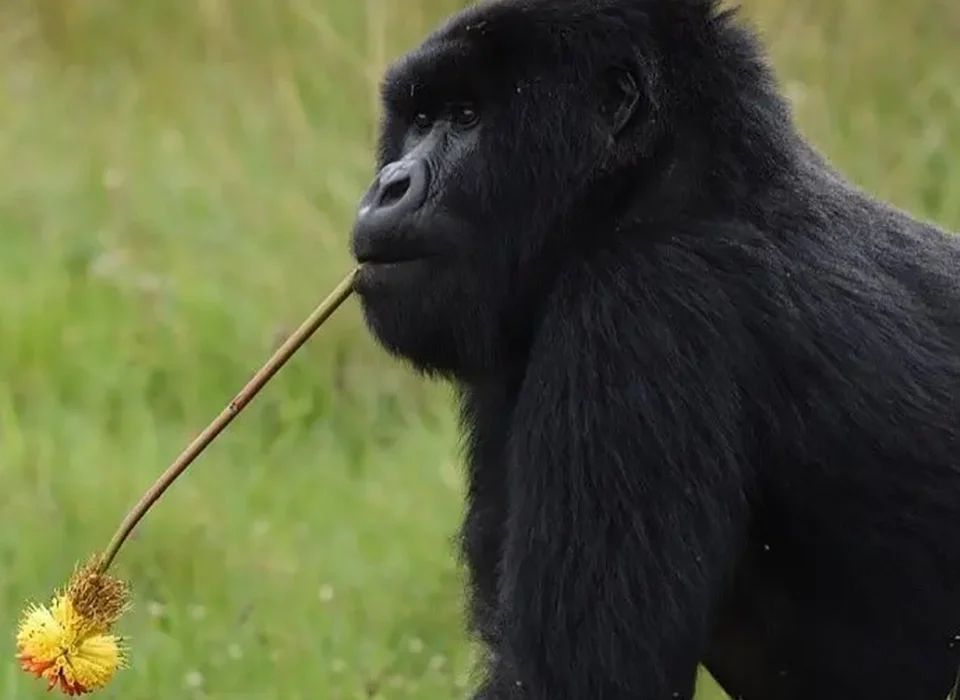
A silverback is a mature male gorilla recognized by the characteristic silver-gray hair that develops across his back. Silverbacks can appear incredibly powerful, particularly when standing or moving through vegetation, and they play important roles within gorilla family groups.
During Gorilla Trekking Uganda, however, you may see a silverback doing something much less dramatic than displaying strength. It may be resting, feeding or simply watching other members of the family. Observing these quieter behaviors can be just as fascinating as seeing a dramatic interaction.
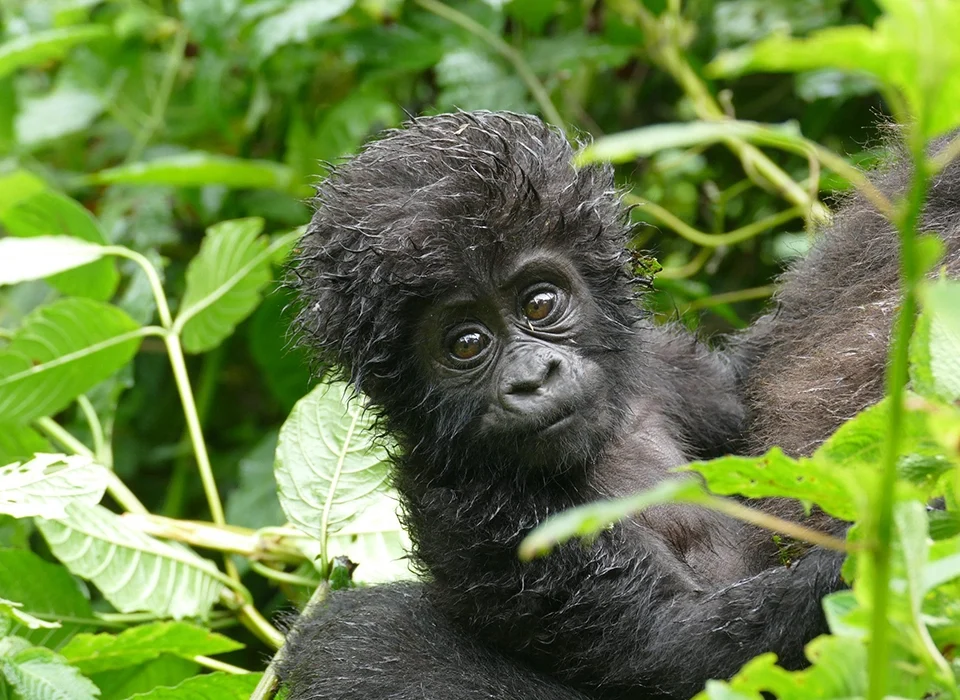
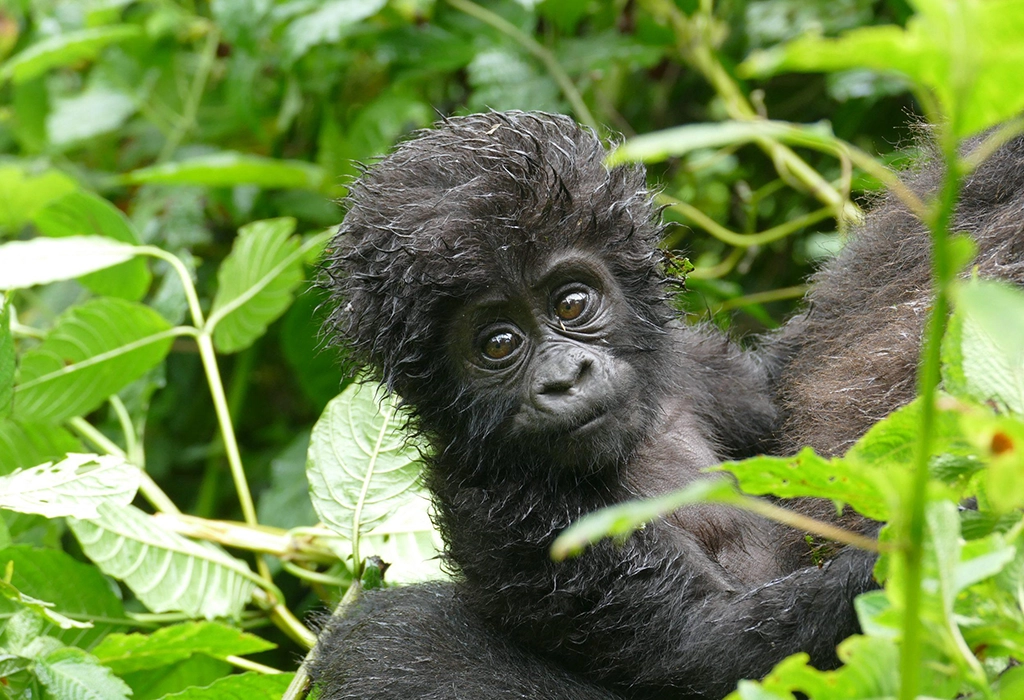
Mother and baby gorillas are another highlight of the experience. An infant may cling closely to its mother, rest beside her or begin exploring the surrounding vegetation. Young gorillas can also interact with other juveniles, creating some of the most memorable scenes of a mountain gorilla safari.
Photography should never interfere with these natural behaviors. Do not call to a gorilla, attempt to attract an infant’s attention or move closer simply to obtain a better photograph. The greatest reward of Uganda gorilla trekking is watching the animals behave naturally in their own environment.
9. What Happens During Gorilla Trekking Uganda?
A typical Gorilla Trekking Uganda experience begins early in the morning at the relevant park headquarters. Visitors register, meet their guides and receive a detailed briefing covering safety, trekking procedures, wildlife behavior and responsible tourism. Your trekking group is then assigned to a gorilla family according to the park’s arrangements.
After the briefing, the group enters the forest with guides and trackers. The trackers use their knowledge of the forest and information about the gorillas’ previous movements to help locate the family. The walk can involve steep slopes, dense vegetation, muddy trails and changing weather, so the experience should be approached as a genuine mountain hike rather than an ordinary sightseeing excursion.
As you get closer to the gorillas, the atmosphere often changes. The guide may ask the group to become quieter, and you may hear movement in the vegetation before seeing an animal. Then a gorilla can suddenly appear only a short distance away, creating the unforgettable moment that travelers have been anticipating.
Once the family is located, visitors observe the gorillas for the permitted viewing period while following the instructions of the guides and park authorities. You may watch feeding, grooming, resting, playing and family interactions before leaving the group and beginning the return journey through the forest.
10. How Difficult Is Gorilla Trekking Uganda?
One of the most frequently asked questions about Gorilla Trekking Uganda is whether the experience is physically difficult. The honest answer is that difficulty varies considerably. Some treks can be relatively short, while others may involve several hours of walking through steep, muddy or uneven terrain.
The location of the gorilla family is one of the biggest factors determining how difficult your trek will be. Weather can also make a major difference. Rain can turn trails into slippery paths, while thick vegetation can require careful movement. Your personal fitness level, walking speed and experience with hiking will also influence how challenging the experience feels.
You do not need to be an elite athlete to enjoy gorilla trekking in Uganda, but basic preparation is strongly recommended. In the weeks before your safari, walk regularly, practice hills and become comfortable walking for longer periods. Breaking in your hiking boots before the trip is equally important.
If you are concerned about your physical ability, communicate this with your safari operator before the trek. A porter can also help carry your backpack and provide useful physical support on difficult sections. Proper planning can make the experience much more comfortable and enjoyable.
11. How to Prepare Physically for Gorilla Trekking
Physical preparation is one of the simplest ways to improve your Uganda gorilla trekking experience. You do not need a complicated gym program, but regular walking can help your body adapt to spending several hours on uneven terrain. Begin with comfortable walks and gradually increase the distance and include hills whenever possible.
Hiking preparation is particularly useful because the trails in Bwindi and Mgahinga are not flat. You may climb slopes, descend steep sections and walk across muddy ground. Practicing these movements before your safari can improve your balance and confidence.
Your footwear should also be part of your preparation. Wear your hiking boots during training walks so you can identify pressure points before the actual trek. A comfortable pair of boots with good traction can make a significant difference when conditions become wet.
Finally, remember that physical preparation is not only about speed or endurance. The goal is to arrive at the forest confident enough to enjoy the environment rather than worrying about whether you can complete the walk. Take your time, listen to your guide and rest when necessary.
12. Uganda Gorilla Trekking Permits in 2026
The Uganda gorilla permit is one of the most important costs to understand before booking your safari. A permit gives an eligible visitor access to the regulated gorilla tracking experience on a specified date and forms the foundation of your trekking arrangements.
For 2026, Uganda Wildlife Authority’s published tariff information lists different gorilla tracking rates according to visitor category. For example, the standard Foreign Non-Resident rate is listed at USD 800 per person, while other rates apply to Foreign Residents, Rest of Africa visitors and East African citizens. UWA also provides special tariff arrangements for selected periods, so travelers should confirm the applicable rate for their exact travel date.
| Visitor Category | Standard Gorilla Tracking Permit |
|---|---|
| Foreign Non-Resident | USD 800 |
| Foreign Resident | USD 700 |
| Rest of Africa | USD 500 |
Permit tariffs can change, and special seasonal rates may apply. For that reason, travelers should confirm the latest official UWA tariff before making payment. Your safari operator can also help coordinate permit availability with accommodation and transportation.
Because gorilla trekking places limits on visitor numbers, early planning is advisable, especially for popular travel periods. Do not book expensive flights and accommodation without first confirming the availability of the gorilla permit for your preferred date.
13. What Does a Gorilla Permit Include?
Understanding what your Uganda gorilla permit covers can prevent confusion when comparing safari quotations. The permit is not the same thing as a complete gorilla safari package. Your safari still requires transportation, accommodation and other services unless these have been separately arranged.
The permit is connected to the regulated gorilla tracking experience and the services provided by the protected-area authority. Current UWA information indicates that the relevant permit arrangements include services such as the guide fee, park entrance component for the day and community development contribution.
Your total safari cost can therefore include several additional elements. These may include your lodge, meals, safari vehicle, driver-guide, airport transfers, porter, tips, travel insurance and activities outside the gorilla trek.
When comparing gorilla trekking Uganda cost, always ask your operator for a detailed quotation rather than comparing permit prices alone. A cheaper package is not necessarily better if it uses inconvenient accommodation, unrealistic driving schedules or excludes important services.
14. Gorilla Trekking Uganda Cost in 2026
The total Gorilla Trekking Uganda cost depends on the style of safari you choose. The gorilla permit is a major component, but accommodation, transportation, the number of travelers and the number of days can significantly affect the final price.
A budget safari may use simple accommodation and focus primarily on the gorilla experience. A mid-range safari can provide comfortable lodges, private transportation and additional sightseeing, while a luxury safari can include premium lodges, private vehicles and more personalized services.
Your total quotation can include the following:
| Safari Component | How It Affects Cost |
|---|---|
| Gorilla permit | Major fixed activity expense |
| Accommodation | Varies significantly by lodge category |
| Transportation | Depends on route, vehicle and number of days |
| Driver-guide | Usually included in organized safari packages |
| Meals | Depends on accommodation and package |
| Porter | Optional additional cost |
| Additional activities | Increase overall safari cost |
| Number of travelers | Can change the per-person cost |
| Safari duration | Longer trips generally cost more |
The best way to understand your personal Uganda gorilla safari cost is to provide your travel dates, number of travelers, preferred accommodation level and desired itinerary. Abunda Discoveries Uganda can then develop a quotation around your actual requirements instead of providing a generic price.
15. Gorilla Trekking vs Gorilla Habituation Experience
The Gorilla Habituation Experience is different from standard gorilla trekking. Standard trekking focuses on observing an already habituated gorilla family, while habituation involves spending a longer period with a gorilla group that is undergoing the process of becoming accustomed to human presence.
This makes habituation particularly attractive to serious wildlife enthusiasts, researchers and photographers who want more time to observe behavior. However, availability is more limited and the cost is higher than standard trekking.
| Feature | Gorilla Trekking | Gorilla Habituation |
|---|---|---|
| Main purpose | Observe habituated gorillas | Participate in a longer habituation experience |
| Viewing period | Approximately 1 hour | Longer experience |
| Cost | Lower | Higher |
| Availability | More widely available | More limited |
| Best for | Most travelers | Serious primate enthusiasts and photographers |
If you are interested in habituation, discuss the experience before booking your safari because the permit, location and accommodation arrangements are different. Do not assume that a normal gorilla permit automatically gives you access to the habituation experience.
16. Best Time for Gorilla Trekking Uganda
The best time for Gorilla Trekking Uganda depends on your priorities rather than one universal month. Gorilla trekking takes place throughout the year, but weather can affect trail conditions, photography and the overall comfort of hiking through the forest.
Many travelers prefer relatively drier periods because trails may be easier to navigate. However, the gorilla habitat is rainforest, so rain is always possible even during traditionally drier months. Travelers should therefore carry rain protection regardless of when they visit.
Wetter periods can also have advantages. The forest becomes exceptionally green, mist creates dramatic scenery and travelers may sometimes benefit from lower-season travel opportunities. The key is to decide whether you prioritize easier hiking conditions or are comfortable accepting more unpredictable weather.
When selecting travel dates, consider permits, accommodation availability, international flights, your wider Uganda itinerary and personal weather preferences. A good safari operator can help you select a date that balances these different factors.
17. Gorilla Trekking Uganda in the Dry Season
The drier periods are popular for Uganda gorilla trekking because hiking conditions can be more comfortable. Trails may be less muddy and slippery, and travelers often find it easier to move through steep sections of the forest.
However, dry season should not be interpreted as a guarantee of dry weather. Bwindi and Mgahinga are mountain rainforest environments, and rainfall can occur at any time. A waterproof jacket and protection for your camera equipment should remain part of your packing list.
Demand can also be higher during popular travel periods. This means permits and good accommodation may need to be arranged well in advance. Travelers who already know their preferred dates should begin planning early rather than waiting until the last minute.
For many first-time visitors, the dry season offers a good balance between trekking comfort and wider safari conditions. Nevertheless, the right time for your trip ultimately depends on your schedule, budget and tolerance for changing weather.
18. Gorilla Trekking Uganda in the Rainy Season
Rain should not automatically discourage you from booking Gorilla Trekking Uganda. These gorillas live in a rainforest environment, and rain is part of the natural character of the destination. Wet conditions can create challenges, but they can also produce some of the most beautiful scenery of the trip.
The main disadvantage is that trails can become muddy and slippery. Walking uphill or downhill may require greater concentration, and wet vegetation can make clothing uncomfortable. Photographers also need to protect cameras and lenses from moisture.
The positive side is that the forest can look spectacular after rainfall. Mist may settle across the hills, vegetation becomes intensely green and the entire environment can feel even more remote and wild.
If you are traveling during a wetter period, prepare properly rather than simply worrying about the weather. Waterproof clothing, good hiking boots, a rain cover for your backpack and protection for electronic equipment can make the experience much easier.
19. Gorilla Trekking Rules and Regulations
The gorilla trekking rules exist to protect both visitors and mountain gorillas. Following these regulations is essential because even habituated gorillas remain wild animals. Your guide and park staff are responsible for managing the encounter, so visitors should always follow their instructions.
During gorilla trekking in Uganda, visitors should avoid touching, feeding or deliberately approaching gorillas. Do not shout at them or attempt to attract their attention for photographs. Flash photography should also be avoided, and visitors should maintain the distance and behavior instructed by the guide.
Health is another important consideration. Mountain gorillas can be vulnerable to human illnesses, so travelers who are unwell should inform their safari operator and park authorities rather than hiding their symptoms. Responsible tourism means protecting the animals even when doing so changes your personal travel plans.
Remember that the goal is to observe natural behavior rather than create an interaction. The quieter and more respectful you are, the better the experience is likely to be for both the gorillas and your trekking group.
20. What Happens If a Gorilla Approaches You?
One of the questions travelers often ask before Gorilla Trekking Uganda is what they should do if a gorilla comes close. The most important instruction is to remain calm and follow the guide’s directions.
Do not attempt to touch the gorilla, even if it appears calm or curious. Do not suddenly move toward it, shout or make gestures designed to attract its attention. Your guide understands gorilla behavior and will direct the group according to the circumstances.
A young gorilla may sometimes move closer while playing or exploring. A larger animal may also pass near the group. These situations are part of observing wild animals and should not be treated as opportunities for physical interaction.
The best response is patience. Stay where the guide instructs you, avoid sudden movements and allow the animal to determine its own direction. This is one of the most important principles of responsible Uganda gorilla trekking.
21. What to Wear for Gorilla Trekking Uganda
Choosing the right clothing can greatly improve your comfort during Gorilla Trekking Uganda. The forest environment can be wet, cool and physically demanding, while vegetation may scratch exposed skin. Practical outdoor clothing is therefore much more useful than fashionable travel clothing.
Wear long trousers and long sleeves to protect yourself from vegetation and insects. Sturdy hiking boots with good traction are essential because trails can become muddy and slippery. A waterproof jacket should also be carried even if the morning begins with clear skies.
Depending on the season and altitude, a warm layer can be useful during the early morning. Thick hiking socks can also help prevent discomfort and blisters, particularly if you are walking for several hours.
The most important rule is to prioritize comfort. Wear your hiking boots before your safari, test your clothing during training walks and avoid carrying unnecessary items that will make the trek heavier.
22. Gorilla Trekking Uganda Packing List
A good gorilla trekking packing list should focus on practical items that help you remain comfortable, dry and prepared during several hours in the forest. You do not need to carry your entire travel luggage into the forest; a small, well-organized daypack is usually enough.
Essential items include:
- Passport and relevant travel documents
- Gorilla permit confirmation
- Sturdy hiking boots
- Long trousers
- Long-sleeved shirts
- Waterproof jacket
- Warm layer
- Drinking water
- Snacks
- Sunscreen
- Insect repellent
- Personal medication
- Camera
- Spare batteries
- Memory cards
- Waterproof protection for electronics
- Small towel
- Gloves
- Walking stick if required
Avoid overpacking because every additional item becomes part of the load you carry through steep terrain. If you hire a porter, they can help carry your backpack and other personal equipment, making the experience more comfortable.
23. Should You Hire a Porter?
Hiring a porter is one of the most useful decisions many travelers can make during Gorilla Trekking Uganda. Even if you are physically fit, carrying a backpack containing water, camera equipment, rain gear and other items can become tiring during a long forest hike.
A porter can carry your daypack and provide support on difficult sections of the trail. They understand the local environment and can often help travelers negotiate muddy or steep areas. For older travelers or anyone who is uncertain about the physical challenge, this support can be particularly valuable.
Hiring a porter also creates a direct economic benefit for people living around the protected area. Your payment supports local livelihoods and makes tourism more beneficial to communities surrounding the gorilla habitat.
Do not think of hiring a porter as a sign that you are unfit. Many experienced hikers use porters because they want to conserve energy for the actual gorilla encounter and enjoy the forest without carrying unnecessary weight.
24. Where to Stay for Gorilla Trekking Uganda
Accommodation is an important part of planning a successful Uganda gorilla safari. The most important consideration is not simply whether a lodge looks attractive online; it is whether the property is conveniently located for your confirmed trekking sector.
Bwindi’s four sectors are spread across a mountainous area, so selecting accommodation in the wrong location can create an unnecessary early-morning transfer. Once your gorilla permit is confirmed, your accommodation should normally be selected around the relevant trekking headquarters.
Travelers can choose from budget guesthouses, community-based properties, comfortable mid-range lodges and luxury safari lodges. Your choice will depend on your budget and the level of comfort you want before and after the trek.
Consider the lodge’s distance from the briefing point, meals, hot water, views, road accessibility and transportation arrangements. After several hours of hiking, having a comfortable room, warm meal and convenient location can make a major difference to the overall experience.
25. How to Choose the Best Bwindi Gorilla Trekking Sector
There is no single best Bwindi gorilla trekking sector for every traveler. The right sector depends on your route, permit availability, accommodation preferences and the other destinations you want to visit.
Buhoma can be convenient for travelers combining gorilla trekking with Queen Elizabeth National Park. Ruhija can work well for travelers approaching through Kabale and Lake Bunyonyi, while Rushaga may be especially suitable for travelers interested in the Gorilla Habituation Experience.
Nkuringo is attractive to travelers who enjoy dramatic mountain scenery and hiking. However, the roads into the area can require careful planning, making a suitable 4WD vehicle important.
The most important advice is to choose your lodge and transport after confirming your trekking sector. Do not simply book the cheapest accommodation and assume that every part of Bwindi is close together. Proper sector planning can make your Gorilla Trekking Uganda experience significantly more comfortable.
26. Gorilla Trekking Uganda From Kampala and Entebbe
Many international travelers begin their Gorilla Trekking Uganda adventure after arriving at Entebbe International Airport. Others spend a night in Kampala before starting the road journey toward southwestern Uganda. Because the distance is considerable, travelers should avoid treating the transfer as a quick connection.
The journey normally takes much of a day by road depending on the destination, road conditions and stops. The exact travel time also depends on whether you are heading to Buhoma, Ruhija, Rushaga, Nkuringo or Mgahinga.
A practical itinerary usually places you near the gorilla trekking destination before the trekking day. This gives you time to rest after the journey and reduces the risk of arriving late or exhausted for your early-morning briefing.
For travelers with more time, the road journey can become part of the safari rather than simply transportation. You can combine the gorilla trip with Queen Elizabeth National Park, Lake Bunyonyi, Kibale Forest or other attractions depending on your route.
27. Gorilla Trekking Uganda From Kigali
Gorilla Trekking Uganda from Kigali is a popular option for travelers who are already visiting Rwanda or who find Kigali International Airport convenient for their international flights. Kigali can provide a practical starting point for reaching southwestern Uganda, particularly Bwindi and Mgahinga.
A cross-border itinerary requires more planning than a domestic Uganda safari. Travelers should consider passport and immigration requirements, border procedures, transportation, accommodation and the location of the gorilla permit.
The route can work particularly well for travelers who want to combine Rwanda and Uganda. You might spend time exploring Kigali or Volcanoes National Park before crossing into Uganda for gorilla trekking and then continuing into a longer Uganda safari.
The key is to avoid creating an itinerary that is too tight. Border procedures and mountain roads can take time, so your gorilla trekking from Kigali itinerary should include sufficient flexibility before the trekking date.
28. Gorilla Trekking With Chimpanzee Tracking
Combining Gorilla Trekking Uganda with chimpanzee tracking creates one of Africa’s most rewarding primate safaris. The two experiences are different enough to complement each other, allowing travelers to observe two remarkable great ape species in separate forest environments.
Kibale National Park is one of Uganda’s leading chimpanzee destinations and can fit naturally into a longer western Uganda itinerary. Travelers can begin with chimpanzee tracking, continue to Queen Elizabeth National Park for savannah wildlife and then travel south toward Bwindi.
Chimpanzees can be highly active, often moving through the canopy or forest floor, while gorilla encounters tend to involve spending time with a family group on the forest slopes. Experiencing both gives travelers a much deeper understanding of Uganda’s primate diversity.
A combined chimpanzee and gorilla safari is particularly suitable for photographers, wildlife enthusiasts and travelers who want more than a single wildlife encounter. It also creates a natural opportunity to experience Uganda’s different forest and savannah ecosystems during one journey.
29. Gorilla Trekking With a Big Five Safari
One of the biggest advantages of a Uganda gorilla safari is the ability to combine primates with traditional African wildlife. After spending time in the rainforest, travelers can enter open savannah landscapes and search for elephants, buffaloes, lions, hippos, antelopes and other wildlife.
Queen Elizabeth National Park is one of the most convenient additions to a southwestern Uganda gorilla itinerary. Game drives can be combined with a boat cruise along the Kazinga Channel, creating a strong contrast between the mountain forest and open wildlife environment.
Murchison Falls National Park provides another option for travelers with additional time. The park combines savannah wildlife with the Nile and the dramatic Murchison Falls landscape. Because it is farther from Bwindi, however, the itinerary should allow sufficient travel time.
Kidepo Valley National Park is best suited to longer safaris for travelers seeking remote landscapes and a more adventurous experience. Combining Kidepo with Gorilla Trekking Uganda creates an exceptionally diverse journey, but it requires considerably more time than a southwestern Uganda itinerary.
30. Gorilla Trekking With Lake Bunyonyi

Gorilla trekking in Uganda through Bwindi rainforest
Lake Bunyonyi is one of the most popular places to relax before or after gorilla trekking in Uganda. Surrounded by rolling hills and small islands, the lake provides a peaceful contrast to the physical activity of hiking through Bwindi or Mgahinga.
Travelers can use Lake Bunyonyi as a place to rest after their trek, enjoy scenic views and experience a slower pace. Depending on the itinerary, activities can include canoeing, birdwatching, cultural experiences and simply relaxing at a lakeside lodge.
Lake Bunyonyi is particularly attractive for honeymooners and travelers who do not want their safari to feel rushed. Spending an extra night around the lake can transform a short gorilla safari into a more relaxing holiday.
The lake can also fit naturally into itineraries approaching Bwindi through Kabale and Ruhija. Your safari operator can determine the most practical route according to your confirmed trekking sector.
31. Best Gorilla Trekking Uganda Safari Itineraries
3-Day Gorilla Trekking Safari
A three-day Gorilla Trekking Uganda safari is one of the shortest practical options for travelers who have limited time. The first day is generally used for traveling toward the gorilla region, followed by gorilla trekking on the second day and the return or onward journey on the third day.
This itinerary is best for travelers whose main objective is seeing mountain gorillas. It provides little time for additional activities, so it should be planned carefully around the permit date.
4-Day Gorilla Safari
Four days provide more flexibility than a three-day itinerary. After gorilla trekking, you can add Lake Bunyonyi, a cultural experience or another scenic activity before returning toward Kampala or Entebbe.
This option is particularly attractive to travelers who want the gorilla experience without spending a full week on safari.
5-Day Gorilla and Wildlife Safari
A five-day itinerary can combine gorilla trekking with Queen Elizabeth National Park or another southwestern attraction. This creates a more diverse experience with both rainforest primates and traditional African wildlife.
A possible itinerary is one day traveling to Queen Elizabeth, one day of wildlife activities, one day traveling to Bwindi, one day of gorilla trekking and one day returning or continuing onward.
7-Day Uganda Primate and Wildlife Safari
Seven days provide enough time to combine Kibale, Queen Elizabeth and Bwindi. This is an excellent option for travelers who want chimpanzees, mountain gorillas and savannah wildlife in one trip.
10-Day Uganda Gorilla and Wildlife Safari
Ten days allow travelers to move at a more comfortable pace and include additional destinations. Depending on interests, the itinerary can include Murchison Falls, Kibale, Queen Elizabeth, Bwindi and Lake Bunyonyi.
32. Uganda vs Rwanda for Gorilla Trekking
Uganda and Rwanda are both excellent destinations for mountain gorilla trekking, but they suit different travel styles. Uganda provides two gorilla destinations, including Bwindi with four major trekking sectors and Mgahinga with its volcanic mountain environment.
Uganda can be particularly attractive to travelers who want a longer safari involving chimpanzees, savannah wildlife, boat cruises and other national parks. A gorilla experience can therefore become part of a much larger wildlife journey.
Rwanda can appeal to travelers seeking a more compact itinerary focused on Kigali, Volcanoes National Park and other attractions within a relatively concentrated route.
The best destination depends on your available time, budget, flight arrangements and wider travel plans. Some travelers may even choose a cross-border itinerary that combines both countries.
33. Uganda vs Congo for Gorilla Trekking
Uganda and the Democratic Republic of Congo provide different styles of gorilla adventure. Uganda has an established tourism network with several accommodation choices, safari routes and opportunities to combine gorillas with chimpanzees and savannah wildlife.
Congo can appeal to travelers seeking a more remote and adventurous experience. However, conditions can vary, and travelers considering the Democratic Republic of Congo should carefully check current security information, border requirements, park access and travel advisories before making arrangements.
For many first-time gorilla travelers, Uganda provides a practical balance between extraordinary wildlife and established safari logistics. It is possible to create a multi-destination itinerary without making the gorilla experience the only reason for the journey.
34. Responsible Gorilla Tourism and Conservation
Responsible tourism is central to the long-term future of Gorilla Trekking Uganda. Mountain gorillas depend on protected forest habitat, and tourism creates economic value around these protected areas. Visitors therefore become part of a wider conservation system when they pay for permits, use local services and support tourism businesses.
Uganda Wildlife Authority manages the country’s protected areas and works with communities and other stakeholders around wildlife conservation. Tourism revenue and related employment help create incentives for protecting wildlife and maintaining the natural environment.
Travelers can support responsible tourism by following park rules, hiring local porters, respecting wildlife, avoiding littering and choosing businesses that employ local people. These actions may seem small, but collectively they contribute to a more sustainable tourism economy.
The objective should be to leave the forest exactly as you found it. Take only photographs and memories, follow your guide’s instructions and allow the gorillas to determine their own behavior throughout the encounter.
35. Supporting Local Communities Around Gorilla Parks
Communities surrounding Bwindi and Mgahinga are an important part of the tourism experience. Local people work in accommodation, guiding, transportation, crafts, cultural tourism and other services connected to visitors.
Hiring a porter is one direct way travelers can support local livelihoods. Purchasing genuine locally made crafts and participating in responsible community experiences can also help spread tourism benefits beyond the park entrance.
A good Uganda gorilla safari should therefore be more than an encounter with wildlife. It should create opportunities for visitors to learn about the people, cultures and communities that live around the protected areas.
Travelers should approach local communities respectfully and avoid treating cultural experiences as performances without context. Ask questions, listen to guides and support genuine community-led tourism initiatives whenever possible.
36. Common Gorilla Trekking Uganda Mistakes
One of the most common mistakes is waiting too long to arrange a gorilla permit. Because the number of visitors is controlled, travelers should establish permit availability before committing to an expensive itinerary.
Another mistake is booking accommodation without considering the trekking sector. Bwindi is not a single small location. Buhoma, Ruhija, Rushaga and Nkuringo are separate areas, and staying far from your assigned sector can create unnecessary travel on trekking morning.
Travelers also sometimes underestimate the physical challenge. Wearing unsuitable shoes, carrying too much luggage or failing to prepare for rain can make the trek unnecessarily uncomfortable.
Finally, avoid building a rushed itinerary. Uganda is geographically large, and road journeys can take longer than travelers expect. A well-designed Gorilla Trekking Uganda safari allows time for travel, rest and unexpected delays instead of trying to fit too many destinations into a few days.
37. Gorilla Trekking Uganda for Photographers
Photography during Gorilla Trekking Uganda is incredibly rewarding, but rainforest conditions can be challenging. Dense vegetation and limited natural light may require higher ISO settings and careful exposure. Gorillas can also move unexpectedly, meaning photographers need to be prepared rather than constantly changing equipment.
A versatile telephoto lens can be useful, while a camera rain cover protects equipment from sudden rainfall. Carry spare batteries and memory cards because there may be no opportunity to recharge or transfer photographs during the trek.
The best photographs often show behavior rather than simply producing close-up portraits. Look for interactions between mothers and infants, young gorillas playing, silverbacks resting and families moving through the forest.
Most importantly, photography must remain secondary to responsible wildlife observation. Never move closer, use distracting equipment or ignore the guide simply to capture a particular photograph.
38. Gorilla Trekking Uganda for Honeymooners
A Gorilla Trekking Uganda honeymoon combines adventure with some of the most beautiful landscapes in southwestern Uganda. Couples can spend a day hiking through the rainforest and then relax at a comfortable lodge overlooking mountains, forests or Lake Bunyonyi.
A romantic itinerary can include a gorilla trek, luxury accommodation, private transportation and time around Lake Bunyonyi. Couples who have additional time can also add Queen Elizabeth National Park or other destinations.
The most important recommendation for honeymooners is to avoid rushing. Gorilla trekking itself can be physically demanding, so allow time to rest afterward rather than immediately scheduling another exhausting activity.
With thoughtful planning, a gorilla honeymoon can combine wildlife, adventure, privacy and relaxation into one unforgettable African journey.
39. Gorilla Trekking Uganda for Older Travelers
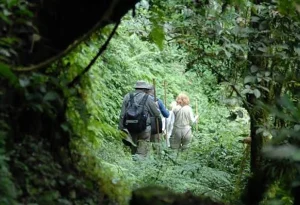
Old people tracking mountain gorillas in Uganda
Older travelers can enjoy gorilla trekking in Uganda, but the physical requirements should be considered carefully before booking. The trek can involve steep terrain, uneven ground, mud and several hours of walking depending on where the gorilla family is located.
A porter can be extremely helpful by carrying your backpack and providing support on difficult sections. Travelers should also discuss their fitness level and mobility needs with their safari operator before the trip.
The goal is not to compete with other trekkers. Walk at a comfortable pace, communicate with your guide and take appropriate breaks when needed.
A well-planned itinerary can make the experience much more comfortable for older travelers, particularly when accommodation is located close to the correct trekking headquarters.
40. Gorilla Trekking Uganda for First-Time Safari Travelers
If this is your first African safari, Gorilla Trekking Uganda can initially seem complicated because there are permits, accommodation, transportation and trekking sectors to coordinate. A professional safari operator can simplify the process by connecting these elements into one itinerary.
Before traveling, make sure you know where your permit is confirmed, which sector you will trek in, where you will stay and how long the journey to the trekking headquarters will take.
Pack appropriate clothing, prepare physically and listen carefully during the park briefing. You do not need previous trekking experience to appreciate the forest, but you should approach the activity with realistic expectations.
Most importantly, leave room for the unexpected. Wildlife does not operate according to a timetable, and the unpredictability of the experience is one of the reasons Uganda gorilla trekking is so memorable.
41. Frequently Asked Questions About Gorilla Trekking Uganda
How much is Gorilla Trekking Uganda in 2026?
The standard Foreign Non-Resident gorilla tracking permit is currently listed by Uganda Wildlife Authority at USD 800 per person, while other visitor categories have different rates. Special low-season arrangements may apply on eligible dates, so travelers should confirm the exact tariff for their travel date before booking.
Where is Gorilla Trekking Uganda done?
Gorilla trekking is conducted in Bwindi Impenetrable National Park and Mgahinga Gorilla National Park in southwestern Uganda.
How long does gorilla trekking take?
The trek can take approximately 2–7 hours depending on the gorilla family’s movements, terrain and weather. Standard gorilla viewing time is approximately one hour after the family has been located.
Is gorilla trekking difficult?
The difficulty varies. Some treks are manageable, while others involve steep slopes, muddy trails and several hours of walking. Regular walking and hill training before your trip can help.
Which is better, Bwindi or Mgahinga?
Bwindi offers four main trekking sectors and a wider range of route options, while Mgahinga provides dramatic volcanic scenery and opportunities to combine gorilla trekking with golden monkey tracking and mountain hiking.
What are the Bwindi gorilla trekking sectors?
The four principal sectors are Buhoma, Ruhija, Rushaga and Nkuringo.
Can I do Gorilla Trekking Uganda from Kigali?
Yes. Travelers can arrange a cross-border safari from Kigali to southwestern Uganda, subject to current immigration, border, transportation and permit requirements.
Can I do gorilla trekking from Kampala?
Yes. Travelers can begin their road safari from Kampala and continue toward Bwindi or Mgahinga. Because the journey is long, it is advisable to allow sufficient time before the trekking date.
Can I do gorilla trekking from Entebbe?
Yes. International travelers can begin their Uganda gorilla safari after arriving at Entebbe International Airport.
What is the best time for Gorilla Trekking Uganda?
Gorilla trekking takes place throughout the year. Drier periods can provide easier hiking conditions, while wetter periods offer exceptionally green forests but potentially muddier trails.
What should I wear for gorilla trekking?
Wear long trousers, long sleeves, sturdy hiking boots, thick socks, a waterproof jacket and suitable warm layers.
What should I pack for gorilla trekking?
Pack water, snacks, rain protection, hiking boots, personal medication, insect repellent, sunscreen, camera equipment and waterproof protection for electronics.
Should I hire a porter?
Hiring a porter is strongly recommended for many travelers because they can carry your backpack and provide support while also contributing to local livelihoods.
Can I take photographs?
Yes, but photography must follow the instructions of your guide and park authorities. Avoid flash and never approach a gorilla simply to improve a photograph.
Are mountain gorillas dangerous?
Mountain gorillas are wild animals and must be treated with respect. Follow your guide’s instructions and never attempt to touch or feed them.
What happens if a gorilla comes close?
Remain calm and follow the guide’s instructions. Do not touch, feed, call to or deliberately move toward the gorilla.
Can I combine gorilla trekking with chimpanzees?
Yes. Kibale National Park is one of Uganda’s leading chimpanzee destinations and can be combined with Bwindi or Mgahinga.
Can I combine gorilla trekking with a Big Five safari?
Yes. Queen Elizabeth National Park is one of the most convenient combinations, while Murchison Falls and Kidepo are suitable for longer Uganda safari itineraries.
Is gorilla trekking worth the money?
For many travelers, yes. The opportunity to observe mountain gorillas in their natural forest environment, combined with Uganda’s wider wildlife experiences, makes the safari exceptionally memorable.
42. Why Book Your Gorilla Trekking Uganda Safari With Abunda Discoveries Uganda?
Planning Gorilla Trekking Uganda involves more than purchasing a permit. The permit needs to match the correct trekking sector, accommodation needs to be conveniently located, transportation must account for Uganda’s road conditions and the itinerary should provide enough time for travelers to enjoy the experience.
At Abunda Discoveries Uganda, we help travelers create practical Uganda gorilla safaris based on their dates, budget, group size, accommodation preferences and wildlife interests. We can organize itineraries beginning from Entebbe, Kampala or Kigali and connect gorilla trekking with other destinations where appropriate.
Your safari can focus entirely on mountain gorillas or combine them with chimpanzees, Queen Elizabeth National Park, Lake Bunyonyi, golden monkeys, Murchison Falls, Kidepo Valley National Park and cultural experiences.
We also understand that travelers have different priorities. Some want a budget-friendly gorilla experience, others want luxury accommodation and private transportation, while photographers may need more time and flexibility for wildlife observation.
The objective is to create an itinerary that feels realistic rather than rushed. From permit coordination to accommodation, transportation and additional activities, Abunda Discoveries Uganda can help turn your Uganda gorilla trekking plans into a practical safari.
43. Final Verdict: Is Gorilla Trekking Uganda Worth It?
Gorilla Trekking Uganda is much more than an opportunity to photograph a rare primate. It is a journey through ancient rainforest, a physical adventure across mountain terrain and an opportunity to observe one of the world’s most fascinating social mammals in its natural environment.
The experience begins with preparation. You arrange your permit, select the right trekking sector, choose suitable accommodation and prepare your body for the hike. Then comes the journey into the forest, where every turn in the trail creates anticipation.
Eventually, the trackers locate the family.
A silverback may be resting beneath the vegetation. A mother may be caring for her infant. Young gorillas may be playing nearby while other members of the group feed quietly.
For a short period, the outside world seems to disappear.
That is the magic of gorilla trekking in Uganda.
And the adventure does not have to end when you leave the forest. Uganda gives you the opportunity to continue with chimpanzee tracking, savannah game drives, boat cruises, golden monkey tracking, volcanic hiking and relaxing lakeside experiences.
For travelers who want a truly diverse African adventure, a carefully planned Uganda gorilla safari can become one of the most unforgettable journeys of a lifetime.
Start Planning Your Gorilla Trekking Uganda Safari
Your first step is to decide when you want to travel, how many people are joining you and how long you want to spend in Uganda. From there, you can select your preferred gorilla destination, accommodation level and additional wildlife experiences.
Whether you want a short 3-day Gorilla Trekking Uganda safari, a 5-day gorilla and wildlife adventure, a 7-day Uganda primate safari, or a longer luxury journey, your itinerary can be customized around your interests.
Abunda Discoveries Uganda can help organize your gorilla permit, accommodation, transportation and additional safari experiences from Entebbe, Kampala or Kigali.
Start planning your unforgettable Uganda gorilla safari today and discover the extraordinary world of mountain gorillas in their natural forest home.