- CONTACT US NOW:
- +256 784 928 080
- info@abundadiscoveriesuganda.com

Top Activities in Kibale National Park

Top Things to Do in Queen Elizabeth National Park
February 19, 2025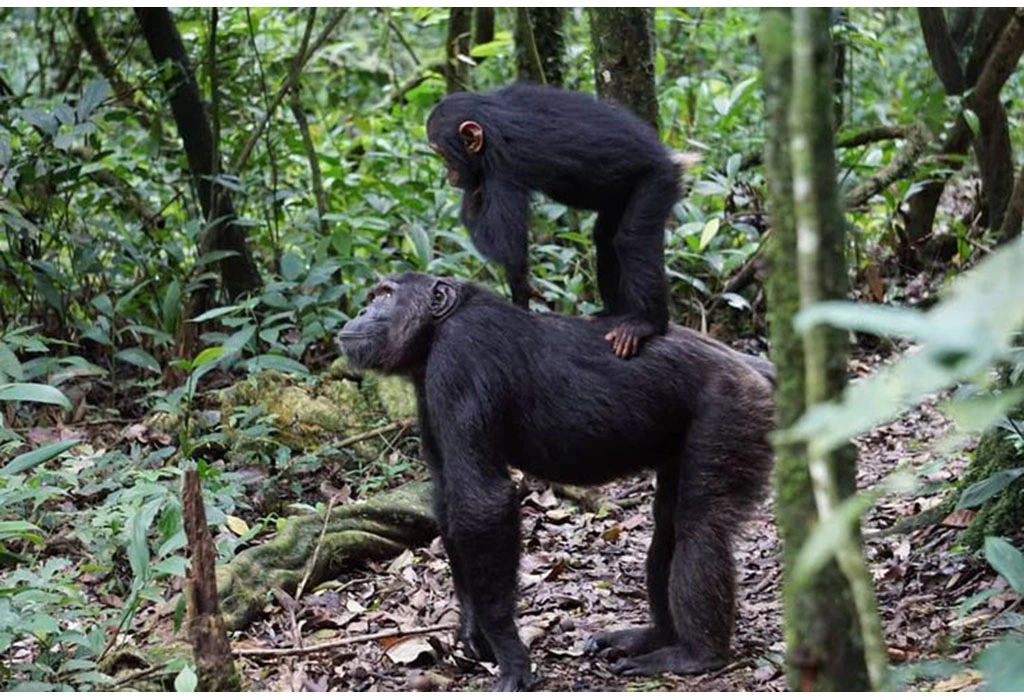
Chimpanzee Trekking in Rwanda
February 21, 2025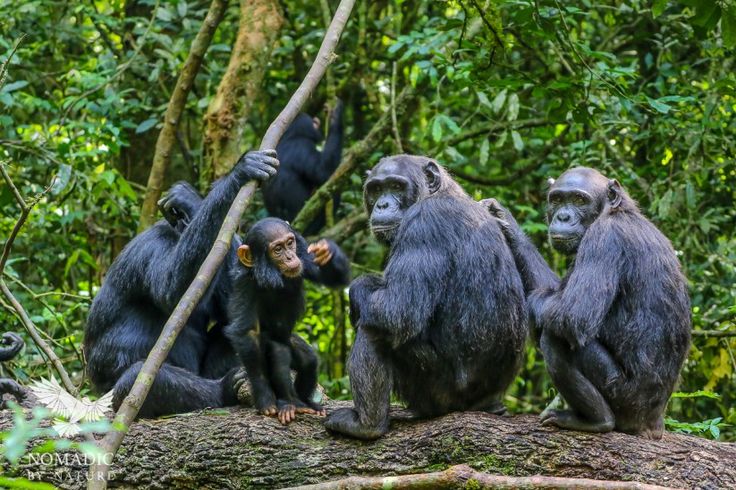
Top Activities in Kibale National Park
Kibale National Park, often referred to as the “primate capital of the world,” is one of Uganda’s most treasured gems. Nestled in the heart of the country, this lush tropical forest offers a wealth of experiences for wildlife lovers, adventure seekers, and eco-tourism enthusiasts. From trekking to observing chimpanzees in the wild to embarking on scenic nature walks through dense forests, Kibale National Park has something for everyone. Top Activities in Kibale National Park
If you’re planning a visit, you’re in for a treat. In this blog post, we will explore some of the best activities to do in Kibale National Park, from animal encounters to cultural experiences, ensuring you make the most of your trip to this remarkable destination.
What is Kibale National Park Known For?
Kibale National Park, located in southwestern Uganda, is famed for its biodiversity. The park spans over 795 square kilometers of lush forest and is home to a variety of primates, including the famous chimpanzees. It also boasts over 375 bird species, making it a paradise for bird watchers. In addition to its wildlife, Kibale is known for its commitment to conservation, offering visitors a chance to experience Uganda’s natural beauty while contributing to sustainable tourism efforts.
Chimpanzee Trekking: The Ultimate Wildlife Experience
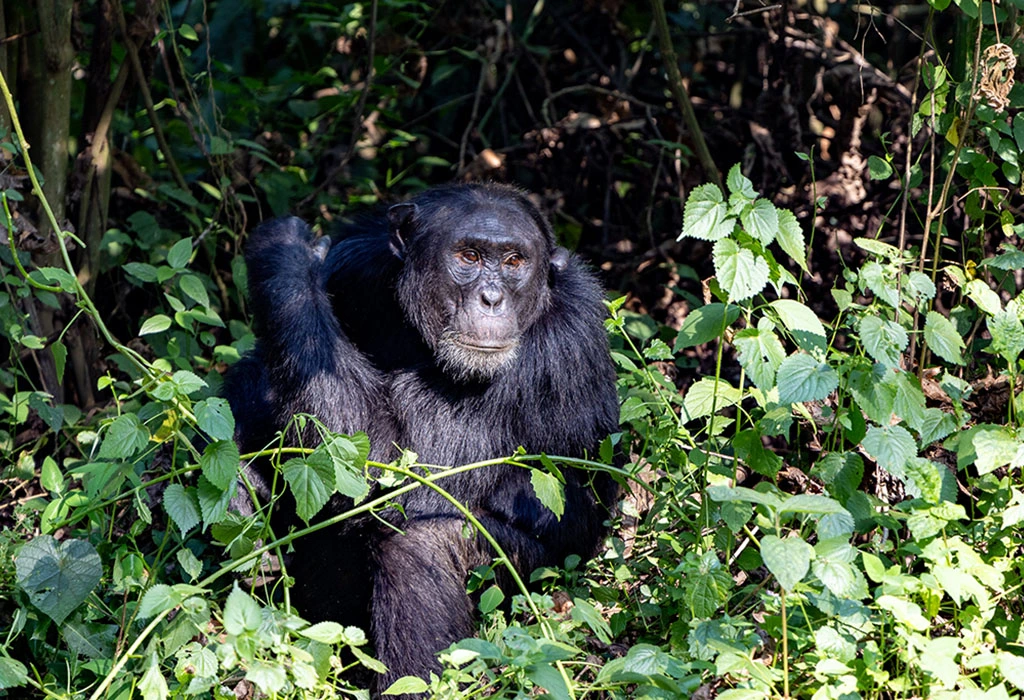
One of the main attractions in Kibale National Park is chimpanzee trekking. As the park is home to approximately 1,500 chimpanzees, it is one of the best places in the world to see these incredible primates in their natural habitat.
What Can You Expect During a Chimpanzee Trek?
Chimpanzee trekking in Kibale is a guided activity that typically takes between 3 to 5 hours, depending on the location of the chimpanzee group. Visitors are accompanied by experienced guides who are knowledgeable about chimpanzee behavior and the park’s ecosystem. The trek begins with a briefing at the park headquarters, followed by a journey into the forest.
As you trek, you’ll be on the lookout for signs of the chimpanzees’ presence, such as nests or food remnants. Once you locate the group, you will be able to watch them from a safe distance, observing their fascinating social behaviors, grooming, and interactions. It’s an awe-inspiring experience to see these intelligent creatures up close, and it’s one of the highlights of any visit to Kibale.
Best Time for Chimpanzee Trekking
The best time for chimpanzee trekking is during Uganda’s dry season, which runs from June to September and December to February. The trails are less muddy, and wildlife sightings are more frequent. However, trekking is possible throughout the year, so if you don’t mind the rain, you can enjoy the park’s lush beauty even in the wet season.
Bigodi Wetland Sanctuary Walks: A Birdwatcher’s Paradise
For those looking to combine nature walks with wildlife watching, the Bigodi Wetland Sanctuary is a must-visit destination. Located just outside Kibale National Park, this sanctuary is a haven for bird watchers and nature enthusiasts alike.
What Makes Bigodi Wetland Special?
Bigodi Wetland is home to over 200 bird species, including the elusive Great Blue Turaco and the African grey parrot. Aside from its birdlife, the sanctuary also boasts a rich diversity of monkeys, including black-and-white colobus monkeys and red-tailed monkeys. Walking through the wetland, you’ll pass through thick vegetation, swampy areas, and a variety of habitats that support an array of wildlife.
Cultural Experience and Local Communities
In addition to its natural beauty, Bigodi Wetland offers visitors a chance to engage with local communities. You can learn about the indigenous cultures, crafts, and traditions of the people who live in the area. This cultural experience adds a unique layer to your visit, making it both educational and rewarding.
Primate Watching Beyond Chimpanzees: Meet Kibale’s Other Residents
Kibale National Park is home to several other primates besides chimpanzees. If you’re a fan of monkeys, you’re in for a treat. The park is home to 13 species of primates, including:
Vervet monkeys
Grey-cheeked mangabeys
Red-tailed monkeys
L’Hoest’s monkeys
These primates are often spotted during guided forest walks, where you can witness their unique social behaviors, playfulness, and interactions with their environment. For those who love monkeys, Kibale offers an unforgettable opportunity to see a variety of species in one place.
Night Walks in Kibale: Discover the Park After Dark
Did you know that Kibale National Park offers night walks for those interested in seeing nocturnal wildlife? After the sun sets, the forest comes alive with creatures that are typically active at night.
What Can You See During a Night Walk?
Night walks in Kibale offer the chance to spot a wide variety of nocturnal animals, including potto, bush babies, and mice. Additionally, the sounds of the forest at night, from the calls of insects to the rustling of leaves, create a truly magical atmosphere. These walks are guided to ensure safety and to provide insight into the fascinating nocturnal ecosystem.
Night walks are also a great way to observe different behaviors of animals that are less likely to be seen during the day.
Nature Walks and Hiking in Kibale’s Lush Forests
For those looking for a more immersive experience, Kibale National Park offers several scenic nature walks and hiking trails. These trails take you deep into the park’s dense forest, where you can appreciate the park’s stunning flora and fauna.
What Will You See on a Nature Walk?
During a nature walk, you can explore Kibale’s rich plant life, which includes towering trees, colorful flowers, and medicinal plants. You’ll also encounter various wildlife along the way, including baboons, monkeys, and an array of bird species. Some trails even lead to viewpoints where you can enjoy panoramic views of the park’s forest canopy.
These walks are a great way to experience Kibale’s natural beauty up close while learning about the forest’s ecosystems.
Bird Watching: A Hidden Gem for Birders
With over 375 bird species recorded, Kibale National Park is a hidden gem for bird watchers. Whether you’re an avid birder or a casual nature lover, you’ll be amazed by the diversity of birds in the park.
What Birds Can You Spot in Kibale?
Some of the species you might encounter include the Great Blue Turaco, Grey-cheeked Hornbill, African Grey Parrot, and the Black-and-white-casqued Hornbill. Birdwatching in Kibale is especially rewarding during the early morning hours when birds are most active.
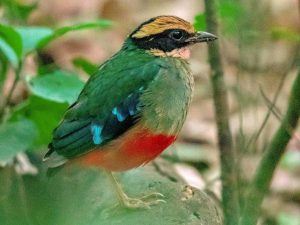
Green-breasted Pitta
Cultural Tours: Immerse Yourself in Local Traditions
Kibale National Park is not only about wildlife; it also offers opportunities to connect with local communities and experience the cultural heritage of Uganda.
What Can You Learn About Local Culture?
Visitors can engage in cultural tours that introduce them to the customs, traditions, and crafts of the local people living around the park. These tours often include visits to nearby villages, where you can see traditional dances, learn about the importance of conservation to the local people, and even buy locally made crafts.
Practical Information for Visiting Kibale National Park
Before you head out to explore all the incredible activities Kibale has to offer, here are some important things to know:
How to Get There
Kibale National Park is located about 320 kilometers west of Kampala, Uganda’s capital. You can easily reach the park by road from Kampala, with a drive that takes around 5-6 hours. Alternatively, you can take a domestic flight to Kasese or Fort Portal and then drive to the park.
Where to Stay
Accommodation around Kibale National Park ranges from budget lodges to mid-range options and luxury camps. Some of the popular places to stay include Kibale Forest Camp, Ndali Lodge, and Primate Lodge Kibale.
Best Time to Visit
The best time to visit Kibale National Park is during the dry season, from June to September and December to February, when the trails are easier to navigate and wildlife sightings are more common.
Why Kibale National Park Should Be on Your Bucket List
Kibale National Park is a must-visit destination for nature lovers, adventure seekers, and wildlife enthusiasts. From chimpanzee trekking to bird watching, cultural experiences, and nature walks, Kibale offers a unique blend of wildlife and adventure. The park’s commitment to conservation ensures that your visit will contribute to preserving this incredible ecosystem for future generations.
Whether you’re looking to see chimpanzees up close, immerse yourself in the sights and sounds of the forest, or engage with local communities, Kibale National Park has something for everyone. So pack your bags, grab your camera, and get ready for an unforgettable adventure in the heart of Uganda’s wilderness.
FAQs About Kibale National Park Activities
Can I do chimpanzee trekking in Kibale year-round?
Yes, chimpanzee trekking is available year-round, but the best time to visit is during the dry season, from June to September and December to February.
Are night walks safe in Kibale?
Yes, night walks are safe when done with a qualified guide, and they offer a unique opportunity to see nocturnal wildlife.
How long does chimpanzee trekking take?
Chimpanzee trekking typically takes 3-5 hours, depending on the location of the chimpanzees and the terrain.
Can I do a cultural tour near Kibale?
Yes, there are cultural tours available where you can engage with local communities and learn about their traditions.