
Ngorongoro Crater: 7 Incredible Safari Experiences
Ngorongoro Crater is one of Tanzania’s most spectacular wildlife destinations and one of the most remarkable natural landscapes in East Africa. Located in northern Tanzania within the Ngorongoro Conservation Area, the crater is famous for its dramatic scenery, abundant wildlife and unique ecosystem.
Often described as one of Africa’s great natural wonders, the crater was formed after the collapse of a large volcanic mountain. Today, its broad floor supports grasslands, forests, wetlands and a lake, creating habitats for a remarkable variety of animals.
For travelers planning a Tanzania safari, Ngorongoro Crater offers an excellent opportunity to see wildlife within a relatively compact area while enjoying spectacular views from the crater rim.
Why Visit Ngorongoro Crater?
A safari in Ngorongoro provides a combination of wildlife, scenery and geological history that is difficult to find elsewhere. The steep crater walls surround a rich ecosystem where animals can be observed across open grasslands and wetlands.
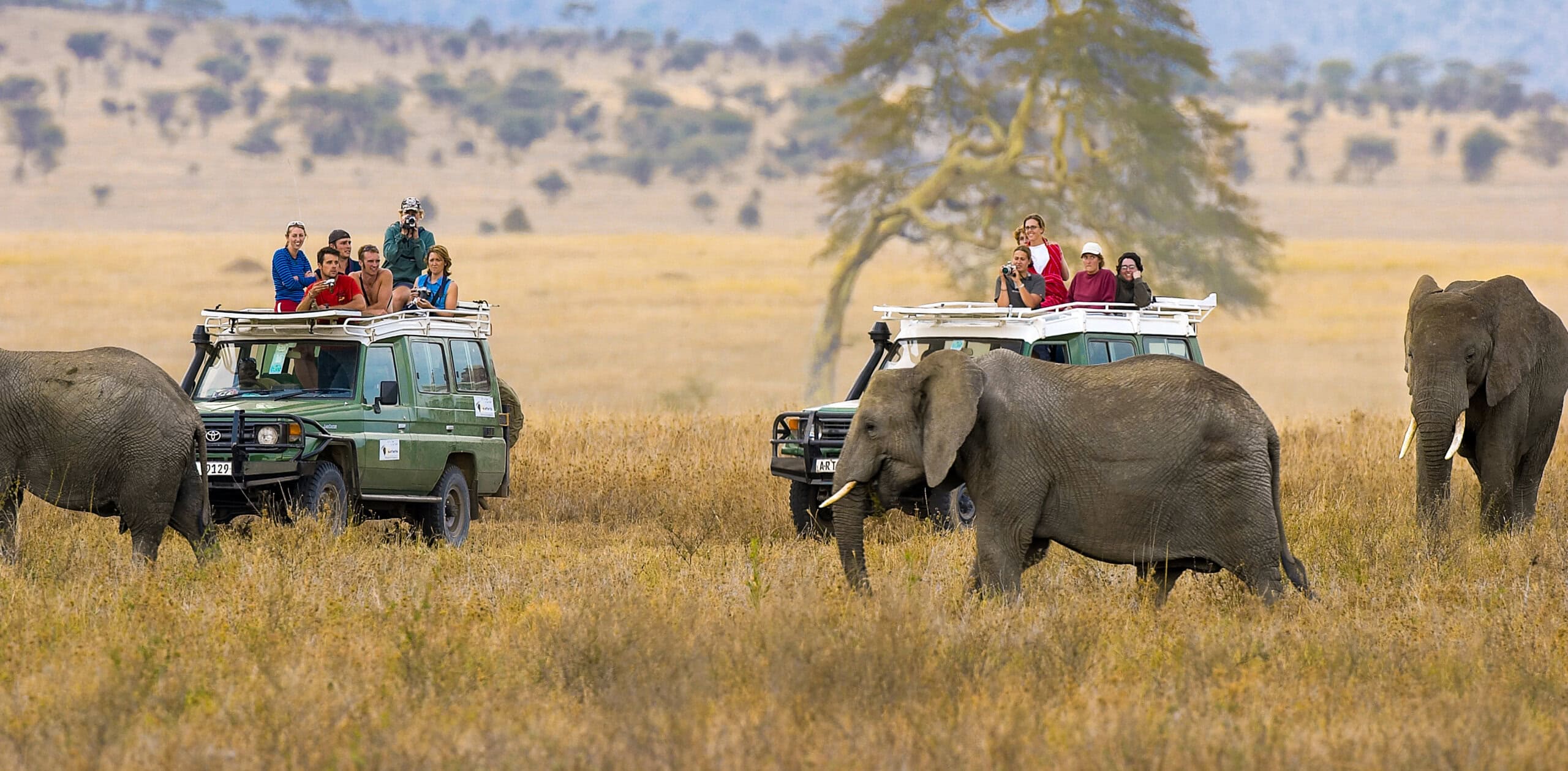
The area supports large numbers of herbivores as well as predators. Visitors may encounter lions, elephants, buffaloes, zebras, wildebeest, hippos and hyenas during a game drive.
The crater is also part of the wider Ngorongoro Conservation Area, a landscape that is important for wildlife conservation and Maasai communities.
1. Explore the Crater Floor
One of the highlights of visiting Ngorongoro Crater is descending from the crater rim to the floor.
The journey provides impressive views of the surrounding landscape before entering an ecosystem filled with wildlife. Once on the crater floor, safari vehicles can explore different habitats where animals gather throughout the day.
Because the crater contains a variety of habitats within a relatively small area, visitors can often experience excellent wildlife viewing during a single game drive.
2. Search for Lions and Other Predators
Ngorongoro is an exciting destination for travelers interested in African predators.
Lions are among the most commonly observed large predators in the crater. Hyenas are also frequently encountered, while cheetahs may occasionally be seen in suitable areas.
Leopards are more elusive and require patience and good guiding to locate.
The concentration of prey animals within the crater creates favorable conditions for predators, making wildlife interactions one of the most memorable aspects of a safari.
3. See the Big Five
Ngorongoro is often included in Tanzania safari itineraries because of its potential for seeing the African Big Five: lion, leopard, elephant, buffalo and rhinoceros.
Black rhinoceros are particularly special sightings because they are relatively rare and closely protected. Seeing one in the crater can be one of the highlights of a Tanzania safari.
Elephants and buffaloes are also commonly associated with the area, while lions and other predators contribute to the rich wildlife experience.
Although wildlife sightings can never be guaranteed, the crater provides excellent opportunities for viewing many major African species.
4. Enjoy the Spectacular Scenery
The wildlife is only part of the Ngorongoro experience. The crater’s landscape is equally impressive.
From viewpoints along the crater rim, visitors can look across the enormous caldera and see grasslands, forests, wetlands and Lake Magadi.
The changing light throughout the day creates beautiful photographic opportunities. Early morning views can be especially impressive when mist and clouds surround the crater walls.
For photographers and nature lovers, the combination of wildlife and dramatic scenery makes Ngorongoro a particularly rewarding destination.
5. Discover Lake Magadi
Lake Magadi is a shallow alkaline lake located on the crater floor. It is an important feature of the landscape and can attract large numbers of animals and birds.
Depending on the season and water conditions, visitors may see flamingos and other water-associated bird species around the lake.
The lake adds another habitat to the crater’s ecosystem and demonstrates how several different environments exist within this relatively enclosed landscape.
6. Experience Maasai Culture
The Ngorongoro Conservation Area is not simply a wildlife destination. It is also home to Maasai communities whose traditional way of life forms an important part of the cultural landscape.
Depending on the itinerary and local arrangements, travelers can participate in cultural experiences that provide insight into traditional livelihoods, homes, crafts and community life.
Responsible cultural tourism should be based on respect for local communities and their traditions. A well-organized visit can add a meaningful cultural dimension to a wildlife safari.
7. Combine Ngorongoro with Serengeti
Many travelers combine Ngorongoro Crater with Serengeti National Park because the two destinations provide complementary safari experiences.
Serengeti is famous for its enormous plains, predators and the Great Wildebeest Migration, while Ngorongoro offers a distinctive crater ecosystem with concentrated wildlife and dramatic volcanic scenery.
A longer itinerary can also include other northern Tanzania destinations such as Tarangire National Park and Lake Manyara National Park.
Travelers arriving from Uganda can consider extending a Uganda safari into Tanzania, creating a broader East African adventure that combines mountain gorilla trekking, chimpanzee experiences and classic savannah wildlife.
Best Time to Visit Ngorongoro Crater
Ngorongoro can be visited throughout the year, but the best period depends on your travel priorities.
The dry months are generally popular for wildlife viewing because vegetation can be thinner and animals may be easier to observe. The period from June to October is particularly popular with many safari travelers.
The green season can also be rewarding. The landscape becomes greener and the area can be attractive for photography and birdwatching.
Travelers interested in combining Ngorongoro with the Serengeti migration should plan their itinerary according to the expected movement of the wildebeest rather than relying on fixed dates.
How to Include Ngorongoro in an East African Safari
Ngorongoro can form part of a multi-country East African safari. Travelers can combine Tanzania with Uganda, Rwanda or Kenya depending on their interests and available time.
For example, a longer journey could begin with gorilla trekking in Uganda, continue through Rwanda and then connect to Tanzania for Serengeti and Ngorongoro wildlife experiences.
This type of itinerary allows travelers to experience several of East Africa’s most distinctive environments, from rainforest-covered mountains to open savannahs and volcanic landscapes.
Plan Your Ngorongoro Safari
Planning a safari to Ngorongoro Crater involves choosing the right season, accommodation, transportation and combination of destinations. The length of your safari will also determine how many parks you can comfortably include.
At Abunda Discoveries Uganda, we can help travelers interested in combining Uganda with Tanzania as part of a customized East African adventure. Your itinerary can include gorilla trekking, chimpanzee tracking, wildlife safaris and cultural experiences according to your interests.
Ngorongoro Crater remains one of Tanzania’s most extraordinary destinations. Its volcanic landscape, abundant wildlife and cultural heritage make it an unforgettable stop for travelers exploring northern Tanzania.
If you are planning an East African safari, consider combining Ngorongoro Crater with Serengeti and other destinations for a richer and more diverse Tanzania experience.